
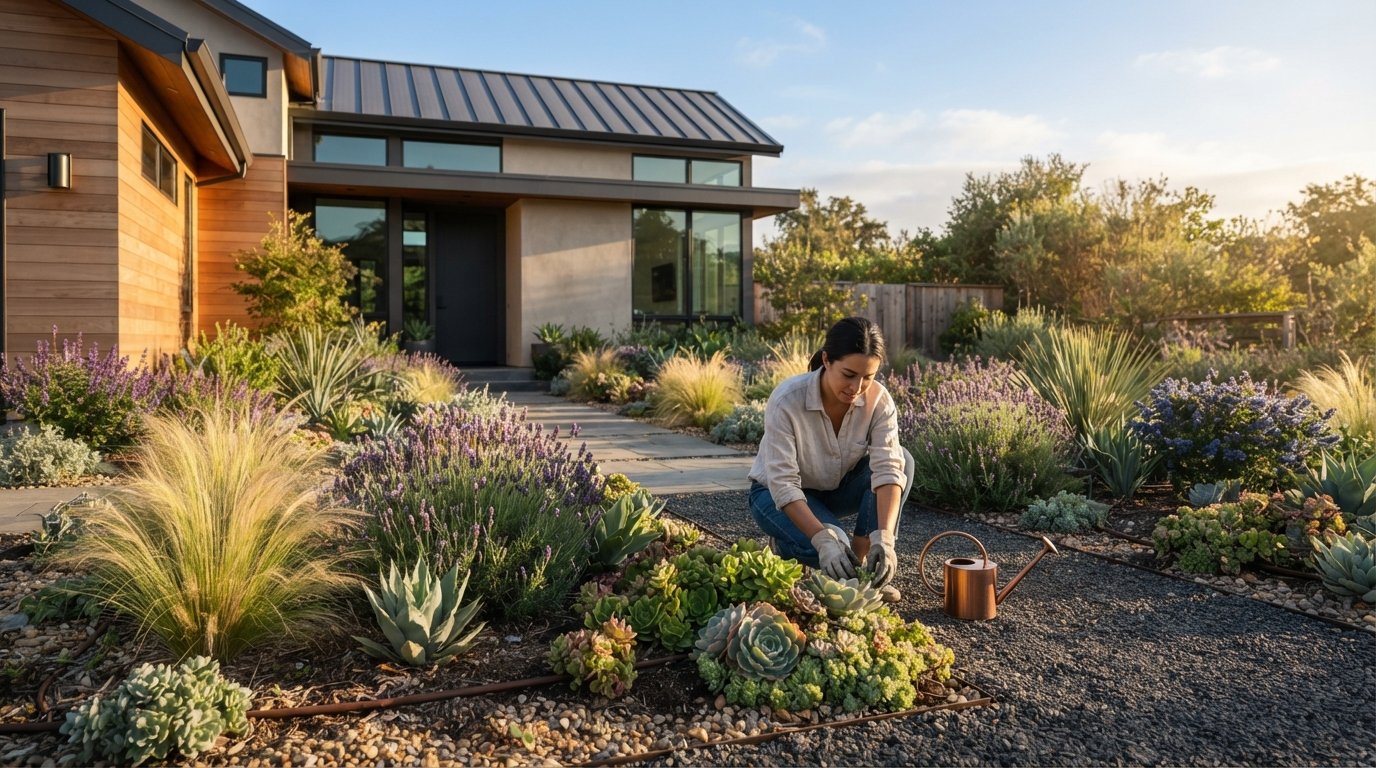
Low Maintenance Landscaping Ideas for Modern Homes
Transform your yard with low maintenance landscaping ideas for modern homes. Call (833)-365-8755 for expert help.

Learn more about Outdoor Landscaping and Design for guides, costs, and what to expect.
Compare Outdoor Landscaping and Design Pros Near You

Enter your ZIP code to compare top-rated local professionals and request free quotes.
A modern home deserves a landscape that complements its clean lines and busy lifestyle. Traditional lawns demand hours of mowing, watering, and weeding, which is why more homeowners are replacing them with low maintenance landscaping ideas for modern homes. These designs look intentional, use fewer resources, and free up your weekends. Whether you are building new or renovating, the right plan can turn a high upkeep yard into a beautiful, self sufficient outdoor space.
Start with Native and Drought Tolerant Plants
The easiest way to reduce landscape maintenance is to choose plants that already thrive in your region. Native species have evolved to handle local rainfall, soil, and temperature swings, so they need less watering and are more resistant to pests. Drought tolerant plants, such as succulents, ornamental grasses, and lavender, add texture and color without constant care. Group plants by water needs so you can irrigate efficiently.
Regions vary widely, so select species suited to your climate. In the Southwest, agave, desert marigold, and penstemon flourish with minimal water. In the Northeast, switchgrass, coneflower, and bayberry provide seasonal interest. Coastal areas benefit from beach grass and juniper. For a modern look, repeat a few species in mass plantings rather than mixing many varieties, which simplifies care and creates visual rhythm.
When choosing plants, consider mature size and growth habit to avoid frequent pruning. Dwarf varieties of shrubs and trees stay compact. Evergreens offer year round structure with little upkeep. Ornamental grasses sway in the breeze and need only an annual cutback. By right sizing plants for their space, you prevent overcrowding and reduce the need for constant trimming.
Use Ground Cover, Mulch, and Gravel to Suppress Weeds
Bare soil invites weeds and requires regular watering. Covering the ground with mulch, gravel, or dense ground cover plants blocks sunlight and conserves moisture. Organic mulch, such as wood chips or bark, decomposes over time and improves soil, but it needs replenishing every few years. Inorganic options like gravel or crushed stone last longer and suit modern, minimalist designs.
Ground cover plants like creeping thyme, sedum, and liriope form a living carpet that outcompetes weeds. They are especially useful on slopes where mowing is difficult. For a sleek look, use a thick layer of mulch around shrubs and trees, and install landscape fabric beneath gravel in high traffic areas. These strategies cut weeding time dramatically and keep the yard looking tidy.
Edging materials also play a role. Metal or stone edging creates a clean separation between beds and lawns, reducing maintenance along borders. In gravel beds, a border keeps stones in place and prevents them from spilling onto walkways. Proper installation ensures these features last for years with minimal attention.
Incorporate Hardscape to Reduce Mowing and Watering
Hardscape elements such as patios, walkways, and retaining walls add structure and reduce the area of lawn you need to maintain. A paver patio or decomposed granite path eliminates mowing and watering in those spots. Hardscape also defines outdoor rooms, making the landscape feel larger and more functional. For modern homes, choose clean lined materials like concrete, large format pavers, or gravel for a contemporary aesthetic.
Consider replacing small, awkward lawn areas with hardscape or ground cover. These patches are often difficult to mow and water efficiently. A seating area with pavers or a fire pit surrounded by gravel creates a low maintenance focal point. Permeable pavers allow water to infiltrate, reducing runoff and supporting sustainable drainage.
When planning hardscape, think about installation and long term care. Concrete and stone require little maintenance beyond occasional cleaning. Gravel may need raking to keep it even. Wood decks need periodic sealing, but composite decking offers a lower maintenance alternative. If you need help designing or installing hardscape features, consider connecting with a professional contractor through low maintenance landscaping ideas for busy homeowners to ensure proper execution.
Irrigation Controllers and Smart Watering
Even low water plants need some irrigation, especially during establishment. A smart irrigation controller adjusts watering based on weather data and soil moisture, preventing overwatering and saving money. These devices can be programmed for different zones, so you can give more water to thirstier plants and less to drought tolerant ones. Some models connect to your smartphone for easy adjustments.
Drip irrigation is another water saving tool. It delivers water directly to plant roots, reducing evaporation and runoff. Combine drip lines with mulch to maximize efficiency. For lawns that remain, use a controller with rain sensors to avoid watering during storms. Proper irrigation design ensures plants stay healthy with minimal effort.
Regular maintenance of your irrigation system is important. Check for leaks, clogged emitters, and broken heads each season. Adjust schedules as plants mature and weather changes. By investing in smart watering technology, you reduce manual labor and conserve a precious resource.
Choose Low Maintenance Lawn Alternatives
Traditional turfgrass is high maintenance, but you can still enjoy green space with alternatives. Clover, buffalo grass, and fescue blends require less mowing and watering than conventional lawns. Artificial turf is another option for small areas, offering year round green with no watering or mowing. However, it can get hot in full sun and requires occasional cleaning.
For a modern look, consider a gravel garden or a meadow style planting. These options need less frequent cutting and can be designed to bloom sequentially for seasonal interest. If you keep some lawn, choose a slow growing variety and mow less often. Setting your mower to a higher height also promotes deeper roots and drought tolerance.
When selecting lawn alternatives, consider your climate and soil. Some clovers tolerate foot traffic better than others. Buffalo grass is well suited to hot, dry regions. Fescue blends work in cooler climates. Test a small area before converting the entire lawn to ensure the new ground cover thrives.
Design with Structure and Focal Points
A low maintenance landscape can still be stunning. Use architectural plants, such as ornamental trees or large boulders, as focal points. These elements draw the eye and require little care. Repeat shapes and colors to create harmony. For modern homes, geometric planters and straight lines echo the architecture.
Outdoor lighting adds drama and safety with minimal effort. Solar powered path lights and LED fixtures are easy to install and cost little to operate. Lighting can highlight specimen plants or hardscape features, extending your enjoyment into the evening. Choose fixtures that complement your home's style.
Container gardening is another low maintenance option. Large pots with succulents or dwarf shrubs can be placed on patios or entries. They add greenery without the commitment of in ground planting. Use self watering containers to reduce the frequency of watering.
Seasonal Maintenance Checklist
Even low maintenance landscapes need some attention. A simple seasonal checklist keeps your yard looking its best. In spring, refresh mulch, prune winter damage, and start irrigation. Summer involves monitoring for pests and adjusting watering. Fall is for planting, mulching, and cleaning up leaves. Winter tasks include protecting tender plants and planning for spring.
By following a schedule, you avoid overwhelming chores. Many tasks can be done in a few hours each season. If you prefer to delegate, professional landscaping services can handle routine maintenance. For major renovations or installations, platforms like USremodel connect homeowners with independent contractors for landscaping and other home improvement projects.
Keep a journal of what works and what does not. Note which plants thrive and which struggle. Adjust your plan accordingly. Over time, your landscape will become more resilient and easier to care for.
Budgeting for Low Maintenance Landscaping
Upfront costs for low maintenance landscaping can vary widely. Native plants may be cheaper than exotic species, but hardscape and irrigation systems require investment. However, these features save money in the long run through reduced water bills, fewer replacements, and less labor. Plan your budget by prioritizing areas that need the most improvement.
Consider DIY for simple tasks like mulching or planting, but hire professionals for complex installations like patios or irrigation. Get multiple quotes to compare prices. Remember that low maintenance does not mean no maintenance, so factor in occasional professional services if needed.
Many homeowners find that the reduced upkeep pays for itself within a few years. With less time spent on yard work, you can enjoy your outdoor space more. And a well designed landscape can boost your home's curb appeal and value.
Transforming your yard into a low maintenance oasis is within reach. By choosing the right plants, using ground covers, adding hardscape, and smart irrigation, you create a space that is both beautiful and practical. For homeowners in Dallas and beyond, these strategies align with modern living and environmental stewardship. Start with a plan, implement in stages, and enjoy the results for years to come.
Learn more about Outdoor Landscaping and Design for guides, costs, and what to expect.
Compare Outdoor Landscaping and Design Pros Near You
Enter your ZIP code to compare top-rated local professionals and request free quotes.