
Curb Appeal Landscaping: Design Principles That Boost Value
Discover key landscape design principles for curb appeal and value, from plant selection to hardscaping, and boost your home's marketability.

By Justin Parker
Learn more about Outdoor Landscaping and Design for guides, costs, and what to expect.
Compare Outdoor Landscaping and Design Pros Near You

Enter your ZIP code to compare top-rated local professionals and request free quotes.
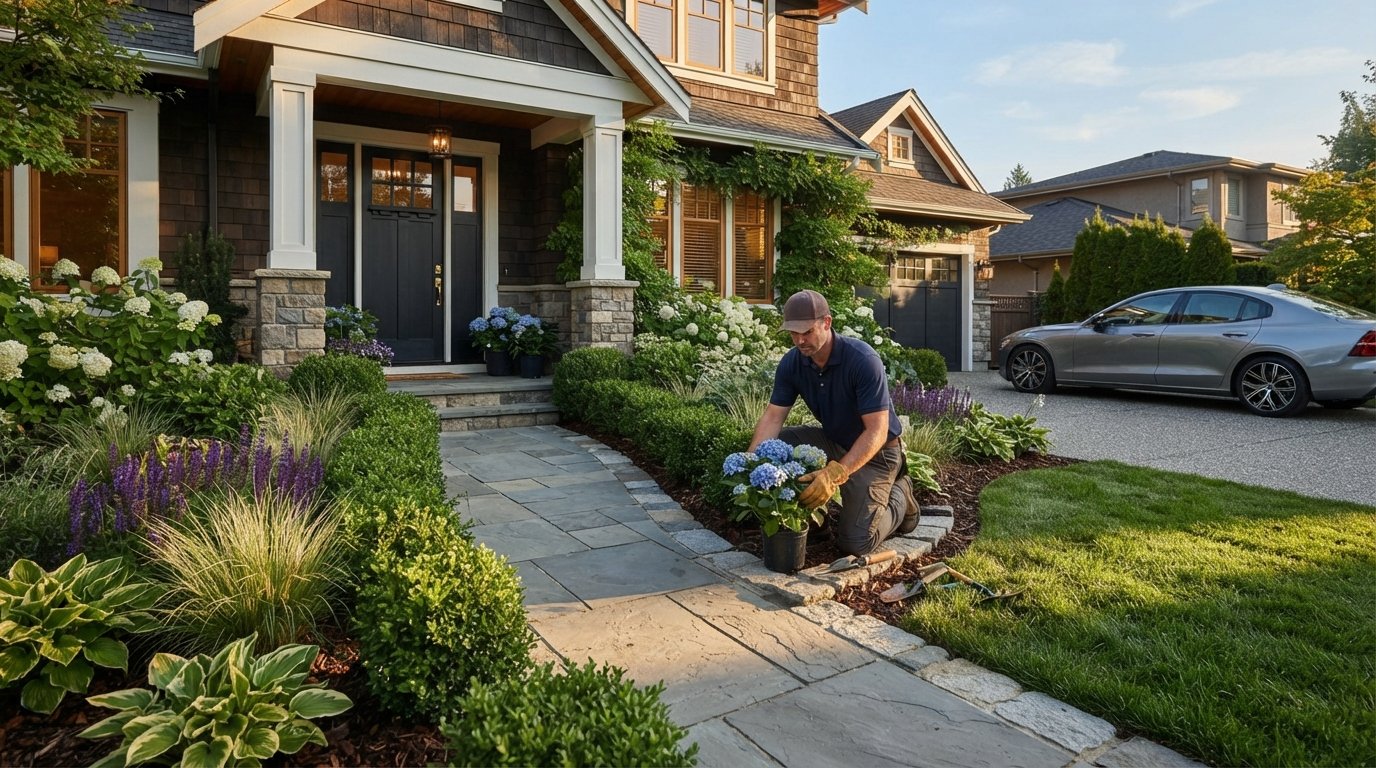
Your front yard is the first thing potential buyers see, and it can set the tone for their entire perception of your home. A well-designed landscape not only creates a welcoming atmosphere but also adds significant property value. In fact, studies show that a thoughtfully planned front yard can yield a return on investment of over 100%. Yet many homeowners focus on interior upgrades while neglecting the exterior, missing out on one of the most impactful opportunities to enhance both curb appeal and resale price. By applying proven landscape design principles for curb appeal and value, you can transform your property into a standout that attracts attention and commands a premium.
Why Landscape Design Matters for Home Value
Real estate experts consistently rank curb appeal as a top factor in a home's perceived value. It is not just about making a good first impression; it is about signaling to buyers that the property has been well cared for. A neat, vibrant landscape suggests that the home's systems and structure are equally well maintained. This psychological effect can lead to quicker sales and higher offers. According to a study from the University of Michigan, homes with high-quality landscaping can sell for 5% to 11% more than similar homes without it.
The key is to design with intention, not just to plant randomly. Strategic landscaping involves understanding your climate, your home's architecture, and the needs of your target market. When you align these elements, you create a cohesive look that feels both inviting and expensive. Whether you are planning to sell soon or simply want to enjoy a more beautiful home, investing in your front yard is a wise decision.
Core Landscape Design Principles for Curb Appeal and Value
To achieve a professional-looking landscape, you need to follow a few foundational design principles. These aren't just for landscape architects; they are practical guidelines that any homeowner can apply. Think of them as the rules of visual composition for your yard.
Balance and Symmetry
Balance creates a sense of order and calm. You can achieve this through symmetrical plantings, where the left side of your entry mirrors the right, or through asymmetrical balance, where different plants of equal visual weight are placed on each side. For most front yards, a symmetrical approach around the front door is effective because it draws the eye to the entrance. For example, placing a pair of identical shrubs or small trees on either side of your walkway instantly creates a formal, welcoming feel.
However, perfect symmetry can feel stiff. Asymmetrical balance, using a large tree on one side balanced by a cluster of smaller shrubs on the other, offers a more relaxed, natural look. Choose the style that best complements your home's architecture. A modern home might suit clean, asymmetrical lines, while a traditional colonial will benefit from classic symmetry. The goal is to create a sense of equilibrium that feels pleasing to the eye.
Scale and Proportion
Scale refers to the size of landscape elements relative to the size of your home. A massive tree planted right next to a small bungalow can overwhelm the structure, while tiny plants under a sprawling two-story house can look lost and insignificant. The key is to choose plants that will mature to a size that complements your home's proportions. Always consider the mature height and spread of trees and shrubs before planting.
Proportion also applies to hardscape features. A walkway should be wide enough to accommodate two people walking side by side, typically 4 to 5 feet. A porch light or house number should be visible from the street without being oversized. Getting these proportions right ensures that all elements work together harmoniously. When they are off, the landscape feels disjointed and can even detract from the home's architectural features.
Color and Texture
Color is the most emotional element in your landscape. A well-planned color scheme can evoke feelings of warmth, tranquility, or energy. For curb appeal, it's wise to choose a palette that complements your home's exterior paint. You can use the classic color wheel to find harmonious combinations: analogous colors (next to each other on the wheel) create a calm effect, while complementary colors (opposite each other) create a vibrant pop. For example, purple and yellow flowers together are a striking combination.
Texture is about the surface quality of leaves, bark, and stones. Mixing fine textures (like ornamental grasses) with coarse textures (like hostas) adds depth and interest. Repeat these textures throughout the yard to create unity. Don't forget that foliage color changes with the seasons. Plan for year-round interest by including evergreen plants for structure and deciduous plants for seasonal color.
Creating a Welcoming Entryway
Your front entry is the focal point of your landscape. It's where guests and buyers will pause, so it needs to be inviting. The path to your door should be clear, wide, and in good repair. If you have a straight walkway, consider softening it with curved planting beds on either side. If you have a curved path, ensure it is well-lit and not hidden by overgrown plants.
Add a pair of statement planters or urns by the front door. These can be changed seasonally to keep the look fresh. A new coat of paint on the front door, in a color that contrasts with the rest of the house, is one of the most cost-effective updates you can make. Also, upgrade your house numbers and outdoor light fixtures to match the style of your home. These small details have a cumulative effect on perceived value.
Foundation Planting: The Frame of Your Home
Foundation plants are the shrubs and perennials planted along the base of your house. They serve to soften the transition between the vertical wall and the horizontal ground, and they anchor the home to the landscape. When done well, they create a polished, finished look. When done poorly, they can hide windows, invite pests, and make the house look dark and uninviting.
A good rule of thumb is to use a layered approach: plant taller shrubs in the back, medium-sized perennials in the middle, and low-growing groundcovers in the front. This creates depth and ensures that all plants are visible. Avoid planting large shrubs right against the house, as they can damage siding and make it difficult to maintain. Instead, leave at least a foot of space between the mature size of the plant and the house wall. You can always prune to keep them in check, but selecting the right size from the start is easier.
Strategic Plant Selection for Year-Round Appeal
When selecting plants, think beyond the spring bloom. Your landscape should look good in all four seasons. This means including evergreens for winter structure, trees with brilliant fall foliage, and spring-blooming bulbs that signal renewal. A landscape that looks barren in winter can significantly reduce curb appeal during the colder months.
Here are some key factors to consider when choosing plants:
- Climate zone: Choose plants that are hardy in your USDA zone to ensure they thrive.
- Sun exposure: Match plants to the amount of sunlight your yard receives, from full sun to deep shade.
- Water requirements: Group plants with similar water needs to simplify irrigation and conserve water.
- Maintenance level: If you don't want to spend hours pruning, choose low-maintenance varieties.
Native plants are an excellent choice because they are adapted to local conditions, require less water and fertilizer, and support local pollinators. They also tend to be more resistant to pests and diseases. By incorporating a mix of native and well-adapted non-native plants, you can create a resilient and beautiful landscape that holds its value.
Hardscaping: The Bones of Your Landscape
Hardscaping refers to the non-living elements of your landscape, such as walkways, patios, retaining walls, and decorative stone. These features provide structure and define how the space is used. For curb appeal, the most important hardscape elements are the driveway, the front walkway, and any visible edging. A cracked driveway can instantly lower the perceived value of your home, so consider resurfacing or sealing it.
Materials should complement your home's exterior. For example, a brick home might look best with a paver walkway in a matching tone, while a modern stucco home could benefit from clean concrete or large-format stone. Adding a low retaining wall or stone edging around planting beds can create a crisp, professional look. These features also help prevent soil erosion and make maintenance easier. While hardscaping can be more expensive than plants, it lasts for decades and is a solid investment in your property.
Lighting: Extending the Beauty into the Night
Outdoor lighting is often an afterthought, but it is a powerful tool for both aesthetics and security. Properly placed lights can highlight your home's best architectural features, illuminate the walkway for safety, and create a warm, inviting glow that extends the use of your outdoor space into the evening. For curb appeal, especially for evening showings, good lighting is essential.
Use a combination of path lights to guide the way, spotlights to accent trees or the front door, and wall lights to cast a soft welcome. Solar lights are an affordable and energy-efficient option, but low-voltage LED systems offer more reliable and dramatic results. Avoid overly bright, glaring lights; the goal is to create a subtle, layered effect. Consider installing a timer or smart lighting system so the lights turn on automatically at dusk.
Maintaining Your Landscape Investment
A beautiful landscape requires regular care. A well-maintained yard not only looks better but also prevents problems from escalating. Simple tasks like mowing the lawn weekly, edging the beds, pruning shrubs, and removing weeds can make a world of difference. A lush, green lawn is a powerful signal of a cared-for property. If your lawn has bare patches, consider overseeding or installing sod.
Mulching your planting beds annually is one of the best maintenance tasks you can do. Mulch helps retain soil moisture, suppresses weeds, and gives the beds a finished, uniform look. It also breaks down over time, adding organic matter to the soil. Plan for seasonal cleanups, including raking leaves in the fall and pruning in the spring. If you don't have the time or inclination, hiring a professional landscaping service is a worthwhile investment. Remember, the state of your landscape is a direct reflection of how you maintain the rest of your home.
How to Get Started on Your Landscape Project
Feeling inspired? The best way to start is with a plan. Walk around your property and take note of what works and what doesn't. Take photos and create a simple sketch. Then, set a budget. Landscaping projects can be as small as a weekend planting session or as large as a full-yard overhaul. It's okay to phase your project over a couple of seasons.
For larger tasks, like installing a new walkway, retaining wall, or extensive planting, you may want to hire a professional. A landscape designer or contractor can help you execute your vision and avoid costly mistakes. When you're ready to begin, you can find trusted local professionals through services like USremodel, which connects homeowners with vetted contractors for various home improvement projects. They can help you get competitive quotes from licensed experts, ensuring your project is done right. For those considering a full renovation, our guide on Landscape Design: Transform Your Yard in 5 Steps offers a structured approach to get you started.
Applying these landscape design principles for curb appeal and value is one of the smartest investments you can make in your home. It not only enhances your daily enjoyment but also significantly boosts your property's marketability and resale price. Whether you tackle it yourself or hire a professional, the key is to start with a clear plan and focus on creating a cohesive, welcoming, and well-maintained exterior. A beautiful landscape is a gift that keeps on giving, year after year.