
Foundation Problems Warning Signs Homeowners Should Not Ignore
Spot foundation problems warning signs homeowners should not ignore. Call (833)-365-8755 to connect with trusted repair pros and protect your home.

Learn more about Foundation Repair for guides, costs, and what to expect.
Compare Foundation Repair Pros Near You

Enter your ZIP code to compare top-rated local professionals and request free quotes.
Your home is likely your largest investment, and its foundation is the silent guardian that keeps everything above it stable. When the foundation begins to fail, the warning signs are often subtle at first: a hairline crack here, a door that suddenly sticks there. Ignoring these early clues can lead to costly repairs, structural damage, and even safety hazards. This article outlines the key foundation problems warning signs homeowners should not ignore, so you can act early and protect your property.
Cracks That Tell a Story: What Wall, Slab, and Brick Patterns Mean
Cracks are the most common visible sign of foundation trouble, but not all cracks are equal. Understanding the pattern, location, and size of a crack can help you determine whether it is a cosmetic issue or a red flag. For instance, hairline cracks in drywall are often caused by normal settling, but wider cracks that follow a zigzag pattern or appear above door frames may indicate differential settlement.
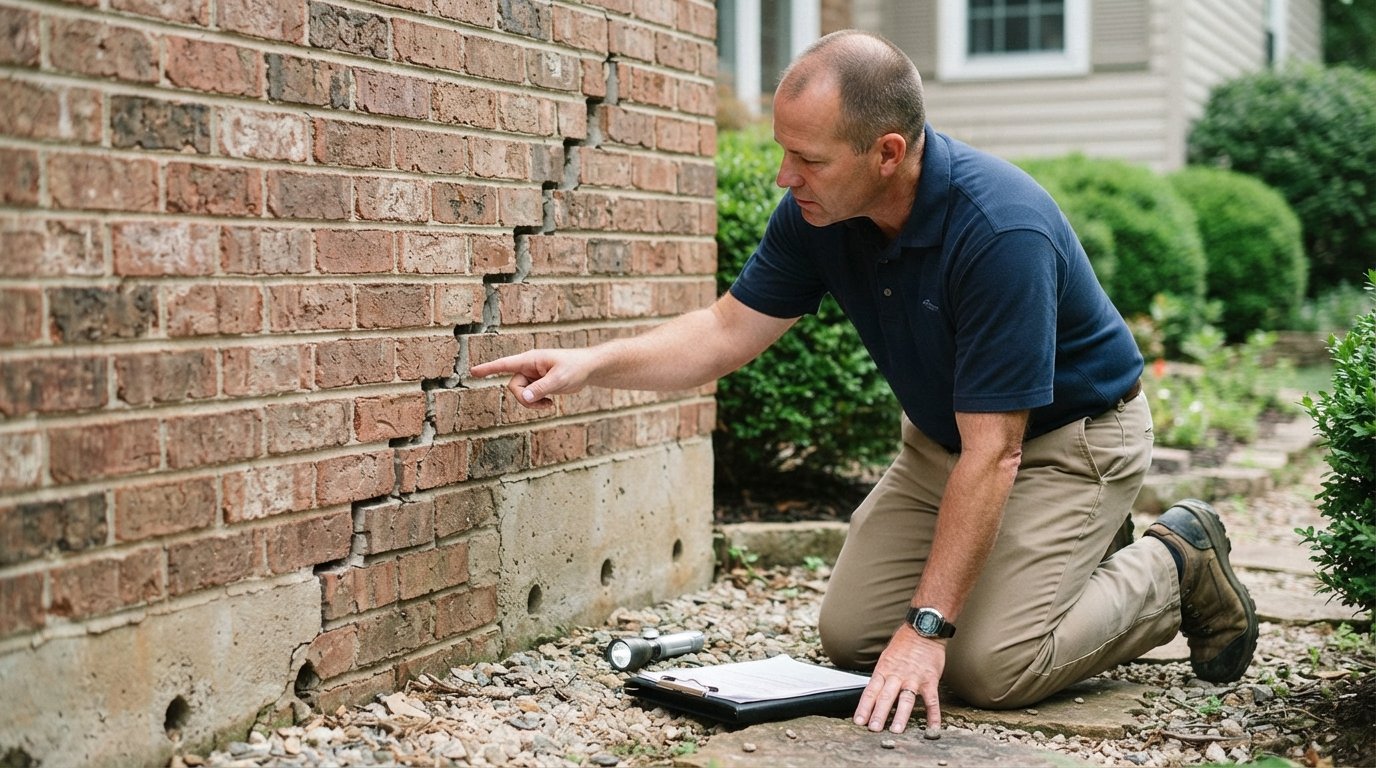
In brick veneer, look for stair-step cracks that follow the mortar joints. These often suggest that the foundation is moving unevenly, putting stress on the brickwork. Similarly, cracks in the slab foundation, especially those wider than 1/8 inch, can allow moisture to enter and weaken the structure. If you see any of these patterns, it is time to consult a professional.
To help you distinguish between harmless and serious cracks, here is a quick reference:
- Vertical cracks: Often caused by shrinkage or minor settling; monitor for changes.
- Horizontal cracks: Serious, as they indicate the foundation wall is being pushed inward by soil pressure.
- Stair-step cracks in brick: A sign of differential settlement; should be evaluated by a structural engineer.
- Cracks wider than 1/4 inch: Typically require immediate attention.
Remember that any crack that appears suddenly or grows rapidly is a cause for concern. Documenting the size and location with photos can help professionals assess the situation. Early detection of these foundation problems warning signs homeowners should not ignore can save you from major structural repairs down the line.
Doors and Windows That Stick: A Settlement Clue You Should Not Overlook
Doors and windows that suddenly become difficult to open or close are another classic sign of foundation movement. When the foundation shifts, the frame of the house can distort, causing doors to jam and windows to stick. This is especially noticeable if it happens in multiple rooms at once. While humidity can cause temporary sticking, persistent issues that worsen over time are a strong indicator of settlement.
Check for gaps around window frames or doors, and see if the locks or latches no longer align. If you have to force a door shut or if a window will not stay open, it is worth investigating further. These symptoms often accompany other signs like cracks in the drywall near the corners of door frames.
In some cases, sticking doors and windows are the first clue that the foundation is settling unevenly. Do not dismiss this as a minor annoyance; it could be one of the foundation problems warning signs homeowners should not ignore. A professional assessment can determine whether the issue is cosmetic or structural.
Drainage, Grading, and Soil Moisture: The Hidden Culprits
Water is the enemy of foundations. Poor drainage and improper grading can lead to soil erosion, expansion, and contraction, all of which put stress on your foundation. If you notice water pooling near the foundation after rain, or if the soil around the house is consistently soggy, it is a red flag. Similarly, downspouts that discharge too close to the foundation can cause water to seep into the soil and weaken the structure.
Soil moisture changes are particularly problematic in areas with clay soil, which expands when wet and shrinks when dry. This cycle can cause the foundation to move and crack. Ensuring that your gutters are clean and downspouts extend at least 6 feet away from the house is a simple preventive measure.
Here are steps to improve drainage and protect your foundation:
- Check the slope of the ground around your home; it should slope away from the foundation at a rate of about 6 inches per 10 feet.
- Install gutter extensions or a French drain if water pools near the foundation.
- Keep soil around the foundation at least 6 inches below the siding to prevent moisture intrusion.
- Consider a sump pump or interior drainage system if your basement is prone to water issues.
Ignoring drainage issues is one of the foundation problems warning signs homeowners should not ignore, as it can lead to costly repairs and mold growth. Addressing water management early is key to maintaining a healthy foundation.
When to Call a Structural Engineer vs. a Foundation Contractor
If you have noticed any of the warning signs above, the next step is to bring in a professional. But who should you call? A structural engineer is a licensed expert who can assess the structural integrity of your home and provide a detailed report on the cause and extent of the problem. They can also recommend repair solutions and ensure that any work meets building codes. On the other hand, a foundation contractor specializes in the actual repair work, such as underpinning, piering, or slab leveling.
In many cases, you may need both: an engineer to diagnose and a contractor to fix. However, for initial concerns, it is often best to start with a structural engineer to get an unbiased opinion. Some foundation contractors offer free inspections, but keep in mind that their recommendations may be influenced by the services they sell.
If you are unsure where to start, consider reaching out to a platform like Repairmen, which connects homeowners with vetted professionals across various trades, including foundation repair. They can help you find qualified experts in your area.
For electrical issues that might accompany foundation problems (such as outlets that no longer work due to shifting walls), see our guide on electrical repair warning signs homeowners should not ignore.
Repair Approaches and What a Typical Assessment Includes
Once a foundation problem is diagnosed, the repair approach will depend on the cause and severity. Common methods include slabjacking (injecting a grout mixture under the slab to lift it), piering (installing steel piers to stabilize the foundation), and wall anchors for bowing walls. The cost can range from a few thousand dollars for minor repairs to tens of thousands for major structural work.
A typical assessment by a foundation contractor or engineer includes a visual inspection of the interior and exterior, checking for cracks, uneven floors, and sticking doors. They may also use a level to measure floor slope, inspect the crawl space or basement for signs of water damage, and take soil samples to determine the soil composition. In some cases, they may recommend a more detailed investigation, such as a soil test or a structural analysis.
After the assessment, you will receive a report outlining the issues and recommended repairs, along with a cost estimate. It is wise to get multiple quotes and ask for references. Remember that addressing foundation problems early is almost always cheaper than waiting until the damage becomes severe.
For homeowners in the Dallas area or other regions, 180 Remodel can connect you with trusted foundation repair specialists. Their network includes licensed contractors who can provide customized quotes and expert advice.
By staying vigilant and recognizing the foundation problems warning signs homeowners should not ignore, you can protect your home and avoid costly surprises. If you suspect foundation issues, do not delay: consult a professional today.