
Why Licensed Remodeling Contractors Matter for Your Home
"*" indicates required fields
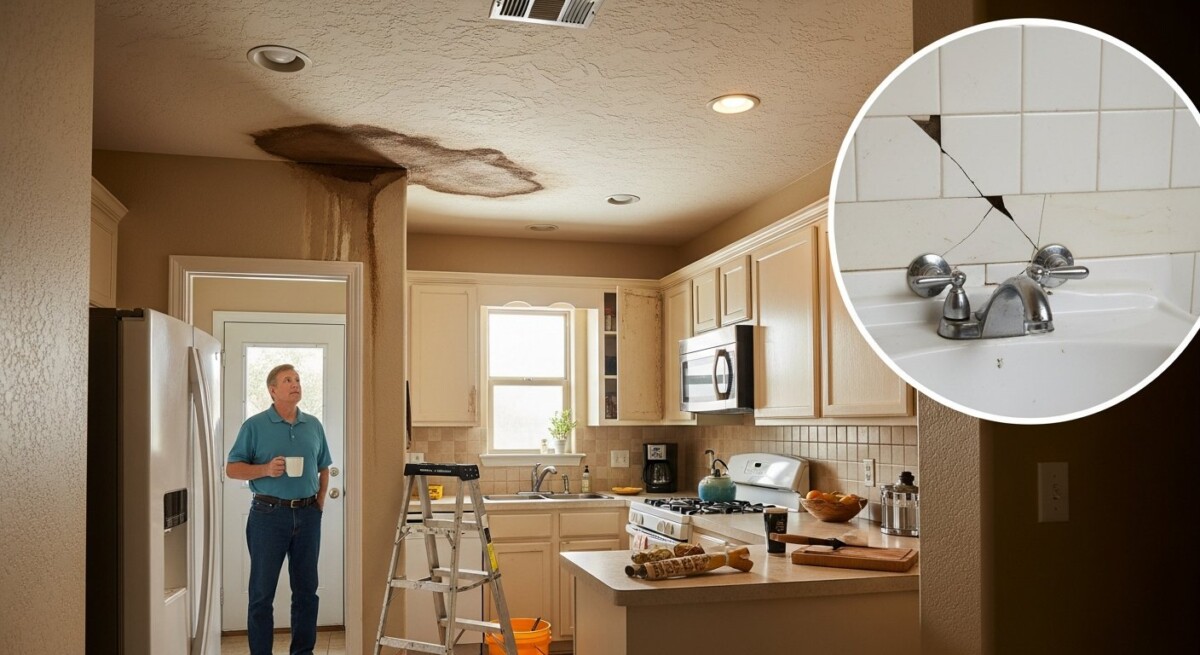
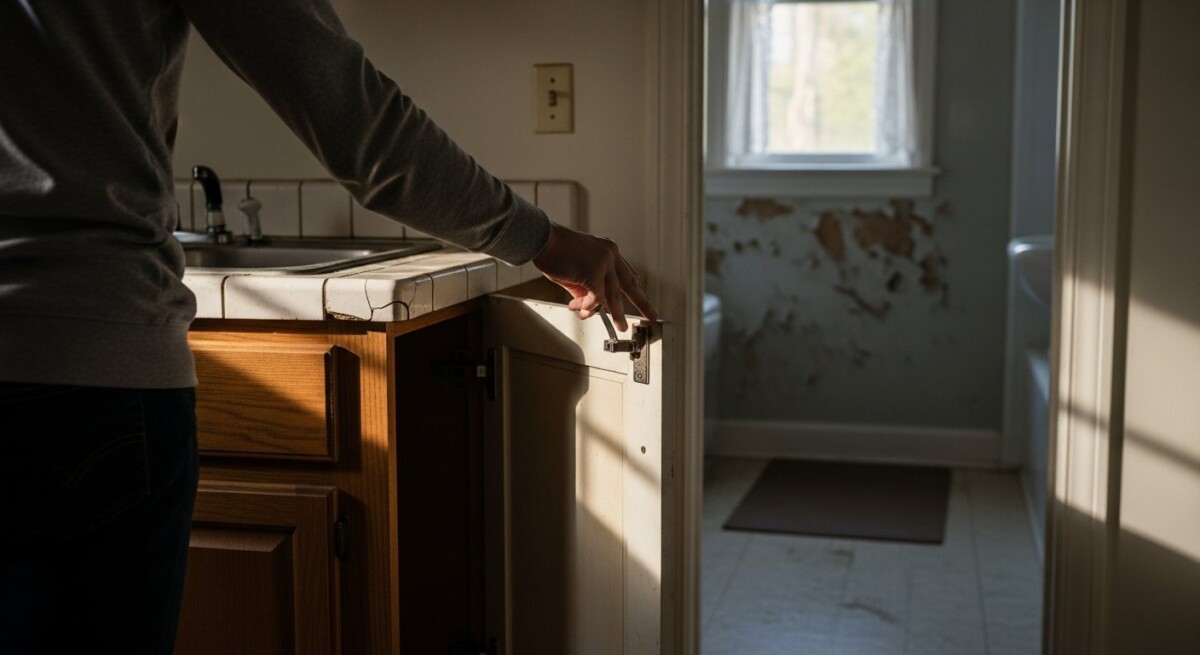
You notice a small crack in the bathroom tile. Or maybe the kitchen sink drains a little slower than it used to. At first, it seems like a minor annoyance, something you can fix with a weekend trip to the hardware store. But weeks pass, and the crack widens. Water stains appear on the ceiling below. Suddenly, that small problem has turned into a costly repair. This is exactly the moment when many homeowners wish they had called a licensed remodeling contractor sooner.
Ignoring early warning signs in your home can lead to bigger issues like structural damage, mold growth, or safety hazards. The good news is that most problems are fixable when you work with a professional who has the right training and credentials. In this article, we’ll walk through what licensed remodeling contractors do, why they matter for your home, and how to find one you can trust.
Understanding Licensed Remodeling Contractors
A licensed remodeling contractor is a professional who has met state or local requirements to perform home improvement work legally. This usually means passing exams, carrying liability insurance, and staying up to date with building codes. Unlike a handyman or an unlicensed worker, a licensed contractor has verifiable credentials that protect you as a homeowner.
Why does this matter? When you hire someone without a license, you take on the risk of shoddy work, incomplete permits, or even liability if a worker gets injured on your property. A licensed contractor, on the other hand, is accountable to a regulatory board. If something goes wrong, you have recourse. It’s a layer of protection that saves you money and stress in the long run.
Most homes can benefit from licensed contractors, but older houses or homes with previous DIY repairs are especially prone to issues. If your home was built before 2000, you may need upgrades to meet modern safety codes. A licensed contractor knows how to navigate these requirements and ensure your renovation is both safe and durable.
Why This Matters for Your Home
Your home is likely your biggest investment. Every repair or remodel you do affects its value, safety, and comfort. When you hire an unlicensed worker, you gamble with all three. A poorly installed roof can leak for years before you notice. An unpermitted electrical job can cause a fire. These aren’t scare tactics,they’re real outcomes that happen when homeowners cut corners.
On the flip side, professional work adds value. A kitchen remodel done by a licensed contractor can increase your home’s resale value by up to 80% of the project cost. Even smaller jobs like replacing windows or updating plumbing pay for themselves over time through energy savings and fewer repairs. The bottom line: paying for quality work upfront is almost always cheaper than fixing mistakes later.
Safety is another huge factor. Licensed contractors follow strict building codes designed to protect you and your family. They know how to handle hazardous materials like asbestos or lead paint. They also carry insurance, so if an accident happens, you’re not left with a medical bill or a lawsuit. That peace of mind is priceless.
If you notice signs of this issue in your home, it may help to speak with a qualified contractor. Request a free quote or call to explore your repair or remodeling options.
Common Problems Homeowners Experience
Homeowners often face a handful of recurring issues that signal it’s time to call a professional. These problems don’t always start big, but they rarely get better on their own. Recognizing them early can save you thousands of dollars.
For example, a leaking faucet might seem like a simple fix, but behind the wall, water could be rotting the subfloor. Likewise, a cracked foundation might look cosmetic, but it can allow moisture and pests into your home. Licensed contractors are trained to spot these hidden dangers.
- Water damage from leaking roofs or pipes
- Cracked or uneven flooring that indicates structural issues
- Outdated electrical systems that can’t handle modern appliances
- Drafty windows and doors that raise energy bills
- Mold or mildew growth in bathrooms or basements
- Poorly installed cabinets or countertops that are already failing
How Professionals Solve the Problem
When you hire a licensed remodeling contractor, you’re not just paying for labor,you’re paying for expertise. They start with a thorough inspection to identify the root cause of the problem. Then they create a plan that addresses both the visible issue and any hidden damage.
Here’s a typical process for a remodeling project:
- Assessment: The contractor inspects the area, takes measurements, and notes any code requirements.
- Planning: They create a detailed scope of work, including materials, timeline, and permits needed.
- Preparation: The work area is cleared, protected, and prepped for construction.
- Execution: Skilled tradespeople complete the work according to the plan and building codes.
- Inspection: Final work is inspected to ensure everything meets safety and quality standards.
This structured approach is why professional work lasts longer and performs better than DIY fixes. A licensed contractor also has access to better materials and tools, which means the job gets done right the first time. If you’re tempted to do it yourself, ask yourself: do you have the time, tools, and knowledge to handle unexpected problems? Often, the answer is no.
A professional inspection can reveal hidden issues before they become expensive repairs. Compare contractor quotes here or call to discuss your project.
Warning Signs You Should Not Ignore
Your home often gives you clues that something is wrong. The trick is knowing which signs are serious and which are just cosmetic. If you see any of the following, it’s time to call a licensed contractor for an evaluation.
Delaying action can turn a small fix into a major renovation. For example, ignoring a small roof leak can lead to rotted rafters, mold in the attic, and damaged insulation. Acting early keeps your repair costs low and your home safe.
- Water stains on ceilings or walls
- Musty odors that suggest hidden moisture
- Doors or windows that stick or won’t close properly
- Cracks in walls, ceilings, or foundation
- Frequent circuit breaker trips or flickering lights
- Visible sagging in floors or rooflines
What Affects the Cost of Repairs or Installation
Remodeling costs vary widely depending on your project, location, and home’s condition. Understanding the factors that drive pricing can help you budget and avoid surprises.
For instance, a bathroom remodel might cost $10,000 to $30,000 depending on the size and materials. A roof replacement can run $5,000 to $15,000. The biggest cost drivers are labor, materials, and the complexity of the job. Older homes often require more work because they may have outdated wiring, plumbing, or structural issues.
Accessibility also matters. A second-story bathroom renovation costs more than a ground-floor one because of the extra labor and safety precautions. Similarly, if your home has a crawlspace instead of a basement, plumbers and electricians may charge more for difficult access.
Costs can vary depending on the condition of your home. The best way to know the price is to get a personalized estimate. Request free quotes from contractors or call today.
How to Choose the Right Contractor
Finding a trustworthy contractor doesn’t have to be stressful. With a few simple steps, you can vet candidates and pick the best one for your project.
Start by asking for recommendations from neighbors or friends who have had similar work done. Online reviews are helpful, but take them with a grain of salt,look for consistent patterns rather than one-off complaints. Once you have a shortlist, follow these tips:
- Verify their license and insurance. Ask for proof and check with your state’s licensing board.
- Read customer reviews on sites like Google, Yelp, or the Better Business Bureau.
- Ask for detailed estimates that break down labor, materials, and permits.
- Compare multiple quotes (3,5 is ideal) to understand market rates.
- Confirm experience with projects similar to yours, especially if you have an older home.
Trust your gut. If a contractor pressures you to sign a contract immediately or asks for full payment upfront, that’s a red flag. Good contractors are happy to answer questions and provide references.
Long-Term Benefits of Professional Work
Investing in a licensed remodeling contractor pays off for years to come. Professional work is built to last, which means fewer repairs and less maintenance over time. You also get the peace of mind that comes from knowing everything is up to code.
Energy efficiency is another big benefit. New windows, insulation, and HVAC systems installed by professionals can lower your utility bills by 20,30%. Over a decade, that adds up to significant savings. Plus, energy-efficient upgrades often qualify for tax credits or rebates.
Finally, professional work boosts your home’s resale value. When you sell, buyers and appraisers will notice the quality of your renovations. A kitchen or bathroom done by a licensed contractor can be a major selling point, helping you command a higher price.
In our guide on residential remodeling contractors, we explain how professional renovations protect your home’s value. Similarly, why insured remodeling contractors are essential covers the safety and financial protections you get. If you’re ready to start a project, our tips on hiring local remodeling contractors can help you find the right fit.
FAQs
What is the difference between a licensed contractor and a handyman?
A licensed contractor has passed state exams and carries insurance and bonds. A handyman typically works on small jobs and may not have a license or insurance. For major remodeling, always choose a licensed contractor for better protection and quality.
Do I need a permit for my remodeling project?
Most structural, electrical, plumbing, and HVAC changes require a permit. Your licensed contractor should handle the permitting process for you. Unpermitted work can cause problems when you sell your home.
How much does it cost to hire a licensed remodeling contractor?
Costs vary by project, but expect to pay $50,$150 per hour or a flat project fee. Bathroom remodels average $10,000,$30,000, while kitchen remodels range from $15,000,$50,000. Always get multiple quotes to compare.
Can I save money by doing the demolition myself?
It might seem like a good idea, but DIY demolition can damage underlying structures or expose you to hazards like asbestos. Licensed contractors include demo in their scope and handle disposal properly. You’re better off letting them do it.
How long does a typical remodel take?
Small projects like a bathroom remodel take 2,4 weeks. Kitchen remodels take 4,8 weeks. Larger renovations like a basement or whole-home remodel can take 2,6 months. Timelines depend on the complexity and permits.
What should I look for in a contractor’s estimate?
A good estimate includes a clear scope of work, material costs, labor charges, permit fees, and a payment schedule. Avoid estimates that are vague or significantly lower than others,they may hide extra costs later.
Is it safe to hire a contractor without a license?
No. Unlicensed workers aren’t insured, so you’re liable if they get hurt on your property. They also may not follow building codes, which can lead to safety hazards and legal issues when you sell your home.
How do I verify a contractor’s license?
Check with your state’s contractor licensing board online. Most states have a searchable database where you can confirm a license number, expiration date, and any complaints. It takes just a few minutes.
Your home deserves care from professionals who understand the complexity of remodeling. Whether you need a small repair or a full renovation, working with a licensed remodeling contractor protects your investment and gives you lasting results. Don’t wait until a small problem becomes a big one,compare quotes from trusted contractors today to find the best solution for your home.

About Alex Carter
"*" indicates required fields