How to Compare Remodeling Estimates Like a Pro
"*" indicates required fields
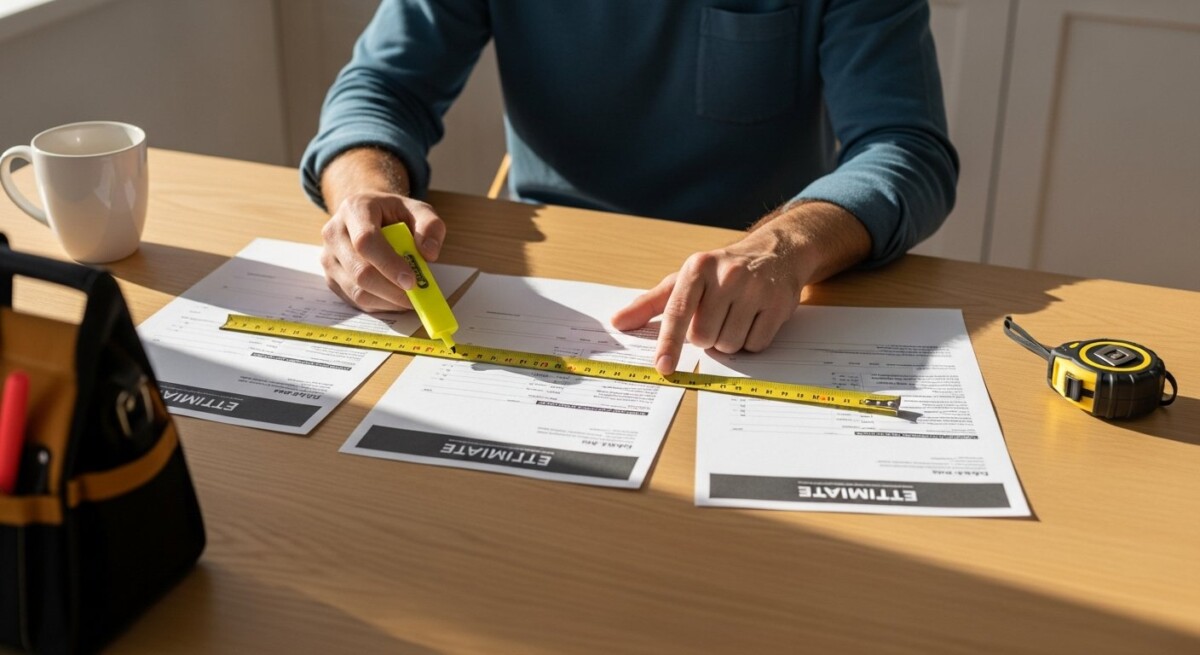
You finally decided to remodel your kitchen. You called three contractors, sat through the walkthroughs, and now you have three different estimates sitting on your kitchen table. One is shockingly low. One is painfully high. And one is somewhere in between. Which one do you choose? If you pick the cheapest, will you regret it? If you pick the most expensive, are you just paying for a fancy truck? This is the exact moment where knowing how to compare remodeling estimates can save you thousands of dollars and months of headaches. Ignoring the differences between these numbers is one of the fastest ways to end up with a half-finished project, surprise costs, or shoddy work that needs to be redone.
Understanding how to compare remodeling estimates
Comparing remodeling estimates is the process of reviewing multiple contractor bids side by side to understand what each one includes, what it leaves out, and where the real value lies. It is not about picking the lowest number. It is about understanding exactly what you are getting for your money. Many homeowners make the mistake of looking only at the bottom line, which often leads to budget overruns when hidden fees or missing line items surface mid-project.
This challenge affects almost every homeowner planning a renovation, whether it is a bathroom update, a basement finish, or a new roof. Older homes tend to produce more variable estimates because hidden issues like outdated wiring or water damage are common. But even newer homes can surprise you when contractors interpret the scope of work differently. The key is knowing what to look for in each estimate so you can make an apples-to-apples comparison.
What a good estimate should include
A professional estimate should be detailed and transparent. It should list materials, labor, permits, cleanup, and a timeline. If an estimate is just a single number on a napkin, that is a red flag. You want line items that tell you exactly where your money is going. This clarity is what makes comparing remodeling estimates possible in the first place.
Why this matters for your home
Choosing the wrong contractor based on a poorly compared estimate can lead to serious consequences. The most common risk is property damage caused by substandard work. For example, a low bid for a bathroom remodel might skip proper waterproofing, leading to mold and rot behind your new tiles. Fixing that later will cost far more than hiring a qualified contractor upfront.
Safety is another major concern. Electrical work, structural changes, and plumbing all require licensed professionals. If you choose a contractor who cuts corners to offer a low price, you could end up with fire hazards, leaks, or even code violations that make your home unsafe to live in. Delaying the decision while you figure out how to compare remodeling estimates properly is far better than rushing into a bad deal.
If you notice signs of this issue in your home, it may help to speak with a qualified contractor. Request a free quote or call to explore your repair or remodeling options.
Common problems homeowners experience
When homeowners fail to compare remodeling estimates carefully, they often run into the same frustrating problems. The most common is the infamous “change order.” A contractor gives you a low initial number, but once the work starts, they tell you that the materials you picked cost more, or that the wall had to be torn down further than expected. Suddenly, your budget is blown.
Another frequent issue is inconsistent scope of work. One contractor may include premium tile and another may budget for basic ceramic, yet both write “tile installation” on the estimate. Without reading the fine print, you might think they are offering the same thing. This is why learning how to compare remodeling estimates line by line is essential for protecting your investment.
- Hidden fees for disposal, permits, or travel that were not mentioned upfront
- Vague descriptions like “install flooring” without specifying brand, grade, or square footage
- Different payment schedules that can leave you paying too much before work is finished
- Missing warranty information on labor or materials
- Unclear timelines that lead to projects dragging on for weeks longer than expected
- Use of generic terms like “standard fixtures” when you expected a specific model
How professionals solve the problem
Experienced contractors know that homeowners are often overwhelmed by multiple bids. That is why reputable professionals provide clear, itemized estimates that break down every cost. They also explain the reasoning behind their numbers, so you understand why one approach costs more than another. This transparency is the hallmark of a contractor you can trust.
When you work with a professional, the process typically follows a standard sequence that protects both you and them. Here is what you can expect:
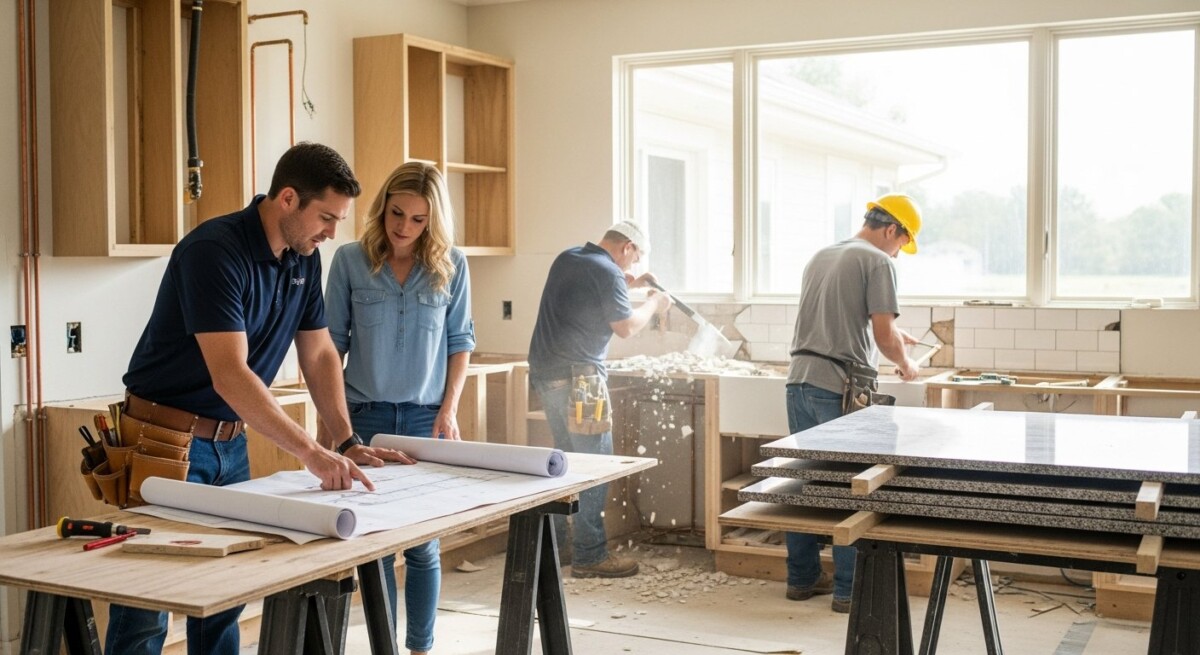
- Initial consultation: The contractor visits your home, listens to your goals, and takes measurements or photos.
- Detailed scope of work: They provide a written document describing exactly what will be done, including materials, brands, and finishes.
- Itemized estimate: You receive a breakdown of costs for labor, materials, permits, and any subcontractor fees.
- Timeline and payment schedule: The contractor outlines when work will start, key milestones, and when payments are due.
- Warranty and insurance verification: They provide proof of insurance and explain what is covered under their workmanship warranty.
Professional work is almost always safer and more reliable than a DIY approach or hiring an unlicensed handyman. Licensed contractors carry insurance, pull permits, and follow local building codes. This means if something goes wrong, you are protected. If you try to save money by skipping these steps, you take on all the risk yourself.
A professional inspection can reveal hidden issues before they become expensive repairs. Compare contractor quotes here or call to discuss your project.
Warning signs you should not ignore
Your home often gives you clues that it needs attention. When it comes to remodeling, some warning signs indicate that you should start gathering estimates sooner rather than later. The earlier you catch these issues, the more options you will have and the less likely you are to face emergency repairs that force you into a rushed decision.
Learning how to compare remodeling estimates is much easier when you are not under pressure. If you wait until a pipe bursts or a roof starts leaking, you may feel forced to accept the first contractor who can start immediately. That rarely ends well. Pay attention to these early indicators:
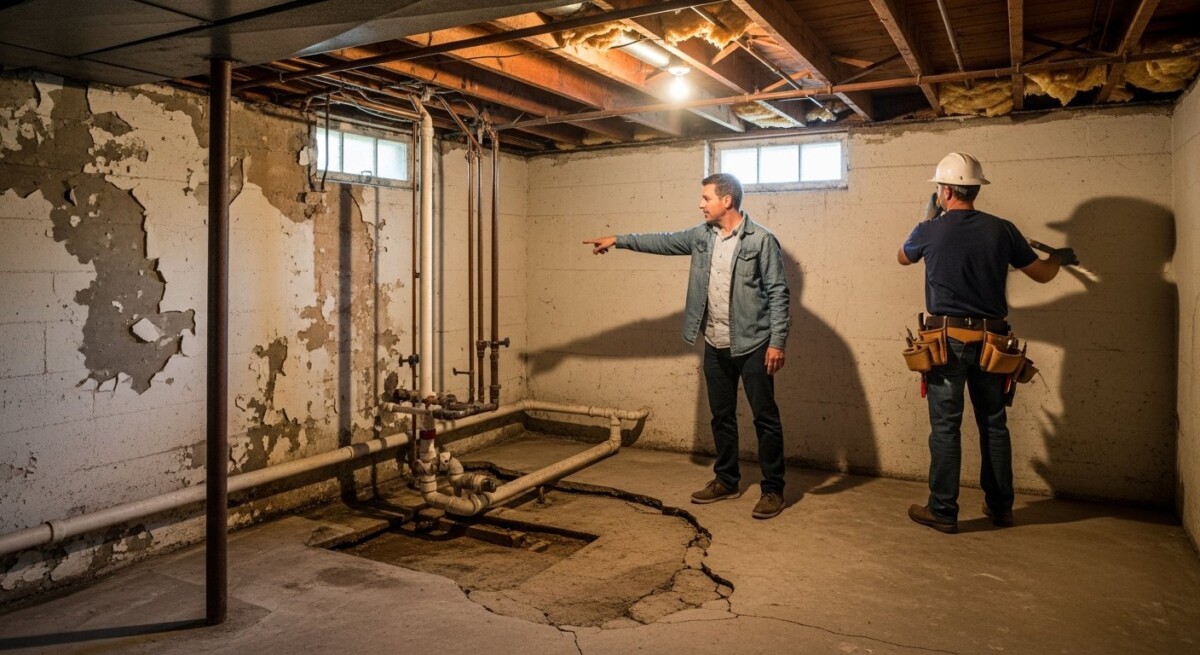
- Cracks in walls or ceilings that grow over time, suggesting foundation or structural movement
- Water stains or peeling paint, which often indicate hidden leaks or poor ventilation
- Outdated electrical panels or frequent breaker trips, signaling a system that can’t handle modern loads
- Drafty windows or uneven heating and cooling, pointing to insulation or window issues
- Mold or musty odors in basements or bathrooms, usually from moisture problems
- Doors that stick or don’t close properly, often a sign of shifting foundations or humidity damage
What affects the cost of repairs or installation
The cost of any remodeling project depends on several factors, and understanding these will help you compare remodeling estimates more effectively. The size of the project is the most obvious factor. A full kitchen remodel will always cost more than a partial update because it involves more materials, labor, and time. But even within the same project type, prices can vary wildly.
Material selection is another major driver. Custom cabinetry, quartz countertops, and premium tile cost significantly more than stock options. Labor rates also differ based on your location, the complexity of the work, and the contractor’s experience level. Accessibility matters too,a bathroom on the third floor of a walk-up will cost more to remodel than one on the ground floor. Finally, the age of your home can introduce surprises like lead paint, asbestos, or outdated wiring that must be addressed before work can proceed. These factors are why comparing remodeling estimates without context is misleading.
Costs can vary depending on the condition of your home. The best way to know the price is to get a personalized estimate. Request free quotes from contractors or call today.
How to choose the right contractor
Choosing the right contractor is just as important as comparing estimates. A great price means nothing if the contractor disappears mid-project or does work that fails inspection. Start by verifying that every contractor you consider is licensed, insured, and bonded. This protects you if someone gets injured on your property or if the work is defective.
Next, read online reviews and ask for references from recent clients. Pay attention to comments about communication, timeliness, and whether the project stayed on budget. A contractor with a history of happy clients is far more likely to deliver a good experience. Finally, trust your gut. If a contractor is pushy, vague, or unwilling to answer your questions, move on.
- Confirm they have a valid license for your state and local jurisdiction
- Ask for proof of general liability and workers’ compensation insurance
- Read at least 10 recent reviews on Google, Yelp, or the Better Business Bureau
- Request at least three detailed, itemized estimates before making a decision
- Verify they have experience with projects similar to yours in size and scope
Long-term benefits of professional work
Investing in professional remodeling work pays off in many ways over the long term. First, professional work is safer. Licensed contractors follow building codes that are designed to protect your family from fire, electrical shock, and structural failure. You also get durability,professionally installed materials last longer and perform better, which means you won’t have to repair or replace them in a few years.
Energy efficiency is another major benefit. A professional contractor can recommend and install windows, insulation, and HVAC systems that reduce your utility bills. Over time, those savings can offset the initial cost of the project. Finally, quality remodeling adds real value to your home. If you ever decide to sell, a well-done kitchen or bathroom renovation can increase your resale price and help your home sell faster.
What is the most important thing to look for when comparing remodeling estimates?
The most important thing is the level of detail. A good estimate lists every material, every labor task, and every permit or fee. If an estimate is vague or uses broad terms like “install flooring” without specifying the product, it is impossible to compare accurately. Always ask for clarification before signing.
Should I always choose the lowest estimate?
No. The lowest estimate often means the contractor cut corners on materials, insurance, or labor. It may also indicate they missed something in the scope of work, which will lead to change orders later. Instead of focusing on price alone, look for the best value,fair pricing combined with clear scope and strong references.
How many remodeling estimates should I get?
Three is the standard number. Getting three estimates gives you a good sense of the market rate without overwhelming you with options. If all three are wildly different, you may need to get a fourth to identify the outlier. Stick with contractors who provide similar levels of detail.
What should I do if two estimates are similar but one is much higher?
Ask the higher-priced contractor to explain their numbers. They may be using premium materials, including better warranties, or planning for contingencies that the others skipped. If their explanation makes sense and you value those extras, the higher price may be worth it. If not, you can confidently move on.
Can I negotiate a remodeling estimate?
You can ask, but don’t expect deep discounts from reputable contractors. Most professionals price their work based on real costs and a fair profit margin. If you try to negotiate too aggressively, you may push them to cut corners. Instead, ask if there are alternative materials or simpler designs that could bring the cost down without sacrificing quality.
How do I know if a contractor is reliable?
Check their license, insurance, and online reviews. Ask for references and call them. Reliable contractors also respond promptly, show up on time for appointments, and communicate clearly. If a contractor is hard to reach or gives evasive answers, that is a red flag.
What happens if the actual cost exceeds the estimate?
A good contract should include a clause about change orders. If unexpected issues arise, the contractor should notify you and get your approval before proceeding with additional work and costs. Never pay for extras without written authorization. This is why comparing remodeling estimates that include contingency allowances is wise.
Do I need permits for my remodeling project?
In most cases, yes. Permits are required for structural changes, electrical work, plumbing, and major renovations. A reputable contractor will handle the permitting process for you. If a contractor suggests skipping permits to save money, consider that a major warning sign and look elsewhere.
Your home is one of your biggest investments, and remodeling is a significant decision. Taking the time to learn how to compare remodeling estimates properly will save you stress, money, and regret. Start gathering quotes from qualified contractors today, and compare them side by side before you commit. The right contractor is out there, and with a little patience, you will find them.

About Alex Carter
"*" indicates required fields