
How to Choose a Remodeling Contractor for Your Home
"*" indicates required fields
You finally decided it’s time to remodel that outdated kitchen or add a new bathroom. You’ve saved up, picked out tile samples, and scrolled through countless inspiration photos. But now you face the hardest part of any home improvement project: finding someone you can trust to do the work. Choosing the wrong contractor can turn your dream renovation into a costly nightmare, while the right one makes the entire process smooth and stress-free. Learning how to choose a remodeling contractor is the single most important step you’ll take in protecting your investment, your timeline, and your sanity.
Understanding How to Choose a Remodeling Contractor
Choosing a remodeling contractor isn’t just about picking the lowest bid or the friendliest salesperson. It’s about finding a qualified professional who understands your home’s structure, follows local building codes, and delivers quality work that lasts. A good contractor acts as your partner, managing the project from start to finish so you don’t have to worry about permits, subcontractors, or supply delays.
This process matters for every type of home improvement, whether you’re updating a single room or undertaking a whole-house renovation. Older homes often need contractors who specialize in historic structures, while newer builds may require experts in modern materials and energy-efficient systems. No matter your situation, the goal remains the same: hire someone who protects your home and your budget.
Why This Matters for Your Home
Hiring the wrong remodeling contractor can lead to shoddy workmanship, code violations, and even structural damage that costs thousands to fix. Unlicensed or uninsured contractors may leave you liable for injuries on your property or walk away mid-project with your money. These risks aren’t just inconvenient,they can decrease your home’s value and create safety hazards for your family.
On the flip side, a professional contractor ensures your renovation meets safety standards, uses durable materials, and adds real equity to your home. They handle permits, inspections, and unexpected issues that crop up behind walls or under floors. When you invest time in learning how to choose a remodeling contractor, you’re investing in the long-term comfort, safety, and value of your home.
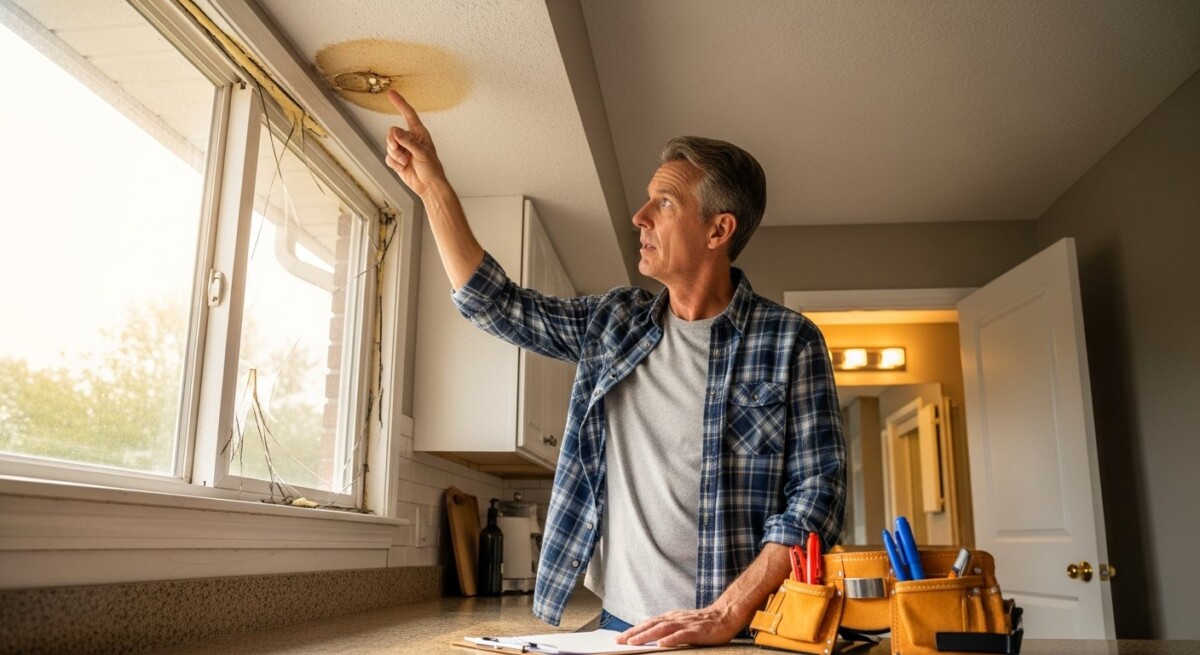
If you notice signs of this issue in your home, it may help to speak with a qualified contractor. Request a free quote or call (555) 123-4567 to explore your repair or remodeling options.
Common Problems Homeowners Experience
Even well-intentioned homeowners often make the same mistakes when hiring a contractor. They rush to book the first available crew, skip checking references, or sign a contract without reading the fine print. These shortcuts frequently lead to budget overruns, unfinished work, and frustrating delays that could have been avoided with a little upfront research.
Many homeowners also struggle to communicate their vision clearly, leading to misunderstandings about materials, timelines, and final costs. Without a detailed written agreement, disputes become common. Understanding how to choose a remodeling contractor helps you avoid these pitfalls by equipping you with the right questions and screening methods.
- Contractor disappears mid-project without completing the work
- Final bill far exceeds the original estimate due to hidden fees
- Poor workmanship that requires expensive repairs later
- Permits not pulled, resulting in fines or inspection failures
- Unlicensed workers causing damage or safety violations
- Delays caused by poor project management or subcontractor scheduling
How Professionals Solve the Problem
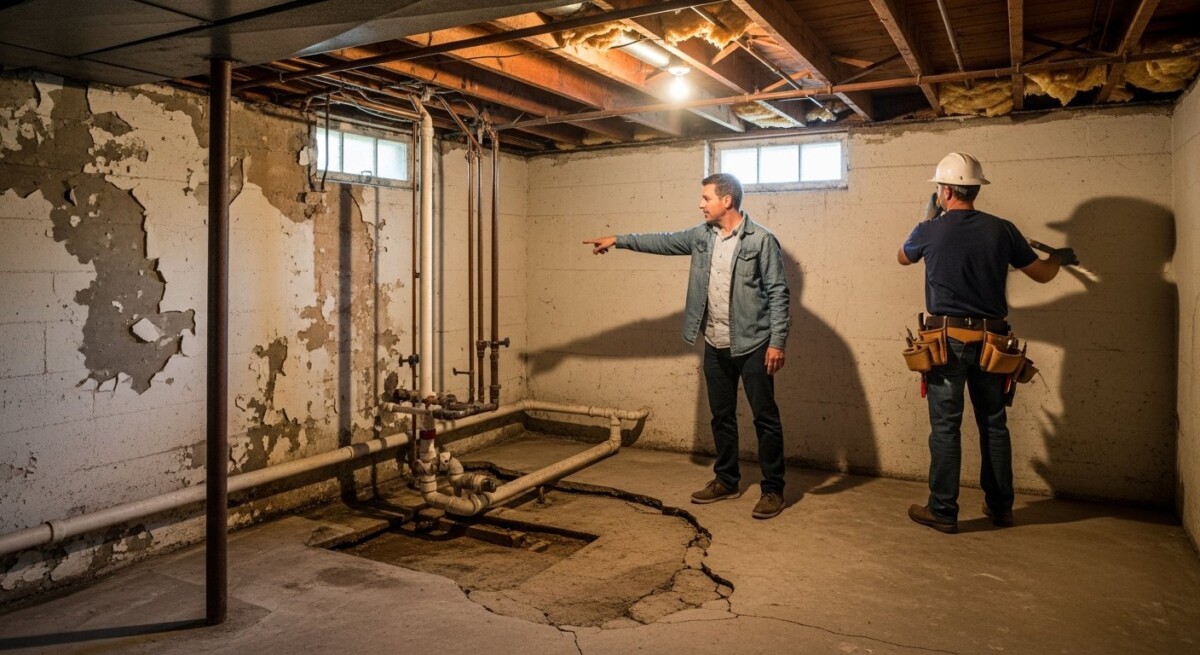
Experienced remodeling contractors follow a proven process that protects your home and delivers predictable results. They start with a thorough site evaluation to identify structural issues, electrical needs, and potential obstacles. This upfront assessment prevents surprises and allows for accurate pricing.
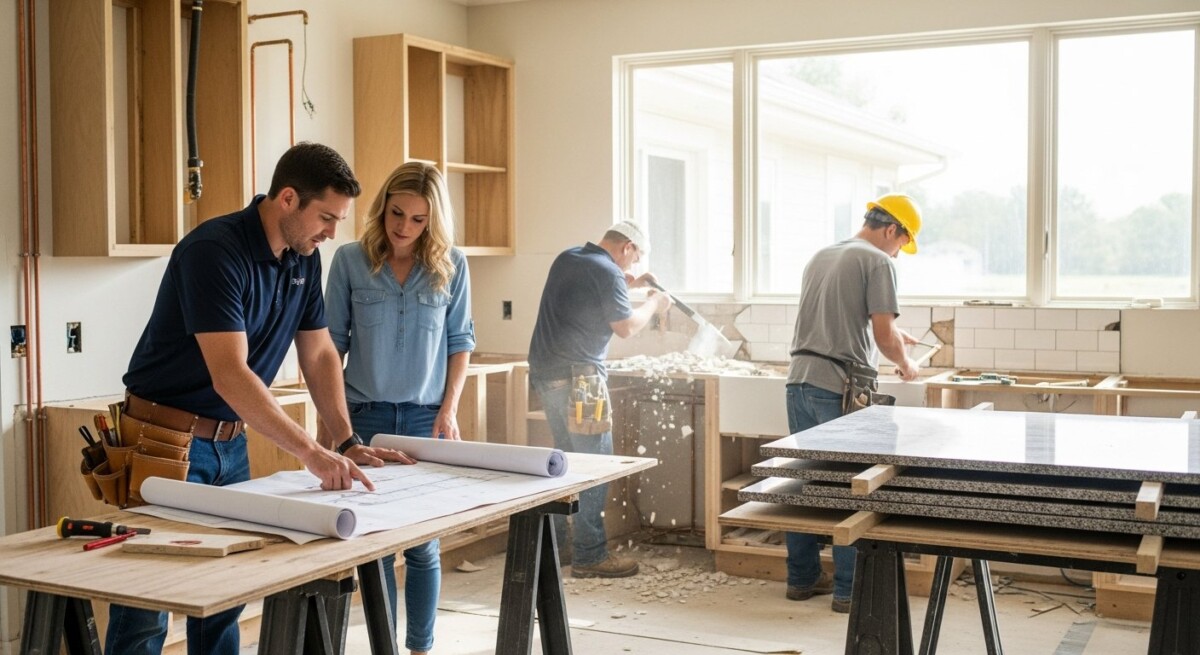
Once the project begins, professionals coordinate every trade,plumbers, electricians, carpenters,so work flows smoothly without costly gaps. They handle permits and inspections, ensuring everything meets local codes. In our guide on how residential remodeling contractors protect your home value, we explain how this systematic approach saves you time and money while improving your home’s resale potential.
- Initial consultation and detailed scope of work
- Permit application and material ordering
- Demolition and site preparation
- Structural, electrical, and plumbing rough-in
- Finishing work including flooring, cabinetry, and paint
- Final inspection and walk-through with homeowner
A professional inspection can reveal hidden issues before they become expensive repairs. Compare contractor quotes here or call (555) 123-4567 to discuss your project.
Warning Signs You Should Not Ignore
Recognizing red flags early can save you from hiring the wrong contractor. Pay attention during your initial conversations,if a contractor avoids answering questions, pressures you to sign quickly, or demands full payment upfront, consider it a warning. Reputable professionals welcome transparency and encourage you to take your time deciding.
Also watch for vague estimates that don’t break down materials and labor, or contractors who refuse to provide proof of insurance and licensing. These omissions often indicate inexperience or a lack of proper business practices. Learning how to choose a remodeling contractor means trusting your instincts and walking away when something feels off.
- Contractor asks for a large deposit before starting any work
- No physical business address or verifiable phone number
- Unable to provide references from recent projects
- Verbally promises changes but won’t put them in writing
- Shows up late to meetings or misses appointments without notice
- Offers a price that seems too good to be true
What Affects the Cost of Repairs or Installation
Several factors influence how much your remodeling project will cost. The size and complexity of the job are the biggest drivers,a full kitchen remodel costs significantly more than a bathroom refresh. Material choices also play a major role, with custom cabinetry, natural stone, and high-end fixtures adding to the total.
Labor rates vary by region and trade, and projects that require structural changes or electrical upgrades typically demand higher-skilled workers. The age and condition of your home matter too; older homes often hide surprises like outdated wiring, asbestos, or rot that add time and expense. Getting multiple quotes helps you understand fair pricing for your specific project.
Costs can vary depending on the condition of your home. The best way to know the price is to get a personalized estimate. Request free quotes from contractors or call (555) 123-4567 today.
How to Choose the Right Contractor
Start by asking friends, neighbors, and local hardware stores for referrals. Online platforms like the Better Business Bureau and Angi can provide reviews and ratings, but always verify claims by checking recent references. A contractor with years of local experience is often a safer bet than someone who just started advertising in your area.
Once you have three to five candidates, request detailed written estimates that include materials, labor, permits, and cleanup. Compare not just the bottom line but what’s included,a higher bid may reflect better materials or more thorough work. Trust your gut during interviews; choose someone who listens to your ideas, answers questions clearly, and makes you feel confident.
- Verify state licensing and liability insurance coverage
- Read recent online reviews and check for complaint history
- Ask for at least three references from similar projects
- Get a detailed written contract before any money changes hands
- Confirm they will pull all required permits for your area
Long-Term Benefits of Professional Work
Hiring a professional remodeling contractor pays dividends long after the dust settles. Quality workmanship means your new kitchen, bathroom, or addition will stand up to daily use without cracking, leaking, or failing. Properly installed materials and systems also improve energy efficiency, lowering your utility bills month after month.
Equally important, professional renovations increase your home’s resale value. Buyers pay a premium for updated kitchens, finished basements, and modern bathrooms,especially when the work was done with permits and professional oversight. When you learn how to choose a remodeling contractor the right way, you’re not just improving your home; you’re making a smart financial investment.
What questions should I ask a remodeling contractor before hiring?
Ask about their experience with projects like yours, how they handle unexpected issues, and who will be on-site daily. Request proof of licensing, insurance, and a list of recent references. A reliable contractor will answer these questions openly and provide written documentation.
How many quotes should I get for my remodeling project?
Most experts recommend getting at least three detailed quotes from different contractors. This gives you a clear picture of market rates and helps you spot unusually low or high bids. Compare the scope of work included, not just the total price.
What should be included in a remodeling contract?
A thorough contract includes the project scope, materials list, payment schedule, start and completion dates, and warranty information. It should also specify who pulls permits and how change orders will be handled. Never sign a contract with blank spaces or vague language.
How do I verify a contractor’s license and insurance?
Ask for their license number and check it with your state’s licensing board website. Request a certificate of insurance that shows general liability and workers’ compensation coverage. Call the insurance provider to confirm the policy is active.
Should I pay a deposit before work starts?
A small deposit (10,20% of the total) is normal to secure materials and scheduling. Avoid contractors who demand full payment upfront or cash-only deals. Staged payments tied to completed milestones protect you from financial loss.
Can I remodel my home myself to save money?
DIY projects can save money on labor, but they come with risks like code violations, safety hazards, and lower quality results. Complex work like electrical, plumbing, and structural changes is best left to licensed professionals. Mistakes often cost more to fix than hiring a pro initially.
How long does a typical home remodel take?
Timelines vary widely by project size. A bathroom remodel usually takes 3,5 weeks, while a full kitchen can take 6,12 weeks. Your contractor should provide a realistic schedule upfront and communicate any delays promptly.
What if I’m not happy with the work during the project?
Address concerns immediately with your contractor in writing. Most issues can be resolved through open communication and a clear change order process. If disputes persist, refer to your contract’s dispute resolution clause or contact your state’s contractor licensing board.
Choosing the right remodeling contractor doesn’t have to be overwhelming. By doing your research, asking the right questions, and comparing multiple quotes, you set your project up for success from day one. Take the time to find a professional who values quality and communication as much as you do. Then compare contractor quotes online or call (555) 123-4567 to speak with a trusted remodeling expert today.

About Alex Carter
"*" indicates required fields