When to Remodel Your House: Key Signs and Smart Timing
"*" indicates required fields
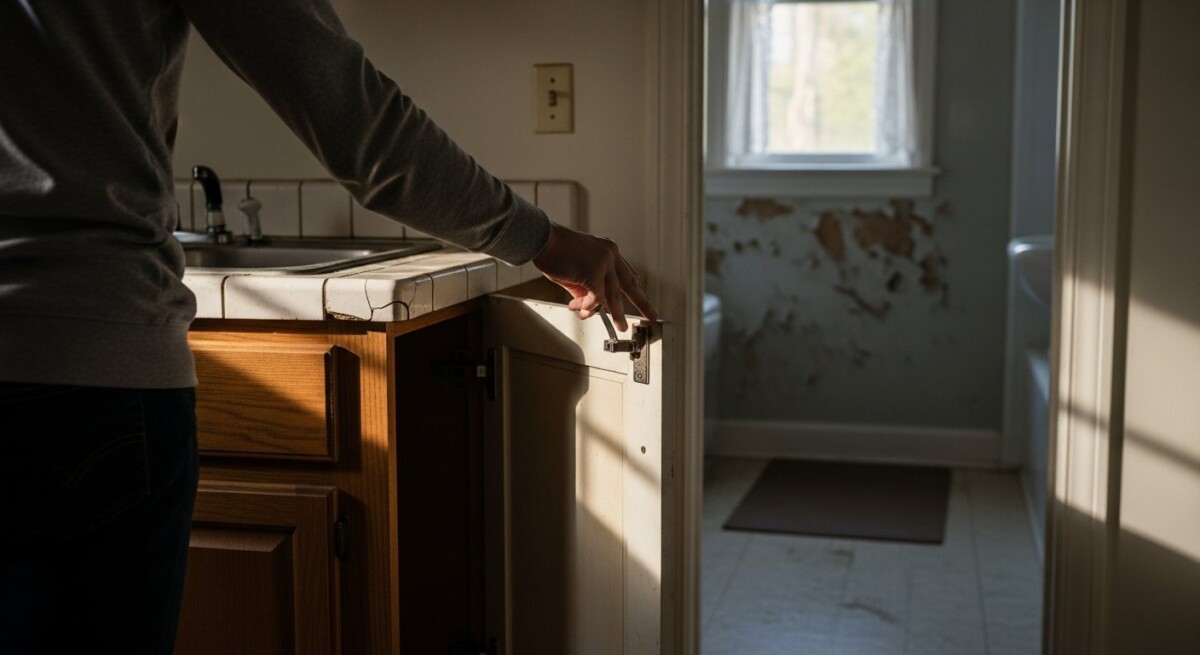
You walk into your kitchen one morning and notice the cabinet door is hanging by a single hinge. Or maybe you step into the bathroom and the tile floor feels spongy under your feet. These small signs often start as minor annoyances, but they can quickly turn into costly problems if you ignore them. Knowing when to remodel house isn’t just about keeping up with trends,it’s about protecting your biggest investment and making sure your home stays safe, comfortable, and functional for your family.
Many homeowners discover these issues gradually. A crack here, a draft there, a room that never feels quite right. The problem grows quietly until one day you realize the repair is no longer simple. That’s exactly why understanding when to remodel house is so important. Acting early can save you thousands of dollars and prevent major disruptions to your daily life.
Understanding When to Remodel House
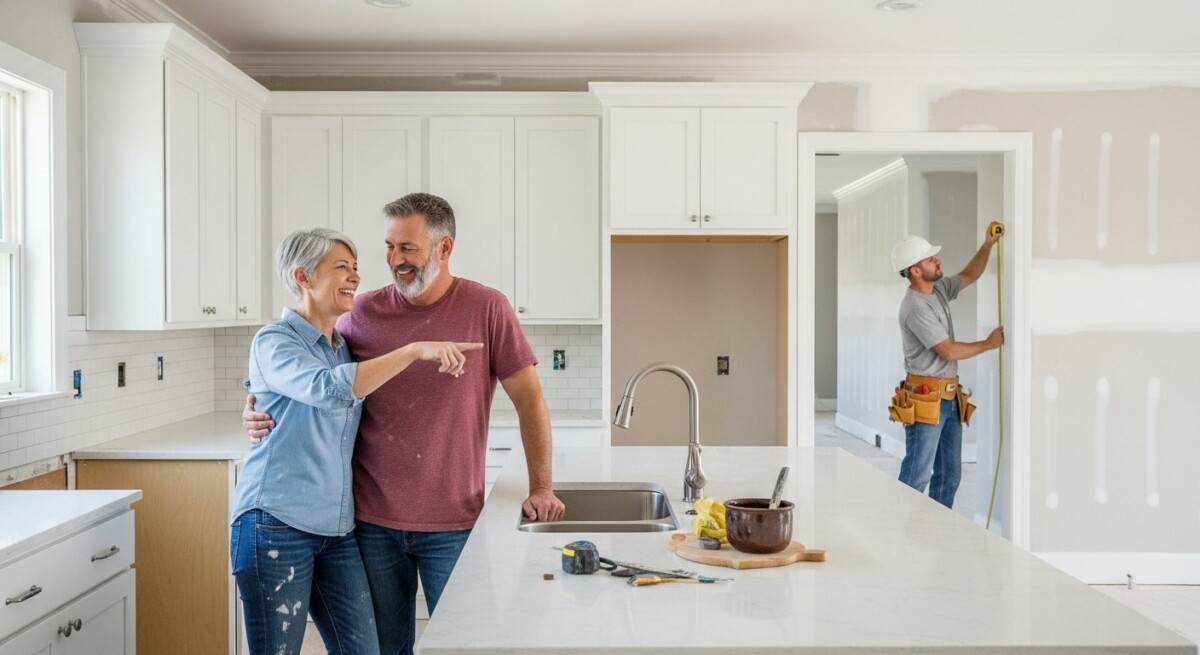
Remodeling your home means updating or repairing parts of your house that are worn out, outdated, or no longer meet your needs. It’s not the same as a full renovation, which often involves gutting entire rooms. Instead, remodeling focuses on specific areas,like a kitchen, bathroom, or basement,to improve their function, appearance, or safety.
The question of when to remodel house comes down to a few key factors: age of the materials, visible wear and tear, performance problems, and changes in how you use your home. Homes that are 20 years or older often show signs that remodeling is overdue, but newer homes can also need updates if materials were low-quality or if the previous owner cut corners.
Homes in climates with extreme weather,hot summers, cold winters, or high humidity,tend to need remodeling sooner because materials age faster. If you live in an area with frequent storms or temperature swings, your roof, windows, and siding may need attention earlier than expected.
Why Timing Matters
Timing isn’t just about convenience. It directly affects the cost and complexity of your project. Tackling a remodel when the problem is small,like replacing a few damaged shingles,costs far less than waiting until water has rotted the underlying structure. Similarly, updating an outdated electrical panel before it fails is safer and cheaper than dealing with an emergency outage or fire hazard.
Why This Matters for Your Home
Ignoring the signs that it’s time to remodel can lead to serious consequences. The most obvious is property damage. A small leak under the sink can eventually rot the floor, damage cabinets, and even lead to mold growth inside your walls. What could have been a $500 plumbing repair can balloon into a $5,000 restoration project.
Safety is another major concern. Old wiring, cracked foundations, or failing HVAC systems don’t just cause inconvenience,they put your family at risk. Electrical fires, carbon monoxide leaks, and structural collapses are rare, but they happen more often in homes where obvious problems were ignored year after year.
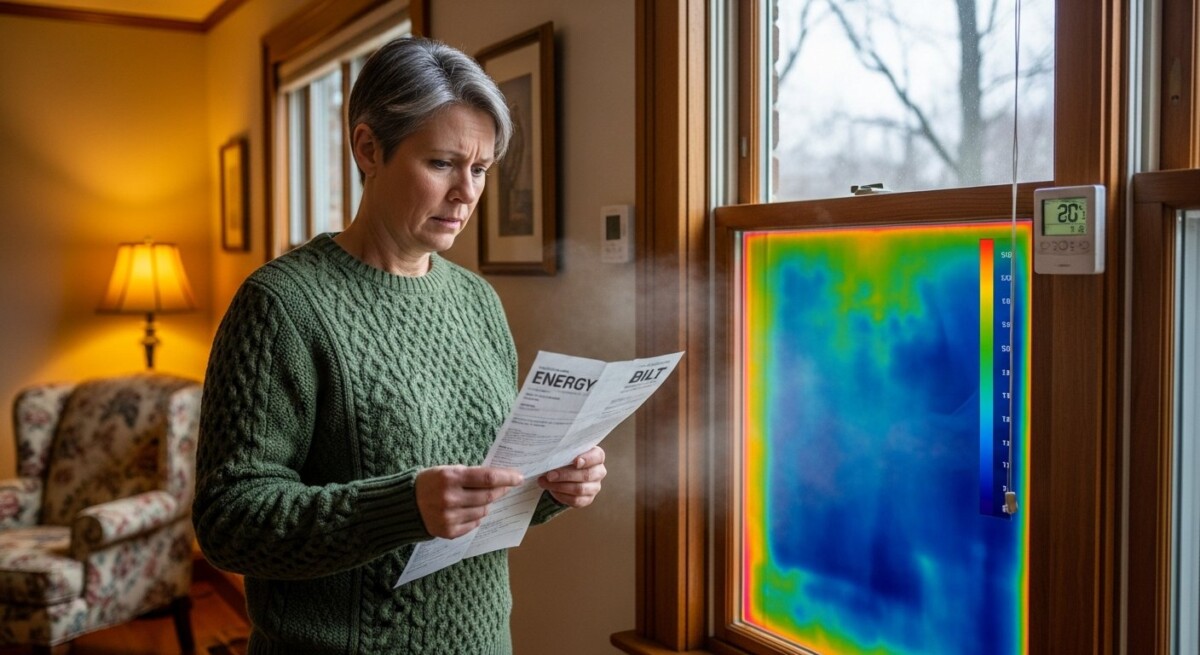
Comfort also suffers when your home is overdue for a remodel. Drafty windows, uneven floors, and poor insulation make it harder to enjoy your space. You end up paying higher energy bills while feeling less comfortable in your own home. That’s not just frustrating,it’s a waste of money you could have invested in a proper remodel.
If you notice signs of this issue in your home, it may help to speak with a qualified contractor. Request a free quote or call 555-123-4567 to explore your repair or remodeling options.
Common Problems Homeowners Experience
Homeowners often see the same patterns when their house is ready for a remodel. These issues show up in different rooms, but they all point to the same conclusion: it’s time to take action.
- Visible damage: Cracks in walls or ceilings, peeling paint, water stains, and warped flooring are clear signs that materials are failing.
- Performance problems: Doors that stick, windows that won’t open, or toilets that run constantly indicate that parts of your home are wearing out.
- Structural concerns: Sagging floors, bowing walls, or a roof that dips in the middle suggest bigger problems beneath the surface.
- Aging materials: Old plumbing, outdated wiring, and worn-out roofing materials can fail at any time, causing sudden damage.
- Energy inefficiency: High utility bills, drafts near windows, and rooms that never feel comfortable often mean your home needs better insulation or newer windows.
- Outdated design: Layouts that don’t fit your lifestyle anymore,like a cramped kitchen or a bathroom with no accessible shower,are good reasons to consider remodeling.
Each of these problems can be fixed, but the longer you wait, the more complicated the repair becomes. A small crack in drywall might just need patching today, but if it’s caused by a foundation issue, ignoring it could lead to major structural work later.
How Professionals Solve the Problem
Experienced contractors approach a remodel differently than a homeowner trying to DIY. They start with a thorough inspection to identify not just the visible problem, but any hidden issues that could affect the project. This step is critical because many homeowners only see the surface damage and miss the root cause.
-
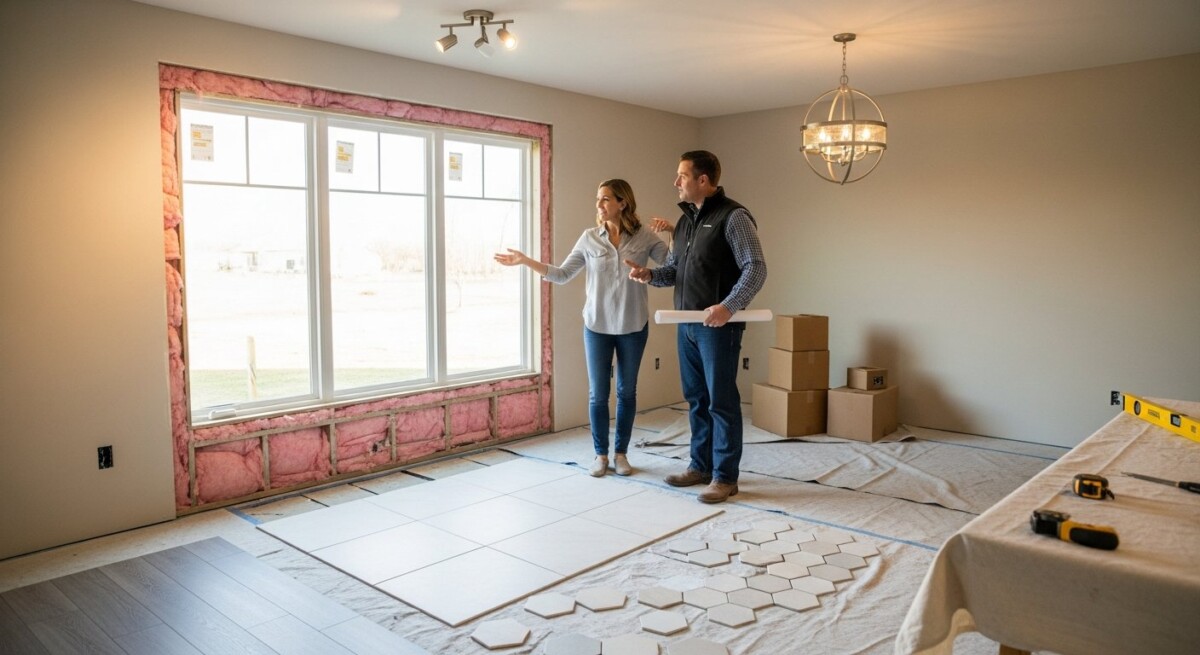
- Assessment and planning: The contractor evaluates the scope of work, checks for underlying damage, and creates a detailed plan. This includes measuring the space, checking for permits, and ordering materials.
- Demolition and preparation: Old materials are removed carefully to avoid damaging surrounding areas. The work area is prepped for new installation, including any necessary repairs to the structure.
- Installation or construction: New materials are installed according to industry standards. This may involve plumbing, electrical work, framing, drywall, flooring, and finishing touches.
- Inspection and cleanup: The contractor checks all work for quality and safety, then cleans up the job site so your home is ready to use.
Professional work is safer and more reliable than DIY for several reasons. Contractors carry insurance, so if something goes wrong, you’re not personally liable. They also know local building codes, which means your remodel will pass inspection and won’t cause problems when you sell your home. Plus, professionals finish the job faster because they have the right tools and experience.
A professional inspection can reveal hidden issues before they become expensive repairs. Compare contractor quotes here or call 555-123-4567 to discuss your project.
Warning Signs You Should Not Ignore
Not all signs are obvious. Some problems develop slowly, and homeowners get used to them. But if you see any of these warning signs, don’t wait,schedule a professional inspection as soon as possible.
-
-
- Water stains on ceilings or walls: This usually means a leaky roof or pipe. Left untreated, it can lead to mold and structural rot.
- Musty odors or visible mold: These indicate moisture problems behind walls or under floors. Mold can cause health issues and is expensive to remediate.
- Frequent circuit breaker trips: Your electrical system may be overloaded or outdated. This is a fire risk that needs immediate attention.
- Cracks in the foundation: Small hairline cracks are common, but larger or widening cracks suggest shifting soil or structural failure.
- Windows that are hard to open or close: This can mean the frame is warped or the foundation has settled, putting pressure on the window.
- Uneven floors: If you notice slopes or dips, it could indicate foundation problems, rotting joists, or termite damage.
-
Early action can prevent these issues from becoming major headaches. A simple repair today might save you from a full home restoration next year. If you spot any of these signs, don’t assume they’ll go away on their own. They won’t.
What Affects the Cost of Repairs or Installation
The cost of a remodel varies widely depending on several factors. Understanding these can help you budget realistically and avoid surprises.
Size of the project is the biggest factor. A small bathroom remodel might cost a few thousand dollars, while a full kitchen renovation can run $20,000 or more. The more square footage you’re covering, the more materials and labor you’ll need.
Materials also play a huge role. High-end finishes like quartz countertops, hardwood flooring, and custom cabinets cost significantly more than budget options like laminate or vinyl. Your choice of materials should balance your budget with the look and durability you want.
Labor requirements depend on the complexity of the work. Simple projects like replacing flooring might take a few days, while a full bathroom remodel involving plumbing, electrical, and tile work can take weeks. Specialized trades like electricians and plumbers charge more per hour than general laborers.
Accessibility of the work area matters too. If your contractor has to work around existing furniture, navigate narrow hallways, or deal with limited parking, the job will take longer and cost more. Similarly, homes with older construction methods or unusual layouts may require extra time to modify.
Age of the home can increase costs significantly. Older homes often have hidden problems like outdated wiring, lead paint, or asbestos that must be addressed before remodeling can begin. These issues add to both the timeline and the budget.
Costs can vary depending on the condition of your home. The best way to know the price is to get a personalized estimate. Request free quotes from contractors or call 555-123-4567 today.
How to Choose the Right Contractor
Finding the right contractor can feel overwhelming, but a few simple steps can help you make a confident choice. Start by asking for recommendations from friends, family, or neighbors who have had similar work done. Online reviews on sites like Google and Angi can also give you a sense of a contractor’s reputation.
Once you have a few names, take the time to verify their credentials. A good contractor will be licensed, insured, and willing to provide references. Don’t skip this step. Working with an unlicensed contractor can leave you liable for accidents or substandard work.
-
-
- Check licenses and insurance: Make sure the contractor is licensed to work in your state and carries general liability insurance and workers’ compensation.
- Read customer reviews: Look for recent reviews that mention the contractor’s communication, timeliness, and quality of work.
- Ask for detailed estimates: A good estimate breaks down materials, labor, and other costs. Avoid contractors who give vague quotes.
- Compare multiple quotes: Get at least three quotes to understand the market rate for your project. The lowest bid isn’t always the best,look for value, not just price.
- Confirm experience with similar projects: Ask if they’ve done work like yours before. A contractor who specializes in kitchens will do a better job than one who mostly builds decks.
-
Taking these steps will help you find a contractor who is trustworthy and capable. A little research upfront can save you from headaches later.
Long-Term Benefits of Professional Work
Investing in a professional remodel pays off in many ways. The most immediate benefit is improved safety. New wiring, updated plumbing, and sturdy materials reduce the risk of accidents and emergencies. You and your family can enjoy your home without worrying about hidden dangers.
Durability is another key advantage. Professional contractors use high-quality materials and follow industry best practices, which means your remodel will last longer. A properly installed roof, for example, can last 20,30 years, while a DIY patch job might fail in a few seasons. Over time, that durability saves you money on repairs and replacements.
Energy efficiency is a bonus that keeps on giving. New windows, better insulation, and modern HVAC systems reduce your utility bills and make your home more comfortable year-round. Many homeowners see a 15,30% drop in energy costs after a comprehensive remodel. Plus, homes with energy-efficient features sell faster and at higher prices.
Finally, a professional remodel increases your home’s resale value. Bathrooms and kitchens are the two rooms that offer the best return on investment, often recouping 60,80% of the cost when you sell. Even if you’re not planning to move, knowing your home is worth more gives you peace of mind and financial flexibility.
Reduced future maintenance is the cherry on top. Professional work is done right the first time, so you won’t have to fix the same problem again next year. That means more weekends spent relaxing and fewer trips to the hardware store.
Frequently Asked Questions
How do I know when it’s time to remodel my house?
Look for visible damage like cracks, water stains, or warped flooring. Also pay attention to performance issues like sticking doors, high energy bills, or rooms that never feel comfortable. If your home is more than 20 years old and hasn’t been updated, it’s worth having a professional inspection.
What is the best time of year to remodel a house?
Spring and fall are usually the best times because the weather is mild, which makes it easier for contractors to work and for materials to cure. However, interior remodels can be done year-round. Winter often offers lower prices because demand is lower, but schedules may be tighter due to holidays.
Should I remodel or move?
Consider remodeling if you like your neighborhood, your home has good bones, and the cost of the remodel is less than moving. Moving involves realtor fees, closing costs, and the hassle of packing. If the repairs needed are cosmetic or focused on one or two rooms, remodeling is often the smarter choice.
How much does a house remodel cost on average?
Costs vary widely based on the size of the project, materials, and location. A minor kitchen remodel averages $15,000,$30,000, while a major kitchen renovation can run $40,000,$70,000. Bathroom remodels typically cost $7,000,$20,000. The best way to know is to get multiple quotes from contractors.
Can I live in my house during a remodel?
It depends on the scope of work. For small projects like a single bathroom or kitchen update, you can usually live in the house with some adjustments. For major remodels involving multiple rooms or structural work, you may need to stay elsewhere for a few weeks. Talk to your contractor about what to expect.
What permits do I need for a house remodel?
Permit requirements vary by city and county. Most structural changes, electrical work, plumbing, and major additions require permits. Your contractor should handle the permit process, but it’s wise to confirm they will. Working without permits can lead to fines and problems when you sell your home.
How long does a typical house remodel take?
A small bathroom remodel usually takes 2,3 weeks. A kitchen remodel takes 4,8 weeks. A full house remodel can take 3,6 months or more, depending on the scope. Delays can happen due to material shortages or unforeseen issues, so build some flexibility into your timeline.
How do I find a reliable contractor for my remodel?
Start by asking friends and family for recommendations. Check online reviews on platforms like Google and Angi. Always verify licenses and insurance, and ask for references from recent projects. Get at least three quotes and compare them carefully before making a decision.
Knowing when to remodel house is the first step toward protecting your home and improving your quality of life. Small problems rarely fix themselves, but they are often easy and affordable to address when caught early. Don’t wait until a minor issue turns into a major crisis. Reach out to a professional contractor, get a few quotes, and take the first step toward a safer, more comfortable, and more valuable home. The sooner you act, the more options you’ll have.

About Alex Carter
"*" indicates required fields