What Happens If Remodel Goes Over Budget: A Homeowner’s Guide
"*" indicates required fields
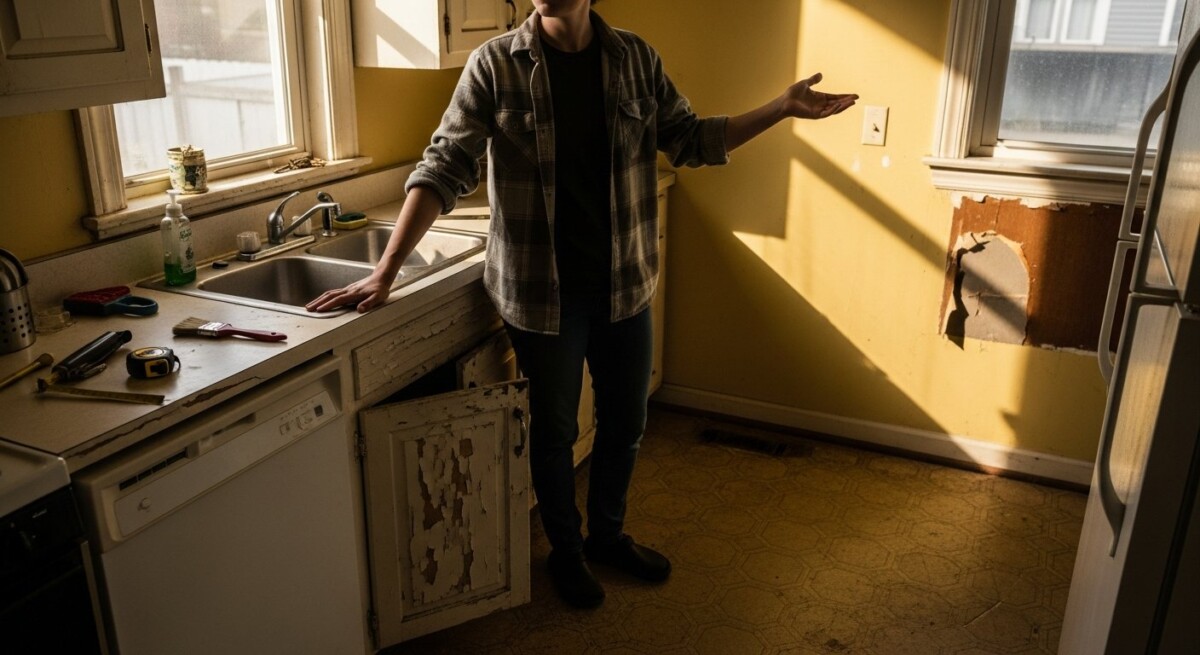
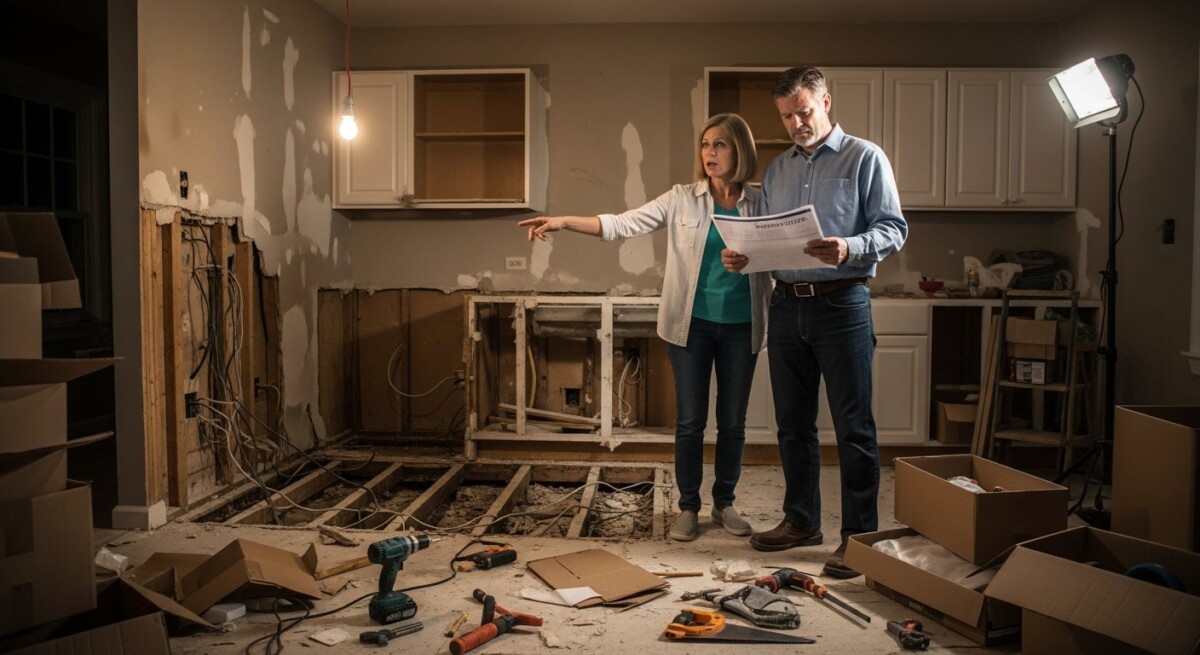
You planned the kitchen remodel carefully. You saved for months, picked out the perfect cabinets, and thought you had a solid budget. Then the contractor called with bad news: the subfloor is rotted, the electrical panel needs an upgrade, and the custom countertops cost more than expected. Suddenly, your dream renovation is turning into a financial nightmare. This scenario is alarmingly common, and understanding what happens if remodel goes over budget can save you from sleepless nights and empty bank accounts. Ignoring the signs of a budget overrun often leads to unfinished projects, stress, and even lower home value.
Understanding What Happens If Remodel Goes Over Budget
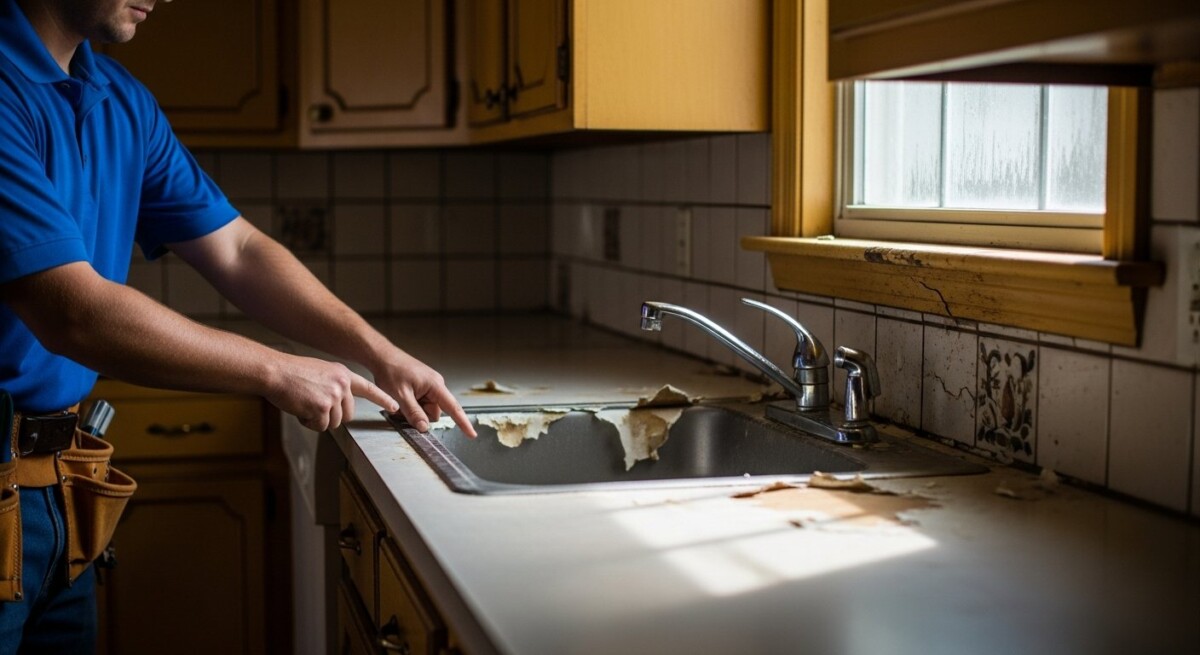
A remodel goes over budget when the actual costs exceed your original estimate. This usually happens because of hidden issues discovered during demolition, changes in material prices, or unexpected labor needs. For example, a simple bathroom update can reveal water damage behind the walls, requiring new plumbing and drywall.
Older homes are especially vulnerable. A house built before 1980 might have outdated wiring, lead paint, or asbestos that must be handled by specialists. Even newer homes can surprise you with poor craftsmanship or unpermitted additions. When you don’t plan for these surprises, your budget gets stretched thin, and you may run out of money before the work is done.
Why This Matters for Your Home
Going over budget isn’t just about money. It can leave your home in a dangerous or uncomfortable state. A half-finished kitchen might have exposed wires or no running water. A stalled bathroom remodel could mean using a portable toilet for weeks. These conditions affect your family’s safety and daily life.
Financially, the impact can be severe. You might have to pause the project, leaving your home partially torn apart. Or you could take out high-interest loans to finish the work, hurting your credit. In the worst cases, unfinished renovations can actually decrease your home’s resale value. Buyers see a partial remodel as a liability, not an asset.
If you notice signs of this issue in your home, it may help to speak with a qualified contractor. Request a free quote or call to explore your repair or remodeling options.
Common Problems Homeowners Experience
When a remodel goes over budget, homeowners often face a cascade of problems. The most immediate issue is stress,financial strain and disrupted living conditions take a toll on your mental health. You might argue with your spouse about spending more or worry about how to pay the next invoice.
Practical problems follow. Contractors may walk off the job if they aren’t paid on time. Suppliers might refuse to deliver materials for a project that’s behind on payments. You could end up with a half-installed floor, missing fixtures, or a roofless addition. These issues compound quickly, turning a 6-week project into a 6-month ordeal.
- Stalled construction that leaves your home in disrepair
- Increased stress and strain on family relationships
- Difficulty securing additional financing or loans
- Lower resale value due to unfinished or poorly completed work
- Potential legal disputes with contractors over payment
- Loss of trust in the remodeling process
How Professionals Solve the Problem
Experienced contractors know how to prevent budget overruns before they happen. They start with a thorough inspection of your home, identifying potential issues like old wiring, mold, or structural weaknesses. This upfront detective work means fewer surprises later.
- Detailed estimate: A professional breaks down every cost,materials, labor, permits, and a contingency fund (usually 10,20% of the total). This gives you a realistic picture from the start.
- Fixed-price contract: Many contractors offer a fixed price for the scope of work, protecting you from cost increases unless you change the plan.
- Change order process: If you decide to upgrade or add something, the contractor provides a written change order with the new cost before proceeding. You approve it in writing, so there are no surprises.
- Phased approach: If the budget is tight, a professional can break the project into phases. You finish one area completely before starting the next, reducing financial pressure.
Professional work is safer and more reliable than DIY fixes because contractors carry insurance, follow building codes, and have relationships with suppliers. They can also spot problems you might miss, like inadequate ventilation or load-bearing walls that shouldn’t be moved.
A professional inspection can reveal hidden issues before they become expensive repairs. Compare contractor quotes here or call to discuss your project.
Warning Signs You Should Not Ignore
Your home often sends signals that a remodel is going off track. Learning to recognize these signs early can save you thousands of dollars. Pay attention to changes in your contractor’s behavior, the condition of the worksite, and your own gut feeling.
For example, if your contractor keeps asking for more money before completing a milestone, that’s a red flag. Similarly, if the project timeline keeps slipping without good reason, you might be heading for a budget overrun. Trust your instincts,if something feels off, it probably is.
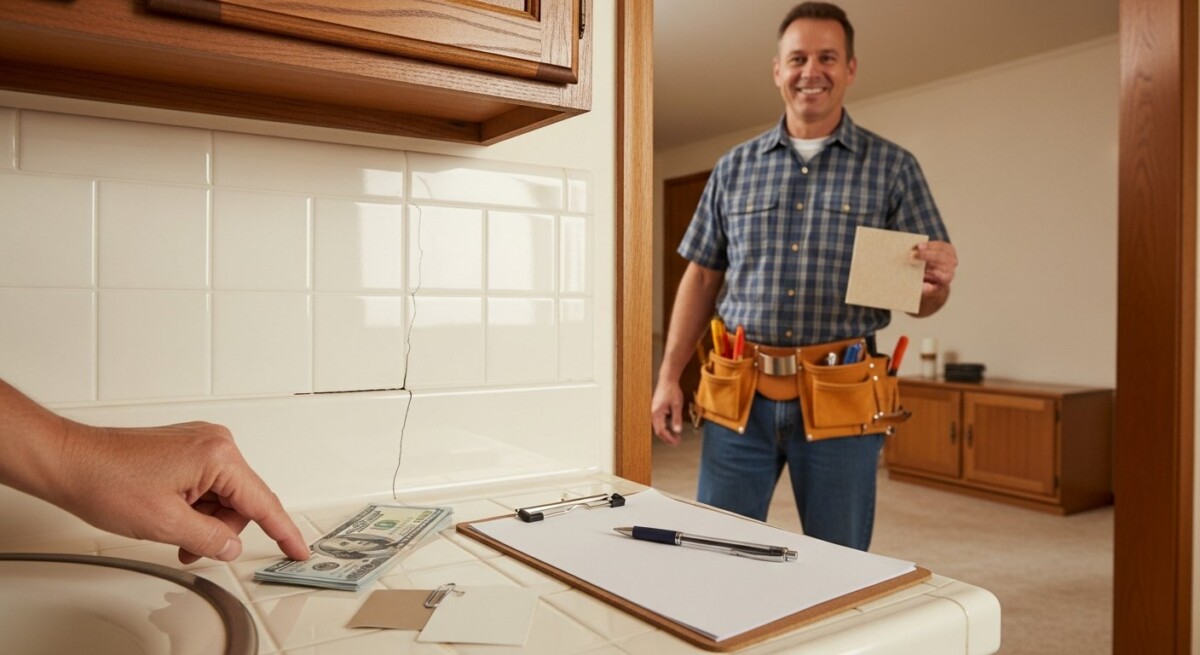
- Your contractor requests large cash payments or refuses to provide written invoices
- The project timeline extends by weeks without explanation
- You notice substandard materials being used or workmanship that looks sloppy
- Your contractor stops communicating or avoids answering your calls
- You discover unpermitted work that could lead to fines or legal issues
- Your original estimate seems too good to be true (it probably is)
What Affects the Cost of Repairs or Installation
Several factors influence how much a remodel actually costs, and understanding them helps you budget more accurately. The size of the project matters,a full kitchen renovation costs more than a cabinet refacing. But even small jobs can get expensive if they uncover hidden problems.
Materials play a huge role. Custom cabinetry, natural stone countertops, and high-end fixtures cost significantly more than stock options. Labor costs vary by region and the complexity of the work. For example, moving load-bearing walls or installing new HVAC systems requires specialized skills and permits.
Accessibility is another factor. A bathroom on the second floor is harder to work on than a ground-floor room. Older homes often have non-standard sizes or outdated systems that require custom solutions. All these variables affect the final price.
Costs can vary depending on the condition of your home. The best way to know the price is to get a personalized estimate. Request free quotes from contractors or call today.
How to Choose the Right Contractor
Selecting the right contractor is the most important step in avoiding budget overruns. A good contractor is transparent about costs, communicates clearly, and has a track record of finishing projects on time. Don’t rush this decision,your home and your wallet depend on it.
Start by asking friends, family, or neighbors for recommendations. Then interview at least three contractors. Ask about their experience with projects like yours, and request references from recent clients. A reputable contractor will gladly provide them.
- Verify that the contractor is licensed and insured in your state
- Read online reviews on sites like Google, Yelp, or the Better Business Bureau
- Ask for a detailed written estimate that includes materials, labor, and contingency
- Compare at least three quotes to understand the market rate for your project
- Confirm the contractor has experience with the specific type of remodel you’re planning
Long-Term Benefits of Professional Work
Hiring a professional contractor isn’t just about avoiding budget overruns,it’s an investment in your home’s future. Quality work lasts longer, performs better, and requires less maintenance. That means fewer repairs and lower costs over time.
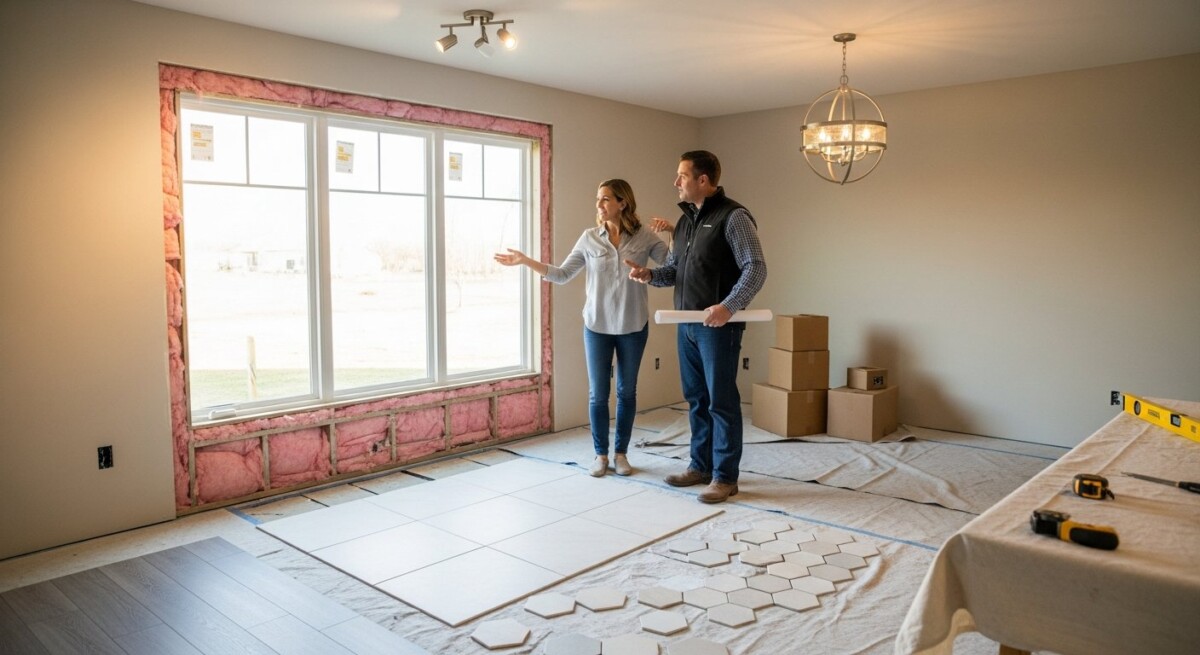
Professional remodels also increase your home’s value. A well-done kitchen or bathroom can recoup 60,80% of its cost at resale, according to industry studies. Energy-efficient upgrades, like new windows or insulation, lower your utility bills and make your home more comfortable year-round.
Beyond the numbers, there’s the peace of mind that comes from knowing the job was done right. You won’t lie awake worrying about leaks, electrical fires, or structural failures. Professional work protects your biggest asset,your home.
Frequently Asked Questions
What is the average cost overrun for a home remodel?
Most home remodels go over budget by 10,20% of the original estimate. This is why experts recommend setting aside a contingency fund of at least 10,15% before starting any project. The risk of overrun is higher for older homes or projects that involve structural changes.
Can I stop a remodel if I run out of money?
Yes, you can pause a remodel, but it’s not ideal. Stopping mid-project leaves your home in an unfinished state, which can be unsafe and inconvenient. It’s better to plan ahead with a realistic budget and a contingency fund to avoid this situation.
How do I handle a contractor who wants more money mid-project?
First, review your contract to see if the extra costs are justified. If the contractor discovered an unexpected issue, like mold or faulty wiring, additional charges may be reasonable. If the request seems unfair, ask for a written explanation and consider getting a second opinion from another professional.
What happens if a remodel goes over budget and I can’t pay?
If you can’t pay, the contractor may stop work and place a lien on your home. This means you could face legal action or have trouble selling the property. To avoid this, communicate with your contractor early and explore options like a home equity loan or payment plan.
Is it worth remodeling on a tight budget?
Yes, but you need to prioritize. Focus on high-impact, low-cost improvements like painting, refinishing floors, or updating hardware. Avoid major structural changes or moving plumbing unless you have a comfortable cushion in your budget.
How can I prevent a remodel from going over budget?
Start with a detailed plan and a thorough home inspection. Get multiple quotes and choose a contractor who offers a fixed-price contract. Stick to your original design choices,changes mid-project are the most common cause of cost overruns.
What should I do if I suspect my contractor is overcharging me?
Ask for itemized invoices that show exactly what you’re paying for. Compare the prices with market rates online or by getting quotes from other contractors. If the overcharging continues, consider terminating the contract and hiring a replacement.
Can a remodel go over budget even with a good contractor?
Yes, even the best contractor can’t predict every issue. Unforeseen problems like supply chain delays, price increases on materials, or hidden damage can affect costs. A good contractor will communicate these issues early and work with you to find solutions.
Understanding what happens if remodel goes over budget is the first step to avoiding financial stress. The key is to plan carefully, hire the right professionals, and stay flexible. If you’re starting a renovation, don’t leave your budget to chance. Compare contractor quotes today to find a team that will keep your project on track and within your means.

About Alex Carter
"*" indicates required fields