How Home Remodeling Works: A Step-by-Step Guide for Homeowners
"*" indicates required fields
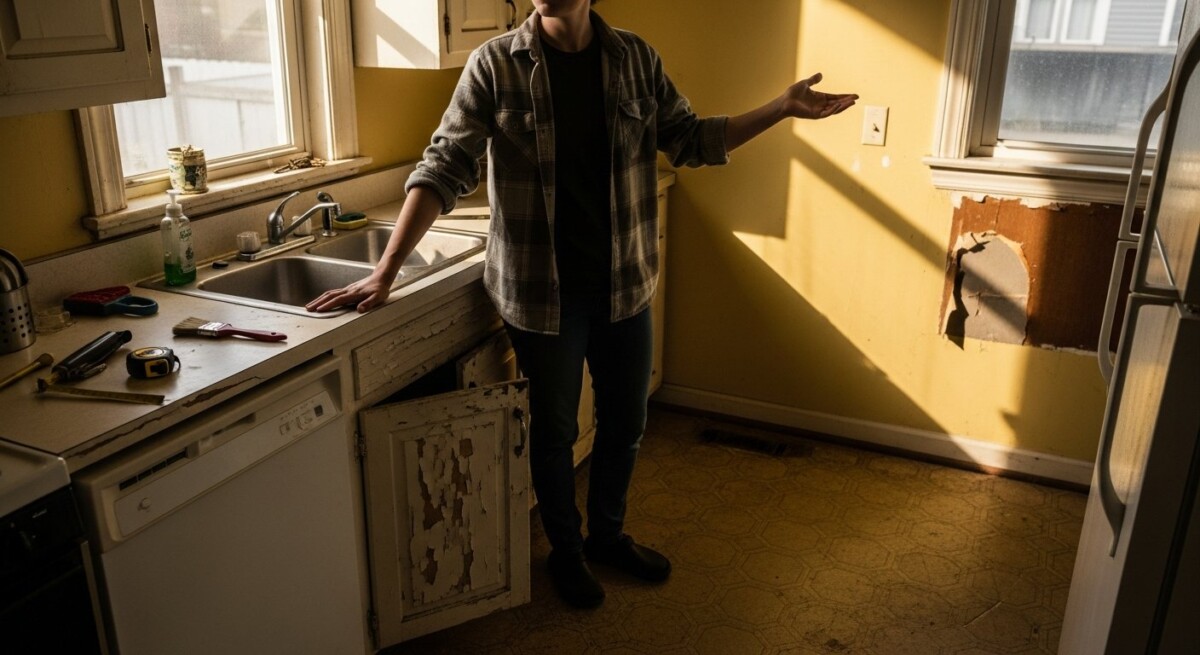
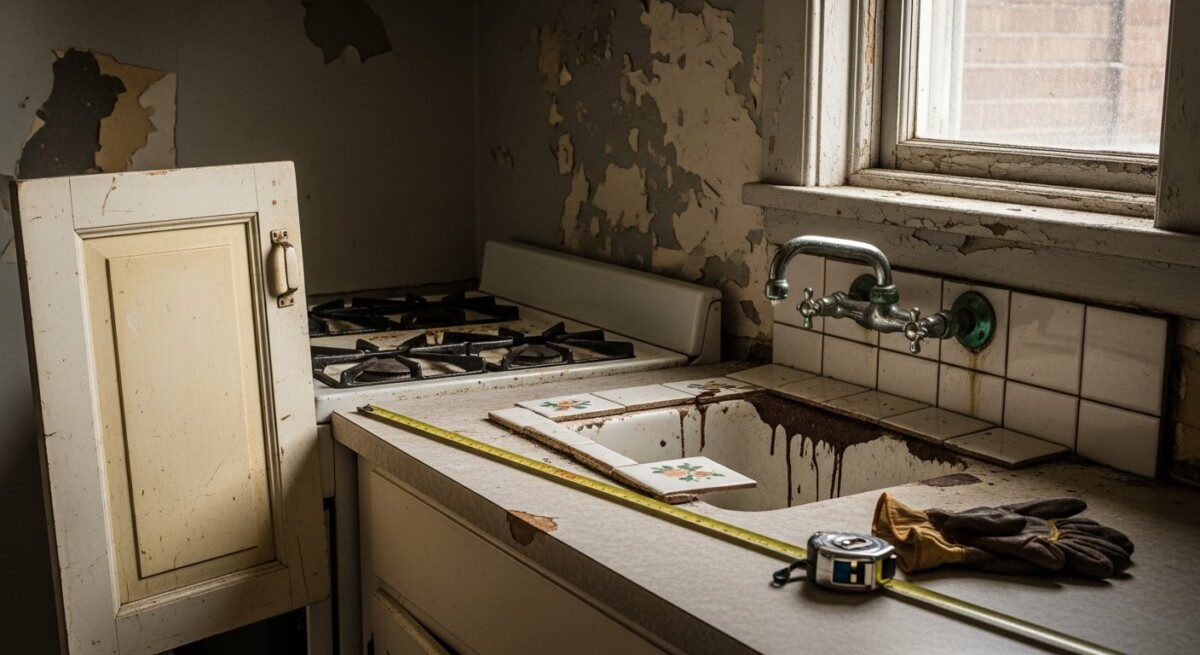
You walk into your kitchen one morning and notice the cabinet door is hanging by a single screw. The paint on the wall behind the stove is yellowed and chipping. You sigh, close the door, and tell yourself you will fix it next weekend. But next weekend comes, and the list grows: a crack in the bathroom tile, a drafty window, a faucet that never stops dripping. Before you know it, your home feels worn out, and you have no idea where to start. This is exactly how most homeowners discover they need a remodel,slowly, through small signs that are easy to ignore. Yet ignoring those signs can turn a simple update into a major, costly repair. Understanding how home remodeling works can help you take control of your home’s condition, protect your investment, and avoid surprises.
Understanding how home remodeling works
Home remodeling is the process of updating, repairing, or improving different parts of your home. It can be as small as replacing a single vanity or as large as gutting an entire floor. The goal is always the same: make your home safer, more functional, and more enjoyable to live in.
Remodeling becomes necessary when materials age, wear down, or fail. Kitchens and bathrooms are the most common rooms to remodel because they deal with water, heat, and heavy daily use. But any part of your home,windows, floors, roofing, or even the foundation,can need attention over time. The key is to act before a small problem becomes a big one.
What happens during a typical remodel
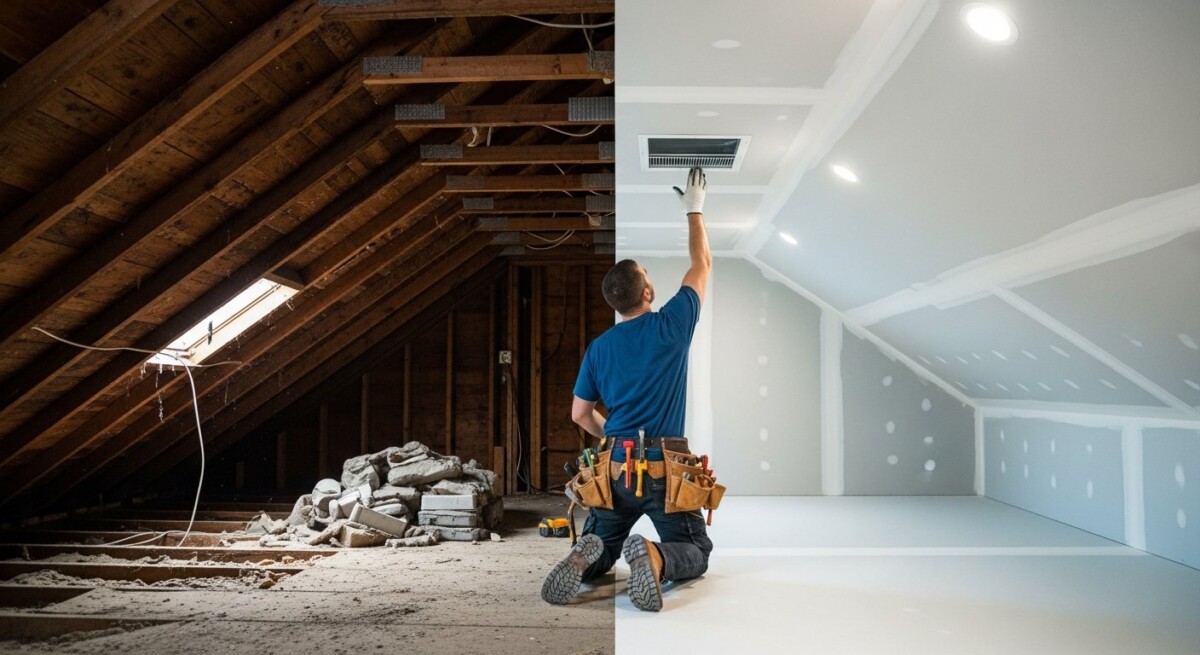
A typical remodel follows a clear sequence: planning, demolition, rough-in work (plumbing, electrical, HVAC), installation of new materials, and finishing touches like painting and trim. Each step builds on the previous one, so skipping or rushing any phase can cause problems later. Professionals follow this order to ensure safety, quality, and code compliance.
Why This Matters for Your Home
Your home is likely your largest financial asset. When you ignore signs of wear, you are not just living with an eyesore,you are slowly reducing your home’s value. A leaking pipe behind a wall, for example, can lead to mold, rot, and structural damage that costs thousands to fix. The same is true for an outdated electrical system or a roof that has lost its protective layer.
Beyond money, remodeling affects your comfort and safety. Drafty windows make your heating bill climb. Worn flooring can become a tripping hazard. An old water heater may fail without warning. By understanding how remodeling works, you can address these issues before they affect your family’s daily life.
Delaying repairs almost always costs more in the long run. A small crack in a shower tile can turn into water damage behind the wall. A cabinet that won’t close can hide a pest problem. Tackling these issues early, with professional help, saves money and stress.
If you notice signs of this issue in your home, it may help to speak with a qualified contractor. Request a free quote or call (555) 123-4567 to explore your repair or remodeling options.
Common Problems Homeowners Experience
Every home ages differently, but certain problems show up again and again. Homeowners often notice these issues during routine cleaning or when preparing to sell their home. The earlier you spot them, the easier they are to fix.
Some issues are cosmetic,peeling paint, outdated fixtures, worn countertops. Others are functional,drafty windows, slow drains, flickering lights. And some are structural,cracked foundation walls, sagging floors, or roof leaks. All of them deserve attention, because even cosmetic problems can signal deeper trouble.
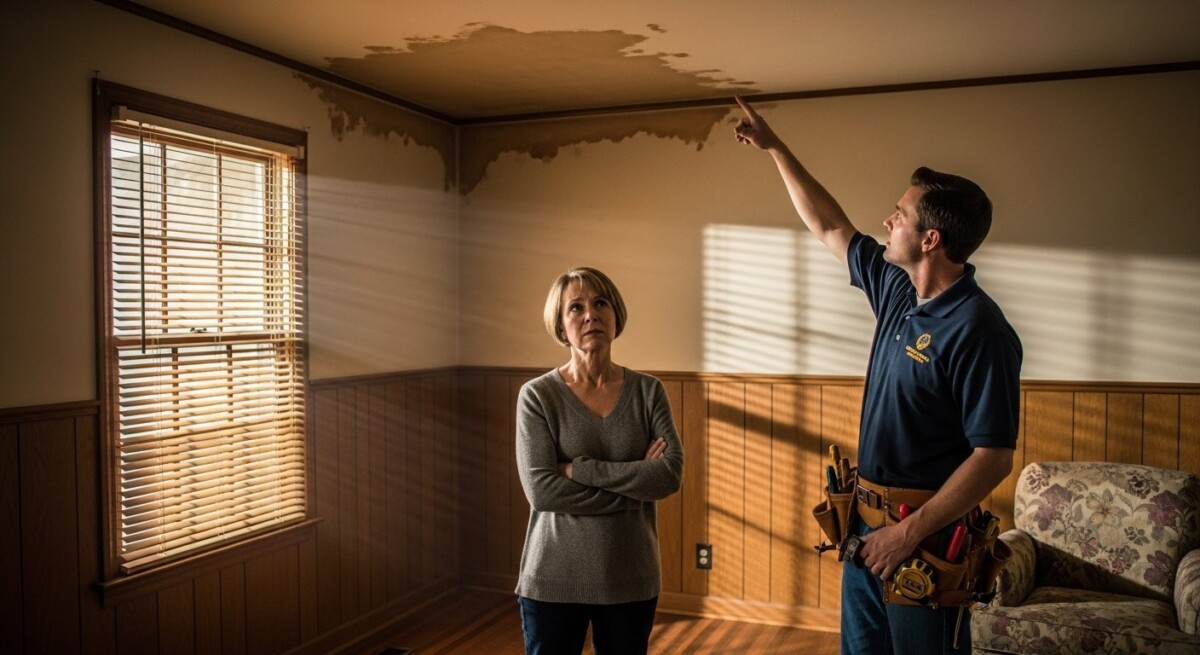
- Water stains on ceilings or walls (often from roof or pipe leaks)
- Cracked, loose, or missing tiles in bathrooms or kitchens
- Doors or windows that stick, won’t close, or let in drafts
- Outdated or unsafe electrical outlets and wiring
- Cabinet doors that sag, stick, or fall off
- Flooring that buckles, stains, or feels soft underfoot
How Professionals Solve the Problem
Experienced contractors approach remodeling with a systematic plan. They start by inspecting the area to identify all issues,not just the obvious ones. This prevents surprises later and ensures the final result is safe and durable.
Once the scope of work is clear, the contractor prepares the space. This may involve moving furniture, covering floors, turning off water or power, and obtaining any necessary permits. Then the real work begins.
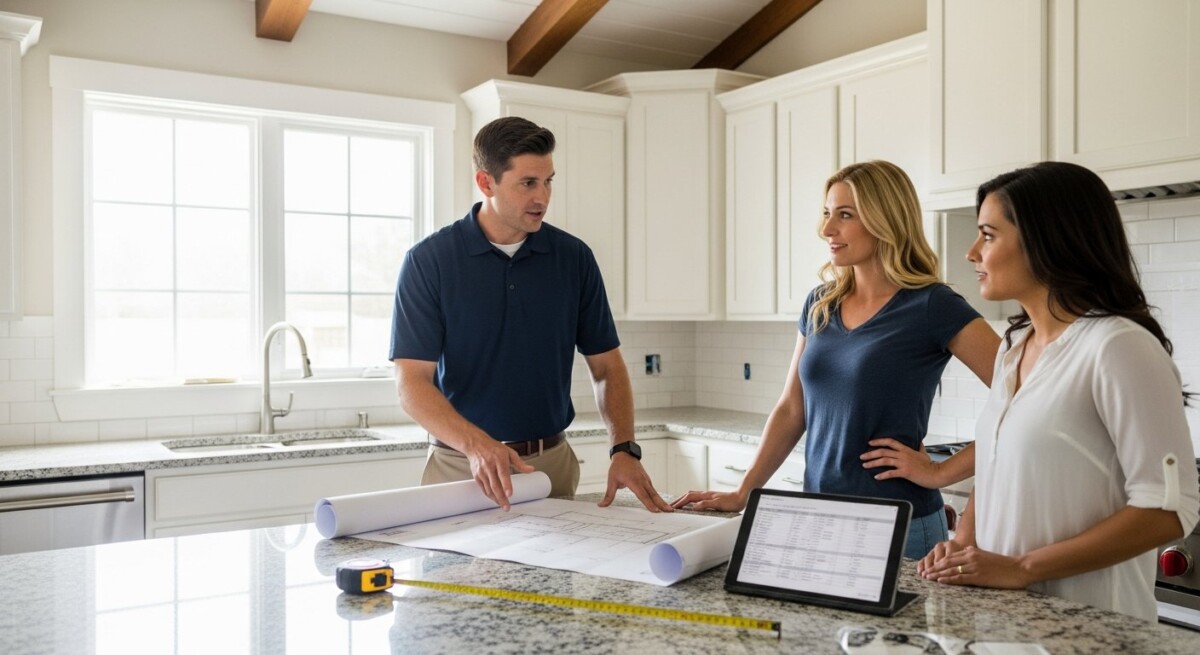
- Assessment and planning: The contractor measures, photographs, and documents the existing condition. They discuss your goals and create a timeline.
- Demolition and removal: Old materials are safely removed and disposed of. This step reveals the underlying structure and any hidden issues.
- Rough-in work: Plumbing pipes, electrical wires, and HVAC ducts are installed or upgraded before walls are closed up.
- Installation of new materials: Flooring, cabinets, countertops, fixtures, windows, or roofing are installed according to manufacturer specifications.
- Finishing and cleanup: Trim, paint, caulking, and final adjustments are made. The area is cleaned and inspected for quality.
Professional work is safer and more reliable than DIY fixes. Contractors carry insurance, follow building codes, and have the tools and experience to handle unexpected problems. A mistake during a DIY remodel can lead to water damage, electrical fires, or structural failure. Professionals minimize these risks.
A professional inspection can reveal hidden issues before they become expensive repairs. Compare contractor quotes here or call (555) 123-4567 to discuss your project.
Warning Signs You Should Not Ignore
Many homeowners wait until a problem is obvious before they call for help. But by then, the damage is often worse,and more expensive to fix. Learning to recognize early warning signs can save you thousands of dollars and a lot of stress.
Pay attention to changes in how your home looks, feels, and sounds. A musty smell in the basement, a water stain that grows after rain, or a door that suddenly sticks are all signals that something is wrong. These signs often appear long before a full failure occurs.
- Musty or damp odors in basements, bathrooms, or closets
- Water stains, peeling paint, or bubbling wallpaper on walls or ceilings
- Cracks in drywall, plaster, or foundation that grow wider over time
- Drafts around windows or doors, even when they are closed
- Frequent circuit breaker trips or flickering lights
- Squeaky, uneven, or bouncy floors
What Affects the Cost of Repairs or Installation
Remodeling costs vary widely depending on the project. A simple bathroom refresh,new paint, fixtures, and hardware,might cost a few thousand dollars. A full kitchen gut and rebuild can run tens of thousands. Understanding the factors that influence price helps you budget realistically.
The size of the project is the biggest driver. A larger room requires more materials and labor. The quality of materials also matters: solid wood cabinets cost more than particle board, and natural stone countertops cost more than laminate. Accessibility plays a role too,a bathroom on the third floor with no elevator will cost more to remodel than one on the ground floor.
The age and condition of your home can also affect cost. Older homes may have outdated wiring, lead paint, or asbestos that must be safely removed. These hidden challenges add time and expense, but they are essential for safety and code compliance.
Costs can vary depending on the condition of your home. The best way to know the price is to get a personalized estimate. Request free quotes from contractors or call (555) 123-4567 today.
How to Choose the Right Contractor
Finding the right contractor is one of the most important steps in a successful remodel. A good contractor communicates clearly, shows up on time, and delivers quality work. A bad one can turn your dream project into a nightmare.
Start by asking friends, neighbors, or local online groups for recommendations. Then interview at least three contractors before making a decision. Ask about their experience with projects like yours, and request references from past clients. Always verify that they are licensed and insured in your state.
- Check that the contractor holds a valid license and liability insurance
- Read online reviews on Google, Yelp, and the Better Business Bureau
- Ask for a detailed written estimate that includes materials, labor, and timeline
- Compare quotes from at least three contractors to understand pricing
- Confirm they have experience with the specific type of remodel you need
Long-Term Benefits of Professional Work
Investing in professional remodeling pays off in many ways. The most obvious benefit is a home that looks and functions better. But the advantages go much deeper. Professional work is built to last, which means you won’t have to redo the same project in a few years.
Safety is another major benefit. Professionals follow building codes that are designed to protect your family. Proper electrical work reduces fire risk. Correct plumbing prevents water damage. Sturdy railings and non-slip flooring reduce fall risks, especially for older adults or young children.
Finally, professional remodeling increases your home’s resale value. Buyers are willing to pay more for a home with updated kitchens, bathrooms, and energy-efficient windows. Even if you are not planning to sell soon, knowing your home is in good shape gives you peace of mind and saves you from unexpected emergency repairs.
How long does a typical home remodel take?
A small remodel, like a bathroom refresh, can take one to two weeks. A full kitchen remodel usually takes four to eight weeks. Larger projects, like a whole-home renovation, can take several months. Timelines depend on the scope of work, material availability, and contractor schedule.
Do I need a permit for home remodeling?
Most significant remodeling projects require a permit. This includes structural changes, electrical work, plumbing, and major additions. Permits ensure the work meets safety codes. Your contractor should handle the permit process as part of their service.
Can I live in my home during a remodel?
It depends on the project. Small remodels, like a single bathroom or flooring, usually allow you to stay. Large remodels that affect the kitchen, HVAC, or multiple rooms may be disruptive. Discuss this with your contractor so you can plan accordingly.
How much does home remodeling cost on average?
Costs vary widely. A bathroom remodel averages $6,000 to $15,000. A kitchen remodel averages $15,000 to $40,000. Whole-home remodels can range from $30,000 to over $100,000. Get multiple quotes to understand pricing in your area.
Should I remodel before selling my home?
Often yes, if the remodel adds value. Updated kitchens and bathrooms typically offer the best return on investment. Minor updates like fresh paint, new flooring, and modern fixtures can also help sell your home faster and at a higher price.
What is the first step in remodeling a room?
The first step is planning. Decide what you want to change, set a budget, and measure the space. Then contact contractors for estimates. Avoid buying materials before you have a contractor’s input,they may have recommendations or know about potential issues.
How do I know if a contractor is trustworthy?
Check their license, insurance, and online reviews. Ask for references and follow up with past clients. A trustworthy contractor provides a written contract, a clear timeline, and a detailed estimate. They communicate openly and answer your questions.
What happens if the contractor finds hidden damage during the remodel?
Hidden damage is common, especially in older homes. The contractor should stop work, inform you, and explain the issue. They will provide a revised estimate for the additional work. This is normal and not a sign of a bad contractor,it shows they are thorough.
Understanding how home remodeling works gives you the confidence to make smart decisions about your home. Whether you are fixing a small problem or planning a full renovation, acting early and working with professionals protects your investment and keeps your family safe. The best way to start is to learn about your options. Compare contractor quotes, ask questions, and choose a partner who respects your home and your budget.

About Alex Carter
"*" indicates required fields