
Summer Home Maintenance Checklist: Heat Storms Guide
Use this summer home maintenance checklist for heat storms to protect your roof, HVAC, and basement. Get matched with local pros at 8333658755.

By Justin Parker
Learn more about Roof Inspection for guides, costs, and what to expect.
Compare Roof Inspection Pros Near You

Enter your ZIP code to compare top-rated local professionals and request free quotes.
Summer looks calm on the calendar, but the season regularly delivers two punishing tests: weeks of relentless heat and sudden, violent storms that arrive with little warning. Heat bakes roofs, warps siding, and pushes HVAC systems to their limits, while storms rip off shingles, flood basements, and knock out power for days. Homeowners who prepare for both threats spend far less on emergency repairs, and they avoid the panic of scrambling for a contractor when every roofer in town is already booked solid. This summer home maintenance checklist for heat storms walks through every system and surface that matters, room by room and roof to foundation, so you can protect your biggest investment before the weather decides to test it.
The logic behind the checklist is simple: heat and storms attack different parts of a home in different ways, but they often strike in sequence. A heat wave dries out caulk and roof sealant, then the first heavy storm pushes water straight through the cracks that heat created. By addressing both threats together, you close those gaps before they become expensive problems. And when a repair does go beyond a weekend project, getting matched with a trusted home improvement pro through USremodel takes just a few minutes, so you are never stuck waiting while damage spreads.
Start With the Roof, Your First Line of Defense
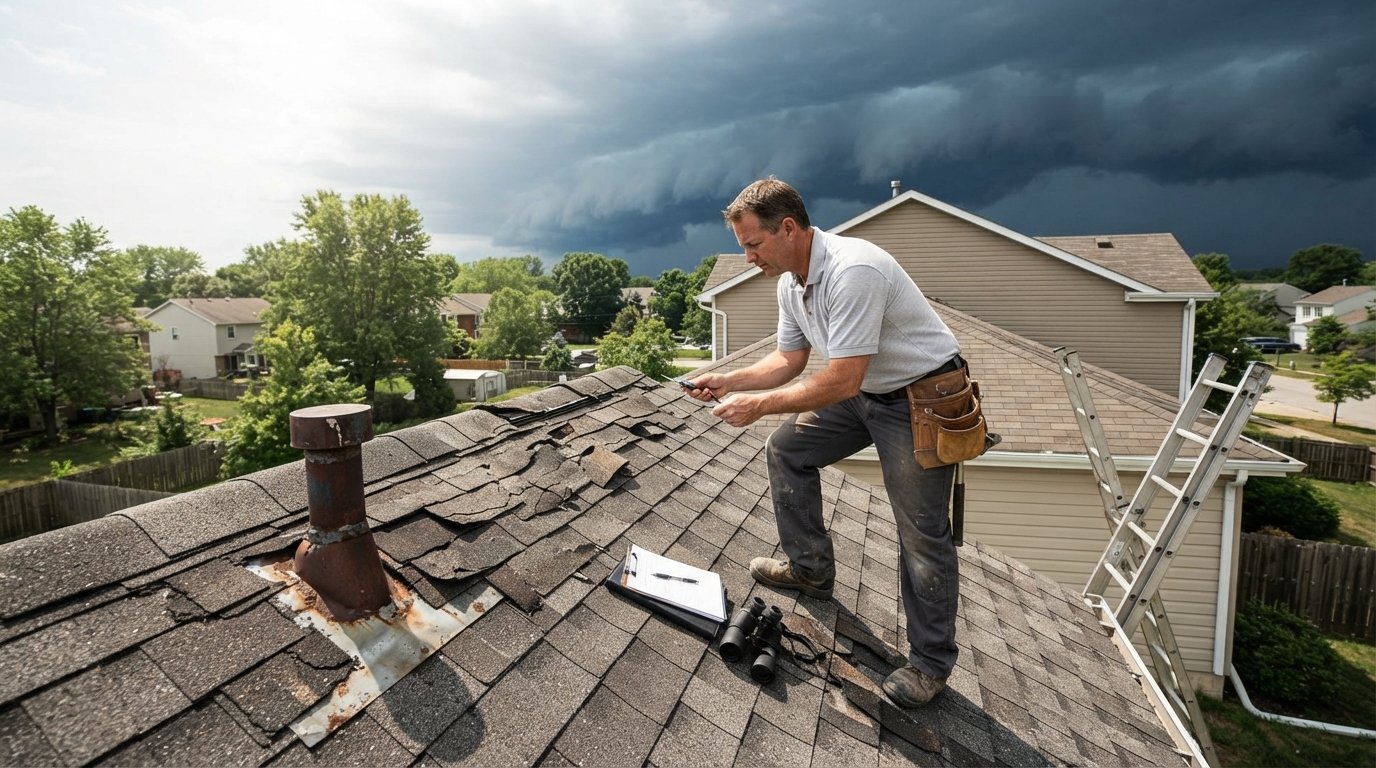
The roof takes the most direct punishment from both sun and storm. Ultraviolet radiation breaks down asphalt shingles year after year, and by midsummer the surface granules that protect a roof from rain are often thinner than they were in spring. Then a single storm with 60 mph gusts can lift any shingle that has already lost its seal. The result is a leak that may not show up in the attic for weeks, by which point the damage has spread to insulation, drywall, and framing.Before storm season peaks, get on a ladder (or use binoculars from the ground) and inspect for the warning signs that matter most. Look for shingles that are curling, cracking, or missing entirely, especially along ridges and the edges of the roof where wind gets underneath. Check the flashing around chimneys, vents, and skylights, since failed flashing is one of the most common sources of summer leaks. Clear the gutters and downspouts of leaves and debris so heavy rain has somewhere to go, and trim any tree branches that hang within a few feet of the roof.
If you spot damage or your roof is more than 15 to 20 years old, do not wait for the next storm to make the decision for you. Roofing is one of the most common projects homeowners request quotes for, and getting several estimates before an emergency gives you far more leverage on price and scheduling. A pre-storm replacement also means the work happens on your timeline, not in the chaotic days after a storm when contractors are triaging hundreds of calls.
Cool the House Before the Heat Wins: HVAC and Insulation
An air conditioning system that has not been serviced since last summer is a gamble. When temperatures climb past 95 degrees, a unit with a dirty filter, low refrigerant, or a failing capacitor will run nonstop, spike your energy bill, and still leave rooms uncomfortable. Worse, it may quit entirely on the hottest day of the year, exactly when repair technicians are hardest to reach.
Schedule a professional tune-up in late spring or early summer, before the first heat wave hits. A technician will clean the condenser coils, check refrigerant levels, test the capacitor and contactor, and verify that the system is draining condensate properly. At home, change the air filter every one to three months during heavy use, and keep two feet of clearance around the outdoor condenser unit so it can shed heat efficiently. If your system is more than 12 to 15 years old, start budgeting for replacement now, because a new high-efficiency unit will cut summer cooling costs significantly and handle extreme heat far better than aging equipment.
Insulation and air sealing deserve equal attention because they determine how hard your AC has to work. Add insulation to the attic if it is below the recommended level for your climate zone, and seal gaps around windows, doors, and where pipes and wires penetrate exterior walls. A well-sealed, well-insulated home can stay comfortable with a smaller, cheaper cooling load, and it holds up better during the multi-day power outages that severe summer storms often cause.
Windows, Doors, and the Building Envelope
Windows do double duty in summer: they keep conditioned air inside and keep storm-driven rain outside. Heat expands window frames and dries out the caulk and weatherstripping around them, so by August, gaps that were invisible in May can let water pour in during a heavy downpour. Older single-pane windows make the problem worse by radiating heat into every room.
Walk the perimeter of your home and check the caulking around every window and door frame. Re-caulk any joints that are cracked, peeling, or pulling away, and replace worn weatherstripping on doors so they seal tightly. Test each window to confirm it latches properly, because a window that does not fully close is an open invitation to wind-driven rain. If you find fogging between panes, rotting wood frames, or windows that stick so badly they cannot be opened in an emergency, it is time to plan a replacement rather than patching the same problems year after year.
Modern energy-efficient windows with double or triple glazing reduce heat gain, lower cooling costs, and stand up to storm pressure far better than aging units. Because window installation is a project with real variables (frame material, glass package, number of openings), the smart move is to compare quotes from multiple installers before you commit. That way you get a fair price and a clear timeline instead of a rushed decision made under storm pressure.
Drainage and Water Management: Where Storm Damage Really Starts
Most storm damage to a home is water damage, and most water damage starts with drainage that was never designed for the volume of a summer downpour. When gutters overflow, downspouts dump water at the foundation, or the grading slopes toward the house instead of away from it, water finds the path of least resistance: your basement, crawl space, or lower-level walls.
Spend an afternoon on water management and you will prevent thousands of dollars in potential damage. The priorities are straightforward:
- Clean gutters and downspouts completely, then flush them with a hose to confirm water flows freely to the ground.
- Add downspout extensions so water discharges at least 6 to 10 feet away from the foundation.
- Check that the soil around the foundation slopes away from the house at roughly a 6-inch drop over 10 feet.
- Inspect basement walls and floors for existing cracks, efflorescence (white mineral stains), or damp spots that signal prior water intrusion.
- Test any sump pump by pouring water into the pit to confirm it activates and discharges properly, and install a battery backup if you do not have one.
If your basement already shows signs of chronic moisture, address it before storm season rather than after. Sump pumps, interior drainage systems, and exterior waterproofing are the standard fixes, and they are far cheaper when scheduled as planned projects instead of emergency calls during a flood. A dry basement also protects stored belongings, HVAC equipment, and the structural integrity of your foundation.
Exterior Surfaces: Siding, Paint, and Decks
Heat and ultraviolet light are quietly destructive to exterior surfaces. Paint fades and chalks, siding warps or cracks, and wood decks dry out, splinter, and lose the finish that protects them from moisture. Then storms arrive and drive water into every crack and joint that heat has opened up.
Inspect your siding for cracks, loose panels, and areas where caulk has failed, and repair them before they become entry points for rain. Touch up peeling paint on trim and fascia, because bare wood absorbs water quickly and begins to rot. On decks, check for loose boards, popped nails, and soft spots that indicate rot, then clean and reseal the surface if the finish is worn. These are inexpensive fixes when done proactively and expensive repairs when deferred for another season.
If your exterior paint is more than seven to ten years old or your siding has widespread damage, a professional repaint or siding replacement may be the better investment. Fresh exterior paint does more than improve curb appeal: it seals the building envelope against moisture and reflects some of the sun's heat, which helps interior comfort during long hot spells.
Power, Storms, and Backup Systems
Summer storms knock out power, and a multi-day outage in extreme heat is more than an inconvenience: it threatens food safety, medical equipment, and in some regions, personal safety. Preparing for outages is a core part of any summer home maintenance checklist, and it starts with understanding your vulnerabilities.
Trim trees near power lines and over the house, since fallen branches cause a large share of storm outages and roof damage. Test smoke and carbon monoxide detectors, and replace batteries, because these devices matter most when the power is out and you are using candles or a generator. If your area sees frequent outages, consider a standby generator or a battery backup system for essential circuits, and always operate portable generators outdoors, well away from windows and doors, to avoid carbon monoxide poisoning.
Before storm season, restock your emergency kit with water, nonperishable food, flashlights, batteries, a first aid kit, and phone chargers. Keep important documents in a waterproof container or digital backup. These low-cost preparations make a real difference when a storm knocks out power for three days in the middle of July.
Plumbing, Water Heaters, and Hidden Summer Stress
Heat stresses plumbing in ways many homeowners overlook. Outdoor hose bibs and irrigation lines run constantly, water heaters work against higher incoming water temperatures, and supply lines in hot attics and garages expand and contract daily. A burst supply line during a heat wave can cause more damage than many storms.
Check under every sink for slow drips or corrosion on supply lines, and replace any rubber hoses on washing machines with braided stainless steel lines. Flush the water heater to remove sediment, which improves efficiency and extends its life, and check the anode rod if the tank is more than five years old. Insulate exposed pipes in hot areas, and shut off and drain outdoor faucets if you will be away during peak heat. Small plumbing maintenance now prevents flooded floors later, and if a major issue surfaces, getting matched with a licensed plumbing professional quickly keeps the problem contained.
Build Your Seasonal Routine and Know When to Call a Pro
A summer home maintenance checklist works best as a routine, not a one-time scramble. Break the work into three phases: a pre-summer inspection in late spring, a mid-summer check during the first heat wave, and a post-storm assessment after any major weather event. Each phase takes a few hours and catches problems while they are still small and cheap to fix.
Some tasks are genuine do-it-yourself projects: changing filters, cleaning gutters, testing detectors, and re-caulking small joints. Others, including roof repairs, HVAC service, window replacement, and water damage remediation, require licensed professionals who carry the right tools, insurance, and warranties. Knowing the difference protects both your safety and your wallet. For projects in the professional category, the fastest path is to describe your project, compare quotes from vetted contractors, and choose the one that fits your budget and timeline. Renovation planning frameworks, like those covered in this guide to next generation home renovation, can help you sequence bigger upgrades so each project supports the next instead of undoing previous work.
Summer will always bring heat, and storms will always test the seams of a house. The homeowners who come through the season with dry basements, intact roofs, and working air conditioning are not lucky; they are prepared. Work through this checklist before the next heat advisory or thunderstorm warning, fix what you can, and line up trusted professionals for what you cannot. A few focused weekends now will protect your home, your comfort, and your budget through every heat wave and storm the season sends your way.