
Energy-Efficient Kitchen Upgrades That Cut Bills
Energy-efficient kitchen upgrades can cut utility bills and boost comfort. Call (833)-365-8755 to plan your project with vetted pros.

Learn more about Kitchen Remodel for guides, costs, and what to expect.
Compare Kitchen Remodel Pros Near You

Enter your ZIP code to compare top-rated local professionals and request free quotes.
A kitchen that gulps energy is easy to overlook. The lights still turn on, the fridge still hums, and the oven still bakes, so nothing seems broken. Yet month after month, outdated appliances, poor insulation, and inefficient lighting quietly drain hundreds of dollars from your household budget. The good news is that you do not need a full gut renovation to stop the bleeding. Targeted, energy-efficient kitchen upgrades can lower your utility bills, improve comfort while you cook, and even increase your home's resale value. Whether you are planning a minor refresh or a larger remodel, the choices you make about appliances, lighting, water heating, and ventilation will determine how much you save for years to come.
Start With an Energy Audit Before You Spend a Dollar
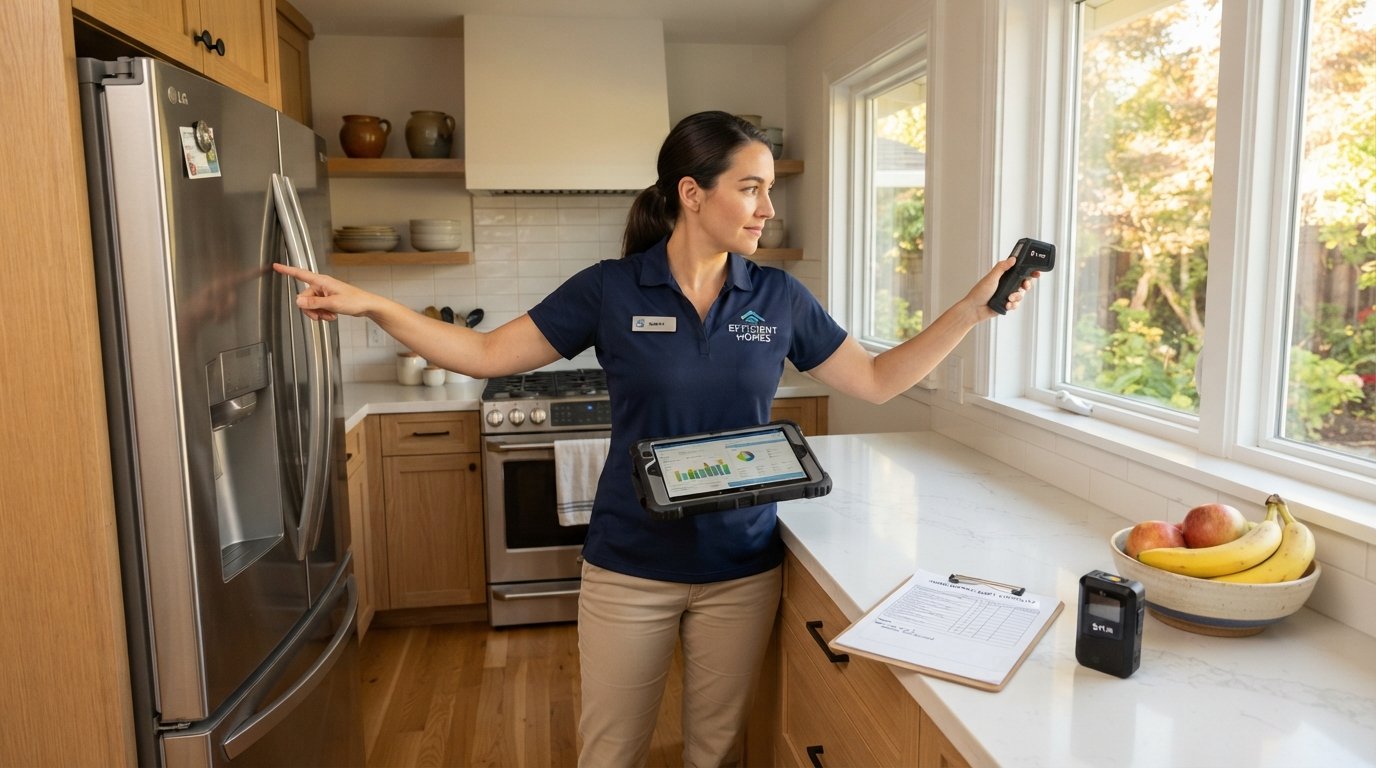
Before you buy a single appliance or light fixture, take stock of how your kitchen currently uses energy. A professional home energy audit gives you a room-by-room breakdown of air leaks, insulation gaps, and appliance inefficiency. Many utility companies offer free or discounted audits, and the report will tell you exactly where your kitchen is losing money. If a full audit is not in the cards, do a simple DIY walk-through: check for drafts around windows and doors, feel for hot spots around the refrigerator, and note any older appliances that run constantly.
Once you know the problem areas, prioritize upgrades by return on investment. A drafty window may cost more in lost heating and cooling than an old microwave, so fix the envelope first. In many cases, the most impactful energy-efficient kitchen upgrades are also the least glamorous: sealing gaps, adding insulation behind cabinets, and replacing worn weatherstripping. These quiet fixes set the stage for bigger-ticket items to perform at their best.
Choose Appliances With the Right Energy Star Ratings
Appliances account for a significant share of kitchen energy use, and the refrigerator alone can run around the clock. When shopping, look for the Energy Star label and compare the yellow EnergyGuide tags to estimate annual operating costs. A modern, efficient refrigerator can use less than half the electricity of a model from the early 2000s, and the savings add up quickly. The same logic applies to dishwashers, ranges, and microwaves.
Do not assume that the biggest appliance is always the biggest energy hog. A poorly maintained range hood or an old freezer in the garage can be surprisingly costly. Match the appliance size to your actual needs, and choose models with smart features like eco modes and delay start timers that let you run cycles during off-peak hours. Here is a quick checklist for appliance shopping:
- Check the Energy Star rating and the estimated yearly energy use on the yellow label.
- Compare the purchase price against projected annual savings to calculate payback time.
- Choose the right size: an oversized refrigerator wastes energy and space.
- Look for variable-speed compressors and efficient wash cycles.
- Ask about rebates from your utility or state energy office before you buy.
Rebates and tax incentives can shorten payback periods dramatically. Many utilities offer cash back for qualifying appliances, and federal programs occasionally include kitchen equipment. Keep your receipts and paperwork organized so you can claim every available credit. If you are remodeling more broadly, our guide on energy efficient remodeling to slash bills explains how whole-home upgrades work together with kitchen improvements.
Upgrade Lighting and Water Heating for Daily Savings
Lighting is one of the easiest and cheapest energy-efficient kitchen upgrades you can make. Replace incandescent bulbs with LED fixtures, which use up to 75 percent less energy and last far longer. Under-cabinet LED strips brighten work surfaces without flooding the room, and dimmer switches let you use only the light you need. If you are remodeling, consider layering ambient, task, and accent lighting so you can control energy use zone by zone.
Water heating is another hidden cost. A tankless or heat-pump water heater can cut the energy used to produce hot water, and low-flow faucets reduce the volume of hot water you consume. Insulating exposed hot-water pipes under the sink is a small, inexpensive step that keeps heat where it belongs. These changes are especially valuable if your kitchen is far from the water heater, where long pipe runs waste both water and energy.
Ventilation and Air Sealing
Proper ventilation keeps your kitchen comfortable and protects indoor air quality, but it should not blow your conditioned air outside unnecessarily. Choose a range hood sized to your cooking style, and use it only when needed. Seal gaps around vent pipes and exterior penetrations so that outside air does not leak in. During a remodel, this is the ideal time to add insulation to exterior walls and seal outlets and switches on outside walls, which are common sources of drafts.
Windows, Doors, and the Building Envelope
The kitchen envelope, meaning its windows, doors, and walls, has a major effect on energy bills. Old single-pane windows leak heat in winter and let cool air escape in summer. Upgrading to double-pane, low-emissivity windows can reduce heat transfer and block harsh sunlight that makes your air conditioner work harder. If new windows are not in the budget, weatherstripping and caulk can deliver a meaningful improvement for a fraction of the cost.
Exterior doors deserve equal attention. A poorly sealed patio door can undermine every other upgrade you make. Add a door sweep, replace worn weatherstripping, and consider a storm door for extra insulation. These envelope improvements complement appliance and lighting upgrades, creating a kitchen that is both efficient and comfortable no matter the season.
Smart Controls and Behavioral Changes That Multiply Savings
Technology can help you get more from every upgrade. Smart thermostats, smart plugs, and appliance timers let you schedule energy use around your routine. A smart plug can turn off the coffee maker or charge small devices during off-peak hours, and an occupancy sensor can ensure lights are not left on in an empty kitchen. Many utilities offer time-of-use rates that reward you for shifting heavy appliance use to lower-cost hours.
Behavior matters as much as hardware. Running the dishwasher only with full loads, using the right burner size, keeping the refrigerator coils clean, and letting leftovers cool before refrigerating them all reduce energy waste. Small habits, repeated daily, can rival the savings from a single appliance upgrade. Combine smart controls with a few simple routines, and your energy-efficient kitchen upgrades will pay off faster than you expect.
Budgeting, Rebates, and Finding the Right Contractor
Energy-efficient kitchen upgrades range from a few hundred dollars for lighting and weatherstripping to several thousand for appliances and windows. Set a realistic budget and prioritize projects by payback period. Start with the cheapest fixes that deliver immediate savings, then schedule larger upgrades as funds allow. Keep a simple spreadsheet of costs, estimated savings, and rebates so you can track your return on investment.
When you are ready to hire, choose licensed professionals who understand energy codes and can recommend the right products for your home. A good contractor will help you compare quotes, identify available rebates, and sequence the work so that each upgrade supports the next. If you want to compare vetted local pros and request free quotes for your project, you can connect with pre-vetted local contractors to get started without guesswork.
Finally, think beyond the kitchen. Energy-efficient kitchen upgrades work best when they are part of a whole-home strategy. Insulation, HVAC efficiency, and water heating all interact with your kitchen, and improvements in one area can boost the performance of another. Plan your upgrades in phases, and revisit your energy audit after each phase to confirm that you are getting the savings you expected.
With careful planning, the right products, and a few smart habits, your kitchen can become one of the most efficient rooms in the house. You will enjoy lower bills, a more comfortable space for cooking and gathering, and the confidence that comes from making upgrades that pay you back every month.
Learn more about Kitchen Remodel for guides, costs, and what to expect.
Compare Kitchen Remodel Pros Near You
Enter your ZIP code to compare top-rated local professionals and request free quotes.