
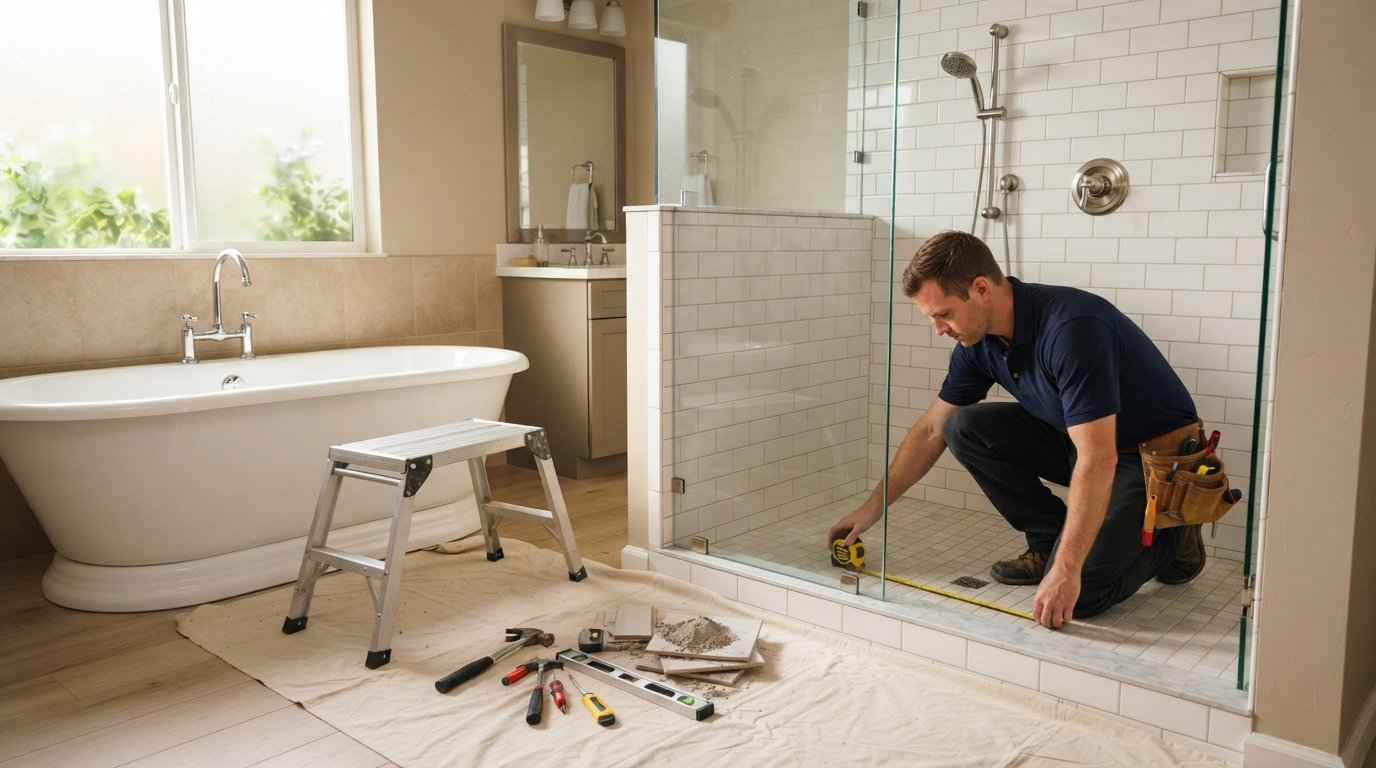
Walk-In Shower vs Tub: Cost & Resale Guide
Walk-in shower versus tub replacement cost and resale: understand the trade-offs before you remodel. Call (833)-365-8755 for expert guidance.

Learn more about Bathroom Remodel for guides, costs, and what to expect.
Compare Bathroom Remodel Pros Near You

Enter your ZIP code to compare top-rated local professionals and request free quotes.
When you step into your bathroom, do you see a dated tub taking up space or a shower that no longer fits your daily routine? The decision between replacing a tub and converting to a walk-in shower is one of the most common dilemmas in bathroom remodeling. It is not just about aesthetics; it is about how you live now and how you want to live later. And when it comes time to sell, the choice you make today can influence how quickly your home sells and for how much. This guide breaks down the walk-in shower versus tub replacement cost and resale implications so you can make a confident, informed decision for your home.
Cost Comparison: Walk-In Shower Conversion vs Tub Replacement
Budget is often the first consideration, and for good reason. The cost difference between a tub replacement and a walk-in shower conversion can be significant, but it depends on several factors: the size of the space, the materials you choose, and whether plumbing changes are required. On average, a tub replacement is a more straightforward project. You remove the old tub and install a new one, often without altering the footprint. A walk-in shower conversion, on the other hand, typically involves removing the tub, reconfiguring the drain, installing a new waterproofing system, and tiling the walls and floor. That added complexity usually comes with a higher price tag.
To give you a realistic picture, here is a breakdown of typical cost ranges for each option. Keep in mind that these are national averages and can vary by region and contractor.
- Tub replacement (standard alcove tub): $1,500 to $4,000, including removal and disposal of the old tub, new tub, and basic surround.
- Walk-in shower conversion (basic): $5,000 to $10,000, including demolition, plumbing modifications, waterproofing, tile, and a prefabricated shower pan or custom base.
- Walk-in shower conversion (high-end): $10,000 to $20,000 or more, with custom tile work, frameless glass, multiple showerheads, and built-in seating.
These numbers show that a walk-in shower conversion is generally the more expensive option upfront. However, the return on investment (ROI) at resale can narrow the gap. According to remodeling industry data, midrange bathroom remodels recoup about 60-70% of their cost at resale, and upscale projects recoup slightly less. But the specific choice between a shower and a tub can affect buyer interest differently depending on your local market and the type of buyer.
If you are planning a walk-in shower installation, our detailed guide on walk-in shower installation walks you through the process step by step, from design to waterproofing. It is a valuable resource for understanding what goes into the project and how to avoid costly mistakes.
The Hidden Costs of Waterproofing: Why It Matters for Your Wallet
One of the biggest cost drivers in a walk-in shower conversion is waterproofing. It is also the area where cutting corners can lead to the most expensive failures. A properly waterproofed shower uses a system of membranes, sealants, and sloping to direct water toward the drain and away from framing and subfloor. If this is done incorrectly, water can seep behind tiles, causing mold, rot, and structural damage that may not be visible for years. By the time you notice a soft spot or a musty smell, the repair bill can be thousands of dollars.
In contrast, a tub replacement often involves less invasive waterproofing because the tub itself is a pre-formed watertight vessel. The surround walls still need protection, but the critical failure point (the shower pan) is eliminated. This is why some contractors recommend a tub replacement for homeowners on a tight budget or those who are not planning to stay in the home long enough to recoup the investment.
When you get quotes for a walk-in shower, make sure the contractor specifies the waterproofing method and includes it as a line item. Common systems include sheet membranes (like Schluter Kerdi), liquid-applied membranes (like RedGard), and foam backer boards with integrated waterproofing. A reputable contractor will also perform a flood test before tiling to ensure the pan holds water. Skipping these steps is a recipe for disaster. The extra $500 to $1,500 you might save by omitting a flood test or using a cheap membrane is nothing compared to the $5,000 to $10,000 you could spend fixing water damage later.
Accessibility and Aging in Place: The Case for Walk-In Showers
For many homeowners, the decision goes beyond cost and resale value. It is about safety and long-term livability. A walk-in shower with a low threshold (typically 2 inches or less) or a curbless design eliminates the need to step over a high tub wall. This is a game-changer for anyone with mobility challenges, whether due to age, injury, or a permanent disability. According to the Centers for Disease Control and Prevention, falls are the leading cause of injury among older adults, and bathrooms are a common location. A walk-in shower significantly reduces that risk.
Even if you do not currently need accessibility features, designing for the future can be a smart move. Aging in place is a priority for many baby boomers, and a walk-in shower is often at the top of their must-have list. If you plan to stay in your home as you age, investing in a walk-in shower now can save you from a costly remodel later. It also adds a layer of universal design that appeals to a broader range of buyers, including those with young children, athletes, and pet owners who appreciate the ease of use.
That said, some buyers still prefer a tub, especially families with young children who need a place to bathe them. If your home has only one bathroom, removing the only tub could be a drawback for families. In that case, a tub replacement might be the safer choice for resale. But if you have a second bathroom with a tub, a walk-in shower in the primary suite is often seen as a luxury upgrade.
Resale Considerations: What Buyers Really Want
When it comes time to sell, the bathroom is one of the most scrutinized rooms in the house. Buyers open cabinets, check for water stains, and imagine themselves using the space. The shower versus tub debate often comes down to the demographics of your buyer pool. In general, walk-in showers are more popular among younger buyers, busy professionals, and those looking for a low-maintenance lifestyle. They are also a staple in modern, spa-like bathroom designs. Tubs, on the other hand, are often a requirement for families with young children and buyers who enjoy soaking.
Real estate agents often advise sellers to consider their neighborhood and the typical buyer. If you live in a condo or a retirement community, a walk-in shower is almost always a better bet. If you live in a suburban neighborhood with mostly three- and four-bedroom homes, families with children will likely be your target buyer, and they may expect at least one tub in the house. In that case, keeping a tub in the hall bathroom while converting the primary shower is a balanced approach.
It is also worth noting that a poorly executed walk-in shower can hurt resale. If the shower is too small, lacks proper ventilation, or has visible mold or water damage, buyers will see a liability rather than an asset. That is why hiring a qualified bathroom contractor is essential. A professional will ensure the shower is properly sized, waterproofed, and vented, and will pull the necessary permits. Permits are not just a formality; they protect you and the buyer by ensuring the work meets code.
How to Get Comparable Quotes from Bathroom Contractors
Whether you choose a walk-in shower or a tub replacement, getting accurate, comparable quotes is the key to budgeting and Avoiding surprises. The problem is that not all quotes are created equal. One contractor might give you a ballpark figure over the phone, while another provides a detailed line-item estimate. To compare apples to apples, you need to ask the right questions and request specifics.
Start by defining your project scope clearly. Decide on the size of the shower or tub, the materials you want (tile, acrylic, fiberglass), and any extras like seating, niches, or grab bars. Then, when you contact contractors, provide them with the same information so they can bid on the same work. Here are the key items to include in every quote request:
- Demolition and disposal: Removal of the old tub or shower, hauling away debris, and protecting the rest of the bathroom.
- Plumbing modifications: Moving the drain, relocating the valve, or upgrading to a larger showerhead. This is often a significant cost in a shower conversion.
- Waterproofing system: The brand and type of membrane, and whether a flood test is included.
- Tile and materials: The cost of tile, grout, thinset, and any trim pieces, plus the labor to install them.
- Permits and inspections: Confirm that the contractor will pull the required permits and schedule inspections.
Once you have quotes in hand, compare them line by line. If one quote is significantly lower, ask why. It may be that they are skipping a step, using lower-quality materials, or not pulling permits. A reputable contractor will be transparent about what is included and what is not. For added peace of mind, you can use a service like ContractorHomeQuotes to gather multiple quotes from pre-screened professionals in your area. This can save you time and help you identify the best value.
Also, do not forget to check references and reviews. A contractor who has completed similar projects in your area is more likely to deliver quality work. Ask to see photos of past bathroom remodels, and if possible, speak with previous clients. A little due diligence upfront can prevent a lot of headaches later.
Making the Decision: A Framework for Your Home
By now, you have a clear picture of the costs and resale implications of walk-in showers versus tub replacements. But how do you decide what is right for your home? Use this simple framework to weigh the factors that matter most to you.
First, consider your timeline. Are you planning to sell in the next year or two? If so, focus on what buyers in your area expect. A tub replacement might be the safer, more cost-effective choice if your home is in a family-oriented neighborhood. If you are staying for five years or more, prioritize your own enjoyment and needs. A walk-in shower can improve your daily life and may still offer a solid return when you do sell.
Second, evaluate your bathroom layout. If you have a small bathroom, a walk-in shower can make the space feel larger and more open. If you have a large bathroom with room for both, consider a walk-in shower in the primary suite and a tub in the hall bath. This gives you the best of both worlds and appeals to the widest range of buyers.
Third, think about maintenance. Tubs require regular cleaning, and the caulk lines can mildew. Walk-in showers with large-format tiles and frameless glass are easier to clean, but they still need squeegeeing and periodic deep cleaning. If you want low maintenance, a walk-in shower with a bench and a linear drain is a great option. If you love a good soak, a tub is non-negotiable.
Finally, consider the cost of doing nothing. If your current tub is cracked, stained, or leaking, it is a liability. Replacing it or converting to a shower is not just an upgrade; it is necessary maintenance. Delaying the project can lead to bigger problems, especially if water damage is involved. If you are unsure, consult a professional. Many contractors offer free or low-cost consultations and can help you weigh the options based on your home's layout and your local market.
No matter which path you choose, remember that quality installation is paramount. A walk-in shower that is not waterproofed correctly is a ticking time bomb. A tub that is not properly set can flex and crack. Hiring a licensed, experienced bathroom contractor is the best way to protect your investment and ensure a beautiful, functional result. If you are ready to explore your options, reach out to a trusted contractor today. Your dream bathroom is within reach.
Learn more about Bathroom Remodel for guides, costs, and what to expect.
Compare Bathroom Remodel Pros Near You
Enter your ZIP code to compare top-rated local professionals and request free quotes.