Smart Home Renovation: A Practical Guide for Homeowners
"*" indicates required fields
You walk into your living room, and the lights don’t respond to your voice command. The thermostat you set remotely never adjusted the temperature, and your smart lock keeps glitching when you try to check if the front door is locked. These small frustrations might seem like minor inconveniences at first, but for many homeowners, they are the first signs that a smart home renovation is overdue. What starts as a lagging device can quickly spiral into a system that feels more like a headache than a convenience. If you are noticing these issues, you are not alone,and the problem often goes deeper than a simple battery change or software update.
Smart home technology promises ease, energy savings, and security, but when the underlying wiring, network infrastructure, or outdated components begin to fail, those promises fade. Ignoring these early warning signs can lead to bigger headaches, including fried circuits, unreliable safety systems, and even damage to your home’s electrical framework. That is why understanding smart home renovation is essential for any homeowner who wants a modern, efficient, and safe living space.
Understanding Smart Home Renovation
Smart home renovation is the process of upgrading or retrofitting your home’s existing systems,electrical, networking, lighting, climate control, and security,to work seamlessly with modern smart devices. Unlike a simple tech install, a true renovation addresses the backbone of your home: the wiring, hubs, and infrastructure that make everything talk to each other.
This type of renovation often becomes necessary when older homes lack neutral wires in switch boxes, have outdated breaker panels, or rely on Wi-Fi signals that struggle to reach every room. Homes built before 2000 are especially prone to these limitations. A smart home renovation bridges the gap between your home’s original design and the demands of today’s connected devices.
Why This Matters for Your Home
Your home’s electrical and networking systems were not designed for the constant data flow and power draw of modern smart devices. Over time, this mismatch can cause flickering lights, tripped breakers, or even minor electrical shorts that go unnoticed until they damage expensive equipment. More importantly, a poorly integrated smart home can compromise safety,think of a smart smoke detector that goes offline or a security camera that buffers during a critical moment.
Delaying a smart home renovation also affects your property value. Today’s homebuyers expect at least basic smart features like programmable thermostats, video doorbells, and smart locks. If your home’s infrastructure can’t support these upgrades, you may face lower offers or a longer time on the market. Additionally, energy savings from smart thermostats and lighting can offset utility costs,but only if your system is installed properly.
If you notice signs of this issue in your home, it may help to speak with a qualified contractor. Request a free quote or call to explore your repair or remodeling options.
Common Problems Homeowners Experience
Homeowners often discover the need for a smart home renovation through repeated frustrations. A smart bulb that keeps disconnecting, a voice assistant that only works in one room, or a security system that triggers false alarms are all red flags. These issues usually point to an underlying infrastructure problem, not a defective device.
Another common scenario is during a major remodel. You might want to add smart blinds, a zoned HVAC system, or whole-home audio, only to realize your current wiring can’t support the load. This is when homeowners realize that a piecemeal approach to smart home tech rarely works as well as a professionally planned renovation.
- Frequent Wi-Fi dead zones or dropouts in certain rooms
- Smart devices that lose connection after a power outage
- Light switches that buzz or get warm when using smart bulbs
- Inconsistent performance of smart locks or garage door openers
- Outdated breaker panels that trip when multiple smart devices run
- Visible wear on wiring behind smart switches or outlets
How Professionals Solve the Problem
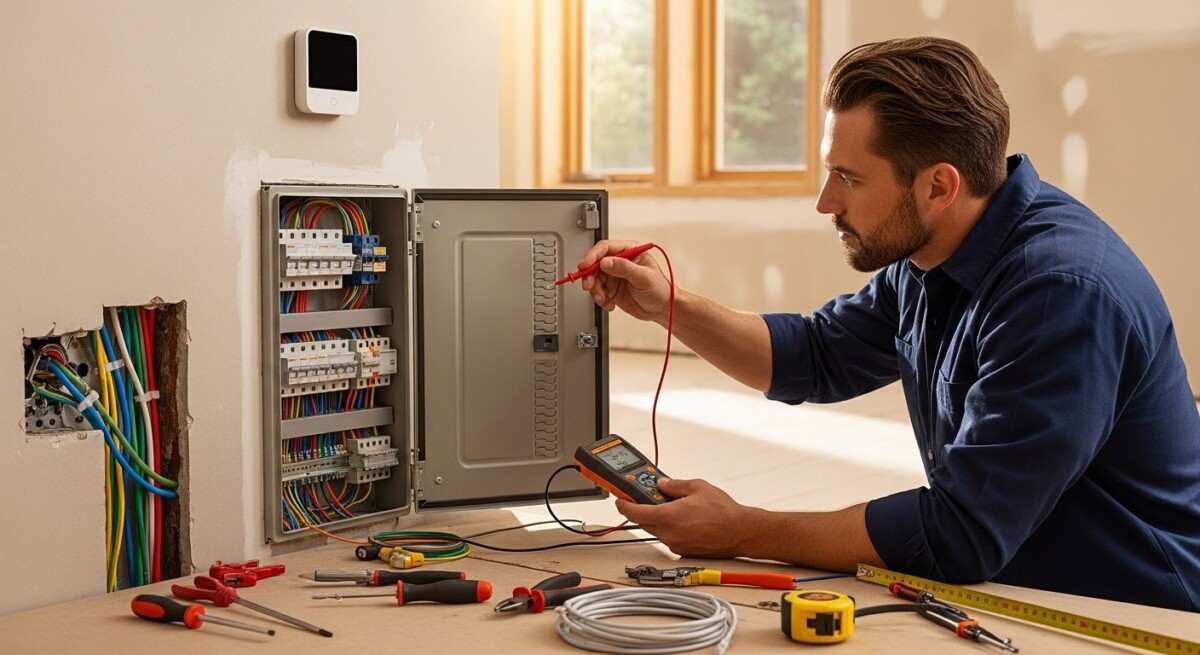
Experienced contractors approach smart home renovation by first diagnosing your home’s current electrical and network capacity. They use specialized tools to test wiring, measure signal strength, and identify weak points in your system. This assessment ensures that any upgrades are built on a solid foundation, not just patched over existing problems.
- Site Assessment: A professional inspects your electrical panel, wiring, and existing smart devices to create a roadmap.
- Infrastructure Upgrades: They install dedicated circuits, neutral wires, or a central hub for reliable power and communication.
- Network Optimization: Contractors set up mesh Wi-Fi systems or hardwired Ethernet drops to eliminate dead zones.
- Device Integration: All smart devices are configured to work together on a single platform for seamless control.
- Testing and Training: The system is stress-tested, and you receive a walkthrough on how to use and maintain it.
Professional work is safer and more reliable than a DIY approach because it meets local electrical codes and ensures compatibility between devices. A contractor can also spot potential fire hazards or overloaded circuits that a homeowner might miss. For a deeper look at how modern homes are being upgraded, check out our guide on Smart Home Renovation Ideas for a Modern, Efficient Home.
A professional inspection can reveal hidden issues before they become expensive repairs. Compare contractor quotes here or call to discuss your project.
Warning Signs You Should Not Ignore
Your home often gives you clues that a smart home renovation is needed. Pay attention to how your devices behave, especially after weather changes or during peak usage times. If you find yourself resetting devices weekly or noticing that smart features work only when you stand near the router, your infrastructure is struggling.
Early action can prevent more costly repairs. For example, a flickering smart light might indicate a loose neutral wire, which can cause arcing and create a fire risk over time. Similarly, a smart thermostat that loses its schedule could mean your HVAC system is drawing more power than the wiring can handle, leading to premature wear on your equipment.
- Smart devices randomly go offline or need frequent re-pairing
- Electrical outlets or switches feel warm to the touch
- Your home’s breaker trips when using multiple smart devices
- Voice commands are ignored or delayed by more than a few seconds
- Smart cameras or doorbells show “offline” alerts regularly
- You notice a burning smell near any smart device or outlet
What Affects the Cost of Repairs or Installation
The cost of a smart home renovation varies widely based on your home’s age, size, and existing wiring. Older homes often require more extensive electrical upgrades, such as replacing a 60-amp panel with a 200-amp model or running new wires to rooms that lack neutral wires. These foundational changes can add to the overall price but are essential for reliable performance.
Other factors include the number of rooms you want to automate, the complexity of the devices (e.g., motorized blinds versus smart plugs), and labor rates in your area. Accessibility also matters,if your attic or crawl space is cramped, running new cables takes more time. That said, a well-planned renovation often pays for itself through energy savings and increased home value over time.
Costs can vary depending on the condition of your home. The best way to know the price is to get a personalized estimate. Request free quotes from contractors or call today.
How to Choose the Right Contractor
Not every electrician or general contractor has experience with smart home systems. This is a specialized field that combines electrical knowledge with networking and device integration. Look for contractors who list “smart home wiring” or “home automation” among their services, and ask for examples of similar projects they have completed.
A trustworthy contractor will walk you through your options without pressuring you into unnecessary upgrades. They should explain the trade-offs between wired and wireless solutions and help you prioritize based on your budget and lifestyle. To understand what the process involves, read our article on What Is Smart Home Remodeling: A Practical Guide for Homeowners.
- Verify the contractor’s license and liability insurance
- Read recent online reviews, especially for smart home projects
- Ask for a detailed written estimate that breaks down materials and labor
- Compare at least three quotes to gauge fair pricing
- Confirm they have experience with your specific smart home platform (e.g., Amazon Alexa, Google Home, Apple HomeKit)
Long-Term Benefits of Professional Work
Investing in a professional smart home renovation gives you peace of mind that your devices will work when you need them most. You no longer have to worry about a security camera going dark during a trip or your thermostat failing on a freezing night. Reliable performance means you can actually enjoy the convenience and efficiency that smart technology promises.
Professionally installed systems also last longer and require less maintenance. Because the wiring is properly rated and connections are secure, you reduce the risk of shorts, surges, and device failures. Over time, this translates to lower repair bills and a higher resale value for your home. Many homeowners also report lower energy bills after a smart home renovation, as automated lighting and climate control reduce waste.
If you are planning a larger remodel, timing your smart home renovation to coincide with other projects can save money and minimize disruption. For advice on scheduling, see our guide on the Best Time for Home Renovation: A Homeowner’s Practical Guide.
How long does a smart home renovation take?
A basic smart home renovation,upgrading wiring in a few rooms and setting up a mesh network,can take one to three days. A whole-home renovation involving new panels, motorized blinds, and integrated security systems may take one to two weeks. The timeline depends on the scope of work and your home’s existing condition.
Can I do a smart home renovation myself to save money?
While you can install individual smart devices yourself, a full renovation involving electrical work should be left to licensed professionals. DIY electrical upgrades can violate building codes, void insurance coverage, and create fire hazards. Hiring a contractor ensures safety and long-term reliability.
Do I need a special internet plan for a smart home?
Most smart homes work well with internet speeds of 100 Mbps or higher, especially if you have multiple devices streaming video or data. However, the biggest factor is Wi-Fi coverage, not just speed. A professional renovation often includes a mesh network or wired access points to eliminate dead zones.
What is the average cost of a smart home renovation?
Costs can range from $2,000 for a basic upgrade of one or two rooms to $15,000 or more for a whole-house renovation with new wiring, panel upgrades, and integrated devices. Getting multiple quotes from contractors gives you a realistic picture for your specific home.
Will a smart home renovation increase my home’s value?
Yes, a well-executed smart home renovation can increase property value by 3% to 5%, according to real estate studies. Homes with modern, integrated smart features are more attractive to buyers, especially younger families and tech-oriented professionals.
What is the difference between a smart home retrofit and a renovation?
A retrofit adds smart devices to existing wiring without major changes, while a renovation upgrades the core infrastructure,wiring, panels, and networking,to support those devices properly. A renovation is more thorough and reliable, especially in older homes.
Do smart home devices work during a power outage?
Most smart devices will not work during a power outage unless they have battery backups or are connected to a generator. During a renovation, a contractor can install backup power options for critical systems like smart locks, security cameras, and thermostats.
How do I know if my home needs a smart home renovation?
If you experience frequent device disconnections, dead Wi-Fi zones, or flickering lights when using smart bulbs, your home likely needs an infrastructure upgrade. A professional inspection can confirm the issue and recommend the best solution.
Your home deserves a system that works as hard as you do. A smart home renovation is not just about the latest gadgets,it is about creating a reliable, safe, and efficient living environment that adapts to your lifestyle. By addressing infrastructure issues early, you avoid costly repairs down the road and enjoy the full benefits of your smart devices. Take the first step today by comparing quotes from trusted contractors who specialize in smart home upgrades. The right professional can turn your frustration into a home that truly works for you.

About Alex Carter
"*" indicates required fields