Best Time for Home Renovation: A Homeowner’s Practical Guide
"*" indicates required fields
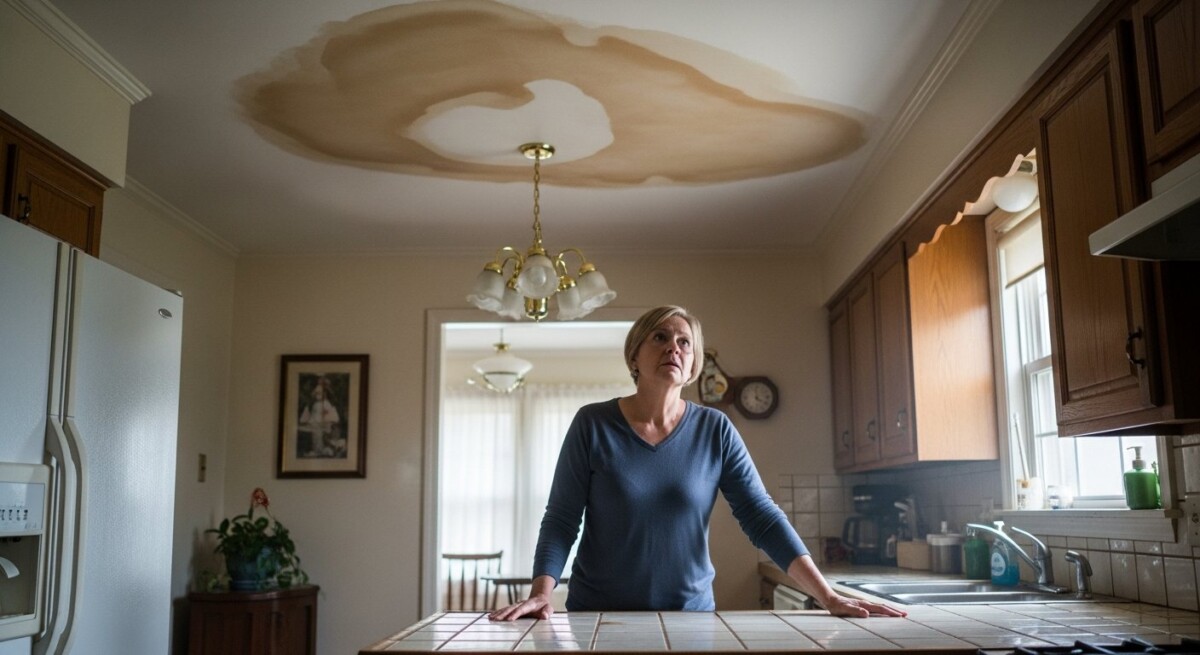
Imagine walking into your kitchen one morning and noticing a small water stain spreading across the ceiling. Or stepping into your bathroom and feeling a draft that wasn’t there last winter. These small signs often appear without warning, and they can make any homeowner feel uneasy. You know that ignoring them will only lead to bigger problems, but you also wonder: when is the best time for home renovation to actually fix these issues without disrupting your life or breaking your budget? Finding the right timing is not just about convenience,it can protect your home, your finances, and your peace of mind.
Understanding the Best Time for Home Renovation
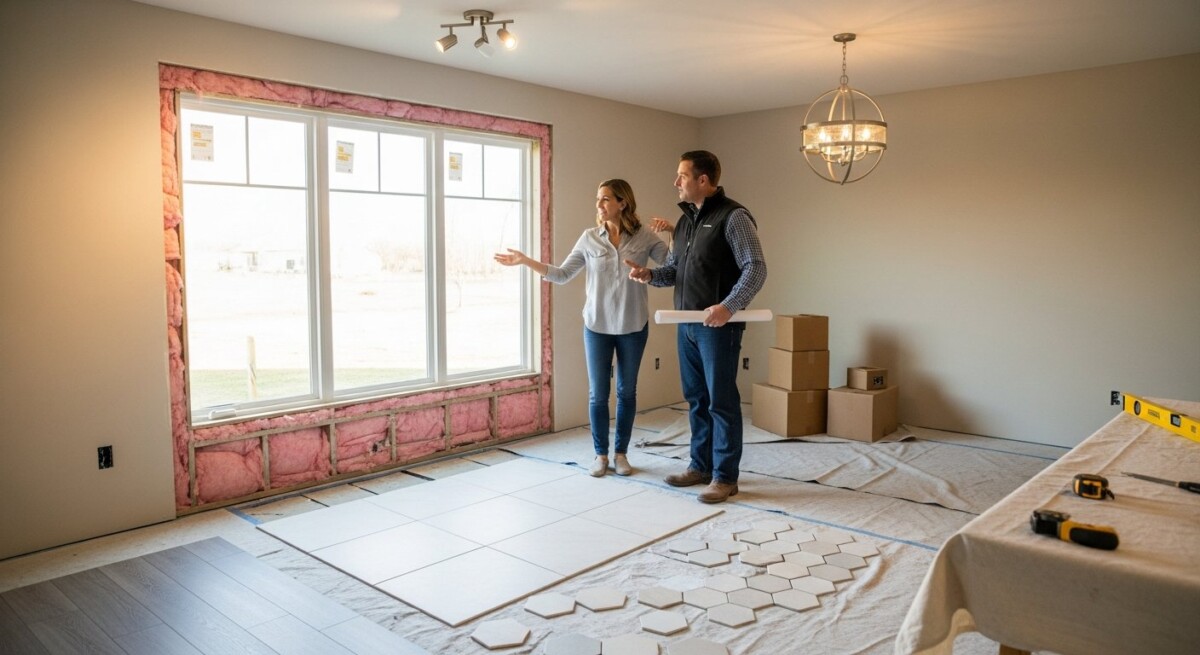
The best time for home renovation isn’t a single date on the calendar. It depends on the type of project, your local climate, contractor availability, and your personal schedule. For most homeowners, the sweet spot falls during spring or early fall when temperatures are mild and contractors have more open slots. But the real answer is simpler: the best time is when you notice a problem and take action before it gets worse.
Why does timing matter so much? Renovations done during favorable weather often cost less because materials cure properly and workers can stay on schedule. On the other hand, waiting until an emergency forces your hand,like a burst pipe in January,can double your costs and limit your choices. Homes with older roofs, outdated plumbing, or original windows are especially vulnerable to timing-related issues because small problems accelerate during extreme weather.
Seasonal Factors That Influence Your Renovation
Spring is widely considered the best time for home renovation because contractors are eager for work after winter, and the weather allows for proper painting, concrete work, and exterior repairs. Fall offers similar benefits with cooler temperatures and less rain. Summer is busy and expensive, while winter can work for indoor projects like kitchen or bathroom remodels if your contractor is available. Understanding your local climate helps you choose a window that minimizes delays and material issues.
Why This Matters for Your Home
Choosing the right timing directly affects your home’s safety, comfort, and long-term value. A renovation started too late can turn a minor leak into mold remediation, or a drafty window into sky-high energy bills. Delaying repairs often means paying more later, both in money and in stress. Your home is your biggest asset, and protecting it requires acting at the right moment.
Beyond finances, there’s the issue of daily comfort. Living through a renovation is disruptive enough without adding bad weather or rushed work into the mix. Scheduling your project during a season that suits the scope,like replacing windows in spring or remodeling a basement in winter,means fewer surprises and a smoother process. Professional contractors plan their schedules around these factors, which is why they often recommend starting early.
If you notice signs of this issue in your home, it may help to speak with a qualified contractor. Request a free quote or call +1 (888) 494-2794 to explore your repair or remodeling options.
Common Problems Homeowners Experience
Homeowners often discover the need for renovation through everyday annoyances. A door that sticks, a faucet that drips, or a room that feels drafty even with the heat on. These small problems are clues that something deeper is wrong. Over time, they can lead to structural damage, higher utility bills, and even health concerns from mold or poor insulation.
Many of these issues become urgent during extreme weather. A roof leak that was minor in October can cause ceiling collapse during a winter storm. A bathroom fan that cycles slowly in summer might lead to mildew by fall. Recognizing these patterns helps you plan your renovation before the problem escalates. Here are some of the most common problems that signal it’s time to renovate:
- Peeling paint or wallpaper near windows or ceilings
- Water stains, musty odors, or visible mold growth
- Drafts, uneven temperatures, or high energy bills
- Creaky floors, sagging ceilings, or cracked tiles
- Outdated fixtures that leak, rust, or fail frequently
- Doors or windows that stick, warp, or won’t close properly
How Professionals Solve the Problem
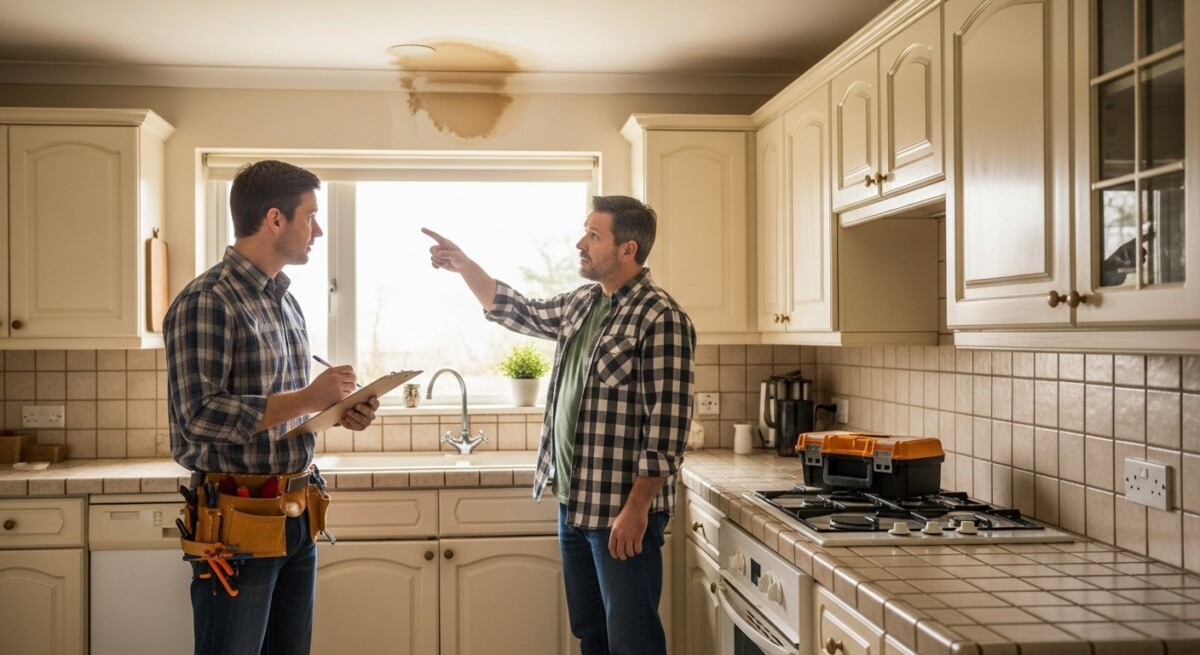
Experienced contractors bring more than just tools,they bring knowledge of building codes, material science, and weather timing. When you hire a professional for your renovation, they start by assessing the full scope of the issue, not just the visible symptoms. This prevents surprises halfway through the project. They also know when to schedule each phase to avoid weather-related delays, which is something DIY efforts often overlook.
Here’s a typical process a professional contractor follows for a home renovation:
- Initial inspection: The contractor examines the area, identifies underlying issues, and measures the space.
- Project planning: They create a timeline, select materials suited to your climate, and pull necessary permits.
- Preparation: The work area is protected, utilities are shut off if needed, and old materials are removed safely.
- Installation or repair: New materials are installed according to manufacturer specs and local building codes.
- Finishing and cleanup: Surfaces are painted, sealed, or trimmed, and the site is cleaned thoroughly.
- Final inspection: The contractor reviews the work with you and ensures everything meets safety and quality standards.
Professional work is often safer and more reliable than DIY fixes because contractors carry insurance, guarantee their work, and have experience handling unexpected issues. A small mistake during a renovation,like improper waterproofing in a shower,can lead to thousands in water damage later. Professionals avoid these pitfalls by following proven methods.
A professional inspection can reveal hidden issues before they become expensive repairs. Compare contractor quotes here or call +1 (888) 494-2794 to discuss your project.
Warning Signs You Should Not Ignore
Your home sends signals when it needs attention. Learning to recognize these early warning signs can save you from emergency repairs and high costs. The best time for home renovation is often right after you notice one of these signs,not after the problem worsens. Paying attention now gives you the power to choose your contractor, your timeline, and your budget instead of reacting to a crisis.
Some warning signs are obvious, like a leaking pipe or a cracked window. Others are subtle, like an increase in your energy bill without a change in usage. Trust your instincts: if something feels off in your home, it probably is. Here are warning signs that suggest repairs may be needed soon:
- Water stains on ceilings, walls, or around windows
- Musty smells or visible mold in bathrooms, basements, or attics
- Drafts near doors, windows, or electrical outlets
- Uneven floors, squeaky boards, or doors that don’t latch
- Higher heating or cooling bills without a clear reason
- Outdated electrical panels, flickering lights, or frequent breaker trips
What Affects the Cost of Repairs or Installation
Several factors influence the final price of a home renovation. The size of the project is the most obvious,a full kitchen remodel costs more than a bathroom refresh. But material choices, labor rates in your area, and the condition of your home also play major roles. For example, replacing windows in a 100-year-old house often costs more than in a newer home because of custom sizing and structural adjustments.
Accessibility matters too. A roof repair on a steep, multi-story home takes longer and requires more safety equipment than a single-story roof. The age of your home can also increase costs if outdated wiring, plumbing, or insulation needs updating to meet current codes. Understanding these factors helps you set a realistic budget and avoid surprises when the quotes come in.
Costs can vary depending on the condition of your home. The best way to know the price is to get a personalized estimate. Request free quotes from contractors or call +1 (888) 494-2794 today.
How to Choose the Right Contractor
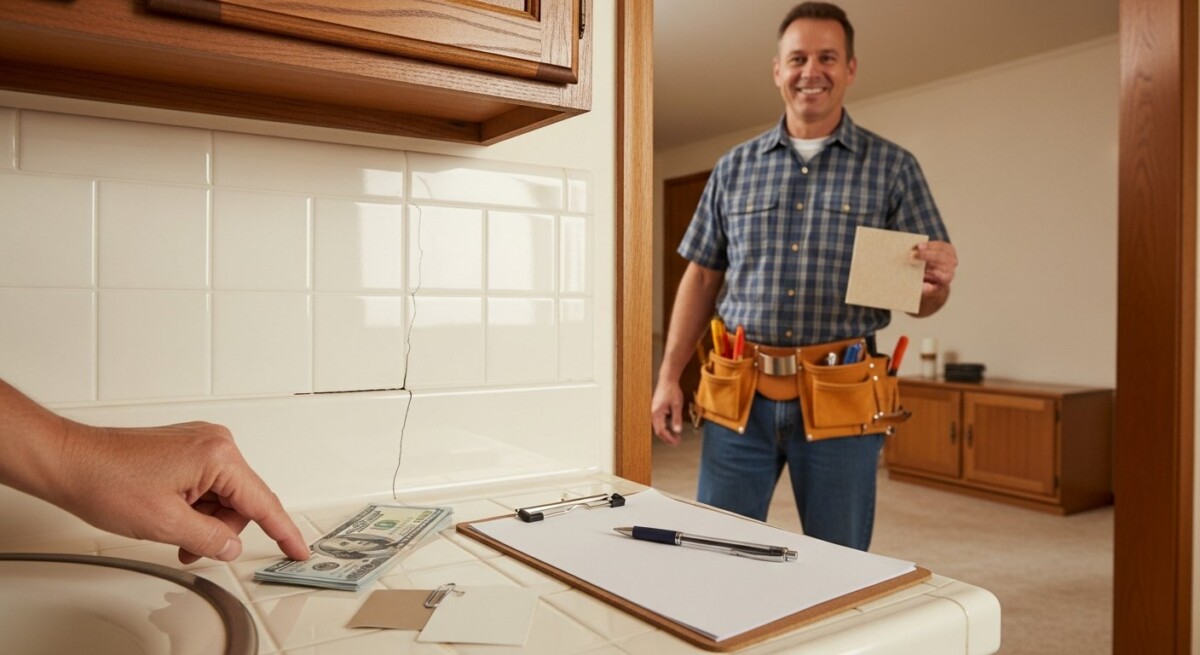
Finding the right contractor is just as important as choosing the right time to renovate. A trustworthy professional will help you plan the project, stick to the budget, and complete the work on schedule. But with so many options, how do you know who to trust? Start by asking for recommendations from neighbors or friends who have recently renovated. Online reviews and local trade organizations are also good places to find vetted professionals.
Once you have a shortlist, take the time to interview each candidate. Good contractors are happy to answer questions, provide references, and explain their process. Avoid anyone who pressures you to sign a contract immediately or asks for a large payment upfront. Here are a few tips for selecting a contractor you can rely on:
- Check that they are licensed, bonded, and insured in your state
- Read customer reviews on Google, Yelp, or the Better Business Bureau
- Ask for a detailed written estimate that includes materials, labor, and timeline
- Compare quotes from at least three different contractors
- Confirm they have experience with projects similar to yours
Long-Term Benefits of Professional Work
Investing in professional renovation work pays off for years to come. A properly installed roof, energy-efficient windows, or a well-remodeled kitchen not only makes your home more comfortable but also increases its resale value. Buyers notice quality work, and homes with updated systems often sell faster and at higher prices. Plus, professional installations come with warranties that protect you if something goes wrong.
There’s also the benefit of energy efficiency. Upgrading insulation, sealing windows, or installing modern HVAC equipment can cut your utility bills by 20% or more. Over time, those savings offset the initial cost of the renovation. And because professionals follow building codes and safety standards, you avoid the risk of future problems like electrical fires or water damage. The peace of mind that comes from knowing your home is safe and efficient is priceless.
What is the best time of year for a home renovation?
Spring and early fall are generally the best seasons because of mild weather, which helps materials cure properly and keeps the project on schedule. However, indoor projects like bathroom or kitchen remodels can be done year-round. The key is to plan ahead and book your contractor during their slower months for better availability and pricing.
How long does a typical home renovation take?
Timelines vary widely based on the scope. A bathroom remodel might take 2,4 weeks, while a full kitchen renovation can take 6,10 weeks. Major projects like adding a room or remodeling a basement may take 2,4 months. Your contractor will provide a detailed schedule after the initial inspection.
Can I live in my home during a renovation?
Yes, in most cases you can stay in your home during a renovation, but it depends on the project. Kitchen remodels can be disruptive because you lose access to cooking areas. Bathroom renovations may affect your daily routine if you have only one bathroom. Talk to your contractor about setting up temporary solutions to make the process easier.
How much does a home renovation cost on average?
Costs vary by project size, materials, and location. A minor bathroom update might cost $5,000,$10,000, while a major kitchen remodel can range from $20,000 to $50,000 or more. The best way to get an accurate idea is to request quotes from multiple contractors who can assess your specific needs.
Do I need a permit for my renovation?
Many renovations require permits, especially those involving structural changes, electrical work, plumbing, or major additions. Your contractor should handle the permitting process as part of their service. Working without permits can lead to fines, insurance issues, and problems when selling your home.
What should I look for in a renovation contract?
A good contract includes a detailed scope of work, a payment schedule, a timeline with milestones, material specifications, and warranty information. It should also outline what happens if delays occur. Read everything carefully and ask questions before signing.
How do I prepare my home for a renovation?
Clear the work area of furniture, valuables, and fragile items. Protect floors and adjacent rooms with drop cloths or plastic sheeting. Set up a temporary kitchen or bathroom if needed, and communicate your schedule and expectations with your contractor before work begins.
Will a renovation increase my home’s value?
Yes, most well-planned renovations increase home value, especially kitchen and bathroom updates, energy-efficient upgrades, and curb-appeal improvements. However, it’s important to match the renovation to your neighborhood’s market so you don’t over-improve for the area.
Choosing the best time for home renovation isn’t about waiting for a perfect moment,it’s about acting when you spot a problem and planning ahead. By understanding the signs, hiring experienced professionals, and comparing quotes, you protect your home and your investment. Don’t let small issues grow into costly emergencies. Compare contractor quotes today and take the first step toward a safer, more comfortable home.

About Alex Carter
"*" indicates required fields