How Home Remodeling Works: A Simple Guide for Homeowners
"*" indicates required fields
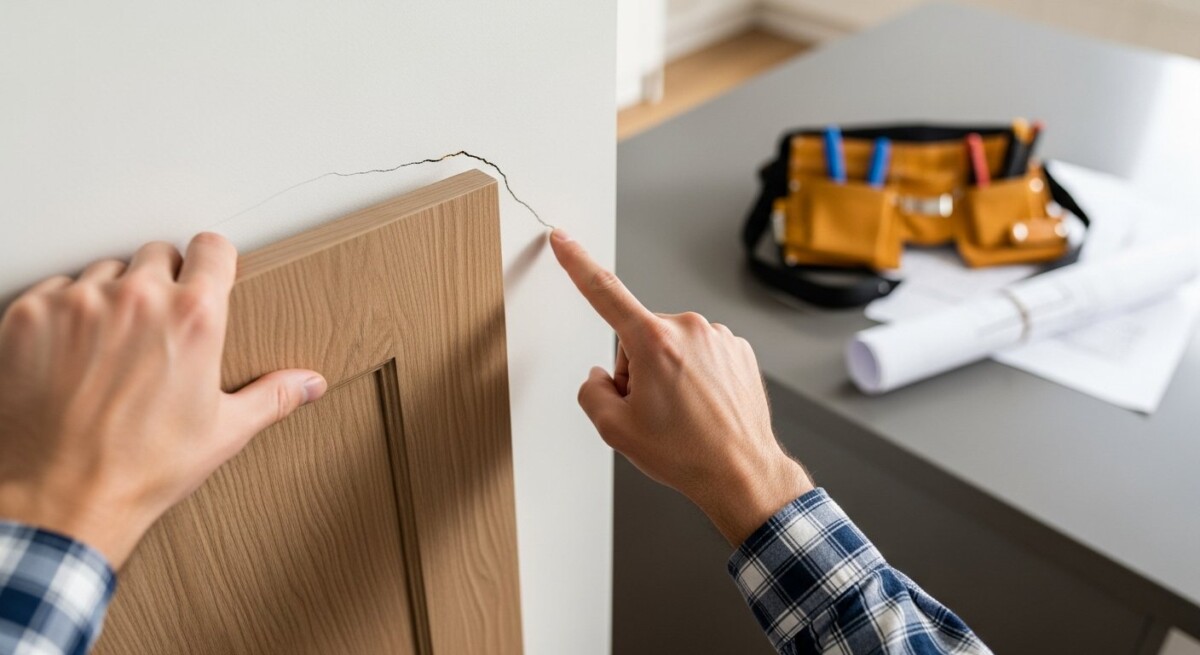
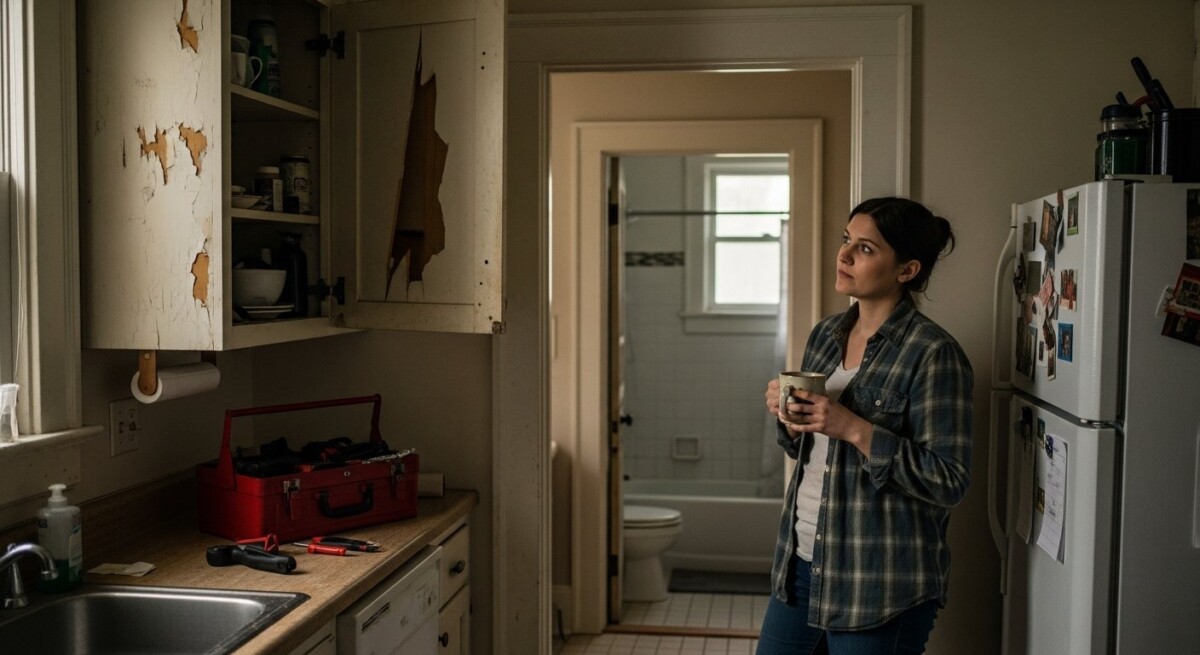
You walk into your kitchen one morning and notice the cabinet door is hanging by a single hinge. Or maybe the bathroom tile is starting to crack near the shower floor. Small signs like these often appear gradually, and it’s easy to brush them off. But when left unaddressed, what starts as a minor annoyance can turn into a major structural issue, mold problem, or safety hazard. Understanding how home remodeling works can help you catch problems early, avoid costly surprises, and make confident decisions about your next project.
Understanding How Home Remodeling Works
Home remodeling is the process of updating, repairing, or transforming parts of your home to improve its function, appearance, or safety. It covers everything from a single-room refresh to a whole-house renovation. While every project is unique, the basic flow is consistent: identify the problem, plan the solution, hire the right help, and execute the work.
Remodeling becomes necessary when materials age, systems fail, or your family’s needs change. Homes built more than 20 years ago often face outdated wiring, inefficient windows, or worn-out flooring, making them prime candidates for remodeling. Even newer homes can need work if the original construction cut corners or if you simply want a space that fits your lifestyle better.
How the Process Typically Unfolds
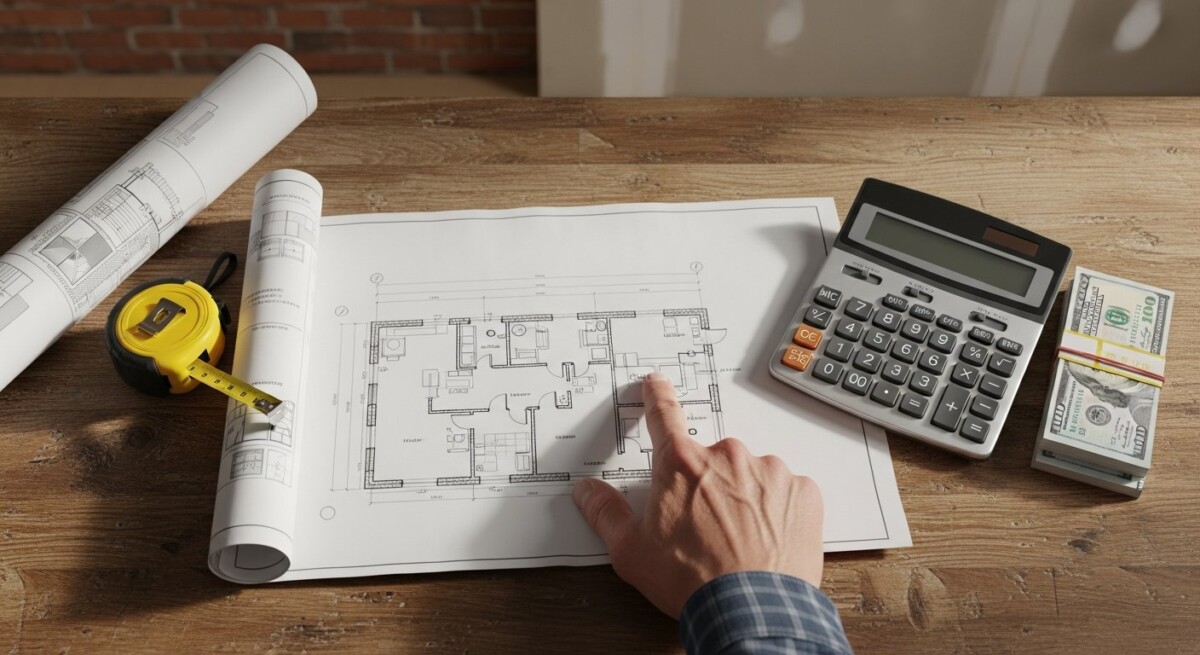
Most remodeling projects follow a predictable path. First, you identify the issue or goal,maybe a leaky faucet or a desire for more counter space. Next comes research and budgeting, where you gather ideas and set a realistic spending range. Then you reach out to contractors for quotes, review their proposals, and select a team. Finally, the physical work begins, often in phases like demolition, rough-in, finishing, and inspection.
Why This Matters for Your Home
Ignoring the early signs of wear can lead to much bigger problems. A small roof leak can rot the wood underneath, damage insulation, and eventually cause ceiling collapse. A cracked bathroom tile might let moisture seep into the subfloor, creating the perfect environment for mold. These issues don’t just hurt your home,they can affect your family’s health and safety.
The financial impact is also real. A $500 repair today can turn into a $5,000 replacement if you wait too long. In our guide on home remodeling cost estimate, we explain how delaying action often multiplies expenses. Plus, a well-maintained home holds its value better when it’s time to sell.
If you notice signs of this issue in your home, it may help to speak with a qualified contractor. Request a free quote or call to explore your repair or remodeling options.
Common Problems Homeowners Experience
Remodeling needs usually show up in predictable ways. You might see peeling paint, hear strange noises from pipes, or feel drafts near windows. These are your home’s way of telling you something needs attention.
Some issues are cosmetic at first but hide deeper trouble. For example, a popped floor tile could mean moisture trapped underneath, while a sticky window frame might point to foundation settling. Knowing how home remodeling works helps you separate a quick fix from a major project.
- Water stains on ceilings or walls indicating a leaky roof or pipe
- Drafty rooms that make your HVAC system work harder
- Outdated electrical panels that can’t handle modern appliances
- Worn-out flooring with cracks, stains, or loose planks
- Bathroom fixtures that are corroded, cracked, or inefficient
- Kitchen cabinets that won’t close properly or show water damage
How Professionals Solve the Problem
Experienced contractors bring more than tools,they bring knowledge. They know how to spot hidden issues, follow local building codes, and complete work efficiently. When you hire a pro, you’re paying for their training, their insurance, and their ability to get the job done right the first time.
Here is a typical sequence a contractor follows for a remodeling project:
- Inspection and assessment , They examine the area, identify damage, and check for underlying problems.
- Planning and permits , They create a detailed scope of work and pull any required permits from your local building department.
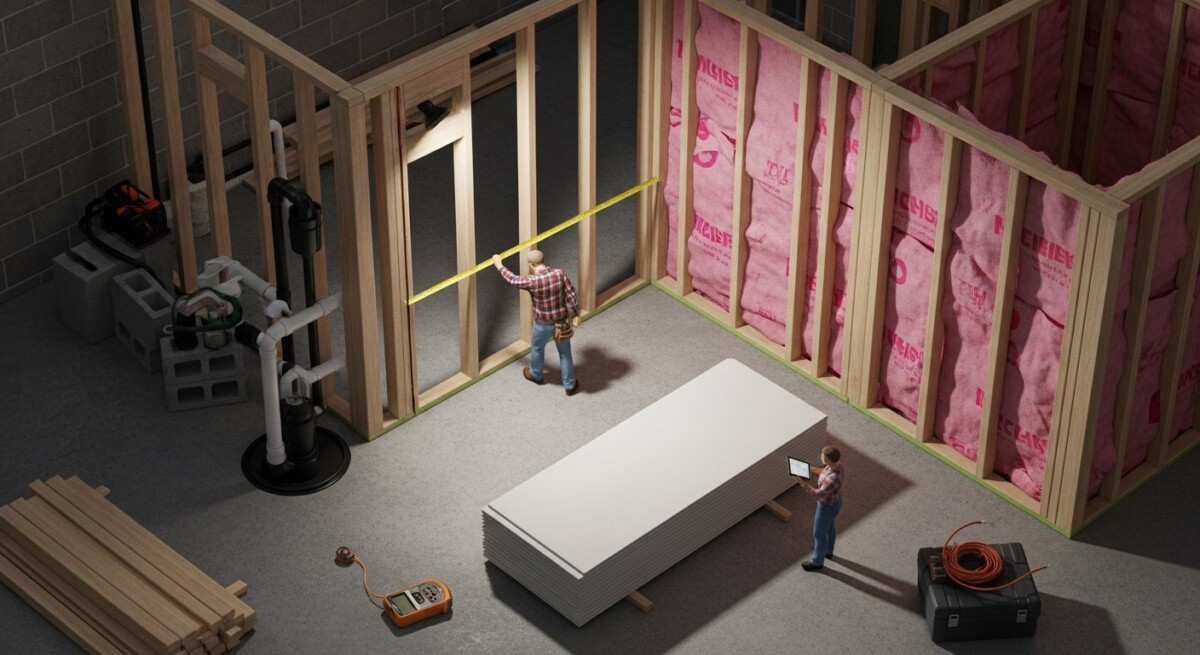
- Demolition and prep , They safely remove old materials and prepare surfaces for new installation.
- Rough-in work , This includes electrical, plumbing, or framing changes that go behind walls.
- Finishing and installation , They install new flooring, cabinets, fixtures, or other finishes.
- Cleanup and final inspection , They clean the worksite and walk through with you to ensure everything meets your expectations.
DIY might save money upfront, but mistakes can cost more than the original repair. Professionals also have access to better materials and can often complete the work in a fraction of the time. For more on finding trusted help, read our article on best home remodeling companies.
A professional inspection can reveal hidden issues before they become expensive repairs. Compare contractor quotes here or call to discuss your project.
Warning Signs You Should Not Ignore
Your home sends signals when something is wrong. Learning to recognize them early can save you thousands of dollars and a lot of stress. Pay attention to changes in how your home looks, feels, or sounds.
Some signs are obvious, like a puddle under the sink. Others are subtle, such as a door that suddenly sticks or a faint musty smell in the basement. Trust your instincts,if something feels off, it’s worth having a professional take a look.
- Sudden spikes in your water or energy bills with no obvious cause
- Cracks in walls, ceilings, or foundation that grow over time
- Mold or mildew that keeps returning despite cleaning
- Floors that feel spongy or uneven when you walk on them
- Windows or doors that no longer open or close smoothly
- Loose or missing shingles on your roof
What Affects the Cost of Repairs or Installation
Remodeling costs vary widely based on several factors. The size of the project is the biggest driver,a full kitchen remodel costs far more than replacing a countertop. The materials you choose also make a difference. For example, quartz countertops cost more than laminate but offer better durability and resale value.
Labor rates depend on your location and the complexity of the work. If your home is older, unexpected issues like asbestos, knob-and-tube wiring, or rotting wood can add to the cost. Accessibility matters too,a bathroom on the third floor is harder to remodel than one on the ground level.
Costs can vary depending on the condition of your home. The best way to know the price is to get a personalized estimate. Request free quotes from contractors or call today.
How to Choose the Right Contractor
Finding a good contractor is one of the most important steps in the remodeling process. A reliable pro makes the experience smooth, while a bad one can turn your dream project into a nightmare. Take your time and do your homework.
Start by asking for recommendations from neighbors, friends, or local online groups. Then interview at least three contractors and compare their proposals. Don’t automatically choose the lowest bid,look for the best value, which includes quality, timeline, and communication.
- Verify that the contractor is licensed and insured in your state
- Read online reviews and ask for references from recent projects
- Get a detailed written estimate that breaks down materials, labor, and timeline
- Compare at least three quotes to understand the market rate for your project
- Confirm the contractor has experience with projects similar to yours
Long-Term Benefits of Professional Work
Investing in professional remodeling pays off in many ways. First, your home becomes safer,no more worrying about faulty wiring, slippery floors, or moldy walls. Second, the work lasts longer because pros use quality materials and proper installation techniques.
Energy efficiency is another big win. New windows, insulation, and HVAC systems can lower your utility bills significantly. And when you decide to sell, a well-done remodel can boost your home’s resale value by a substantial margin. Learn which projects offer the best returns in our guide on high ROI home remodeling projects.
Finally, professional work reduces future maintenance. Instead of patching a problem every year, you fix it once and move on. That peace of mind is one of the greatest benefits of understanding how home remodeling works and acting on it.
What is the first step in a home remodeling project?
The first step is always a thorough inspection. Whether you’re fixing a leak or redesigning a whole room, a professional assessment helps you understand the scope of work and catch hidden issues before they become problems.
How long does a typical home remodeling project take?
Timeline depends on the project size. A bathroom remodel might take 2,4 weeks, while a kitchen renovation could run 6,12 weeks. Your contractor should provide a realistic timeline during the quoting process.
Do I need a permit for home remodeling?
Many projects require permits, especially those involving structural changes, electrical work, or plumbing. A reputable contractor will handle permit applications as part of their service. Skipping permits can lead to fines and issues when selling your home.
Can I stay in my home during a remodel?
It depends on the project. Small renovations like a single bathroom or flooring replacement are often manageable while you stay home. Major renovations involving multiple rooms or the kitchen may require you to make temporary living arrangements.
How much does a home remodel cost on average?
Costs vary widely. A minor bathroom remodel might cost $5,000,$15,000, while a full kitchen renovation can run $20,000,$50,000 or more. Getting multiple quotes from contractors is the best way to understand pricing for your specific project.
What’s the difference between a remodel and a renovation?
A renovation typically involves restoring or repairing something to good condition, like replacing a countertop. A remodel changes the structure or layout, such as knocking down a wall to create an open floor plan. Remodeling usually requires more planning and permits.
How do I know if my home needs remodeling or just repairs?
If the issue is isolated,like a single leaking faucet,repairs may be enough. If multiple systems are failing or you want to change the layout, remodeling is the better choice. A contractor can help you decide during an inspection.
What should I look for in a remodeling contract?
A good contract includes a detailed scope of work, material specifications, payment schedule, start and end dates, and warranty information. Never sign a contract with blank spaces or vague language.
Remodeling your home doesn’t have to be overwhelming. When you understand the process, recognize the warning signs, and work with qualified professionals, you protect your investment and create a space you’ll love for years. Start by comparing contractor quotes to see what’s possible for your home and your budget.

About Alex Carter
"*" indicates required fields