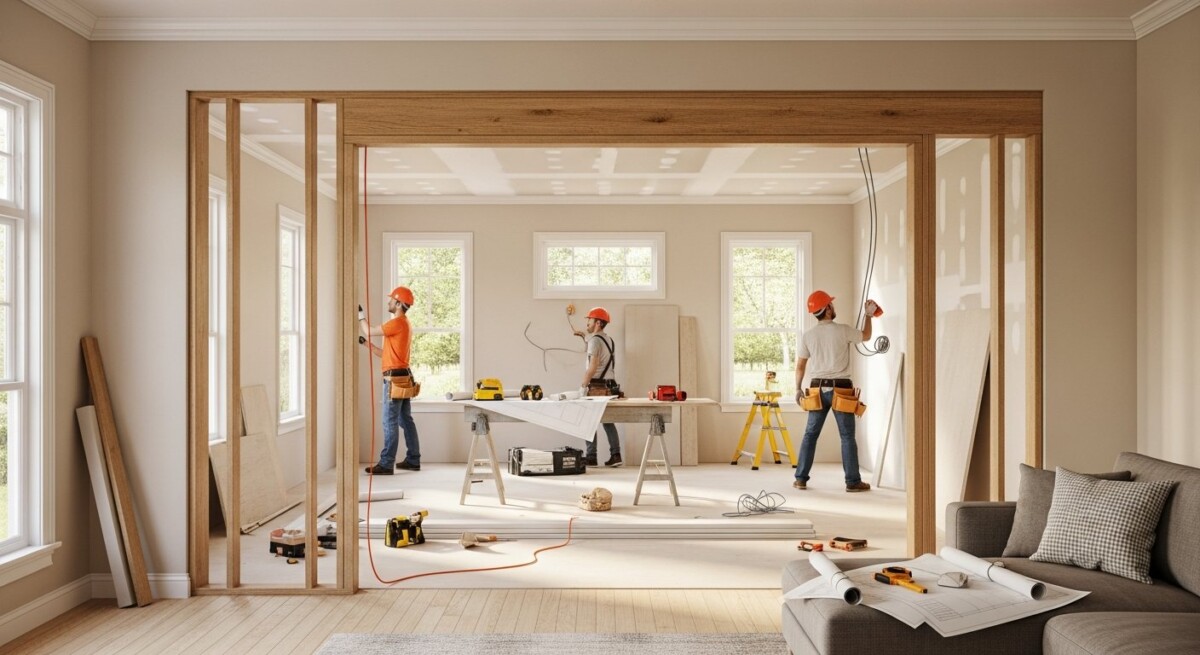
Can You Live During Renovation? A Practical Guide for Homeowners
"*" indicates required fields
The question “can you live during renovation” is one of the first things homeowners ask when planning a home improvement project. The short answer is yes, but the real question is whether you should. Living through a renovation can save you thousands of dollars on temporary housing, but it also tests your patience, comfort, and daily routines. Understanding what to expect, how to prepare, and when to step away can turn a chaotic experience into a manageable one. This guide walks through the key factors that determine whether staying in your home during a remodel is the right choice for your specific project.
Factors That Determine If You Can Stay in Your Home
Several variables influence whether living through a renovation is feasible. The scope of work, the number of rooms affected, and the duration of the project all play major roles. A simple bathroom remodel might take two to three weeks and leave the rest of the house untouched. A whole-home renovation, however, can disrupt plumbing, electricity, and access to basic amenities for months.
Your family size and daily schedule matter too. A couple without children may tolerate dust and noise better than a family with toddlers or remote workers. If you work from home, losing access to a quiet space or reliable internet for weeks can affect your productivity. Similarly, if you have pets, especially cats or dogs that are sensitive to loud noises and strangers, the stress of a renovation can be significant.
Scope of the Renovation
The most critical factor is the scale of the work. Minor updates like painting, flooring replacement, or cabinet refacing usually allow you to continue living in the home with minimal disruption. Major structural changes, such as removing walls, rerouting HVAC systems, or gutting a kitchen, can render parts of your home unusable. If the renovation involves the only bathroom in the house, you will need an alternative plan for hygiene. If the kitchen is being gutted, you will need a temporary cooking setup.
For projects like a whole-home renovation, many contractors recommend moving out entirely for safety and efficiency. In our guide on Can You Live During Renovation? A Practical Guide for Homeowners, we explain how to evaluate your specific project and make an informed decision.
How to Prepare Your Home and Family for Living Through a Renovation
Preparation is the key to survival. Without a plan, even a small renovation can feel overwhelming. Start by creating a clear timeline with your contractor. Know which days will be noisy, which rooms will be off-limits, and when utility shutoffs will occur. This information allows you to plan meals, showers, and work schedules around the disruption.
Next, set up a temporary living zone. This should be a room or area that remains untouched by the renovation. Ideally, it has a door you can close to contain dust and noise. Stock this zone with essentials: a mini-fridge, microwave, coffee maker, phone chargers, and entertainment. If you have children, include toys, books, and tablets to keep them occupied. This space becomes your sanctuary when the rest of the house feels like a construction site.
Managing Dust and Debris
Dust is the most pervasive nuisance during a renovation. It travels through vents, under doors, and into every crevice. To minimize its spread, seal off the work area with heavy-duty plastic sheeting and painter’s tape. Ask your contractor to use dust barriers and negative air pressure machines if the project involves sanding, drywall, or demolition. Cover furniture and electronics with drop cloths or plastic covers. Turn off forced-air HVAC systems during dusty work and run an air purifier in your living zone.
Another practical step is to remove or store valuables, fragile items, and sentimental pieces before work begins. This protects them from accidental damage and reduces stress. If you have expensive rugs or upholstered furniture, consider renting a storage unit for the duration of the project. The cost is often less than renting an apartment, and it keeps your belongings safe.
Risks and Challenges of Living Through a Renovation
Living through a renovation is not without risks. Safety hazards include exposed wiring, nails, sharp tools, and uneven floors. Children and pets are especially vulnerable. Establish strict rules about where they can go and when. Use baby gates or temporary barriers to block off dangerous areas. Always wear shoes inside the house to protect your feet from nails and debris.
Health risks also exist. Dust from old insulation, drywall, or lead paint can be harmful if inhaled over time. If your home was built before 1978, have it tested for lead before demolition begins. Asbestos, commonly found in older flooring, ceiling tiles, and insulation, requires professional removal. Your contractor should follow OSHA guidelines for containment and disposal. If you have allergies or asthma, consider moving out during the dustiest phases of the project.
Emotional strain is another challenge. The constant noise, lack of privacy, and disruption to routines can cause tension among family members. Couples often argue more during renovations because of the stress. To mitigate this, communicate openly about expectations and frustrations. Schedule regular check-ins with your partner and contractor to address issues before they escalate. Remember that the discomfort is temporary, and the result will be a home you love.
When You Should Consider Moving Out Temporarily
In some situations, moving out is not just convenient but necessary. If your renovation involves any of the following, strongly consider temporary housing:
- Complete kitchen or bathroom gutting with no alternative facilities available.
- Structural work that compromises the home’s envelope, such as roof replacement or window installation.
- Removal of load-bearing walls or foundation work that makes the home unsafe to occupy.
- Lead paint or asbestos abatement that requires the home to be vacant.
- Projects lasting longer than four weeks with extensive daily disruption.
When you move out, you gain peace of mind and often a faster project timeline because contractors can work without worrying about your schedule. The downside is the added expense of rent, storage, and meals. Calculate whether the cost of moving out fits your budget. If it does, the reduced stress may be worth every dollar.
If you cannot afford to move out, look for creative solutions. Stay with family or friends for a week during the most disruptive phase. Rent an RV and park it in your driveway. Use a camper van or tiny house on your property if you have the space. Some homeowners rent a single room in a shared house or use short-term rental platforms for a month. These options cost less than a full apartment lease.
How to Maintain Your Sanity During the Renovation
Staying positive during a renovation requires intentional effort. Start by setting realistic expectations. Renovations almost always take longer than planned and cost more than estimated. Accepting this upfront reduces disappointment when delays happen. Build a buffer of two to four weeks into your timeline for unexpected issues.
Create a routine that grounds you. If you work from home, establish a dedicated workspace in your living zone and stick to regular hours. Take breaks outside the house to escape the noise and dust. Go for a walk, visit a coffee shop, or sit in a park. Physical separation from the chaos even for 30 minutes can reset your mood.
Celebrate small victories. When a phase is completed, take a moment to appreciate the progress. Snap photos of each stage so you can look back and see how far the project has come. This visual reminder helps you stay motivated when the process feels endless.
Financial Considerations and Budgeting for Living Arrangements
Your budget should account for the hidden costs of living through a renovation. These include eating out more often, laundry services if your washer and dryer are inaccessible, and additional cleaning supplies. If you move out, factor in rent, utilities, storage, and commuting costs. A good rule of thumb is to set aside 10 to 15 percent of your renovation budget for living expenses during the project.
Insurance is another consideration. Check your homeowner’s policy to see if it covers temporary living expenses if your home becomes uninhabitable due to a covered event. Standard policies usually do not cover voluntary renovations, but some offer add-ons for construction-related disruptions. Speak with your insurance agent before the project starts.
If you are financing the renovation through a loan or home equity line, include living expenses in your borrowing amount. This ensures you have the cash flow to cover both the project and your daily needs without dipping into emergency savings.
Practical Tips for Specific Renovation Types
Different renovations present unique challenges. Here is advice for the most common projects:
Kitchen Renovation: Set up a temporary kitchen in another room. Use a microwave, slow cooker, electric skillet, and toaster oven for meals. Wash dishes in the bathroom sink or use disposable plates and utensils. Stock up on easy-to-prepare foods and plan for more takeout than usual.
Bathroom Renovation: If you have only one bathroom, schedule the work to minimize downtime. Ask your contractor to complete demolition and installation in the shortest possible window. Use a gym membership or a friend’s house for showers. Portable camping showers can also work in a pinch.
Basement or Attic Remodeling: These projects often involve framing, insulation, and drywall, which generate significant dust. Seal off the area completely and avoid using the space until the work is done. If the basement contains your laundry or storage, relocate those items temporarily.
Whole-Home Renovation: In most cases, moving out is the wisest choice. The disruption to every system in the house makes daily life nearly impossible. If you must stay, designate one room as a living space and ensure it has a functioning bathroom and kitchenette. Expect the project to take longer because contractors must work around you.
Working With Your Contractor to Make It Work
Clear communication with your contractor is essential. Before signing a contract, discuss your plan to live in the home during the renovation. Ask about their experience with occupied projects and their policies for dust control, daily cleanup, and work hours. A contractor who regularly works with homeowners on-site will have protocols in place to minimize disruption.
Establish ground rules early. Agree on a start and end time each day. Specify which areas are off-limits to workers. Decide how debris will be removed and how often the site will be cleaned. Put these terms in writing as part of your contract. This prevents misunderstandings and gives you recourse if the contractor fails to meet expectations.
Build a good relationship with the crew. A simple gesture like offering coffee or water can go a long way. When workers feel respected, they are more likely to take care with your belongings and communicate issues promptly. On the flip side, if problems arise, address them directly and professionally. Do not wait until frustration builds.
For more detailed advice on handling the logistics of an occupied renovation, visit Can You Live During Renovation? A Practical Guide for Homeowners for a step-by-step checklist and expert insights.
Ultimately, the answer to “can you live during renovation” depends on your project, your family, and your tolerance for disruption. With careful planning, clear communication, and a willingness to adapt, many homeowners successfully stay in their homes through the process. The key is to be honest with yourself about the challenges and prepare for them in advance. Your renovated home will be worth the temporary inconvenience.

About Alex Carter
"*" indicates required fields