What Is Smart Home Remodeling: A Practical Guide for Homeowners
"*" indicates required fields
Imagine walking into your kitchen and realizing the lights won’t turn on, or noticing a musty smell in your basement that wasn’t there last week. Homeowners often discover problems like outdated wiring, inefficient heating, or aging plumbing during routine cleaning or after a sudden spike in utility bills. These small annoyances can quickly escalate into costly emergencies if ignored. This is where understanding what is smart home remodeling becomes essential for protecting your home and your budget.
Understanding what is smart home remodeling
Smart home remodeling is the process of upgrading your home with modern, energy-efficient, and connected systems that improve comfort, safety, and convenience. It goes beyond installing a few gadgets,it means rethinking how your home functions as a whole. For example, replacing old windows with energy-efficient models, upgrading your thermostat to a programmable version, or adding smart lighting that adjusts to your daily routine.
Why does this matter? Homes built more than 20 years ago often lack the infrastructure needed for today’s technology and energy standards. Wiring may not support modern appliances, insulation might be inadequate, and plumbing could be prone to leaks. Smart remodeling addresses these gaps by integrating new systems that work together seamlessly. Homes in older neighborhoods, historic districts, or those that have never been renovated are most likely to benefit from this approach.
Is smart remodeling only for tech lovers?
Not at all. While the term “smart” sounds high-tech, the goal is practical: make your home easier to manage, safer to live in, and cheaper to run. You don’t need to control everything from your phone. Simple upgrades like a smart thermostat that learns your schedule or a water leak detector that alerts you before flooding starts are accessible and affordable for most homeowners.
Why This Matters for Your Home
Ignoring the need for smart upgrades can lead to serious consequences. Outdated electrical systems are a leading cause of house fires, while old plumbing can cause water damage that ruins floors and walls. Inefficient heating and cooling systems waste energy, driving up monthly bills and putting extra strain on the environment. Over time, small issues like drafty windows or a flickering light become expensive repairs.
Safety is another major concern. Homes without modern smoke detectors, carbon monoxide alarms, or security features leave your family vulnerable. Smart remodeling allows you to integrate these safety devices into a single system that alerts you on your phone, even when you’re away. This peace of mind is something every homeowner deserves.
Finally, your home’s value depends on its condition and features. Buyers today expect energy-efficient windows, modern HVAC systems, and updated electrical panels. A home that lacks these upgrades may sit on the market longer or sell for less. Investing in smart remodeling now can pay off when it’s time to sell.
If you notice signs of this issue in your home, it may help to speak with a qualified contractor. Request a free quote or call to explore your repair or remodeling options.
Common Problems Homeowners Experience
Homeowners often notice problems gradually. Maybe your circuit breaker trips frequently when you run the microwave and toaster at the same time. Or your second floor feels much hotter than the first floor in summer. These are signs that your home’s systems are struggling to keep up with modern demands.
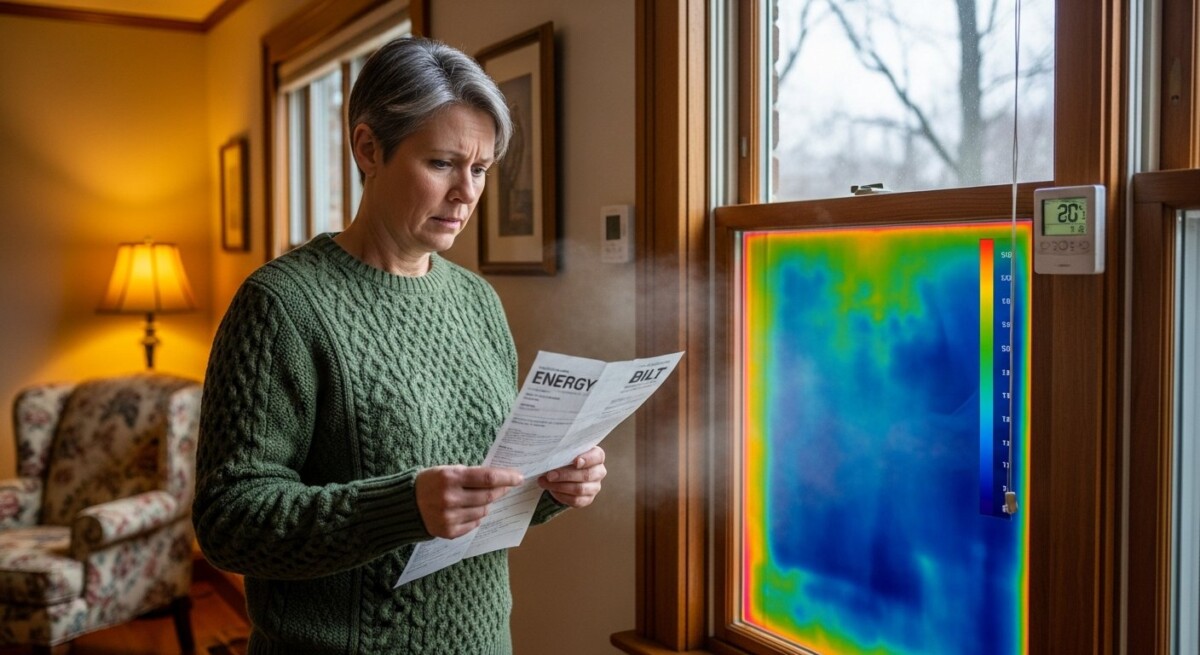
Another common issue is high energy bills that keep rising despite no change in usage. Drafty windows, poor insulation, and an aging furnace or air conditioner are typical culprits. You might also notice that some rooms are always too cold or too warm, indicating uneven heating or cooling distribution.
- Frequent tripping of circuit breakers or blown fuses
- Rooms that are consistently too hot or too cold
- Mold or mildew in basements or bathrooms
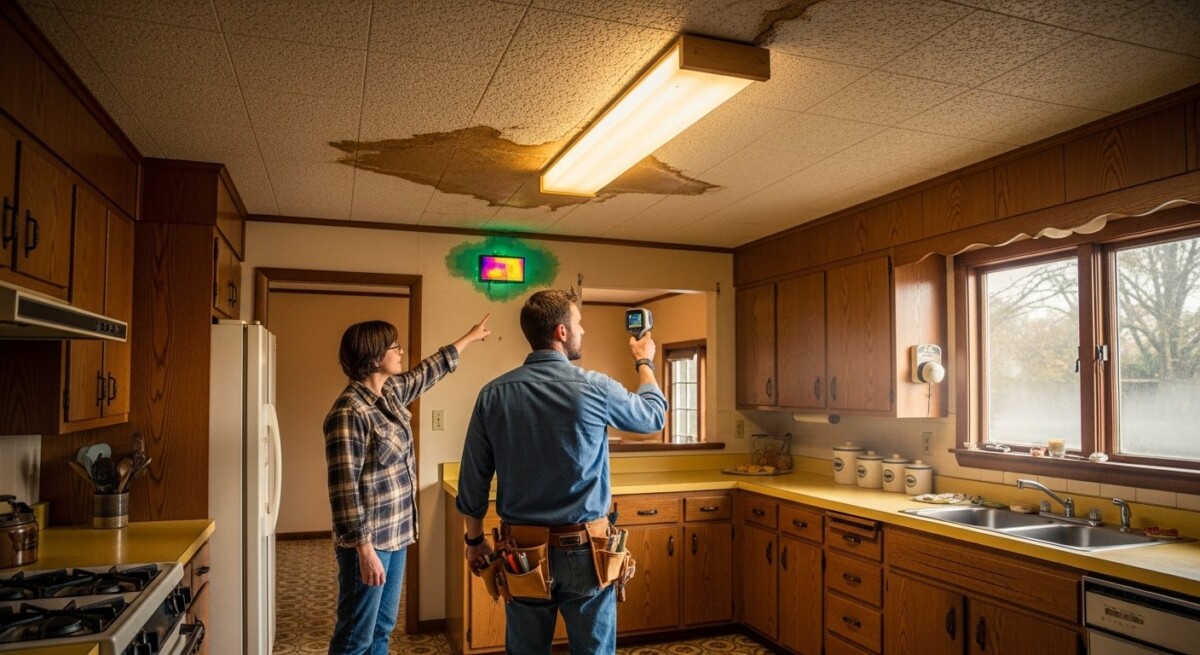
- Water stains on ceilings or walls
- Outdated light switches or outlets that feel warm to the touch
- High energy bills that increase every year
How Professionals Solve the Problem
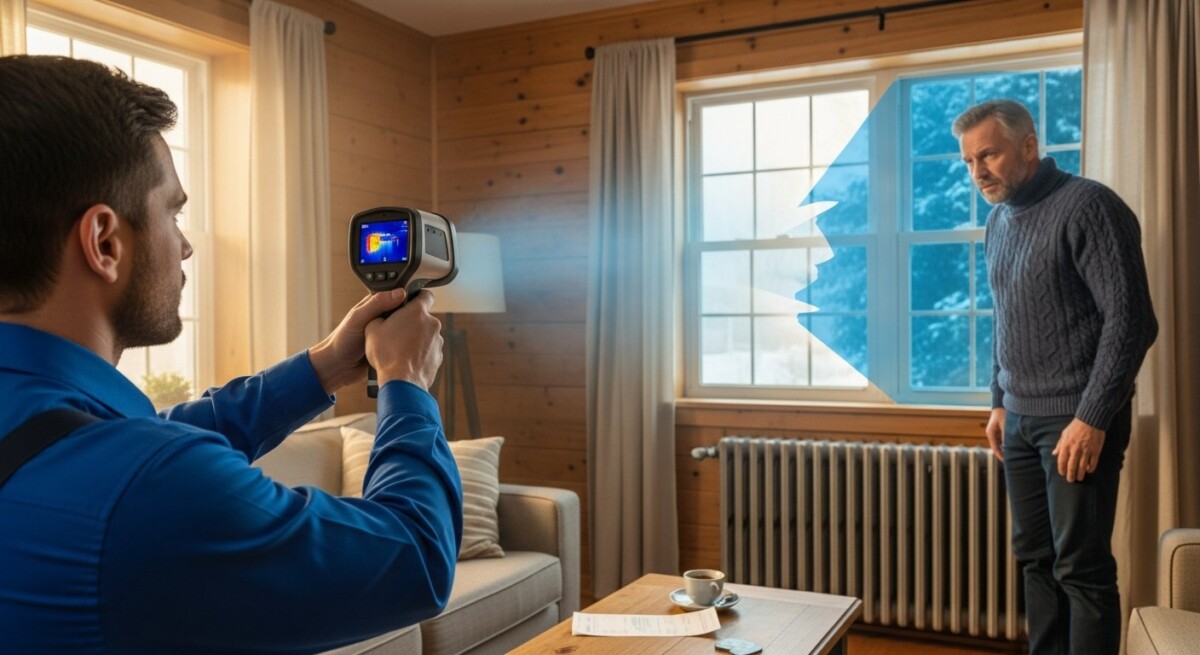
Professional contractors bring experience and tools that most homeowners don’t have. They start with a thorough inspection of your home’s existing systems,electrical, plumbing, HVAC, and insulation. Using diagnostic equipment, they can identify hidden issues like air leaks, overloaded circuits, or pipe corrosion that you might miss.
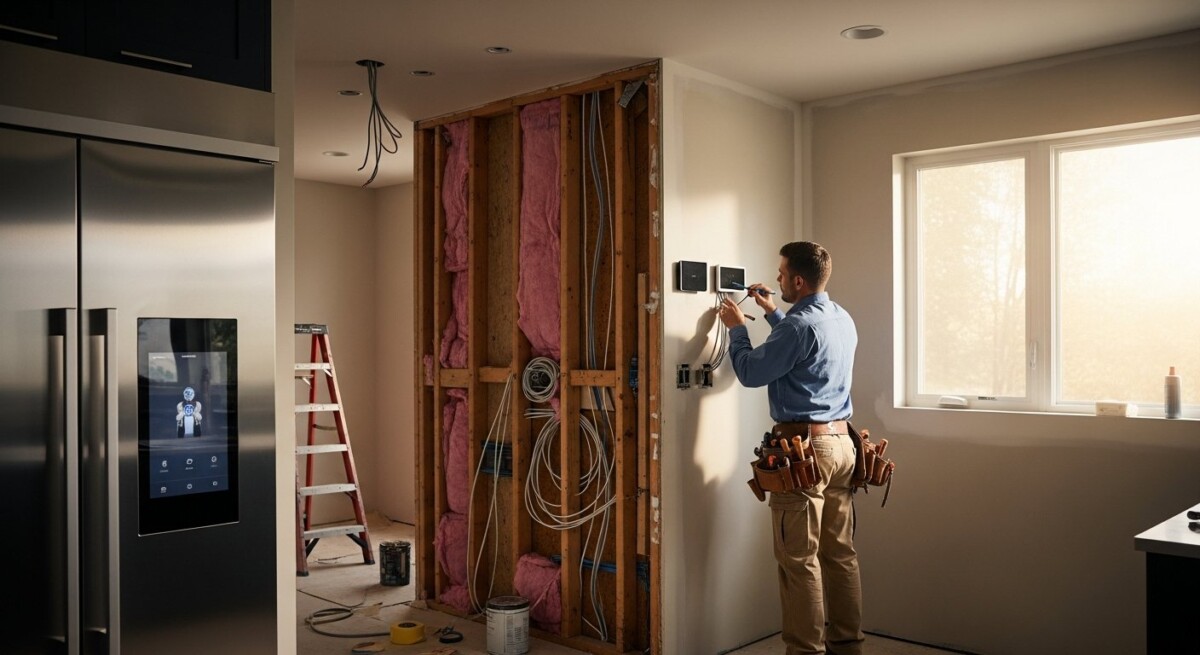
Once the assessment is complete, they design a solution tailored to your home and budget. This might include upgrading your electrical panel to handle more devices, adding insulation to the attic, or replacing old windows with double-pane, low-E glass models. Professionals also handle permits and ensure all work meets local building codes, which protects you from future liability.
- Inspection: A contractor evaluates your home’s current condition and identifies problem areas.
- Planning: They create a detailed plan that includes materials, timeline, and cost estimates.
- Installation: Skilled technicians perform the upgrades, from wiring and plumbing to window and HVAC installation.
- Testing: Every system is tested to ensure it works correctly and efficiently.
- Follow-up: Many contractors offer warranties and maintenance tips to keep your systems running smoothly.
DIY fixes may seem cheaper upfront, but mistakes can lead to bigger problems. Incorrect wiring can cause fires, and improper plumbing can lead to mold growth. Professionals are insured, so if something goes wrong, you’re not left with the bill. Home remodeling in Dallas Texas shows how local contractors tailor solutions to regional climates and building styles, ensuring long-lasting results.
A professional inspection can reveal hidden issues before they become expensive repairs. Compare contractor quotes here or call to discuss your project.
Warning Signs You Should Not Ignore
Your home often gives you clues that something isn’t right. Pay attention to changes in how your home feels, sounds, and smells. A musty odor in the basement could mean a slow leak that’s damaging your foundation. A buzzing sound from an outlet may indicate faulty wiring that could spark a fire.
Early action is key. Catching a small plumbing leak before it rots your subfloor saves thousands of dollars. Addressing attic insulation before winter means lower heating bills and a more comfortable home. Don’t wait until the problem forces you to act,by then, you’re paying for emergency repairs instead of planned upgrades.
- Warm or discolored spots on walls or ceilings
- Unusual smells, especially burning or musty odors
- Water pooling around the water heater or furnace
- Doors or windows that stick or are difficult to open
- Drafty rooms even with windows closed
- Higher-than-normal humidity indoors, especially in summer
What Affects the Cost of Repairs or Installation
The cost of a smart home remodeling project varies widely based on several factors. The size of your home is a major driver,a 3,000-square-foot house will cost more to rewire or insulate than a 1,200-square-foot condo. The age of your home also matters; older homes often require more extensive work to bring them up to modern standards.
Materials play a big role too. Energy-efficient windows, smart thermostats, and modern electrical panels vary in price by brand and quality. Labor costs depend on your location and the complexity of the job. For example, installing a smart thermostat is relatively simple, but upgrading an entire electrical panel requires a licensed electrician and may take a full day.
Accessibility is another factor. If your attic is hard to reach or your crawlspace is tight, contractors may charge more for the extra time needed. Permits and inspections add to the total but are necessary for safety and legality. Planning a smart home remodeling budget? Our guide on budgeting home renovation walks you through estimating costs and avoiding surprises.
Costs can vary depending on the condition of your home. The best way to know the price is to get a personalized estimate. Request free quotes from contractors or call today.
How to Choose the Right Contractor
Finding a trustworthy contractor is one of the most important steps in any remodeling project. Start by asking friends, neighbors, or local online groups for recommendations. Look for contractors who specialize in the type of work you need,whether it’s electrical, plumbing, insulation, or window replacement.
Always verify licenses and insurance before hiring. A licensed contractor has passed exams and stays updated on building codes. Insurance protects you if a worker gets injured on your property. Read online reviews on platforms like Google or the Better Business Bureau, but also ask for references from recent projects similar to yours.
- Check that the contractor is licensed and insured in your state.
- Read at least 10 recent reviews from homeowners with similar projects.
- Ask for a detailed written estimate that includes materials, labor, and timeline.
- Get quotes from at least three contractors to compare pricing and approach.
- Confirm the contractor has experience with smart home upgrades or the specific system you want installed.
Long-Term Benefits of Professional Work
When you hire a professional for your smart home remodeling, you’re investing in long-term peace of mind. Properly installed systems last longer and perform better. A well-sealed home with modern insulation keeps temperatures steady, reducing wear and tear on your HVAC system. That means fewer repairs and a longer lifespan for your equipment.
Energy efficiency is another lasting benefit. Smart thermostats, LED lighting, and energy-efficient windows can cut your utility bills by 20% or more. Over a year, those savings add up. Plus, many upgrades qualify for tax credits or rebates, putting money back in your pocket. Modern home remodeling ideas often include these energy-saving features that boost comfort and resale value simultaneously.
Finally, your home’s resale value increases. Buyers are willing to pay more for a home that already has smart features and energy-efficient systems. They know they won’t have to spend money on upgrades themselves. Professional work also comes with warranties, so if something fails, you’re covered. This combination of savings, safety, and value makes smart remodeling one of the best investments you can make.
What does smart home remodeling include?
Smart home remodeling can include upgrading your electrical panel, installing smart thermostats, adding energy-efficient windows and doors, improving insulation, updating plumbing fixtures, integrating smart lighting, and adding security systems. The goal is to make your home safer, more comfortable, and cheaper to run.
Is smart home remodeling expensive?
Costs vary, but many upgrades offer strong returns on investment. A smart thermostat costs a few hundred dollars installed, while a full electrical panel upgrade may run $1,500 to $3,000. You can start small and expand over time. Getting multiple quotes helps you find a solution that fits your budget.
Do I need to rewire my entire home for smart features?
Not necessarily. Many smart devices work wirelessly or plug into existing outlets. However, if your home has old wiring that can’t handle modern loads, you may need to update the electrical panel or add new circuits. A professional inspection will tell you exactly what’s needed.
How long does a smart home remodeling project take?
It depends on the scope. A single upgrade like a smart thermostat can be done in an hour. A whole-home upgrade involving electrical, insulation, and windows may take several weeks. Your contractor will provide a timeline during the planning phase.
Can I do smart home upgrades myself?
Simple tasks like installing a smart bulb or plugging in a smart plug are DIY-friendly. But electrical work, plumbing changes, and major insulation projects are best left to professionals. Mistakes can lead to safety hazards, void warranties, or cause expensive damage.
Will smart remodeling increase my home’s value?
Yes. Homes with modern, energy-efficient features sell faster and for higher prices. Smart thermostats, updated electrical systems, and energy-efficient windows are attractive to buyers who want lower utility bills and less maintenance.
What is the first step in smart home remodeling?
Start with an energy audit or a home inspection. This identifies where your home is losing energy and which systems are outdated. Then, prioritize upgrades based on safety, comfort, and budget. A contractor can help you create a phased plan.
How do I find a reliable contractor for smart remodeling?
Ask for referrals from friends or neighbors, check online reviews, and verify licenses and insurance. Get at least three detailed quotes and compare them. Choose a contractor who communicates clearly and has experience with the specific upgrades you want.
Your home is one of your biggest investments. Taking action early,before small issues become large expenses,protects your family, your comfort, and your wallet. Whether you start with a simple thermostat upgrade or plan a full renovation, the key is to begin with a clear understanding of your home’s needs. The smartest move you can make is to compare quotes from qualified contractors who can turn your vision into reality.

About Alex Carter
"*" indicates required fields