Bathroom Remodel Cost Guide: What Homeowners Should Expect
"*" indicates required fields
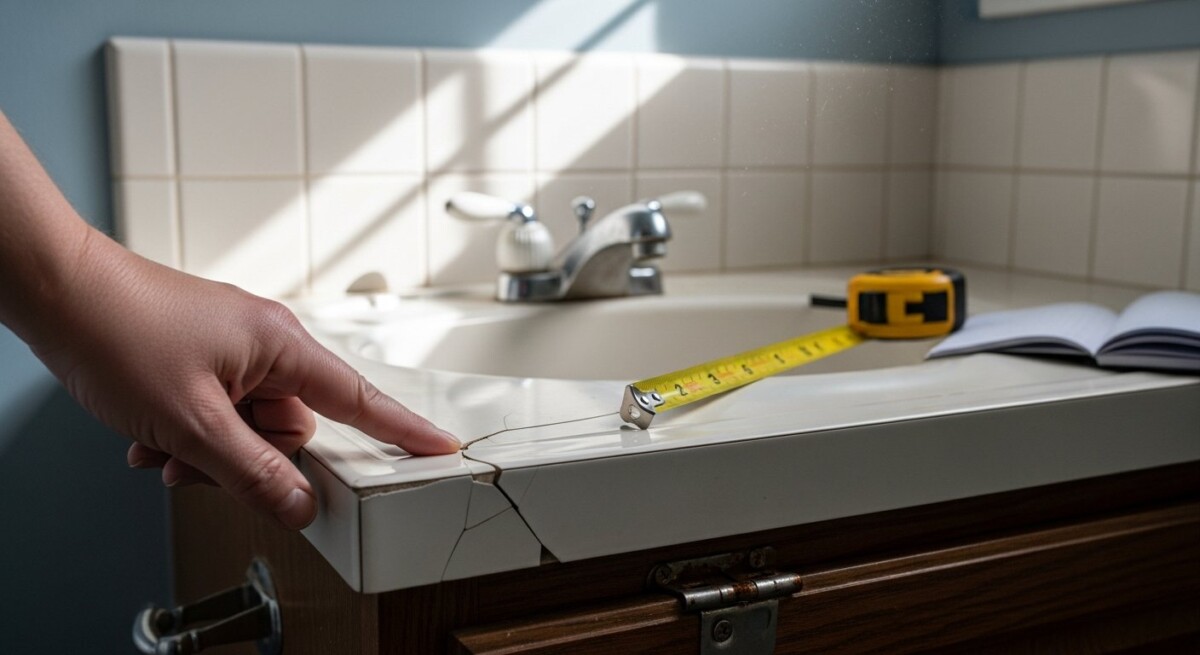
You step into your bathroom one morning and notice a small crack in the tile. Maybe the showerhead drips a little more than it used to, or the vanity doors just don’t close right anymore. At first, these seem like minor annoyances,the kind you can live with for a while. But over weeks and months, that crack spreads, the drip stains the grout, and the cabinet hinges start to rust. Suddenly, what felt like a small inconvenience has turned into a real problem. If this sounds familiar, you are not alone. Many homeowners face these same frustrations, and understanding the bathroom remodel cost guide can help you plan ahead instead of reacting to surprises.
Understanding bathroom remodel cost guide
A bathroom remodel cost guide is simply a practical breakdown of what you might pay for different types of bathroom upgrades. It covers everything from a basic refresh,like new paint, fixtures, and lighting,to a full gut renovation that replaces flooring, plumbing, and cabinetry. The goal of a cost guide is to give you a realistic range so you can budget wisely and avoid sticker shock.
Costs vary widely depending on where you live, the size of your bathroom, and the materials you choose. For example, a small powder room remodel might cost significantly less than a master bath overhaul. Knowing these differences early on helps you decide which projects make sense for your home and your wallet. For a broader look at home improvement budgets, our home remodeling cost estimate guide offers additional insights.
What drives the cost of a bathroom remodel?
Several key factors influence the final price. Labor is often the largest expense, followed by materials like tile, countertops, and fixtures. The condition of your existing plumbing and electrical systems also matters,older homes may require updates to meet current codes, which adds to the total. Even the layout of your bathroom can affect cost; moving a toilet or shower typically requires more work than replacing fixtures in the same spots.
Why This Matters for Your Home
Ignoring a bathroom that needs updating can lead to bigger problems down the road. A slow leak behind the wall might cause wood rot or mold, which not only damages your home but also affects indoor air quality. Outdated plumbing can fail unexpectedly, leading to water damage that costs thousands to repair. Beyond safety, an old or poorly maintained bathroom can lower your home’s resale value. Buyers often judge a house by its bathrooms, and dated finishes or functional issues can be a dealbreaker.
Addressing bathroom issues early also saves you money. What starts as a simple fixture replacement can turn into a full renovation if water damage spreads. Planning a remodel on your own terms gives you more control over the budget, timeline, and design choices. You avoid the stress of emergency repairs and can invest in upgrades that improve your daily comfort and energy efficiency.
If you notice signs of this issue in your home, it may help to speak with a qualified contractor. Request a free quote or call to explore your repair or remodeling options.
Common Problems Homeowners Experience
Bathroom problems often start small but grow quickly if left unchecked. Many homeowners first notice cosmetic issues like chipped tiles, peeling paint, or foggy shower doors. These may seem like minor flaws, but they can indicate moisture problems underneath the surface. Over time, water seeps into subflooring and framing, causing rot that weakens the structure of your home.
Functional issues are just as common. A toilet that runs constantly, a faucet that leaks, or a shower that loses pressure can make daily routines frustrating. These problems often point to worn-out valves, seals, or pipes that need replacement. In older homes, outdated electrical systems may not support modern lighting or ventilation, creating safety hazards and poor air circulation.
- Cracked or missing grout that allows water behind tiles
- Water stains on ceilings or walls near the bathroom
- Mold or mildew that returns even after cleaning
- Vanity or cabinet doors that stick or won’t close
- Floor tiles that feel soft or spongy underfoot
- Persistent odors that suggest hidden moisture or drainage issues
How Professionals Solve the Problem
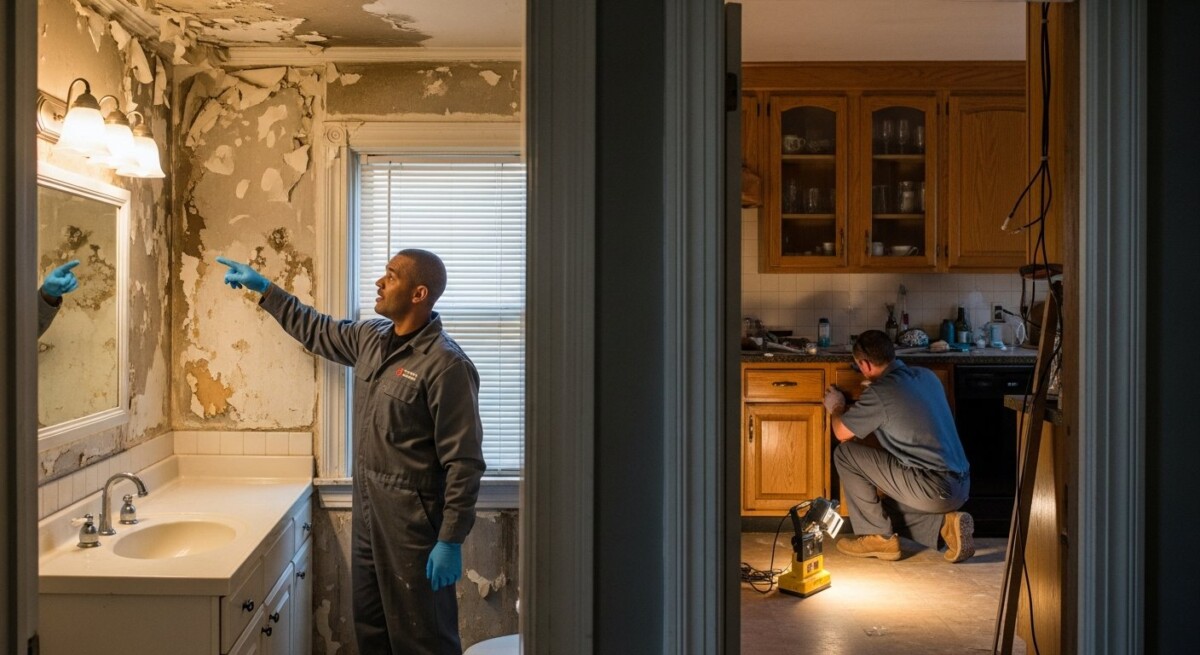
Experienced contractors approach a bathroom remodel with a clear process that minimizes disruption and ensures quality results. They start by assessing the current condition of your bathroom, checking for hidden water damage, mold, or structural issues that aren’t visible to the untrained eye. This thorough inspection helps them create a detailed plan and accurate cost estimate before any work begins.
Once the plan is in place, professionals handle every phase of the project, from demolition to final installation. They coordinate plumbing, electrical, tiling, and finishing work so that each step flows smoothly. Licensed contractors also pull the necessary permits and schedule inspections, making sure your remodel meets local building codes. This protects your investment and your safety.
- Initial consultation and on-site measurement
- Detailed estimate with material and labor breakdown
- Demolition and disposal of old fixtures and finishes
- Rough-in work for plumbing, electrical, and ventilation
- Installation of new subfloor, drywall, and waterproofing
- Tile, countertop, and fixture installation
- Final inspection and cleanup
A professional inspection can reveal hidden issues before they become expensive repairs. Compare contractor quotes here or call to discuss your project.
Warning Signs You Should Not Ignore
Your bathroom often gives clear signals when something is wrong. Paying attention to these early warnings can save you from costly repairs later. For example, if you notice a musty smell that doesn’t go away, there is likely moisture trapped behind walls or under the floor. Similarly, paint that bubbles or peels near the shower or tub is a sign that water is seeping where it shouldn’t.
Other red flags include difficulty opening or closing windows, doors, or drawers. Humidity and moisture can cause wood to swell and warp over time. If your bathroom feels stuffy or your mirror fogs up constantly, your ventilation system may not be working properly. Addressing these signs early helps maintain a healthy, comfortable bathroom.
- Warm spots on the floor or wall that could indicate a leak
- Loose tiles or grout that crumbles easily
- Rust or corrosion on pipes, fixtures, or drain covers
- Water that pools around the base of the toilet or vanity
- Difficultly turning faucets or shower handles
- Visible cracks in the shower pan or tub surface
What Affects the Cost of Repairs or Installation
The cost of a bathroom remodel depends on several variables that are unique to your home. The size of the space is one of the biggest factors,a half-bath refresh costs much less than a full master bathroom renovation. The quality of materials you choose also has a major impact. Basic ceramic tile and stock vanities keep costs down, while natural stone, custom cabinetry, and premium fixtures increase the budget significantly.
Labor costs vary by region and by the complexity of the work. If your bathroom requires relocating plumbing or electrical lines, expect higher labor charges. Accessibility matters too: a bathroom on the second floor or in a tight space may take longer to work on. The age of your home can also play a role, as older properties may have outdated wiring, cast iron pipes, or asbestos that must be handled carefully.
Costs can vary depending on the condition of your home. The best way to know the price is to get a personalized estimate. Request free quotes from contractors or call today.
How to Choose the Right Contractor
Selecting a contractor for your bathroom remodel is one of the most important decisions you will make. A skilled professional can turn your vision into reality while staying on budget and on schedule. Start by asking for recommendations from friends, family, or neighbors who have recently completed a remodel. Online reviews and ratings also give you a sense of a contractor’s reputation and reliability.
Once you have a few candidates, take time to verify their credentials. A licensed and insured contractor protects you from liability if something goes wrong during the project. Ask for detailed written estimates that break down labor, materials, and any additional fees. Comparing multiple quotes helps you understand what a fair price looks like for your specific project. For more details on project timelines, check out our article on how long a bathroom remodel takes.
- Verify that the contractor holds a valid license and liability insurance
- Read customer reviews on independent platforms like Google or Better Business Bureau
- Ask for at least three detailed estimates before making a decision
- Confirm the contractor has experience with bathroom remodels specifically
- Request references and follow up with past clients
Long-Term Benefits of Professional Work
Investing in a professional bathroom remodel pays off in many ways over time. A well-executed renovation improves the safety and functionality of your home. New plumbing and electrical systems reduce the risk of leaks, shorts, and other hazards. Upgraded ventilation helps prevent mold and moisture damage, keeping your bathroom healthier and easier to maintain.
Professional work also adds lasting value to your property. A modern, attractive bathroom is one of the top features home buyers look for. Even if you are not planning to sell soon, a remodel can increase your home’s resale value and help it stand out in the market. Energy-efficient fixtures and lighting lower your utility bills, while durable materials reduce the need for frequent repairs. You enjoy a beautiful, comfortable space that works well for years to come. If you are also considering a kitchen update, our kitchen remodel cost breakdown provides similar helpful guidance.
How much does a typical bathroom remodel cost?
A typical bathroom remodel ranges from $6,000 to $15,000 for a standard-sized bathroom, depending on the scope of work and materials. A basic refresh with new paint, fixtures, and lighting may cost less, while a full gut renovation with custom finishes can exceed $25,000. Your location and the condition of your existing plumbing heavily influence the final price.
What is the most expensive part of a bathroom remodel?
Labor is usually the most expensive part, accounting for about 40 to 60 percent of the total cost. Plumbing and electrical work, tiling, and custom cabinetry all require skilled tradespeople. Materials like tile, countertops, and fixtures are the next largest expense. Moving plumbing or electrical lines adds significantly to labor costs.
How can I save money on a bathroom remodel?
You can save money by keeping the existing layout, which avoids expensive plumbing and electrical relocations. Choosing mid-range materials instead of high-end options also reduces costs. Doing some of the demolition or painting yourself can lower labor charges, but leave complex work like plumbing and electrical to professionals. Getting multiple quotes helps you find the best value.
Do I need a permit for a bathroom remodel?
Most bathroom remodels that involve plumbing, electrical, or structural changes require a permit. Permits ensure the work meets local building codes and safety standards. Your contractor should handle the permit process as part of the project. Skipping permits can lead to fines and issues when you sell your home.
How long does a bathroom remodel take?
A full bathroom remodel typically takes 3 to 6 weeks, depending on the scope of work and the contractor’s schedule. Simple refreshes may take only 1 to 2 weeks, while extensive renovations with custom elements can take longer. Delays in material delivery or unexpected structural issues can extend the timeline.
Should I remodel my bathroom before selling my house?
Remodeling a bathroom before selling can increase your home’s resale value and attract more buyers. A modern, clean bathroom often gives a strong first impression. However, it is important to match the renovation to your local market,a luxury remodel may not pay off in a neighborhood of starter homes. Consult a real estate agent for advice specific to your area.
Can I remodel my bathroom myself to save money?
DIY remodeling can save money on labor, but it carries risks if you lack experience. Mistakes in plumbing or electrical work can lead to costly repairs or safety hazards. Permits and inspections may also be harder to manage alone. For complex projects, hiring a professional often saves time and prevents problems.
What should I look for in a bathroom remodel contract?
A good contract includes a detailed scope of work, a payment schedule, a timeline, and a list of materials and brands. It should also specify who is responsible for permits, cleanup, and disposal of debris. Read the contract carefully and ask questions before signing. Never pay the full amount upfront,a typical payment schedule ties payments to completed milestones.
Understanding the bathroom remodel cost guide is the first step toward creating a space that works for your family and protects your home. Small problems can grow into big expenses if you wait, but a well-planned remodel gives you control over your budget and timeline. Whether you are fixing a leaky faucet or planning a full renovation, comparing contractor quotes helps you make an informed decision. Start by reaching out to a few trusted professionals to explore your options and get a clear picture of what your project will cost.

About Alex Carter
"*" indicates required fields