Steps to Remodel a House: A Practical Homeowner Guide
"*" indicates required fields
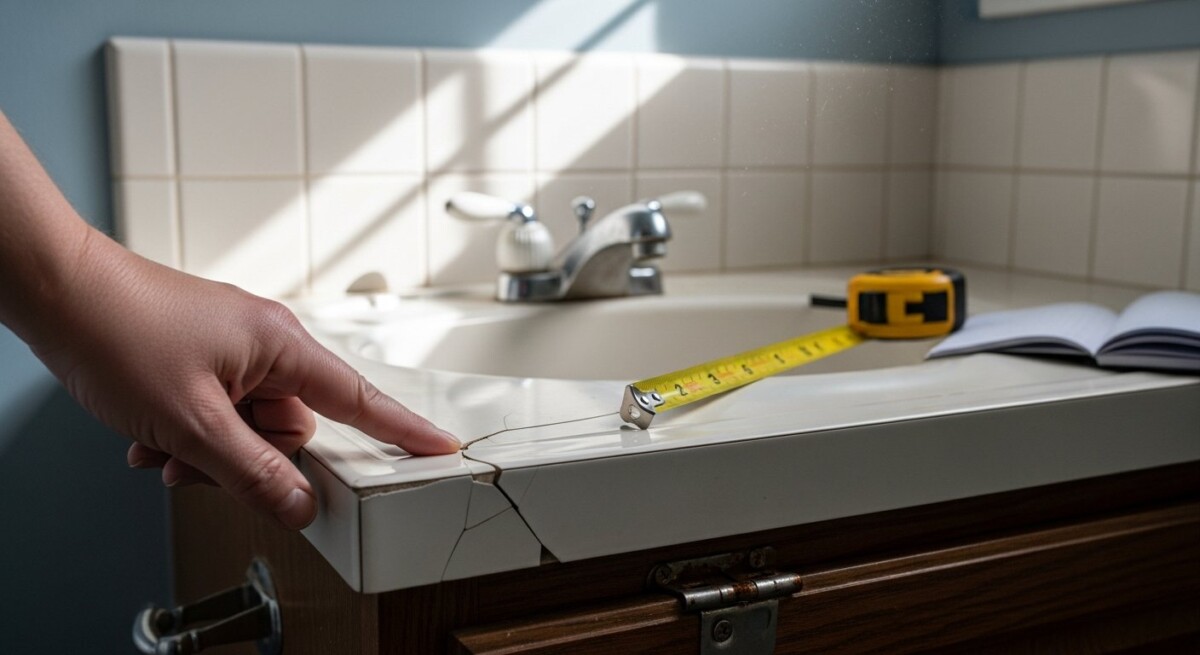
You walk into your kitchen and notice the cabinet door is hanging by one hinge. The wallpaper in the hallway is peeling, and the bathroom faucet has been dripping for weeks. Small problems like these are easy to ignore, but they often signal that your home is ready for a bigger change. When homeowners start seeing multiple issues at once,drafty windows, outdated fixtures, or worn flooring,they begin to wonder about the steps to remodel a house and whether the project is something they can tackle on their own. The truth is, without a clear plan, remodeling can feel overwhelming, and delaying the process often leads to more expensive repairs down the road. Understanding the right sequence of steps can save you time, money, and a lot of frustration.
Understanding Steps to Remodel a House
Remodeling a house means making significant changes to its structure, finishes, or systems to improve functionality, appearance, or energy efficiency. It is different from simple decorating because it often involves construction, electrical work, plumbing, or moving walls. The process usually follows a logical order: planning, demolition, rough-in work (electrical and plumbing), insulation, drywall, finishes, and finally, final touches like painting and flooring.
Most homes that benefit from a full remodel are older properties with outdated layouts or systems, but even newer homes may need updates to match a growing family’s needs. The key is to understand that remodeling is a sequence of interdependent steps,doing things out of order can cause delays, rework, and added costs. For example, painting walls before installing new flooring often leads to touch-ups later.
Why This Matters for Your Home
Ignoring the proper steps to remodel a house can lead to serious consequences. Without a solid plan, you might end up with a half-finished project that sits for months, costing you money in temporary fixes and lost use of your space. More importantly, skipping steps like obtaining permits or hiring licensed pros for electrical work can create safety hazards that put your family at risk and reduce your home’s resale value.
Another major concern is cost. A poorly planned remodel often requires expensive corrections later. For instance, if you install cabinets before running new plumbing lines, you may have to tear them out to fix a leak. Professional contractors understand the correct sequence and can spot potential problems early, saving you from costly surprises. In our guide on bathroom remodeling steps, we explain how planning ahead prevents common pitfalls.
If you notice signs of this issue in your home, it may help to speak with a qualified contractor. Request a free quote or call to explore your repair or remodeling options.
Common Problems Homeowners Experience
Many homeowners start a remodel with enthusiasm but quickly run into problems because they underestimate the complexity of the work. One common issue is budget overruns caused by unexpected discoveries, such as mold behind walls or outdated wiring that must be replaced. Another frequent problem is project delays from waiting on materials or subcontractors who were not scheduled properly.
These challenges often lead to frustration and, in some cases, unfinished projects that reduce home value. Understanding the typical problems can help you prepare and avoid them.
- Visible damage like water stains, cracks, or peeling paint that indicates deeper issues
- Performance problems such as poor insulation, drafty rooms, or uneven heating and cooling
- Structural concerns like sagging floors, sticking doors, or foundation cracks
- Aging materials that are worn, outdated, or no longer meet building codes
- Outdated layouts that make daily living inefficient or uncomfortable
- Permit and zoning issues that halt construction if not addressed early
How Professionals Solve the Problem
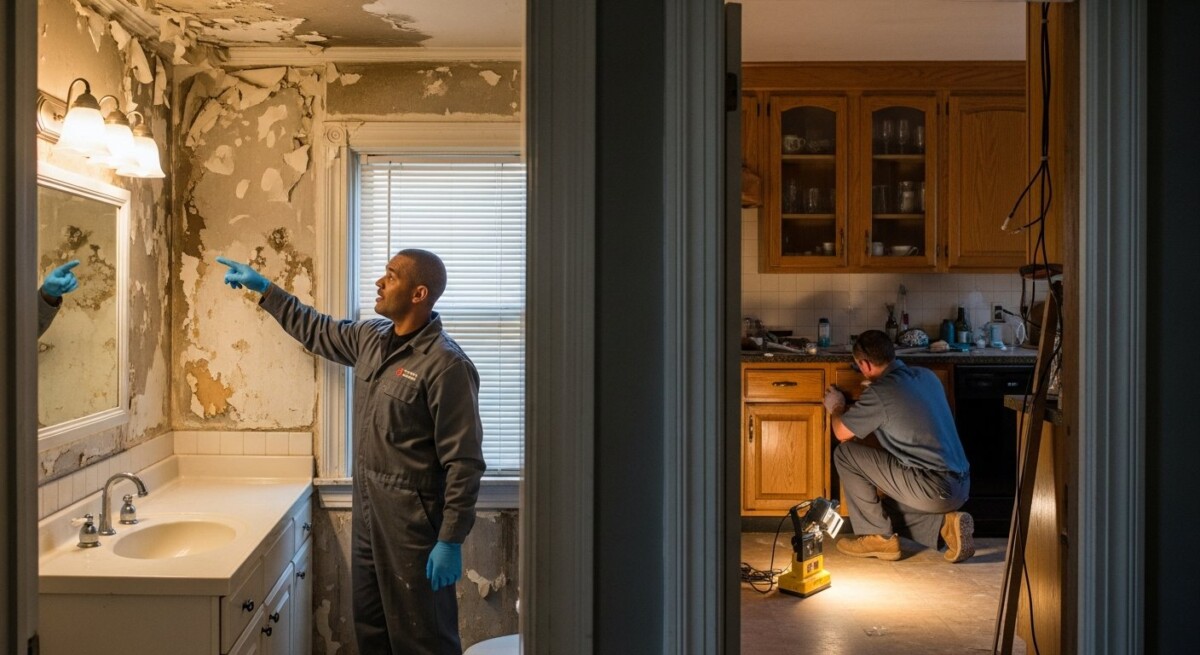
Experienced contractors follow a proven system when guiding homeowners through the steps to remodel a house. They start with a thorough assessment of the property, identifying hidden issues before any demolition begins. This upfront inspection helps create a realistic timeline and budget, reducing the chance of surprises mid-project.
Here is the typical process professionals use:
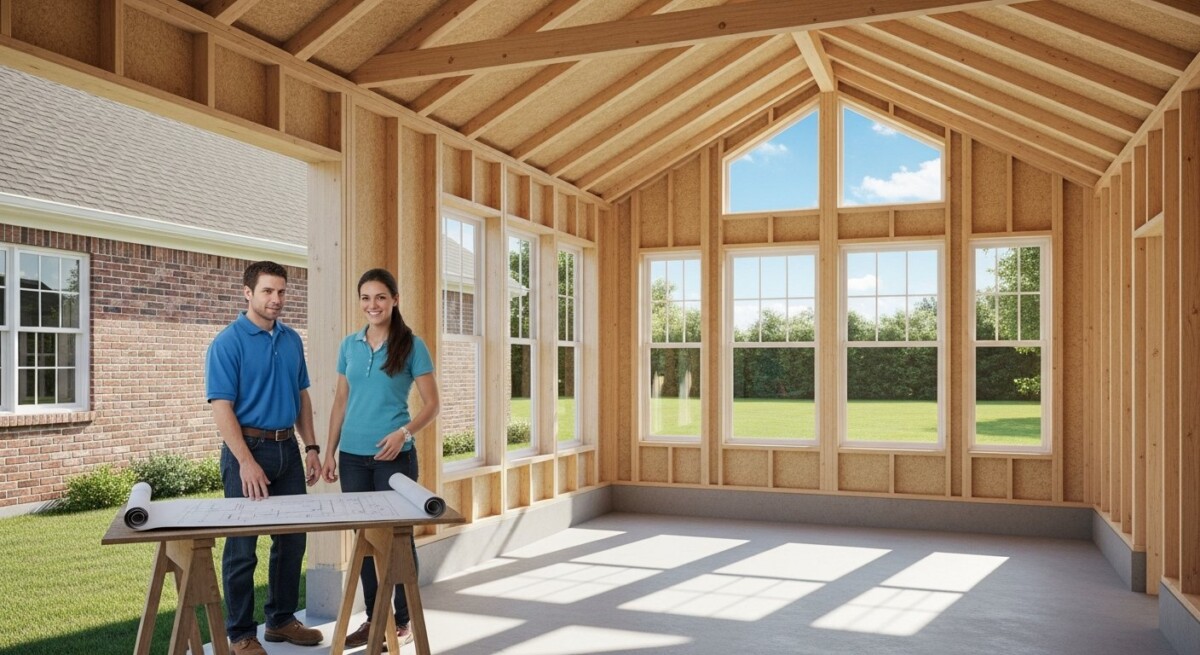
- Consultation and design: Discuss your goals, measure spaces, and create a detailed plan with material selections.
- Permits and approvals: Handle all necessary permits and ensure the project meets local building codes.
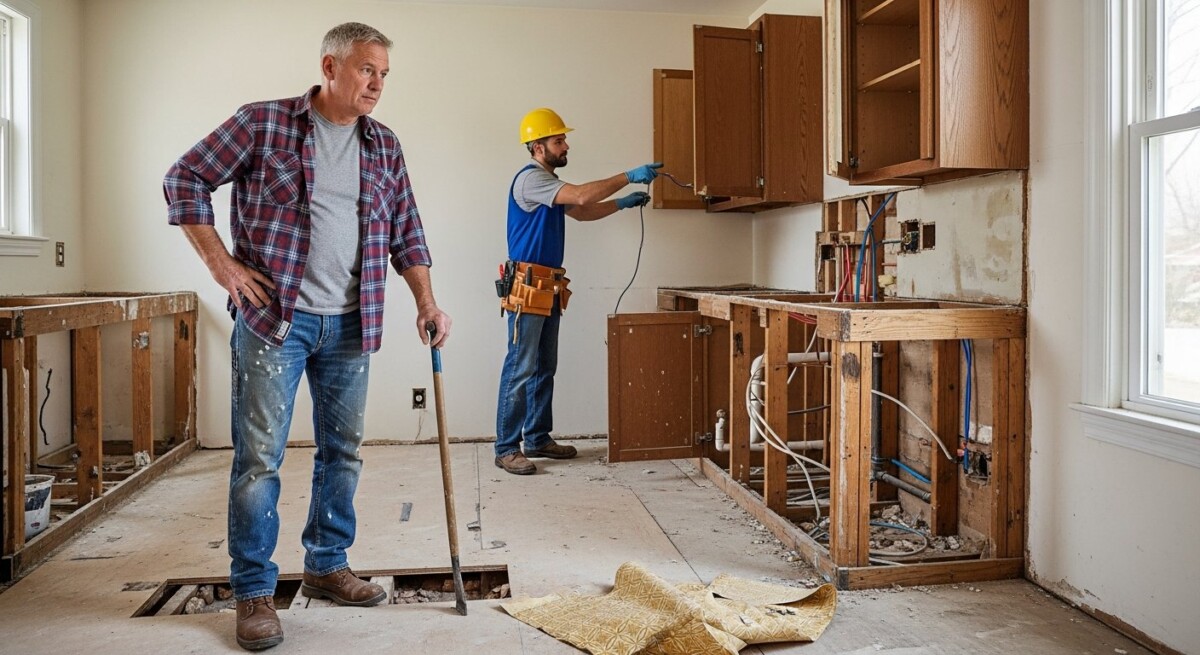
- Demolition and preparation: Safely remove old materials and protect areas that will remain unchanged.
- Rough-in work: Install or update electrical wiring, plumbing, and HVAC systems behind walls.
- Insulation and drywall: Add insulation for energy efficiency, then hang and finish drywall.
- Finishes and trim: Install flooring, cabinets, countertops, trim, and doors.
- Painting and final touches: Paint walls, install fixtures, and complete cleanup.
Professional work is safer and more reliable because contractors have the training, tools, and insurance to handle unexpected issues. For example, if they discover old wiring that is a fire hazard, they know the correct way to bring it up to code. Our guide on bathroom remodeling DIY highlights why professional expertise often saves money in the long run.
A professional inspection can reveal hidden issues before they become expensive repairs. Compare contractor quotes here or call to discuss your project.
Warning Signs You Should Not Ignore
Knowing the early warning signs of a home in need of remodeling can help you act before small problems become major headaches. Many homeowners ignore subtle clues like a musty smell in the basement or a door that sticks, assuming they are minor annoyances. In reality, these signs often point to moisture issues, foundation shifts, or structural wear that worsen over time.
If you spot any of the following, it may be time to start planning your remodel and consulting a professional.
- Water stains on ceilings or walls, especially after rain
- Persistent musty odors or visible mold growth
- Peeling paint or wallpaper that appears damp
- Drafty rooms that feel cold in winter or hot in summer
- Cracks in walls, ceilings, or foundation that are growing
- Outdated electrical systems with frequent tripped breakers
What Affects the Cost of Repairs or Installation
The cost of remodeling a house varies widely based on several key factors. The size of the project is the most obvious,a full kitchen remodel will cost more than updating a single bathroom. The materials you choose also play a big role; custom cabinetry, natural stone countertops, and high-end flooring can double your budget compared to standard options.
Labor costs depend on the complexity of the work and the rates in your area. If your home is older, you may face additional costs for bringing systems up to code or removing hazardous materials like asbestos. Accessibility also matters,a second-story addition is more expensive than a ground-floor renovation because of scaffolding and material handling.
Costs can vary depending on the condition of your home. The best way to know the price is to get a personalized estimate. Request free quotes from contractors or call today.
How to Choose the Right Contractor
Selecting the right contractor is one of the most important decisions you will make during your remodel. A good contractor will guide you through the steps to remodel a house smoothly, while a poor choice can lead to delays, cost overruns, and subpar work. Start by asking friends and neighbors for recommendations, then verify credentials and read online reviews.
Use these tips to find a contractor you can trust:
- Check that the contractor is licensed, bonded, and carries liability insurance
- Read customer reviews on multiple platforms like Google and Yelp
- Ask for detailed written estimates that break down materials, labor, and timeline
- Compare at least three quotes to understand the market rate for your project
- Confirm the contractor has specific experience with projects similar to yours
Long-Term Benefits of Professional Work
Investing in professional remodeling pays off in many ways over time. A well-executed remodel improves safety by fixing outdated wiring, plumbing, and structural issues that could cause accidents. It also increases your home’s energy efficiency when you add insulation, upgrade windows, or install modern HVAC systems, which lowers your monthly utility bills.
Perhaps the biggest benefit is the boost in home value. A professionally remodeled kitchen or bathroom often recovers 60,80% of its cost at resale, while a full home remodel can make your property more attractive to buyers. Additionally, professional work typically comes with warranties that protect you from future defects, giving you peace of mind. Essential tips for a successful kitchen remodel can help you maximize your return on investment.
How long does a full house remodel usually take?
A full house remodel typically takes 4 to 8 months, depending on the size of the home and the scope of work. Major structural changes or custom finishes can extend the timeline. A professional contractor can give you a more accurate schedule after assessing your project.
Do I need a permit to remodel my house?
Most significant remodels require permits, especially if you are moving walls, changing electrical systems, or altering plumbing. Permits ensure the work meets safety codes and protects your home’s value. Your contractor should handle the permit process as part of the project.
Can I live in my house during a remodel?
It depends on the scale of the remodel. Small projects like a bathroom update are usually manageable, but a full kitchen or whole-house remodel can make living in the home difficult. Many homeowners choose to stay elsewhere during the most disruptive phases.
What is the first step in remodeling a house?
The first step is to define your goals and budget. Decide which rooms you want to remodel and what problems you want to solve. Then, consult with a contractor to discuss feasibility and get a preliminary cost estimate.
How much does it cost to remodel a house per square foot?
Costs range from $20 to $150 per square foot, depending on the quality of materials and the complexity of the work. Basic updates are on the lower end, while high-end remodels with custom features are more expensive. Getting multiple quotes helps you understand the typical cost in your area.
Should I hire a general contractor or manage the project myself?
Hiring a general contractor is recommended for most homeowners because they coordinate all subcontractors, handle permits, and manage the schedule. Managing the project yourself can save money but requires experience and a lot of time. Mistakes often end up costing more than the savings.
How do I finance a home remodel?
Options include home equity loans, personal loans, cash-out refinancing, or using savings. Some contractors offer financing plans. Compare interest rates and terms to choose the best option for your budget.
What adds the most value to a home remodel?
Kitchen and bathroom remodels typically offer the best return on investment. Energy-efficient upgrades like new windows and insulation also add value. Curb appeal improvements, such as a new front door or siding, make a strong first impression on buyers.
Remodeling your home is a big decision, but following the right steps to remodel a house makes the process manageable and rewarding. Whether you are fixing a leaky roof, updating an outdated kitchen, or adding a new bathroom, addressing issues early prevents them from growing into costly problems. The best way to start is by understanding your options and getting professional advice. Compare contractor quotes to find a team that fits your budget and vision, and take the first step toward the home you deserve.

About Alex Carter
"*" indicates required fields