Interior Remodeling Services: A Practical Guide for Homeowners
"*" indicates required fields
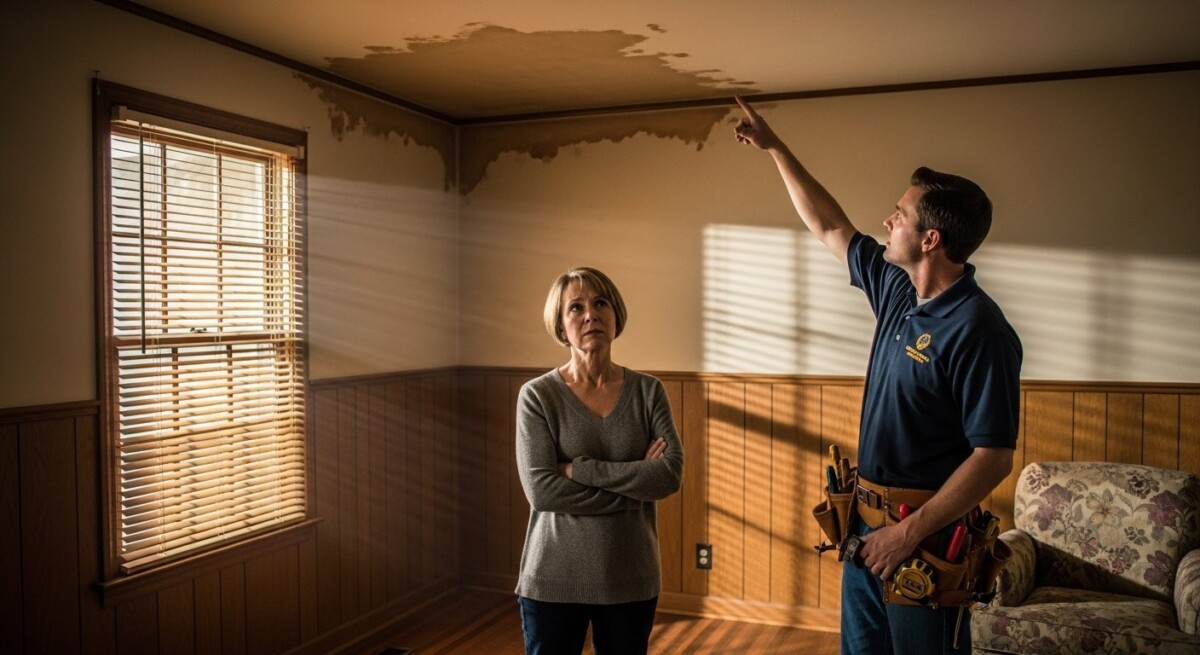
You walk into your living room and notice the paint is peeling near the ceiling. The kitchen cabinets stick when you open them, and the bathroom tile feels damp long after a shower. These small annoyances might seem like minor inconveniences, but they often signal deeper issues lurking behind the walls. Water damage, outdated wiring, and aging materials can quietly worsen over time. That is where professional interior remodeling services come in,they address these hidden problems before they turn into costly emergencies. If any of this sounds familiar, you are not alone, and there is a practical path forward.
Understanding Interior Remodeling Services
Interior remodeling services cover a wide range of home improvement projects that update, repair, or transform the inside of your home. These services include kitchen and bathroom updates, basement refinishing, living room renovations, and even whole-home makeovers. The goal is not just to make your home look better,it is to improve function, safety, and comfort for your family.
Why do homes need remodeling? Over time, materials wear out, designs become outdated, and daily use takes a toll. Moisture from bathrooms and kitchens can cause wood rot and mold. Old electrical systems may not handle modern appliances. Even if your home is only ten years old, normal wear and tear can create hidden issues. Homes built before the 1990s often have fewer energy-efficient features, which means higher utility bills and less comfort.
Why This Matters for Your Home
Ignoring the need for interior remodeling can lead to serious consequences. A small leak under the sink might seem harmless, but over months it can rot the subfloor and attract pests. Outdated wiring increases the risk of electrical fires. Poor insulation makes your HVAC system work harder, driving up energy costs and shortening the life of your equipment.
Your home is likely your biggest investment. Letting problems fester not only reduces your daily comfort but also lowers your property value. When you finally decide to sell, a home with visible damage or outdated systems will sit on the market longer and sell for less. Professional remodeling services protect your investment and make your home safer and more enjoyable to live in.
If you notice signs of this issue in your home, it may help to speak with a qualified contractor. Request a free quote or call to explore your repair or remodeling options.
Common Problems Homeowners Experience
Every home has its own story, but many share the same remodeling needs. You might notice sticky doors that no longer close properly, which can indicate foundation settling or moisture damage. Peeling wallpaper or bubbling paint often points to excess humidity or a leak. Outdated light fixtures and switches may not meet modern safety standards.
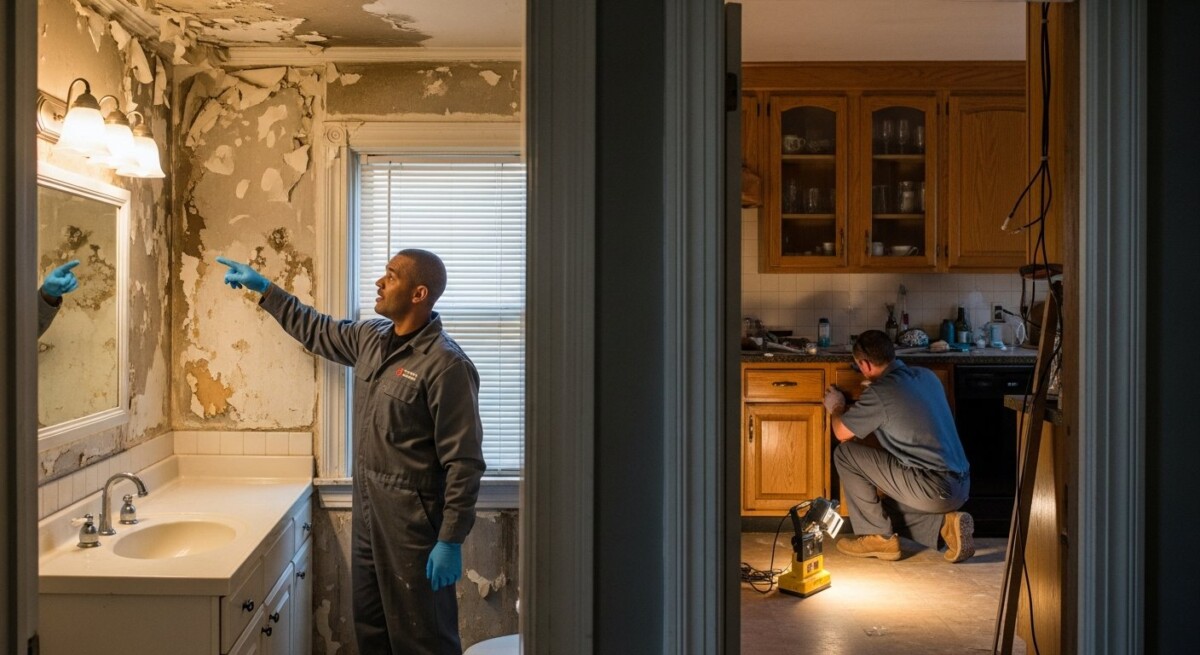
In basements, you might see cracks in the floor or walls, musty odors, or water stains after heavy rain. Kitchens often suffer from worn countertops, broken appliances, or cabinets that are falling apart. Bathrooms commonly have grout that crumbles, tiles that crack, and vanities that show water damage. These issues do not just look bad,they can create health hazards and reduce your home’s efficiency.
- Water stains on ceilings or walls from hidden leaks
- Drafts and uneven room temperatures from poor insulation
- Mold or mildew growth in bathrooms, basements, or crawl spaces
- Old, non-insulated windows that cause high energy bills
- Damaged flooring, such as warped wood or cracked tile
- Outdated plumbing fixtures that leak or reduce water pressure
How Professionals Solve the Problem
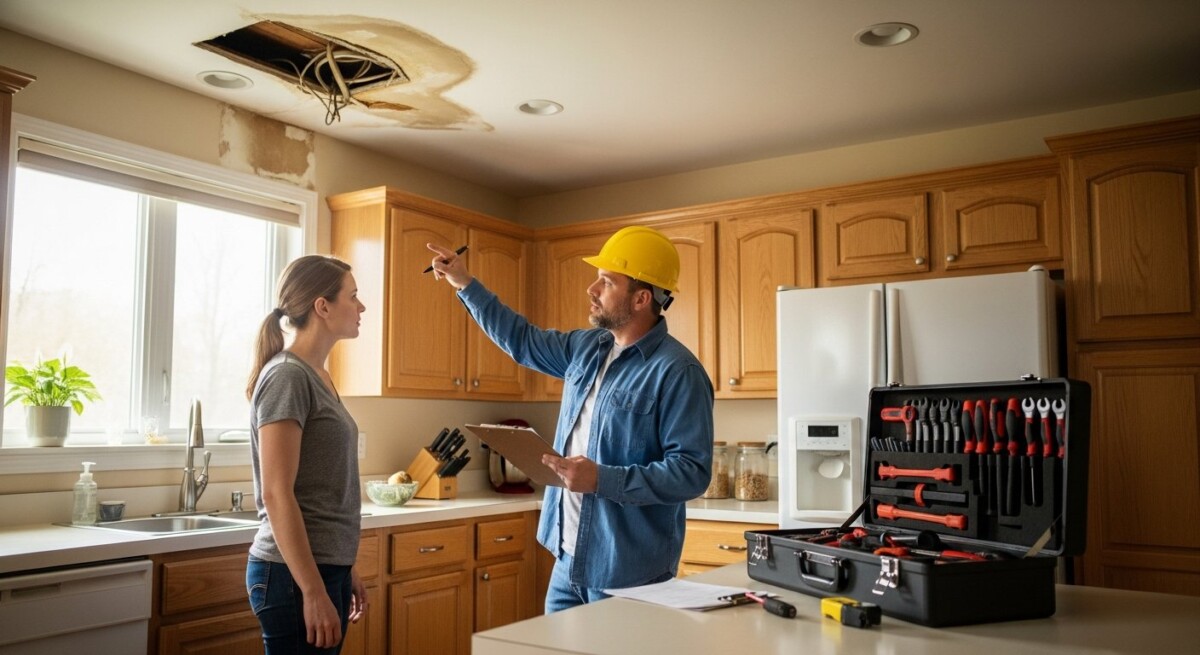
Experienced contractors bring more than just tools to your project. They start with a thorough inspection to identify the root cause of each issue. For example, if you have water-damaged drywall, a professional will find the source of the moisture,whether it is a leaking pipe, poor ventilation, or a roof issue,and fix that first. Then they repair the damage properly, using materials that resist future problems.
The typical remodeling process follows a clear, step-by-step approach. First, the contractor visits your home for an assessment and discusses your goals. Next, they provide a detailed estimate and timeline. Once you approve, the work begins: demolition, rough-in work (like electrical or plumbing), installation of new materials, and finishing details. Throughout the project, the contractor manages permits, inspections, and cleanup so you do not have to worry.
- Initial consultation and inspection , The contractor evaluates the space and discusses your needs.
- Design and material selection , You choose finishes, colors, and fixtures that match your style and budget.
- Preparation and demolition , The work area is cleared and old materials are removed safely.
- Rough-in work , Electricians, plumbers, and HVAC technicians update systems behind the walls.
- Installation , New drywall, flooring, cabinets, countertops, and fixtures are installed.
- Finishing touches , Painting, trim work, and final adjustments complete the space.
- Final walkthrough , You inspect the finished project and the contractor addresses any concerns.
Professional work is often safer and more reliable than DIY fixes. Contractors carry insurance, follow building codes, and have experience with unexpected problems. They also have access to higher-quality materials and tools that most homeowners do not. In our guide on Basement Remodeling Services: Transform Your Underused Space, we explain how professional work can turn a damp, unused basement into a comfortable living area.
A professional inspection can reveal hidden issues before they become expensive repairs. Compare contractor quotes here or call to discuss your project.
Warning Signs You Should Not Ignore
Your home often gives you early warnings that remodeling is needed. Pay attention to these signals,they can save you thousands of dollars in emergency repairs. For instance, if you hear dripping sounds inside walls, you likely have a plumbing leak that will only get worse. A persistent musty smell in one room usually means moisture is trapped somewhere.
Cracks that appear suddenly or grow over time are a red flag. They can indicate foundation movement, which requires professional assessment. Doors and windows that stick or fail to latch properly may also point to structural shifts. If your energy bills have been climbing without explanation, your home may have poor insulation or air leaks that need attention.
- Water stains or discoloration on ceilings, walls, or floors
- Musty or moldy odors that do not go away
- Visible mold growth, especially in bathrooms or basements
- Peeling paint or wallpaper, often caused by moisture
- Cracks in drywall, tile, or foundation that are widening
- Drafts near windows, doors, or electrical outlets
What Affects the Cost of Repairs or Installation
The cost of interior remodeling services depends on several factors. The size of the project is the biggest driver,remodeling a small bathroom costs less than a full kitchen renovation. The materials you choose also play a major role. Custom cabinetry, natural stone countertops, and high-end fixtures cost more than stock options, but they often last longer and add more value.
Labor costs vary by location and the complexity of the work. Projects that involve moving plumbing or electrical lines are more expensive than simple cosmetic updates. The age of your home can add costs too,older homes may contain hazardous materials like lead paint or asbestos that require special handling. Accessibility of the work area matters: a basement with low ceilings or a tight crawl space makes the job harder and takes more time.
Costs can vary depending on the condition of your home. The best way to know the price is to get a personalized estimate. Request free quotes from contractors or call today.
How to Choose the Right Contractor
Finding a trustworthy contractor is one of the most important steps in any remodeling project. Start by asking friends, neighbors, or local community groups for recommendations. Then verify each contractor’s license and insurance,this protects you if something goes wrong. A legitimate contractor will gladly provide proof of both.
Read online reviews from multiple sources, not just the contractor’s own website. Look for patterns: do customers mention good communication, clean work sites, and on-time completion? Or do they complain about surprises, delays, and poor follow-up? Request at least three detailed estimates in writing. The lowest price is not always the best value,compare what each contractor includes in their scope of work.
- Check licenses and insurance , Confirm they are licensed in your state and carry general liability and workers’ compensation insurance.
- Read customer reviews , Look for consistent positive feedback on platforms like Google, Yelp, or the Better Business Bureau.
- Ask for detailed estimates , A good estimate breaks down materials, labor, timeline, and payment schedule.
- Compare multiple quotes , Getting three to four quotes helps you understand fair pricing and avoid overpaying.
- Confirm experience with similar projects , Choose a contractor who has done work like yours before, whether it is a bathroom remodel or a full basement finish.
Long-Term Benefits of Professional Work
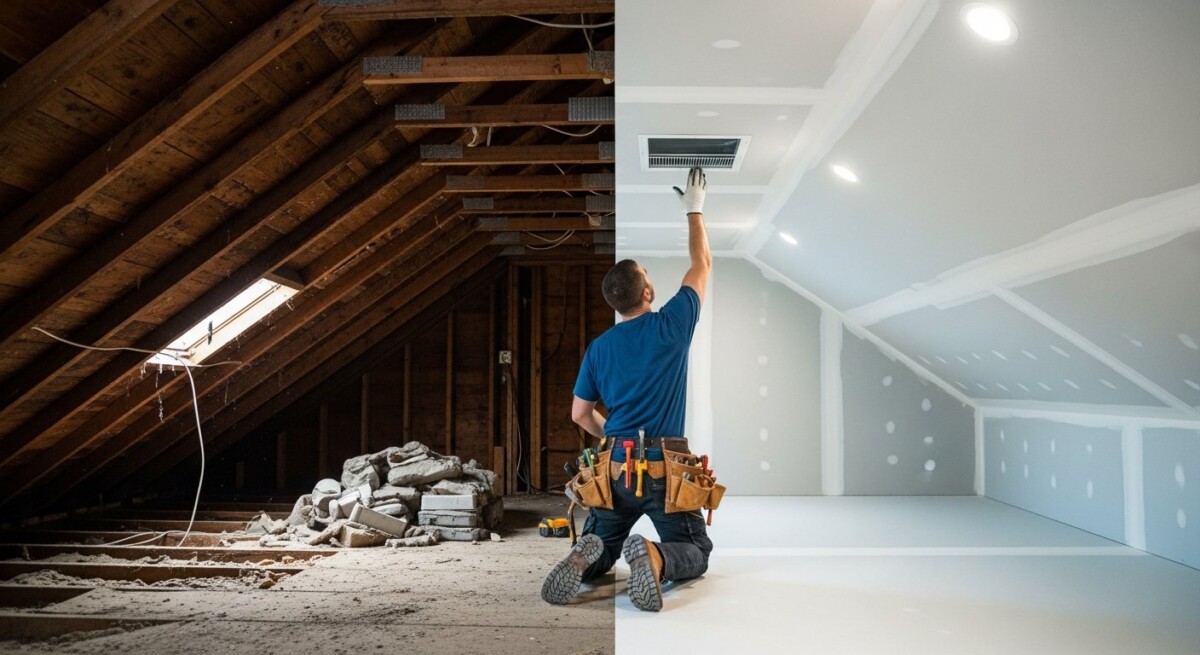
Investing in professional interior remodeling services pays off in many ways over time. First, your home becomes safer. Updated electrical systems reduce fire risk, new plumbing prevents water damage, and proper ventilation stops mold growth. Second, your home becomes more comfortable,consistent temperatures, better lighting, and functional layouts make daily life easier.
Durability is another major benefit. Professional-grade materials and installation last longer than budget options or DIY work. That means fewer repairs and less maintenance in the years ahead. Energy efficiency also improves: new windows, insulation, and appliances lower your utility bills and shrink your carbon footprint. Finally, a well-executed remodel adds significant value to your home, which is especially important if you plan to sell in the future. For inspiration, check out our guide on Bathroom Remodeling Services: A Practical Guide for Homeowners to see how a single room update can transform your daily routine.
What is included in interior remodeling services?
Interior remodeling services typically include design consultation, demolition, structural changes, and installation of new materials. This can cover everything from updating a single room to renovating your entire home. Most contractors handle plumbing, electrical, flooring, cabinetry, and painting as part of the project.
How long does a typical interior remodel take?
The timeline depends on the scope of work. A small bathroom remodel might take two to three weeks, while a full kitchen renovation can last six to eight weeks. Larger projects like whole-home remodels may take several months. Your contractor will provide a detailed schedule before work begins.
Do I need a permit for interior remodeling?
Most structural changes, electrical work, plumbing updates, and major renovations require permits from your local building department. Professional contractors handle the permit process for you. Permits ensure the work meets safety codes and passes required inspections.
Can I live in my home during a remodel?
It depends on the extent of the work. For small projects like a single bathroom or living room update, you can usually stay in your home. For large renovations that affect the kitchen, HVAC, or multiple rooms, you may need to make temporary arrangements. Your contractor can advise you based on the project plan.
How much does interior remodeling cost?
Costs vary widely based on the size of the project, materials chosen, and your location. A small bathroom remodel might cost $5,000 to $15,000, while a full kitchen renovation can range from $15,000 to $50,000 or more. Getting multiple quotes from licensed contractors gives you a realistic picture.
What is the difference between remodeling and renovation?
Remodeling involves changing the structure, layout, or function of a space, such as removing a wall to create an open floor plan. Renovation focuses on restoring or updating existing elements, like replacing countertops or painting walls. Both services improve your home, but remodeling typically involves more extensive work.
How do I prepare my home for a remodel?
Clear the work area of furniture, personal items, and fragile belongings. Cover nearby furniture and floors with protective sheets. Plan for temporary adjustments, such as using a portable kitchen if your remodel affects the kitchen. Communicate your schedule and any concerns with your contractor before work starts.
Will remodeling increase my home’s value?
Yes, most interior remodeling projects add value to your home. Kitchens and bathrooms typically offer the highest return on investment. Even smaller updates like new flooring or fresh paint can make your home more appealing to buyers and help it sell faster. To learn more, see our article on Living Room Remodeling Services: Transform Your Home’s Heart.
Your home deserves care that keeps it safe, comfortable, and valuable. Interior remodeling services address the problems you see and the ones hiding behind the walls. By acting early, you avoid larger costs and enjoy a home that works better for your family. The best way to start is to compare contractor quotes and learn what is possible for your space. Reach out to professionals who can guide you through the process with clear estimates and proven expertise.

About Alex Carter
"*" indicates required fields