How Long a Bathroom Remodel Takes: A Realistic Timeline
"*" indicates required fields
You have been planning a bathroom refresh for months. Maybe the grout is cracking, the vanity feels outdated, or the shower head barely trickles. You finally clear a weekend on the calendar, only to realize you have no idea how long a bathroom remodel actually takes. One week? Two? A month? The uncertainty often stops homeowners from starting at all. But delaying this project can lead to bigger issues like water damage, mold, and declining home value. Understanding how long bathroom remodel takes helps you plan wisely and avoid costly surprises.
Understanding How Long Bathroom Remodel Takes
A bathroom remodel is not a one-size-fits-all timeline. A simple cosmetic update,new paint, fixtures, and hardware,might take one to two weeks. A full gut renovation involving new tile, plumbing relocation, and electrical work typically takes three to six weeks. Complex projects like expanding the layout or moving walls can stretch to eight weeks or more.
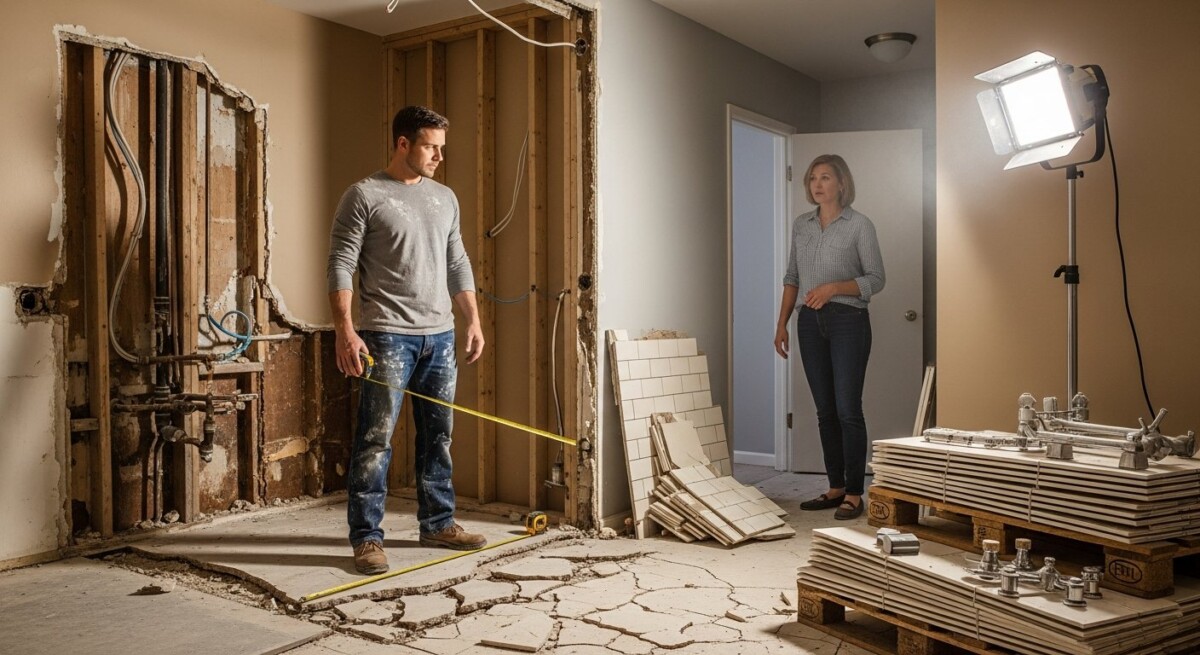
Why does it take that long? Several factors drive the timeline: the scope of work, material availability, and the condition of your existing space. Older homes often reveal hidden problems once walls are opened, such as outdated wiring or rotting subfloors. These discoveries add days or weeks to the schedule. Homes built before 1980 are especially prone to surprises.
If you are wondering how long bathroom remodel takes for your specific situation, the answer depends on whether you are replacing finishes or reconfiguring the entire room. A professional assessment can give you a realistic estimate before you commit to a start date.
Why This Matters for Your Home
Ignoring a dated or dysfunctional bathroom does more than hurt your morning routine. Small leaks behind the wall can lead to mold growth, wood rot, and even structural damage. Over time, these issues become expensive repairs that a timely remodel could have prevented.
Safety is another concern. Cracked tiles, slippery surfaces, and poor lighting create fall hazards for children and older adults. An outdated electrical system near water sources poses a shock risk. Addressing these problems during a remodel protects your family and preserves your home’s value.
Delaying also means living with discomfort,low water pressure, inadequate storage, or a room that feels cramped. A well-planned remodel solves these pain points and makes your home more enjoyable every day. The sooner you start, the sooner you can reclaim your space.
If you notice signs of this issue in your home, it may help to speak with a qualified contractor. Request a free quote or call to explore your repair or remodeling options.
Common Problems Homeowners Experience
Homeowners often discover the real scope of their bathroom issues only after demolition begins. What looked like a simple tile replacement reveals water-damaged drywall or a leaky valve behind the wall. These hidden problems are common and can extend the timeline significantly.
Many homeowners also underestimate the coordination required. Ordering tile, fixtures, and cabinets, scheduling plumbers and electricians, and waiting for custom pieces all add days to the project. Without a clear plan, you can end up with a half-finished bathroom for weeks.
- Outdated plumbing that needs replacement to meet current codes
- Mold or mildew behind walls or under flooring
- Warped or rotting subfloor from past leaks
- Insufficient electrical capacity for modern lighting and outlets
- Unlevel floors that complicate tile installation
- Delays from backordered materials or custom orders
How Professionals Solve the Problem
Experienced contractors streamline the remodeling process by managing every phase from start to finish. They know how to sequence tasks,demolition, rough-in work, inspections, finishing,to avoid downtime. A professional team can often complete a full bathroom remodel in half the time it would take a DIY homeowner working nights and weekends.
The typical process follows a clear path. First, the contractor performs a detailed inspection to identify hidden issues. Then they create a project plan with milestones and a realistic timeline. Once work begins, they coordinate tradespeople and material deliveries so nothing stalls.
- Demolition and removal of old fixtures, tile, and drywall
- Rough-in work for plumbing, electrical, and ventilation
- Inspections to ensure code compliance
- Installation of new subfloor, wallboard, and waterproofing
- Finishing with tile, cabinetry, fixtures, and painting
- Final walk-through and cleanup
Professional work is safer and more reliable than a DIY approach because licensed contractors carry insurance and warranties. They also have access to trade discounts and can spot potential problems before they become expensive. If you want to avoid the stress of managing a remodel yourself, hiring a pro is the smartest move.
A professional inspection can reveal hidden issues before they become expensive repairs. Compare contractor quotes here or call to discuss your project.
Warning Signs You Should Not Ignore
Your bathroom often sends signals long before a full remodel becomes urgent. Paying attention to these early warnings can save you from emergency repairs and higher costs down the road.
- Peeling paint or wallpaper near the shower or tub
- Soft or spongy spots on the floor around the toilet or shower
- Persistent musty odor even after cleaning
- Cracked or missing grout that lets water seep behind tile
- Rust stains on fixtures or discolored caulk
- Difficulty turning faucets or slow drainage
If you notice any of these signs, do not wait. A small leak today can become a structural repair tomorrow. Early action keeps your project manageable and your timeline short. In our guide on how long a bathroom remodel takes, we explain how catching problems early can shave weeks off your schedule.
What Affects the Cost of Repairs or Installation
The cost of a bathroom remodel varies widely based on several key factors. Understanding these can help you budget realistically and avoid sticker shock.
The size of your bathroom matters most. A small powder room costs less to renovate than a master bath with a soaking tub and double vanity. The quality of materials,basic ceramic tile versus natural stone,also drives the price up. Labor costs depend on your location and the complexity of the work.
Accessibility plays a role too. A bathroom on the second floor may require extra time for moving materials and debris. Older homes often need more extensive prep work to bring systems up to code. All of these factors influence both the timeline and the final bill.
Costs can vary depending on the condition of your home. The best way to know the price is to get a personalized estimate. Request free quotes from contractors or call today.
How to Choose the Right Contractor
Finding the right contractor is the most important step in your remodel. A good contractor keeps your project on schedule, on budget, and up to code. A bad one can turn a six-week project into a six-month nightmare.
- Verify licenses and insurance for your state and local area
- Read online reviews on Google, Yelp, and the Better Business Bureau
- Ask for detailed written estimates that break down labor, materials, and timeline
- Compare at least three quotes to understand market pricing
- Confirm experience with bathroom remodels specifically, not just general contracting
When you meet potential contractors, ask how they handle unexpected issues. A professional will have a clear process for change orders and communication. Avoid contractors who demand full payment upfront or give vague timelines. To avoid common pitfalls, review our article on top bathroom remodeling mistakes before you hire.
Long-Term Benefits of Professional Work
Investing in a professional bathroom remodel pays off for years to come. Beyond the immediate enjoyment of a beautiful, functional space, you gain safety, durability, and energy efficiency.
Professional installation means your plumbing and electrical systems meet current codes, reducing the risk of leaks and fires. Quality materials and proper waterproofing prevent mold and rot, so your remodel lasts longer. Energy-efficient fixtures and lighting lower your utility bills every month.
Perhaps most importantly, a well-executed remodel adds real value to your home. Real estate experts consistently rank bathroom renovations among the top projects for return on investment. When you decide to sell, a modern, code-compliant bathroom can be the deciding factor for buyers. For a deeper look at doing the work yourself versus hiring pros, check our guide on bathroom remodeling DIY to see what fits your skills and schedule.
How long does a full bathroom remodel take?
A full bathroom remodel typically takes three to six weeks. This timeline includes demolition, rough-in work for plumbing and electrical, inspections, and finishing with tile, fixtures, and paint. Complex projects or homes with hidden issues may take longer.
Can a bathroom be remodeled in two weeks?
Yes, a cosmetic refresh can often be completed in one to two weeks. This includes replacing the vanity, toilet, lighting, and paint without moving plumbing or electrical lines. A full gut renovation rarely finishes that quickly.
What is the longest part of a bathroom remodel?
The finishing stage,tile installation, grouting, and sealing,often takes the longest. Custom tile work requires precision and drying time between steps. Ordering and waiting for materials can also add delays.
Does a bathroom remodel require a permit?
Most bathroom remodels that involve plumbing, electrical, or structural changes require a permit. Your contractor should handle the permit process as part of their service. Skipping permits can lead to fines and issues when selling your home.
How much does a bathroom remodel cost?
Costs vary widely, but a midrange bathroom remodel typically runs between $10,000 and $25,000. Small powder rooms cost less, while luxury master baths can exceed $50,000. Getting multiple quotes gives you a clear picture of pricing in your area.
Should I stay in my home during a bathroom remodel?
You can usually stay in your home, but you will lose access to that bathroom for several weeks. Plan to use another bathroom or make arrangements with neighbors if you only have one. Dust and noise are also factors to consider.
How do I know if my bathroom needs a full gut or just a refresh?
If your bathroom has functional problems like leaks, poor water pressure, or mold, a full gut is likely needed. A refresh works when the layout and systems are sound but finishes look dated. A contractor’s inspection can help you decide.
What should I look for in a bathroom remodel quote?
A good quote includes a detailed scope of work, material specifications, a timeline, payment schedule, and warranty information. Avoid vague estimates that lump everything into one price. Compare quotes side by side to see what each contractor includes.
Understanding how long bathroom remodel takes is the first step toward a successful home improvement project. Whether you need a quick refresh or a full renovation, acting early prevents small issues from becoming big problems. The best way to move forward is to gather information and compare options. Request free quotes from trusted contractors or call to get started on a bathroom that works for your home and your life.

About Alex Carter
"*" indicates required fields