
Why Homeowners Remodel Houses: Key Reasons and Benefits
"*" indicates required fields
You walk into your kitchen one morning and notice a small crack in the tile near the sink. At first, it seems like nothing,just a tiny flaw. But over the next few weeks, that crack grows, the grime seeps in, and soon the tile starts to lift. You wonder if the water damage behind the wall is worse than it looks. This is exactly the moment when many homeowners begin to ask themselves: why do homeowners remodel houses? The answer often starts with a small problem that, if ignored, can lead to costly repairs and safety concerns. Understanding the real reasons behind remodeling can help you protect your home, your budget, and your peace of mind.
Understanding Why Homeowners Remodel Houses
Remodeling a home isn’t just about making it look new. It’s about solving problems, improving comfort, and protecting one of your largest investments. Homeowners remodel for many reasons: outdated design, worn-out materials, changing family needs, or unexpected damage.
Some remodels are planned,like upgrading a bathroom or adding a deck. Others are unplanned, triggered by a leaky roof, cracked foundation, or failing HVAC system. Regardless of the reason, remodeling addresses issues that affect your daily life and your home’s long-term value.
Older homes are especially prone to remodeling needs. Systems age, materials break down, and building codes change. But even newer homes can require updates if they were built with low-quality materials or if the original construction had flaws.
Why This Matters for Your Home
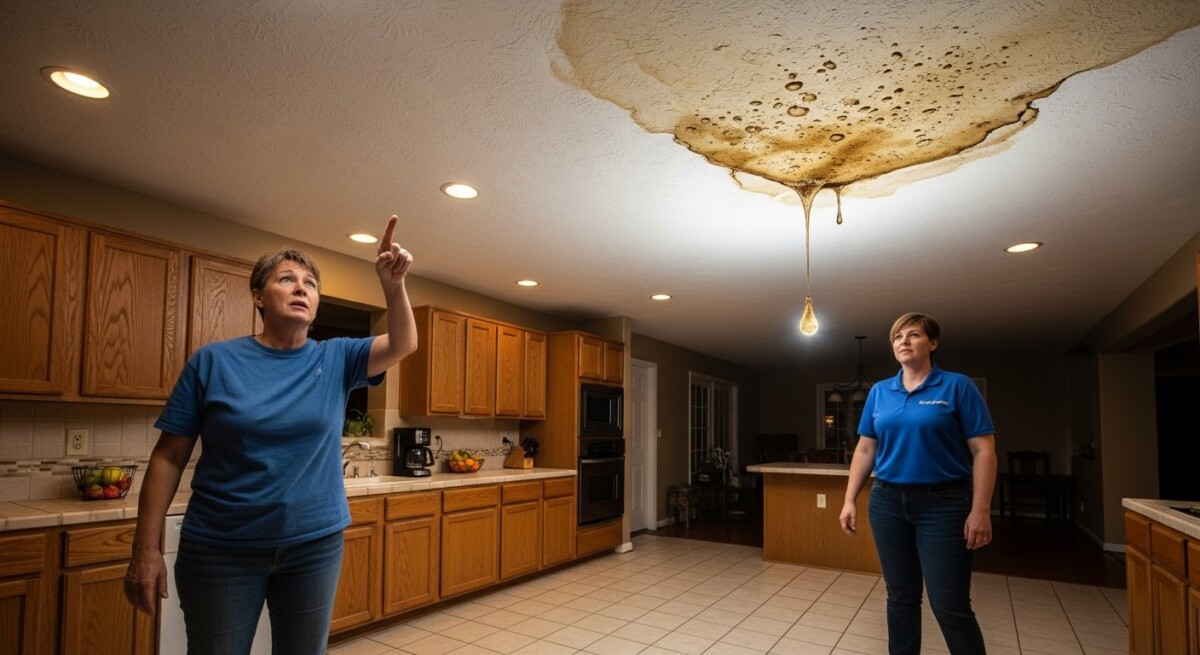
Ignoring the need for remodeling can lead to serious consequences. Small problems grow into large ones. A slow leak behind a wall can cause mold, rot, and structural damage that costs thousands to repair. Outdated electrical systems can create fire hazards. Worn-out roofing can lead to water damage inside your home.
Comfort also takes a hit. Drafty windows, poor insulation, and outdated HVAC systems make your home less enjoyable and drive up energy bills. Your home should be a place of rest and safety, not a source of stress or expense.
In our guide on why experienced home remodelers are worth the investment, we explain how professional work adds long-term value. Taking action early not only prevents bigger problems but also increases your home’s resale value and makes daily life more comfortable.
If you notice signs of this issue in your home, it may help to speak with a qualified contractor. Request a free quote or call to explore your repair or remodeling options.
Common Problems Homeowners Experience
Remodeling often starts with a specific problem that becomes hard to ignore. These issues can appear suddenly or develop slowly over time. Knowing what to look for helps you act before things get worse.
Here are some of the most common problems that lead homeowners to remodel:
- Water damage: Stains on ceilings, warped floors, or peeling paint often point to leaks behind walls or under fixtures.
- Outdated or failing systems: Old plumbing, wiring, or HVAC units can cause inefficiency, safety risks, and frequent breakdowns.
- Poor insulation or drafty windows: These make it hard to keep your home comfortable and drive up energy costs.
- Worn flooring or countertops: Cracked tile, stained carpet, or damaged laminate can make a room feel dirty and uninviting.
- Structural concerns: Cracks in the foundation, sagging floors, or doors that won’t close properly may indicate more serious issues.
- Outdated design or layout: A kitchen that’s hard to work in or a bathroom that lacks storage can make daily routines frustrating.
How Professionals Solve the Problem
Professional contractors bring experience, tools, and knowledge that most homeowners don’t have. They can identify the root cause of a problem and fix it correctly the first time. Here’s how they typically approach a remodeling project:
- Inspection and assessment: A contractor examines the area, checks for hidden damage, and discusses your goals.
- Planning and design: They create a clear plan, including materials, timeline, and budget.
- Permits and code compliance: Professionals handle necessary permits and ensure all work meets local building codes.
- Demolition and preparation: They safely remove old materials and prepare the space for new work.
- Installation or construction: Skilled tradespeople complete the work using proper techniques and quality materials.
- Cleanup and final inspection: The job site is cleaned, and a final walk-through ensures everything meets your expectations.
DIY remodeling can seem tempting, but it often leads to mistakes that cost more to fix later. Professional work is safer, more reliable, and comes with warranties that protect your investment. To learn more, check out our article on why professional home remodelers are a smart investment.
A professional inspection can reveal hidden issues before they become expensive repairs. Compare contractor quotes here or call to discuss your project.
Warning Signs You Should Not Ignore
Some problems are obvious, but others hide until they cause major damage. Paying attention to early warning signs can save you time, money, and stress. If you notice any of these issues, it’s wise to investigate further.
- Musty odors or visible mold: These indicate moisture problems that can affect your health and your home’s structure.
- Water stains on walls or ceilings: Even small stains can mean a leak that’s growing worse over time.
- Cracks in walls or foundation: These may signal settling or structural issues that need professional evaluation.
- Doors or windows that stick: This can be a sign of foundation movement or moisture damage.
- Higher-than-normal energy bills: A sudden spike often means your HVAC, insulation, or windows are not working efficiently.
- Frequent circuit breaker trips: This points to electrical problems that could be dangerous if left unaddressed.
What Affects the Cost of Repairs or Installation
Remodeling costs vary widely based on several factors. Understanding what drives the price helps you budget and compare quotes fairly. Here are the main factors that influence cost:
- Scope of the project: A full kitchen remodel costs more than replacing countertops. The size and complexity matter.
- Materials: High-end materials like natural stone or custom cabinetry increase costs, while basic options keep them lower.
- Labor: Skilled tradespeople charge more, but their work is faster and more reliable.
- Accessibility: Hard-to-reach areas, like a second-story bathroom or a tight crawl space, require more time and effort.
- Age and condition of the home: Older homes may have outdated wiring, plumbing, or asbestos that requires special handling.
- Permits and inspections: These fees are required for most major remodels and vary by location.
Costs can vary depending on the condition of your home. The best way to know the price is to get a personalized estimate. Request free quotes from contractors or call today.
How to Choose the Right Contractor
Finding the right contractor is one of the most important steps in any remodeling project. A good contractor makes the process smooth and delivers quality results. Here are practical tips to help you choose wisely:
- Check licenses and insurance: Verify that the contractor is licensed in your state and carries liability and workers’ compensation insurance.
- Read customer reviews: Look for recent reviews on Google, Yelp, or the Better Business Bureau. Pay attention to how the contractor handles complaints.
- Ask for detailed estimates: A written estimate should include materials, labor, timeline, and payment schedule. Avoid vague quotes.
- Compare multiple quotes: Getting at least three quotes helps you understand the market rate and spot outliers.
- Confirm experience with similar projects: Ask if they’ve done work like yours before and request photos or references.
Long-Term Benefits of Professional Work
Investing in professional remodeling pays off in many ways. The upfront cost is often higher than DIY, but the long-term benefits far outweigh the difference. Here are the key advantages:
- Improved safety: Professional work meets building codes and reduces risks like fire, electrical shock, or structural failure.
- Better durability: Quality materials and proper installation mean your remodel lasts for years without needing repairs.
- Energy efficiency: New windows, insulation, and HVAC systems lower your utility bills and make your home more comfortable.
- Increased home value: A well-executed remodel can raise your home’s resale value significantly.
- Reduced future maintenance: Fixing problems correctly the first time means fewer headaches and expenses down the road.
Frequently Asked Questions
What is the most common reason homeowners remodel?
The most common reason is to update outdated or worn-out features. Kitchens and bathrooms top the list because they get heavy daily use. Homeowners also remodel to fix damage, improve energy efficiency, or adapt their home for changing family needs.
How much does a typical home remodel cost?
Costs vary widely depending on the project size, materials, and location. A minor bathroom remodel might cost $5,000,$15,000, while a full kitchen renovation can run $20,000,$50,000 or more. Getting multiple quotes is the best way to understand pricing for your specific project.
Should I remodel before selling my house?
It depends on your market and the condition of your home. Minor updates like fresh paint, new flooring, or a modern bathroom can increase your home’s appeal and sale price. Major remodels may not always recoup their full cost, so it’s wise to consult a real estate agent first.
Can I stay in my home during a remodel?
In most cases, yes. For smaller projects like a bathroom or flooring update, you can usually live in the home with some inconvenience. For larger remodels like a kitchen or whole-house renovation, you may need to plan for temporary disruptions or arrange alternate living space.
How long does a typical remodel take?
Timelines depend on the project scope. A small bathroom remodel might take 2,3 weeks, while a full kitchen renovation can take 4,8 weeks. Larger projects, like adding a room or remodeling a basement, can take several months. Your contractor should provide a realistic timeline before work begins.
Do I need a permit for a home remodel?
Most major remodels require permits, especially those involving structural changes, electrical work, plumbing, or HVAC. Permits ensure the work meets local building codes and safety standards. Your contractor should handle the permitting process as part of their service.
What is the difference between remodeling and renovation?
Renovation usually means restoring something to good condition,like repainting or replacing a countertop. Remodeling involves changing the structure or layout, such as knocking down a wall or adding a new room. Both can add value, but remodeling is typically more involved and expensive.
How do I find a reliable contractor?
Start by asking for recommendations from friends or family. Then, check online reviews, verify licenses and insurance, and get detailed written estimates from at least three contractors. Trust your instincts,choose someone who communicates clearly and seems genuinely interested in your project.
Remodeling your home is a big decision, but it doesn’t have to be overwhelming. By understanding the reasons behind it, recognizing early warning signs, and working with qualified professionals, you can protect your investment and create a home you truly enjoy. The key is to act early and compare your options before committing to a project. Start by getting a few contractor quotes,it’s the simplest way to learn what’s possible for your home and your budget.

About Alex Carter
"*" indicates required fields