What Affects Remodeling Costs: A Homeowner’s Guide to Smart Spending
"*" indicates required fields
You finally decide to remodel that outdated bathroom or replace the worn-out roof. You start planning, maybe even dreaming about the finished space. Then the contractor hands you the estimate, and the number is higher than you expected. You wonder: Why does this cost so much? If that sounds familiar, you are not alone. Many homeowners discover that remodeling costs vary wildly, and understanding what affects remodeling costs can help you budget wisely and avoid surprises. Ignoring the factors behind pricing often leads to overspending, project delays, or worse , hiring a low-quality contractor who cuts corners.
Understanding what affects remodeling costs
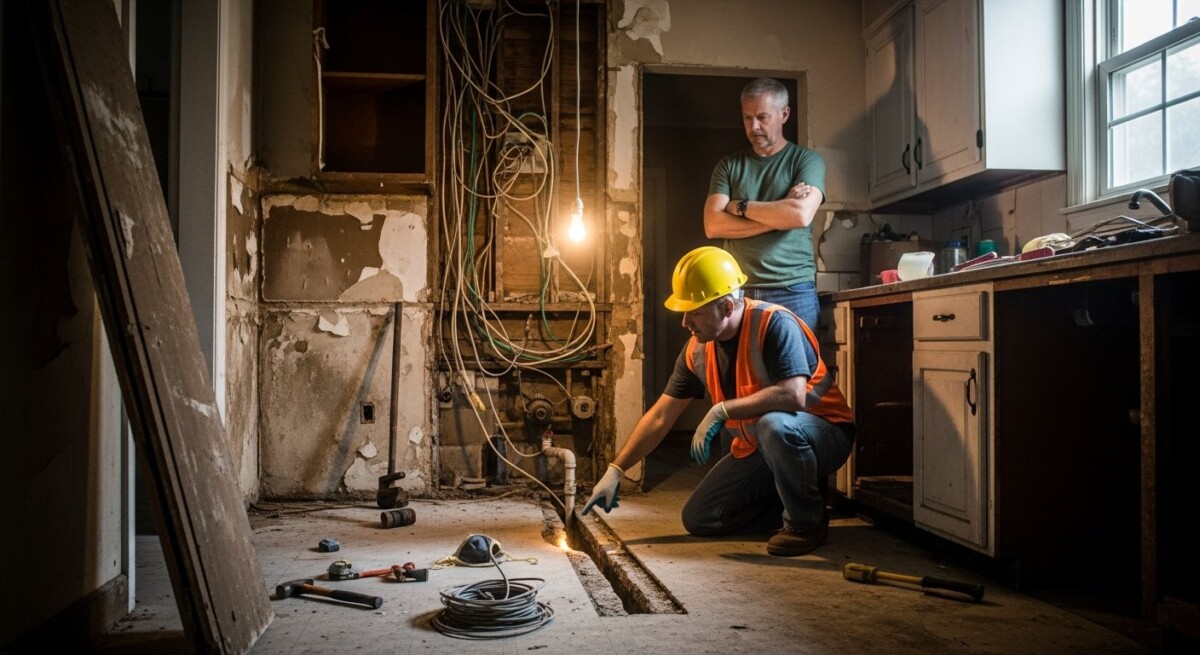
Remodeling costs depend on many moving parts. At its simplest, the price reflects the materials, labor, permits, and the condition of your home. However, hidden factors like structural issues, local building codes, and the age of your home can push the budget higher. Homes built before 1980 often require updates to plumbing, electrical, or insulation, which adds time and expense to any project.
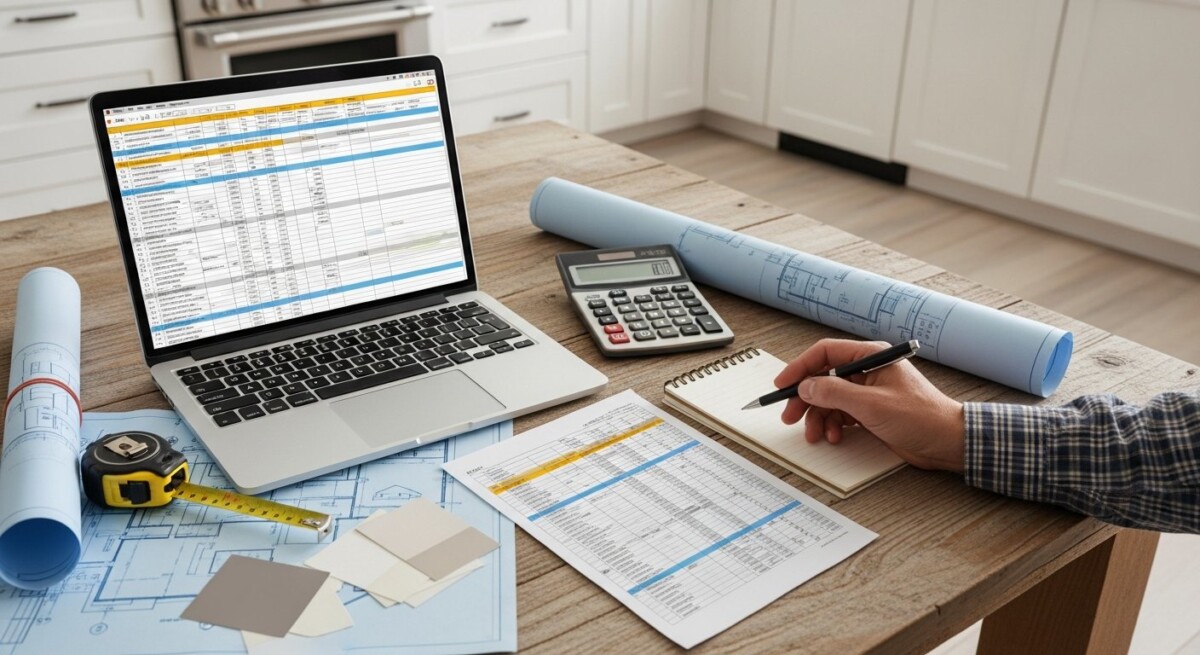
Another major variable is the scope of work. A cosmetic bathroom update , new vanity, paint, and fixtures , costs far less than a full gut renovation that involves moving walls or rerouting pipes. The same principle applies to roofing, kitchen remodels, and even flooring. Understanding what affects remodeling costs in your specific situation starts with a clear assessment of your home’s current condition and your project goals.
Why this matters for your home
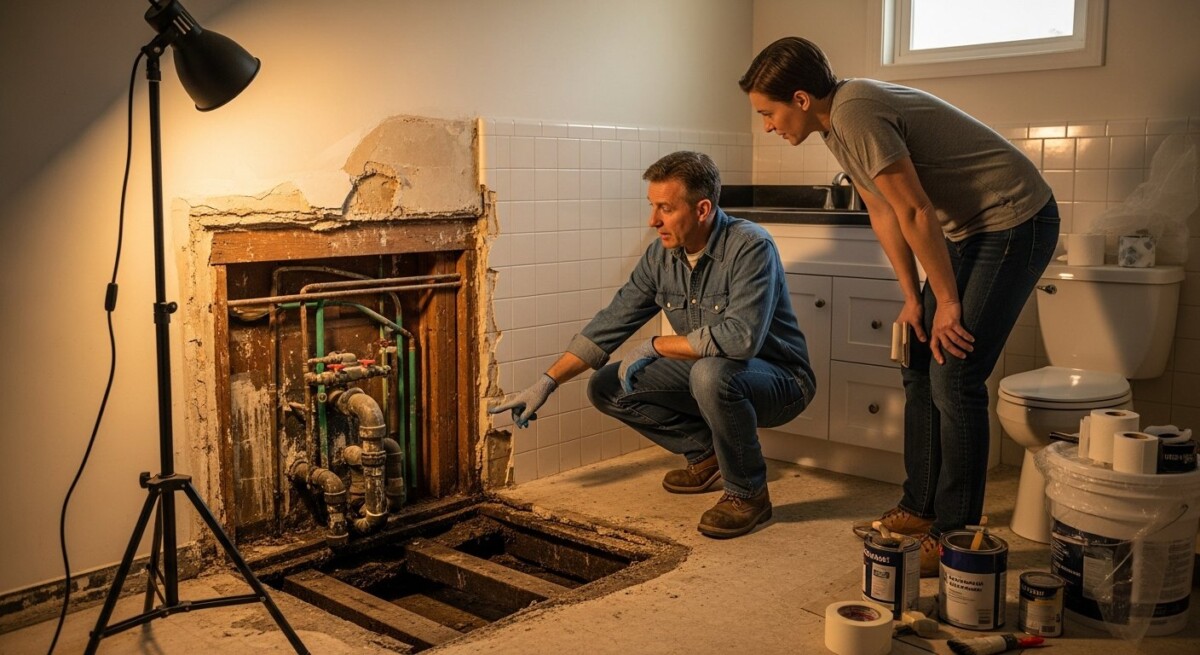
Remodeling isn’t just about looks. Delaying necessary upgrades or choosing the cheapest option can lead to serious problems. Water damage from an old roof, mold behind outdated bathroom tiles, or faulty wiring hidden behind new drywall can cost thousands to fix later. Safety risks also increase when work is done without proper permits or professional oversight.
Your home’s comfort and energy efficiency also depend on quality remodeling. New windows, proper insulation, and modern HVAC systems reduce utility bills and make your home more enjoyable year-round. But if you don’t account for the factors that affect cost, you might end up with a project that fails to deliver those benefits. That is why taking time to understand what affects remodeling costs is an investment in your home’s long-term value and safety.
If you notice signs of this issue in your home, it may help to speak with a qualified contractor. Request a free quote or call +1 (877) 764-1604 to explore your repair or remodeling options.
Common problems homeowners experience
Homeowners often run into the same surprises when remodeling. A seemingly simple project uncovers rotten wood, outdated wiring, or plumbing that doesn’t meet current code. These discoveries force change orders, which increase the final bill. Many homeowners also underestimate the cost of materials. Supply chain issues and inflation have made lumber, tile, and fixtures more expensive in recent years.
Another common problem is hiring the wrong contractor. A low bid might look attractive, but it often signals inexperience, insufficient insurance, or the use of cheap materials. The result is poor workmanship that needs to be redone, costing you twice as much in the long run. Understanding what affects remodeling costs helps you avoid these pitfalls from the start.
- Hidden water damage behind walls or under flooring
- Outdated electrical systems that cannot handle modern appliances
- Asbestos or lead paint in older homes requiring special removal
- Unpermitted work from previous owners that must be corrected
- Structural issues like foundation cracks or sagging beams
- Poor insulation that leads to high energy bills
How professionals solve the problem
Experienced contractors follow a systematic process to keep projects on track and within budget. They start with a thorough inspection of your home to identify hidden issues. This upfront assessment prevents surprises mid-project. Next, they create a detailed scope of work, including materials, timelines, and permit requirements. This clarity lets you compare bids accurately and understand exactly what you are paying for.
Professionals also have established relationships with suppliers and subcontractors, which often leads to better pricing and reliable scheduling. They handle permits and inspections, ensuring your remodel meets local building codes. This not only protects your safety but also preserves your home’s resale value. When you know what affects remodeling costs, you can see why professional work , though sometimes more expensive upfront , saves money and headaches over time.
- Inspection: Contractor evaluates your home’s current structure, systems, and materials.
- Planning: Detailed project plan with material selections, timeline, and cost breakdown.
- Permitting: Contractor obtains necessary permits and schedules inspections.
- Demolition: Safe removal of old materials, with proper disposal.
- Installation: Professional installation of new systems, fixtures, and finishes.
- Final walkthrough: Quality check and punch list to ensure everything meets your expectations.
A professional inspection can reveal hidden issues before they become expensive repairs. Compare contractor quotes here or call +1 (877) 764-1604 to discuss your project.
Warning signs you should not ignore
Some signs that your home needs remodeling are obvious. Peeling paint, cracked tiles, or a leaking roof are hard to miss. But other warning signs are subtle. A musty smell in the basement could indicate a slow leak. Higher-than-normal utility bills might mean your windows or insulation are failing. Cracks in drywall near door frames can signal foundation movement.
Ignoring these signs leads to bigger problems. A small roof leak turns into rotted rafters and mold. An outdated electrical panel can become a fire hazard. By catching issues early, you can plan a remodel that addresses the root cause rather than just the symptom. Understanding what affects remodeling costs includes knowing when to act , and early action almost always costs less.
- Water stains on ceilings or walls
- Drafts near windows or doors
- Floors that feel uneven or spongy
- Frequent circuit breaker trips
- Mold or mildew in bathrooms or basements
- Peeling exterior paint or siding
What affects the cost of repairs or installation
Several key factors determine the final price of any remodeling project. The size of the area matters , a small bathroom costs less to remodel than a large one, but the cost per square foot is often higher for small spaces because of fixed labor and permit costs. Material quality also plays a huge role. Solid-surface countertops, custom cabinetry, and premium flooring can double or triple the price compared to standard options.
Labor costs vary by region and the complexity of the work. If your home has limited access , like a second-story bathroom with no easy path for materials , expect higher labor charges. The age of your home is another factor. Older homes often require structural reinforcement, updated wiring, or asbestos abatement, all of which add cost. Finally, the season can affect pricing; spring and summer are peak remodeling seasons, and contractors may charge a premium for busy periods. Knowing what affects remodeling costs helps you plan your project at the right time and with realistic expectations.
Costs can vary depending on the condition of your home. The best way to know the price is to get a personalized estimate. Request free quotes from contractors or call +1 (877) 764-1604 today.
How to choose the right contractor
Selecting the right contractor is just as important as choosing the right materials. A good contractor communicates clearly, provides a detailed written estimate, and has a track record of finishing projects on time and on budget. Start by asking for recommendations from neighbors or friends who have recently remodeled. Online reviews and the Better Business Bureau can also help you vet candidates.
Once you have a few names, interview each one. Ask about their experience with projects similar to yours. Request references and follow up with past clients. A trustworthy contractor will be happy to share examples of their work and connect you with satisfied homeowners. Remember, the lowest bid is not always the best value. Understanding what affects remodeling costs means recognizing that quality work costs money , but it also saves you from future repairs.
- Verify license and insurance (general liability and workers’ compensation)
- Read online reviews on Google, Yelp, and Angi
- Ask for a detailed written estimate, not a verbal quote
- Compare at least three contractor bids before deciding
- Confirm experience with your specific project type (e.g., bathroom, roof, kitchen)
Long-term benefits of professional work
Investing in professional remodeling pays off in many ways. First, your home becomes safer. Properly installed electrical systems, secure railings, and up-to-code plumbing reduce the risk of accidents and emergencies. Second, durable materials and expert craftsmanship mean your remodel will last longer. Cheap work might look fine for a year, but it often fails quickly, costing you more in the long run.
Professional remodels also increase your home’s value. Updated kitchens and bathrooms are among the top features buyers look for. Energy-efficient windows, insulation, and HVAC systems lower monthly bills and make your home more attractive on the market. Finally, knowing that the work was done right gives you peace of mind. When you understand what affects remodeling costs, you can make informed decisions that protect your investment and improve your daily life.
How much does a kitchen remodel cost?
Kitchen remodels typically range from $15,000 to $50,000, depending on the size, materials, and whether you change the layout. Major factors include cabinet quality, countertop material, and appliance upgrades. A minor update with new hardware, paint, and lighting costs less, while a full gut renovation with custom cabinetry runs higher.
How can I save money on my remodel?
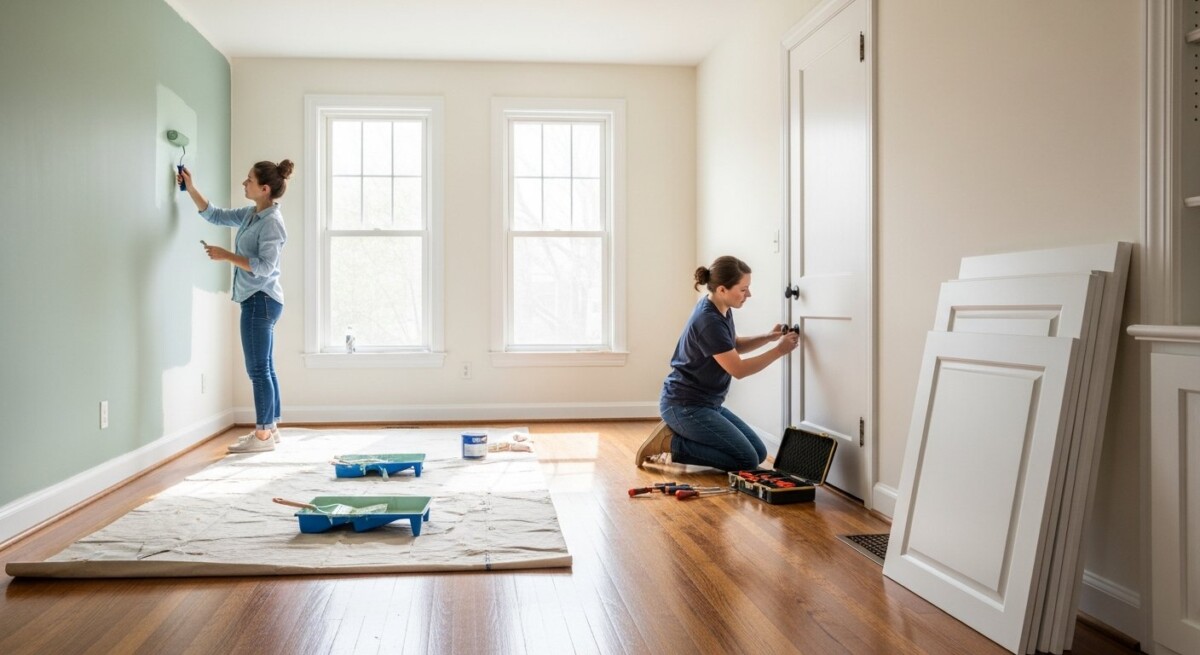
You can save by keeping the same layout , moving walls or plumbing is expensive. Choose mid-range materials instead of premium ones, and do some demolition or painting yourself if you have the skills. Getting multiple quotes from contractors also helps you find a fair price.
Why are contractor bids so different?
Bids vary because contractors use different materials, labor rates, and profit margins. A low bid may exclude important items like permits or disposal fees. A high bid might include premium materials or a longer warranty. Always compare the scope of work, not just the total price.
Do I need a permit for my remodel?
Most structural, electrical, plumbing, and major mechanical work requires a permit. Minor cosmetic updates like painting or replacing flooring usually do not. Your contractor should handle the permitting process. Skipping permits can lead to fines and problems when selling your home.
How long does a typical bathroom remodel take?
A full bathroom remodel usually takes 3 to 6 weeks. Simple updates like new fixtures and paint can be done in 1 to 2 weeks. Delays often happen if hidden damage is found or if custom materials take longer to arrive.
What is the most expensive part of a remodel?
Labor is typically the largest cost, accounting for 40,60% of the total budget. Materials are second, with custom cabinetry, stone countertops, and high-end flooring being the biggest expenses. In older homes, structural repairs and code upgrades can also drive costs up.
Should I remodel before selling my home?
It depends on your market and the condition of your home. Minor updates like fresh paint, new flooring, and a modern kitchen or bathroom can increase resale value. However, you may not recoup the full cost of a major remodel if you plan to sell soon. A real estate agent can give you local advice.
Can I negotiate with a contractor?
Yes, but focus on the scope of work rather than the hourly rate. You can ask for a lower price by removing certain items, using less expensive materials, or adjusting the timeline. Be transparent about your budget so the contractor can offer solutions that fit.
Remodeling your home is a big decision, but it doesn’t have to be overwhelming. By understanding what affects remodeling costs, you can plan a project that fits your budget and meets your needs. The key is to start early, ask the right questions, and work with professionals who prioritize quality and transparency. Before you commit, take the time to compare contractor quotes and get a clear picture of your options. Your home , and your wallet , will thank you.

About Alex Carter
"*" indicates required fields