Energy Efficient Home Upgrades for Comfort and Savings
"*" indicates required fields
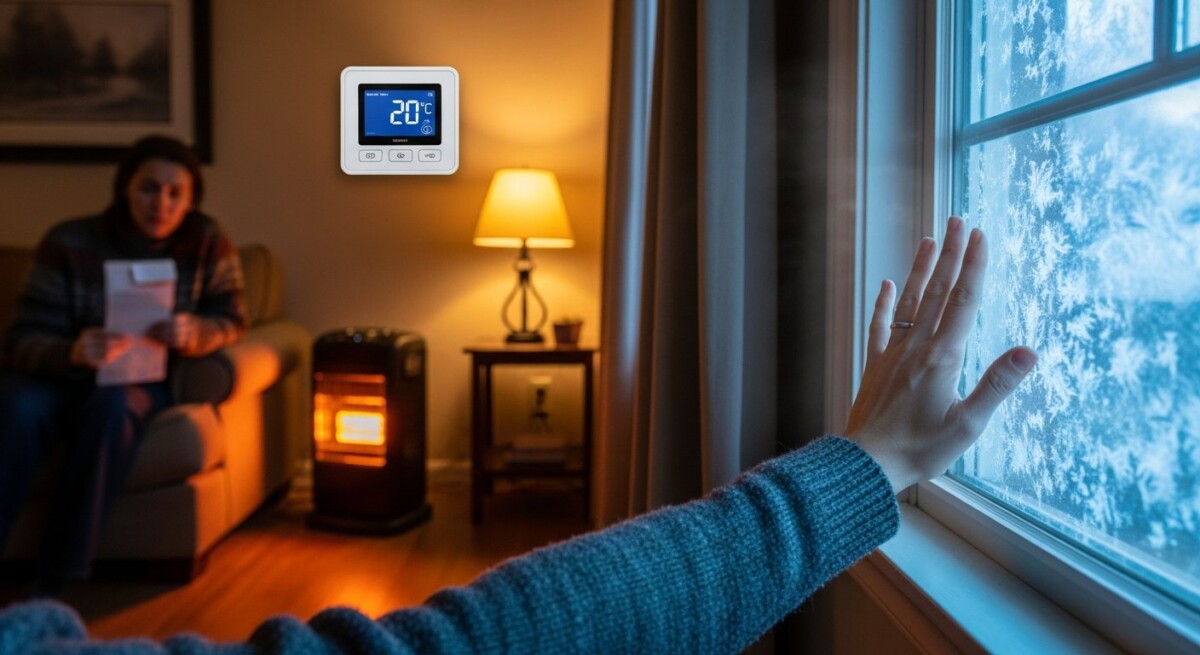
You walk into your living room on a cold winter evening and notice a draft sneaking in from the window. The heating system kicks on again, and you wonder why your energy bills keep climbing even though you haven’t changed your habits. This is a common moment when homeowners first suspect their home might need some upgrades. Small discomforts like uneven temperatures, high utility costs, or rooms that never feel quite right often point to a bigger issue: your home is losing energy. Ignoring these signs can lead to wasted money, reduced comfort, and even damage to your home’s structure. That’s why understanding energy efficient home upgrades is so important for any homeowner who wants to save money, stay comfortable, and protect their investment.
Understanding Energy Efficient Home Upgrades
Energy efficient home upgrades are improvements you make to your home that reduce the amount of energy needed to heat, cool, and power your living spaces. These upgrades can range from simple fixes like sealing air leaks to larger projects like installing new windows or upgrading your HVAC system. The goal is simple: use less energy while maintaining or even improving your comfort. Many homeowners don’t realize how much energy escapes through gaps, old insulation, or outdated appliances.
Homes built more than 20 years ago often lack modern energy-saving materials and techniques. Even newer homes can have weak spots where energy leaks out. The most affected homes include those with single-pane windows, insufficient attic insulation, or aging heating and cooling systems. When these issues are left unaddressed, your HVAC system has to work harder, which drives up your monthly bills and shortens the lifespan of your equipment. For a deeper look at how heating and cooling improvements fit into an overall plan, check out our guide on energy efficient HVAC solutions that can transform your home’s performance.
Why This Matters for Your Home
Ignoring energy inefficiency doesn’t just cost you money each month; it can also lead to real property damage. Moisture that gets in through gaps around windows or doors can cause wood rot, mold growth, and damage to drywall. Over time, these small leaks become expensive repairs that could have been avoided. Your safety can also be at risk when old electrical systems or gas appliances work harder than they should.
Comfort is another major concern. A home with poor energy efficiency often has hot and cold spots, drafts, and rooms that never feel quite right. This makes your living spaces less enjoyable and can even affect your sleep or health. As energy costs continue to rise, the financial impact of an inefficient home only grows. The longer you wait, the more you pay in utility bills and the more you risk needing costly emergency repairs.
If you notice signs of this issue in your home, it may help to speak with a qualified contractor. Request a free quote or call to explore your repair or remodeling options.
Common Problems Homeowners Experience
Many homeowners first notice energy efficiency problems through everyday discomfort. You might feel a cold draft near a window even when the heat is on, or find that your upstairs rooms are much hotter than the downstairs in summer. These signs often mean your insulation, windows, or air sealing need attention. Another common problem is seeing frost or condensation on windows during winter, which indicates poor insulation and potential moisture issues.
Older homes frequently have outdated materials that no longer perform well. For example, attic insulation from decades ago may have settled or become damp, reducing its effectiveness. Similarly, original windows with single panes of glass let heat escape easily. These issues don’t just affect comfort; they also put extra strain on your HVAC system, leading to more frequent breakdowns and repairs.
- High and rising energy bills without changes in usage
- Drafty rooms or cold floors near windows and doors
- Uneven temperatures between rooms or floors
- Condensation or frost on windows in winter
- HVAC system running constantly without reaching desired temperature
- Visible gaps, cracks, or worn weatherstripping around doors and windows
How Professionals Solve the Problem
Experienced contractors approach energy efficiency upgrades with a systematic plan. They start with a thorough inspection to identify exactly where your home is losing energy. This might include a blower door test to measure air leaks, an infrared camera scan to find missing insulation, and a review of your HVAC system’s performance. Once they understand your home’s unique needs, they can recommend the most effective upgrades for your budget.
- Inspection and assessment , Contractors use specialized tools to find hidden leaks, insulation gaps, and equipment inefficiencies.
- Air sealing , Professionals seal cracks and gaps around windows, doors, attics, and basements using durable materials like caulk and spray foam.
- Insulation upgrades , Adding or replacing insulation in attics, walls, and crawl spaces to meet current energy standards.
- Window and door replacement , Installing energy-efficient models with double or triple glazing and proper weatherstripping.
- HVAC improvements , Upgrading to a high-efficiency furnace, heat pump, or air conditioner, often combined with smart thermostats.
Professional work is safer and more reliable than DIY fixes because contractors have the training, tools, and materials to do the job right. They also understand local building codes and can ensure your upgrades qualify for energy rebates or tax credits. Attempting these projects yourself can lead to mistakes that cost more to fix later, such as improperly sealed gaps that trap moisture or insulation that doesn’t meet fire safety standards.
A professional inspection can reveal hidden issues before they become expensive repairs. Compare contractor quotes here or call to discuss your project.
Warning Signs You Should Not Ignore
Your home often gives you clear signals when it needs energy upgrades. Pay attention to changes in how your home feels and performs. If you notice your heating or cooling system running more often than it used to, or if your energy bills have jumped noticeably, these are red flags. Other warning signs are easier to spot once you know what to look for.
Early action can prevent small problems from turning into major expenses. For instance, a small air leak around a window might only cost a few dollars to seal now, but if left alone it can lead to moisture damage, rot, and the need for a full window replacement later. Similarly, adding attic insulation before winter can save you hundreds of dollars in heating costs and prevent ice dams that damage your roof.
- Sudden spikes in your monthly energy bills that you can’t explain
- Rooms that feel drafty or don’t hold temperature well
- Ice dams forming on your roof in winter
- Excessive dust or humidity inside your home
- Your HVAC system short-cycling or running constantly
- Old, single-pane windows that feel cold to the touch
What Affects the Cost of Repairs or Installation
The cost of energy efficient home upgrades varies widely depending on your home’s size, condition, and the specific improvements you choose. A simple project like sealing air leaks and adding weatherstripping can cost a few hundred dollars, while a whole-home window replacement or HVAC upgrade can run several thousand. The age of your home also matters; older homes often require more extensive work because they were built with outdated materials and methods.
Labor costs depend on the complexity of the job and accessibility of the work area. For example, replacing windows on a second story is more expensive than ground-floor installation because it requires extra safety equipment and time. The materials you select also affect the price. High-performance windows with low-E coatings and triple glazing cost more upfront but offer greater long-term savings. Understanding these factors helps you make informed decisions and compare quotes fairly.
Costs can vary depending on the condition of your home. The best way to know the price is to get a personalized estimate. Request free quotes from contractors or call today.
How to Choose the Right Contractor
Finding a trustworthy contractor is just as important as choosing the right upgrade. A good contractor will listen to your concerns, explain your options clearly, and provide a detailed written estimate. They should also be willing to answer your questions about materials, timelines, and energy savings. Taking the time to research contractors upfront can save you from headaches and poor workmanship later.
Don’t rush into hiring the first company you find. Instead, gather multiple quotes and compare them carefully. Look beyond the price; consider the contractor’s experience, reputation, and communication style. A slightly higher bid from a reputable contractor is often worth the investment for quality work and peace of mind.
- Check that the contractor is licensed and insured for your state and type of work
- Read online reviews and ask for references from recent customers
- Request detailed written estimates that break down materials, labor, and timeline
- Get at least three quotes to compare pricing and scope of work
- Confirm the contractor has specific experience with the type of upgrade you need
Long-Term Benefits of Professional Work
Investing in professional energy efficient home upgrades pays off in multiple ways over time. First, you’ll see immediate savings on your monthly utility bills, often enough to offset the cost of the upgrades within a few years. Second, your home becomes more comfortable year-round, with consistent temperatures and fewer drafts. This improves your quality of life and makes your home more enjoyable for your family.
Professional work also adds real value to your property. Energy efficient homes are increasingly attractive to buyers, and features like new windows, upgraded insulation, and modern HVAC systems can boost your resale price. Additionally, many upgrades come with warranties that protect you from future repair costs. By choosing professional installation, you ensure that your improvements are durable, safe, and built to last for decades.
For a comprehensive overview of how these improvements work together to create a more comfortable and cost-effective home, read our article on energy efficient home upgrades for comfort and savings.
What is the most cost-effective energy efficient home upgrade?
Air sealing and adding attic insulation typically offer the best return on investment. These upgrades are relatively inexpensive and can reduce your heating and cooling costs by 10 to 20 percent, often paying for themselves within two years.
How much can I save with energy efficient windows?
Energy-efficient windows can save you between $100 and $500 per year on utility bills, depending on your climate and the number of windows replaced. They also improve comfort by reducing drafts and blocking UV rays that fade furniture.
Do energy efficient home upgrades qualify for tax credits?
Yes, many energy efficient upgrades qualify for federal tax credits and local rebates. Improvements like insulation, windows, doors, and high-efficiency HVAC systems often have incentives available. Check the Energy Star website or ask your contractor for current offers.
How long does it take to install new insulation?
Most attic insulation installations take one to two days for a typical home. Blown-in insulation is faster than batts, and professional crews can complete the job with minimal disruption to your daily routine.
Should I replace all my windows at once or one at a time?
Replacing all windows at once is more cost-effective because contractors can work more efficiently and you avoid multiple installation fees. However, if your budget is tight, start with the leakiest windows or those in the most-used rooms.
What is the lifespan of an energy efficient HVAC system?
A properly maintained high-efficiency HVAC system typically lasts 15 to 20 years. Regular maintenance, such as changing filters and annual tune-ups, can extend its life and keep it running efficiently.
Can I do energy upgrades myself to save money?
Simple tasks like adding weatherstripping or caulking small gaps are DIY-friendly. However, major projects like window replacement, insulation installation, and HVAC upgrades require professional expertise to ensure safety, proper installation, and warranty coverage.
How do I know if my home needs energy upgrades?
Look for signs like high energy bills, drafts, uneven temperatures, and old windows or insulation. A professional energy audit is the best way to identify exactly where your home is losing energy and prioritize the most effective upgrades.
Taking action on energy efficient home upgrades is one of the smartest investments you can make for your home. You’ll save money, live more comfortably, and increase your property’s value over time. The key is to start with a professional assessment so you know exactly what your home needs. Don’t wait until small problems become big repairs. Compare quotes from trusted contractors and choose the upgrades that fit your budget and goals. Your home and your wallet will thank you.

About Alex Carter
"*" indicates required fields