How to Understand a Remodeling Contractor Hourly Rate
"*" indicates required fields
You’ve finally decided to tackle that outdated bathroom or finish the basement. You start calling contractors, and then the question comes: “What’s your hourly rate?” The answer can feel confusing. Some contractors quote by the hour, others by the project. Without a clear picture, it’s easy to worry about hidden costs or overpaying. If you don’t understand how pricing works, you might put off the project entirely,or worse, choose a contractor whose low hourly rate leads to unexpected charges later.
Understanding a remodeling contractor hourly rate is the first step to making a smart decision for your home. When you know what goes into that number, you can compare quotes fairly, avoid budget surprises, and feel confident about hiring the right professional. Let’s break down what these rates really mean and how they affect your project.
Understanding remodeling contractor hourly rate
A remodeling contractor’s hourly rate is the amount they charge for each hour of work on your project. This rate covers more than just their time. It typically includes their expertise, overhead costs like insurance and office expenses, tools, and a profit margin. Rates vary widely depending on where you live, the contractor’s experience, and the complexity of the job.
Homeowners often assume a lower hourly rate means a better deal. In reality, a contractor with a higher rate might finish the job faster and with fewer mistakes, saving you money overall. Conversely, a very low rate could signal inexperience or a lack of proper insurance, which puts your home at risk. The key is understanding what you’re paying for, not just the number on the invoice.
Which homes are most affected?
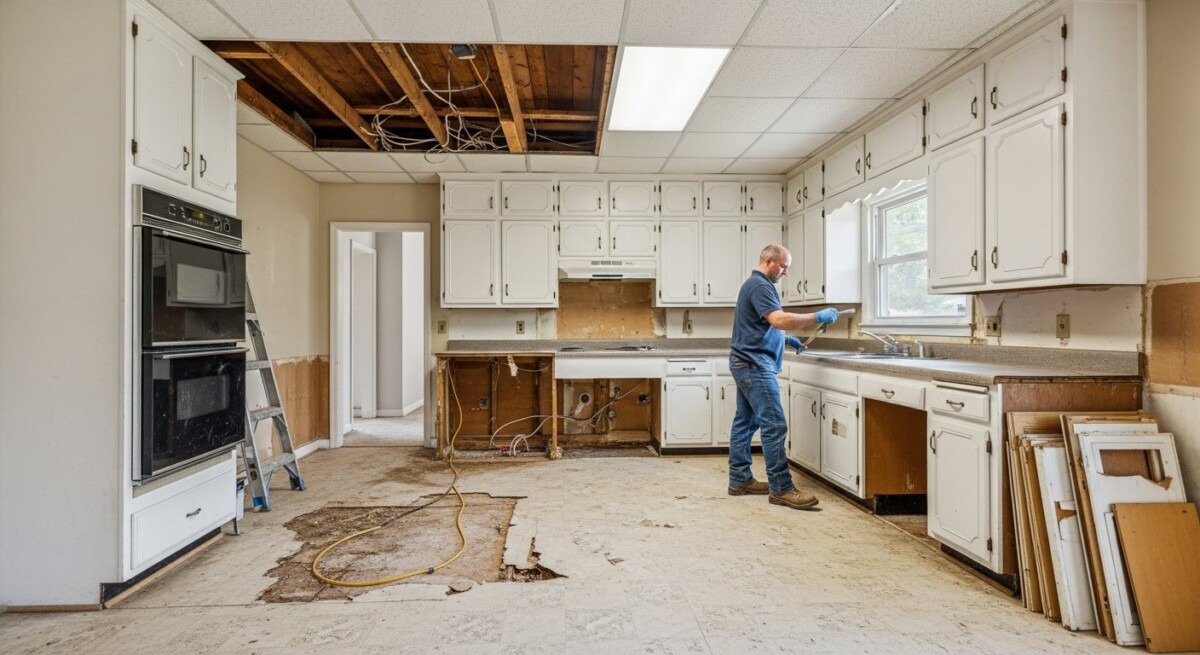
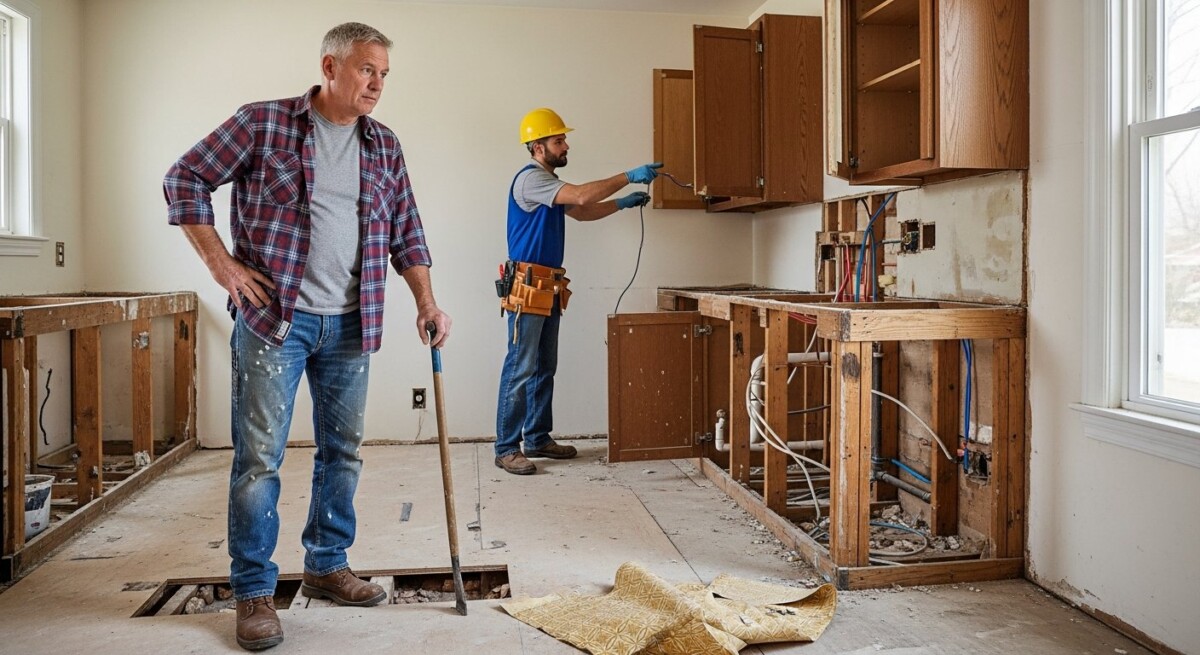
Older homes often require more specialized skills and unexpected fixes, which can lead to higher hourly rates or longer project times. Homes with complex layouts, hard-to-access areas, or custom features also tend to command higher rates because the work demands more precision and time. Even newer homes can face rate differences if the project involves intricate design work or premium materials.
Why This Matters for Your Home
Ignoring how contractor rates work can lead to real problems. If you hire based solely on the lowest hourly rate, you might end up with a contractor who cuts corners, uses subpar materials, or lacks the proper insurance. A failed remodel not only wastes money but can also damage your home’s structure, create safety hazards, and lower property value.
Think about what’s at stake: a poorly installed shower can lead to water damage and mold. A kitchen renovation with shoddy wiring creates a fire risk. These issues are expensive to fix later. Understanding the true cost of professional work,including the hourly rate,helps you avoid these pitfalls. It’s not just about the price; it’s about protecting your home and your family’s safety.
Delaying a remodel because you’re unsure about pricing can also cost you. Material prices rise, and your home continues to age. The longer you wait, the more extensive (and expensive) the repairs may become. A clear understanding of contractor rates empowers you to move forward with confidence.
If you notice signs of this issue in your home, it may help to speak with a qualified contractor. Request a free quote or call to explore your repair or remodeling options.
Common Problems Homeowners Experience
Many homeowners struggle to compare quotes because contractors present pricing differently. One gives an hourly rate, another a flat fee, and a third provides a range. Without a standard format, it’s nearly impossible to know which offer is fair. This confusion often leads to choosing a contractor based on price alone, which can backfire.
Another common issue is unexpected overtime or “time-and-materials” charges. A contractor may quote a low hourly rate but then bill for every hour spent, including travel time, material runs, and cleanup. If the project takes longer than expected,due to hidden problems or poor planning,your final bill can skyrocket. This leaves homeowners frustrated and feeling misled.
- Difficulty comparing quotes because pricing structures vary widely
- Unexpected charges for travel, material pickup, or cleanup time
- Projects that take longer than estimated, inflating labor costs
- Low hourly rates that hide inexperience or lack of insurance
- Miscommunication about what the hourly rate includes
- Hidden fees for permit handling, dumpster rental, or subcontractor management
How Professionals Solve the Problem
Experienced contractors address these issues by being transparent about their pricing from the start. They provide detailed written estimates that break down labor, materials, permits, and any other costs. Instead of a vague hourly rate, they often offer a fixed price for the entire project, which protects you from unexpected overruns. If they do charge by the hour, they clarify exactly what that rate covers and estimate the total hours needed.
Professional contractors also handle the entire process smoothly. They coordinate permits, order materials, schedule subcontractors, and clean up after the job. This saves you time and stress. More importantly, they carry liability insurance and workers’ compensation, so you’re not held responsible if someone gets hurt on your property. This protection alone is worth the investment.
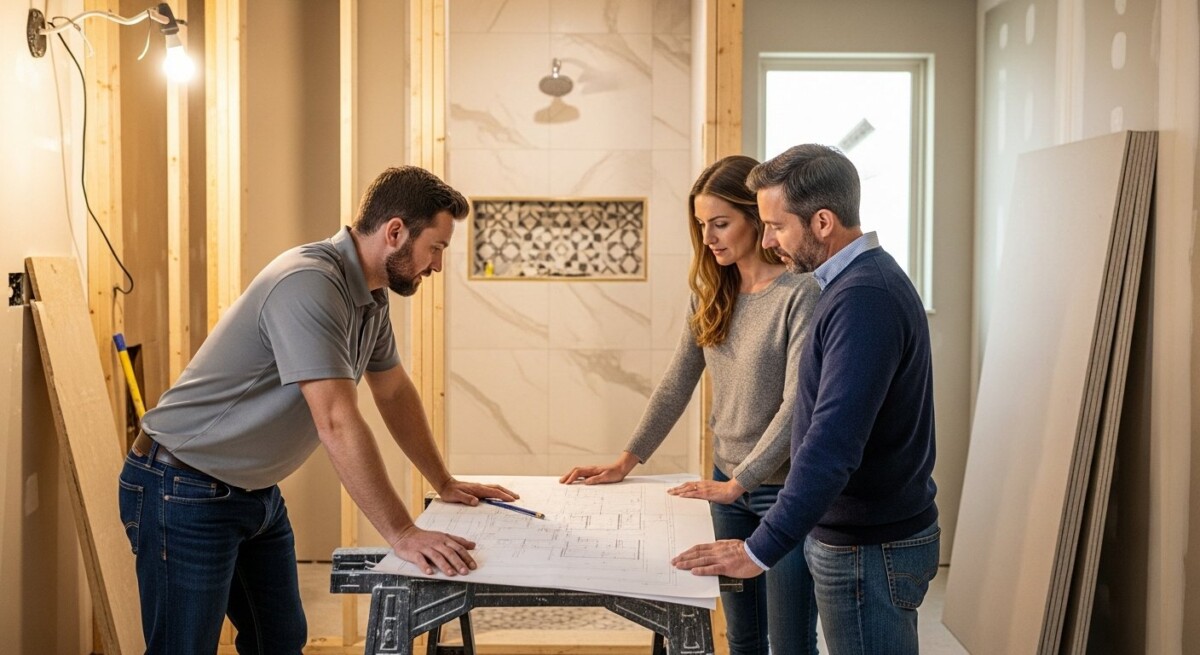
- Initial consultation: The contractor inspects your home, discusses your goals, and identifies any potential challenges.
- Detailed quote: You receive a written estimate with a clear breakdown of costs, including labor, materials, and timeline.
- Project planning: The contractor orders materials, pulls necessary permits, and schedules the work.
- Execution: The team completes the work efficiently, following safety codes and industry best practices.
- Final walkthrough: You inspect the finished project, and the contractor addresses any concerns before final payment.
A professional inspection can reveal hidden issues before they become expensive repairs. Compare contractor quotes here or call to discuss your project.
Warning Signs You Should Not Ignore
Your home often gives early clues that a remodel or repair is needed. Ignoring these signs can turn a manageable project into an emergency. Pay attention to changes in your home’s performance, appearance, or comfort. The sooner you act, the more control you have over the budget and timeline.
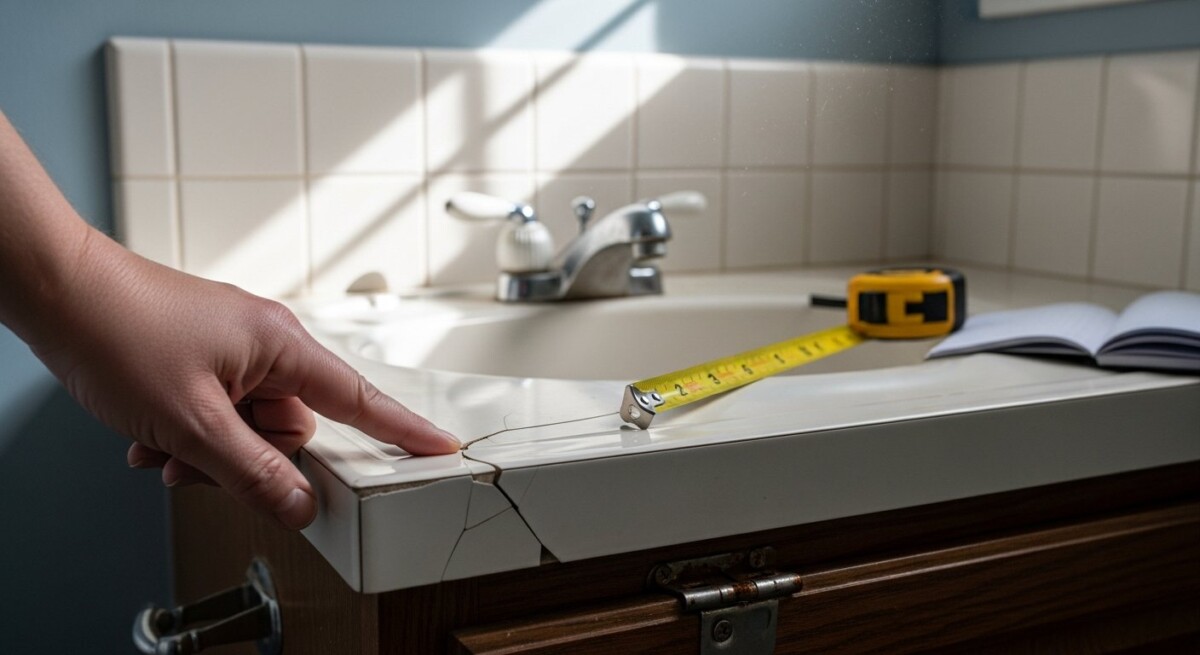
For example, a small crack in your bathroom tile might seem cosmetic, but it could indicate water damage behind the wall. A drafty window might just be annoying, but it could mean your heating bills are climbing unnecessarily. These small issues are easier and cheaper to fix when caught early.
- Water stains on ceilings or walls
- Peeling paint or wallpaper near plumbing fixtures
- Drafts or temperature imbalances in certain rooms
- Cracks in tile, grout, or drywall
- Doors or windows that stick or won’t close properly
- Musty odors or visible mold growth
What Affects the Cost of Repairs or Installation
Several factors determine the final cost of a remodeling project. The size of the area being remodeled is the most obvious factor,a full kitchen costs more than a half-bath. But materials play a huge role too. Custom cabinetry, natural stone countertops, and high-end fixtures drive up both material and labor costs because they require more skill to install.
Labor rates also depend on accessibility. A bathroom on the third floor with no elevator will cost more to remodel than a ground-floor powder room. Older homes may contain hazardous materials like lead paint or asbestos, which require special handling and increase the hourly rate. Finally, the contractor’s experience and reputation matter. A seasoned pro with a track record of quality work will charge more, but that investment often pays off in fewer mistakes and a smoother process.
Costs can vary depending on the condition of your home. The best way to know the price is to get a personalized estimate. Request free quotes from contractors or call today.
How to Choose the Right Contractor
Finding the right contractor is about more than comparing hourly rates. You need someone who communicates clearly, shows up on time, and delivers quality work. Start by asking for recommendations from friends or neighbors who have had similar work done. Online reviews and ratings on trusted platforms also provide valuable insight.
Once you have a few names, interview each one. Ask about their experience with projects like yours, how they handle unexpected issues, and whether they provide a written contract. A reputable contractor will gladly answer your questions and provide references. Don’t rush this step,taking the time to choose wisely will save you headaches later.
- Check licenses and insurance: Verify that the contractor is licensed in your state and carries liability and workers’ compensation insurance.
- Read customer reviews: Look for patterns in feedback,consistent praise or complaints tell you a lot.
- Ask for detailed estimates: A good estimate itemizes labor, materials, permits, and any other fees.
- Compare multiple quotes: Get at least three written estimates to understand the market rate for your project.
- Confirm experience: Choose a contractor who has completed projects similar in size and scope to yours.
Long-Term Benefits of Professional Work
Investing in a professional remodel pays off for years to come. Quality workmanship means your new kitchen, bathroom, or basement will hold up under daily use. Materials are installed correctly, preventing premature wear and costly repairs. Your home will also be more energy-efficient, with proper insulation, windows, and appliances that lower utility bills.
Beyond the practical benefits, a well-executed remodel increases your home’s resale value. Buyers are willing to pay more for a home with updated, professionally finished spaces. Even if you’re not planning to sell soon, you’ll enjoy greater comfort, safety, and pride in your home. And because professional contractors stand behind their work, you’ll have peace of mind knowing the job was done right.
What is a typical hourly rate for a remodeling contractor?
Hourly rates for remodeling contractors typically range from $50 to $150 per hour, depending on your location, the contractor’s experience, and the complexity of the job. Urban areas and specialized trades often fall on the higher end. Always ask what the rate includes to avoid surprises.
Is it better to pay by the hour or by the project?
For most homeowners, a fixed project price is safer because it protects you from cost overruns if the job takes longer than expected. Hourly rates can work well for small, unpredictable jobs where the scope is unclear. Discuss both options with your contractor to decide what fits your project best.
Why do some contractors charge more per hour than others?
Higher rates often reflect more experience, better equipment, proper insurance, and a track record of quality work. A contractor who charges more may also complete the job faster and with fewer mistakes, saving you money in the long run. Cheaper rates can sometimes mean cutting corners or lack of coverage.
What does a contractor’s hourly rate include?
A contractor’s hourly rate typically covers their time, expertise, overhead costs (insurance, office expenses, vehicle), tools, and a profit margin. It may not include materials, permits, or subcontractor fees. Always ask for a written breakdown of what is included.
How can I compare quotes from different contractors?
Ask each contractor for a detailed written estimate that lists labor, materials, permits, and timeline. If one quotes by the hour and another by the project, ask the hourly contractor for an estimated total labor cost. Compare the full scope of work, not just the price per hour.
Should I hire a contractor with a very low hourly rate?
Be cautious with very low rates. They may indicate inexperience, lack of insurance, or the use of cheap materials. Low rates can also lead to unexpected charges later. It’s better to choose a contractor with a fair, transparent rate and good reviews.
Does remodeling cost more for older homes?
Yes, older homes often require more specialized labor and may contain hazardous materials like lead paint or asbestos that need special handling. Unexpected structural issues are also more common. This can increase both the hourly rate and the total project time.
How do I know if a contractor is overcharging?
Get at least three written quotes for your project. If one quote is significantly higher or lower than the others, ask the contractor to explain the difference. Compare the scope of work, materials, and timeline. Trust your instincts,if something feels off, get another opinion.
Understanding your contractor’s hourly rate is the foundation of a successful remodel. When you know what you’re paying for and why, you can make confident decisions that protect your home and your budget. Don’t let confusion about pricing delay your project. Reach out to a few trusted professionals, compare their quotes, and choose the contractor who offers the best value,not just the lowest number. Your home deserves skilled, reliable work, and you deserve peace of mind.

About Alex Carter
"*" indicates required fields