How Residential Remodeling Contractors Protect Your Home Value
"*" indicates required fields
You walk into your kitchen one morning and notice the cabinet door is hanging crooked. The paint around your bathroom window is starting to bubble. Maybe the basement stairs creak louder than they did last year. Small issues like these are easy to brush off, but they rarely fix themselves. Over time, a loose hinge can signal water damage behind the wall, and peeling paint can hide mold growth. That is why understanding what residential remodeling contractors do,and when to call them,can save you thousands of dollars and a lot of stress.
Understanding Residential Remodeling Contractors
Residential remodeling contractors are licensed professionals who manage home improvement projects from start to finish. They coordinate everything from demolition to final touches, including plumbing, electrical work, framing, and finishes. Unlike a handyman who handles small tasks, a remodeling contractor oversees complex renovations that change the structure or function of your home.
These projects happen for many reasons. Your family may have outgrown your current layout. You might want to update an outdated bathroom or create an open-concept living area. Sometimes, the need is more urgent,like fixing a leaking roof or reinforcing an aging deck. Homes older than 20 years often need updates to meet modern safety codes and energy standards.
What Sets a Remodeling Contractor Apart
A remodeling contractor brings a team of specialists,electricians, plumbers, carpenters, and designers,under one contract. This means you have one point of contact, one timeline, and one budget to manage. They also pull the necessary permits and schedule inspections, which keeps your project legal and safe.
Why This Matters for Your Home
Ignoring needed repairs or delaying a remodel can lead to bigger problems. A small roof leak becomes rotted rafters and mold inside your walls. A bathroom with cracked tile can develop water damage that ruins the subfloor. These issues don’t stay small,they spread, and the cost to fix them multiplies.
Safety is another major concern. Old wiring can cause fires. A wobbly staircase railing can lead to a serious fall. Professional remodeling contractors identify these hidden dangers and correct them before they cause harm. They also improve your home’s comfort by fixing drafts, improving insulation, and upgrading heating and cooling systems.
Home value is a third reason to act. A well-planned remodel can increase your property’s resale value by 10 to 20 percent, depending on the project. Buyers pay more for updated kitchens, modern bathrooms, and energy-efficient windows. Even if you are not selling soon, you want your home to hold its value over time.
If you notice signs of this issue in your home, it may help to speak with a qualified contractor. Request a free quote or call (555) 123-4567 to explore your repair or remodeling options.
Common Problems Homeowners Experience
Most homeowners first notice a problem when something stops working the way it should. A window that sticks, a faucet that drips, or a floor that slopes. These symptoms often point to larger issues like foundation settling, pipe corrosion, or structural weakening.
The most frequent complaints include water damage, outdated layouts, poor energy efficiency, and lack of storage. Kitchens and bathrooms are remodeled most often because they see the heaviest daily use. Basements and attics are also common targets for conversion into living space.
- Water stains on ceilings or walls
- Drafty windows or doors
- Outdated fixtures and appliances
- Cracked or uneven flooring
- Mold or mildew in bathrooms or basements
- Rooms that feel cramped or poorly laid out
How Professionals Solve the Problem
A professional remodeling contractor starts with a thorough inspection. They look beyond the obvious damage to find the root cause. For example, a leaky shower might be caused by a cracked tile, but the real problem could be a failed waterproof membrane behind the wall. Fixing only the tile would leave you with the same leak in a few months.
- Assessment and planning. The contractor measures the space, checks for structural issues, and discusses your goals.
- Design and material selection. You choose finishes, colors, and fixtures that match your style and budget.
- Permitting and scheduling. The contractor handles all required permits and coordinates subcontractors.
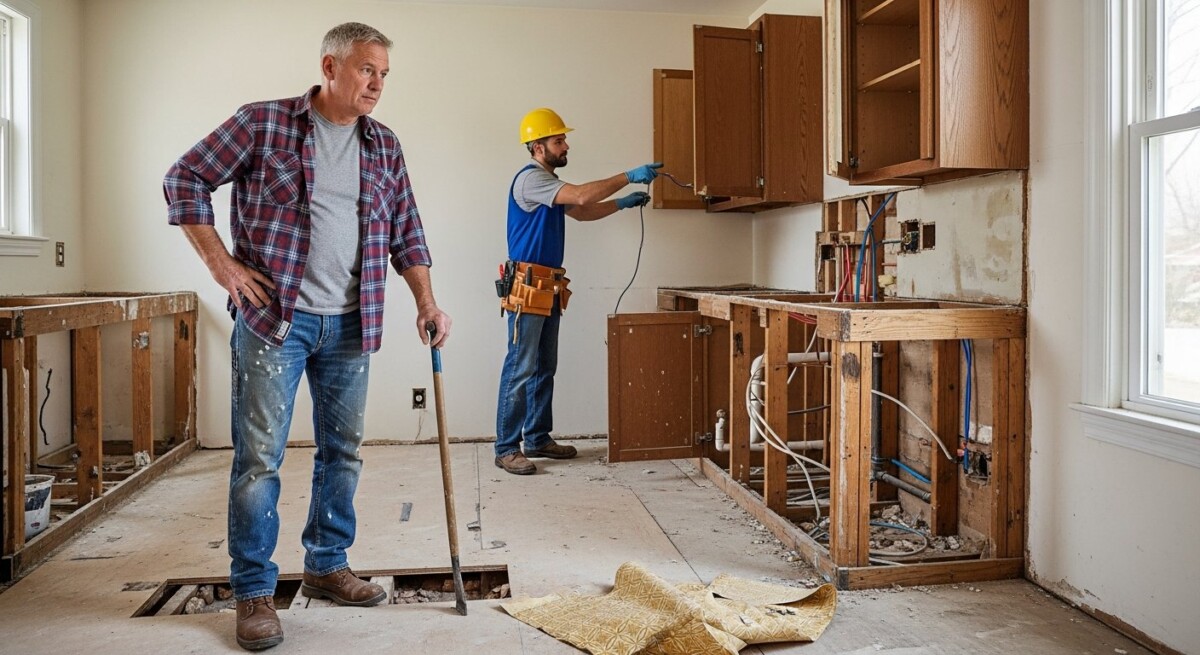
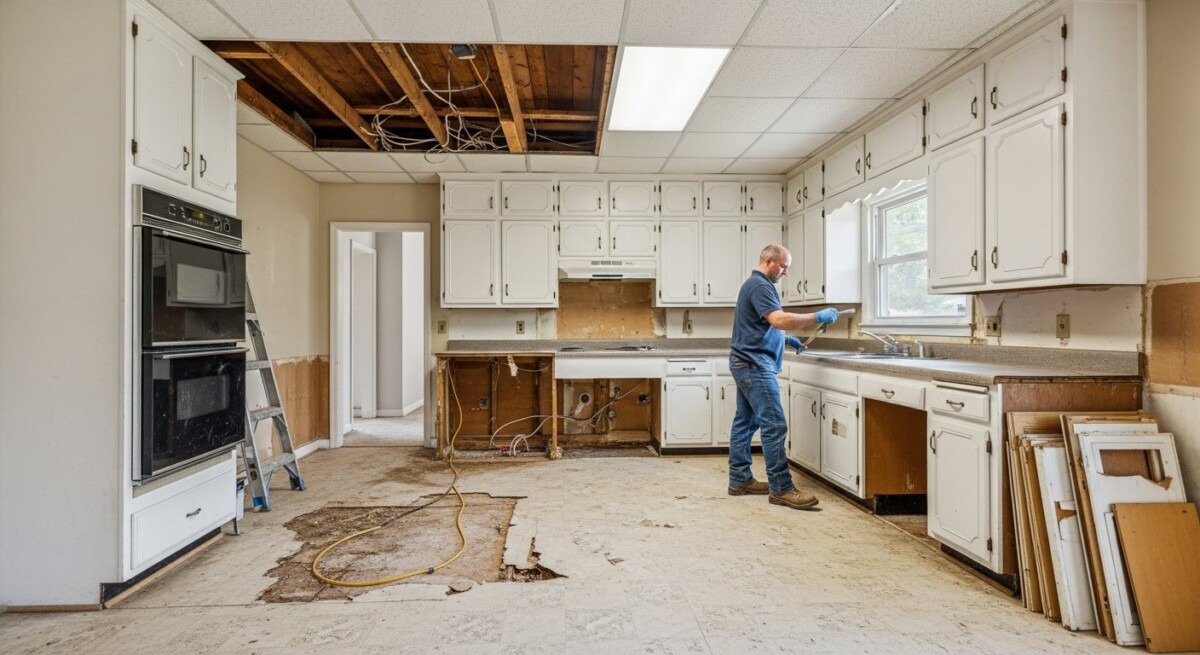
- Demolition and preparation. Old materials are removed safely, and the space is prepared for new work.
- Installation and construction. New systems, structures, and finishes are installed according to code.
- Final inspection and cleanup. The work is inspected, and the site is cleaned so you can enjoy your new space.
Professional work is safer because contractors carry insurance and follow strict safety protocols. They also guarantee their work, so if something goes wrong, they fix it at no extra cost. DIY projects often lack this protection and can void home insurance policies if done incorrectly.
A professional inspection can reveal hidden issues before they become expensive repairs. Compare contractor quotes here or call (555) 123-4567 to discuss your project.
Warning Signs You Should Not Ignore
Some problems are obvious, but others hide until they cause major damage. Learning to spot early warning signs can help you act before a small repair becomes a full renovation. Pay attention to changes in how your home feels, smells, or sounds.
- Musty odors that linger even after cleaning
- Doors that stick or won’t close properly
- Cracks in drywall that grow wider over time
- Higher energy bills without a change in usage
- Water pooling around the foundation after rain
- Peeling wallpaper or bubbling paint, especially in bathrooms
If you spot any of these signs, do not wait. Call a contractor to inspect the area. Early detection often means a simpler, cheaper fix. For example, resealing a bathroom can cost a few hundred dollars, but ignoring it could lead to a full gut renovation costing thousands.
What Affects the Cost of Repairs or Installation
Remodeling costs vary widely based on the size and scope of the project. A small bathroom update might cost $5,000 to $15,000, while a full kitchen remodel can run $25,000 to $60,000 or more. The condition of your home also plays a role,older homes often require additional structural work that newer homes do not.
Material choices significantly impact price. Custom cabinetry, imported tile, and premium appliances cost more than stock options. Labor rates differ by region and by the complexity of the job. Accessibility matters too; a bathroom on the second floor is harder to work on than one at ground level.
Costs can vary depending on the condition of your home. The best way to know the price is to get a personalized estimate. Request free quotes from contractors or call (555) 123-4567 today.
How to Choose the Right Contractor
Choosing the right contractor can feel overwhelming, but a few simple steps can help you find someone trustworthy. Start by asking friends, neighbors, or local real estate agents for recommendations. Online reviews on sites like Google, Yelp, and the Better Business Bureau give you a sense of a contractor’s reputation.
- Verify the contractor’s license and insurance before signing anything.
- Read recent customer reviews and ask for references you can call.
- Get at least three detailed written estimates for comparison.
- Ask about their experience with projects similar to yours.
- Review the contract carefully, including payment schedule and timeline.
A good contractor will be happy to answer your questions and explain their process. They should also provide a clear contract that outlines scope of work, materials, payment terms, and warranty information. Never pay the full amount upfront; a typical schedule is one-third at signing, one-third at midpoint, and one-third upon completion.
Long-Term Benefits of Professional Work
Investing in professional remodeling pays off in many ways beyond just appearance. First, your home becomes safer. Updated wiring, proper ventilation, and sturdy railings reduce the risk of accidents. Second, your home becomes more durable. Professional installations last longer because they are done correctly, with quality materials and proper techniques.
Energy efficiency is another major benefit. New windows, insulation, and HVAC systems lower your monthly utility bills. Over time, these savings can offset the cost of the remodel. Finally, a well-executed remodel increases your home’s resale value. Even if you are not planning to sell, knowing your home is worth more gives you peace of mind and financial flexibility.
Professional work also reduces future maintenance. When a contractor installs a new roof, bathroom, or kitchen, they use materials and methods that require less upkeep. You spend less time and money on repairs down the road.
What is the difference between a remodeling contractor and a general contractor?
A general contractor handles new construction and large-scale projects, while a remodeling contractor specializes in renovating existing spaces. Remodeling contractors understand the unique challenges of working within an existing structure, such as matching old materials and working around load-bearing walls.
How long does a typical home remodel take?
Timelines vary by project size. A bathroom remodel usually takes 2 to 4 weeks, a kitchen remodel 4 to 8 weeks, and a full basement finish 6 to 12 weeks. Delays can happen due to material shortages or unexpected structural issues found during demolition.
Do I need a permit for a home remodel?
Most structural, electrical, and plumbing changes require a permit. Your contractor should handle this process. Skipping permits can lead to fines and problems when you sell your home, because unpermitted work may not pass inspection.
How much does it cost to remodel a kitchen?
A minor kitchen remodel costs $5,000 to $15,000, a mid-range remodel $25,000 to $45,000, and a high-end remodel $60,000 or more. Costs depend on cabinet quality, countertop materials, appliance choices, and whether you move plumbing or walls.
Can I live in my home during a remodel?
Small projects like a single bathroom or kitchen update are often manageable while living at home. Larger projects that involve multiple rooms or structural work may require you to stay elsewhere for a few weeks. Talk to your contractor about the disruption level before starting.
How do I know if a contractor is trustworthy?
Check their license and insurance, read online reviews, and ask for references. A trustworthy contractor provides a written contract, a clear payment schedule, and a warranty on their work. They also communicate openly about timelines and potential issues.
What should I look for in a remodeling contract?
A good contract includes a detailed scope of work, material specifications, a payment schedule, start and completion dates, and warranty information. It should also outline how change orders (additions or changes to the original plan) will be handled.
Is it cheaper to remodel or move?
Remodeling is often cheaper than moving, especially when you factor in real estate agent commissions, moving costs, and higher interest rates on a new mortgage. If you love your neighborhood and your home’s bones, remodeling is usually the more cost-effective choice.
Your home is one of your biggest investments, and keeping it in good shape protects both your family and your finances. Small problems rarely go away on their own,they grow. By understanding what residential remodeling contractors can do and when to call them, you can make informed decisions that save money and stress. Before you start any project, compare quotes from multiple contractors to find the best fit for your home and budget.

About Alex Carter
"*" indicates required fields