How to Plan Home Renovation: A Step-by-Step Guide for Homeowners
"*" indicates required fields
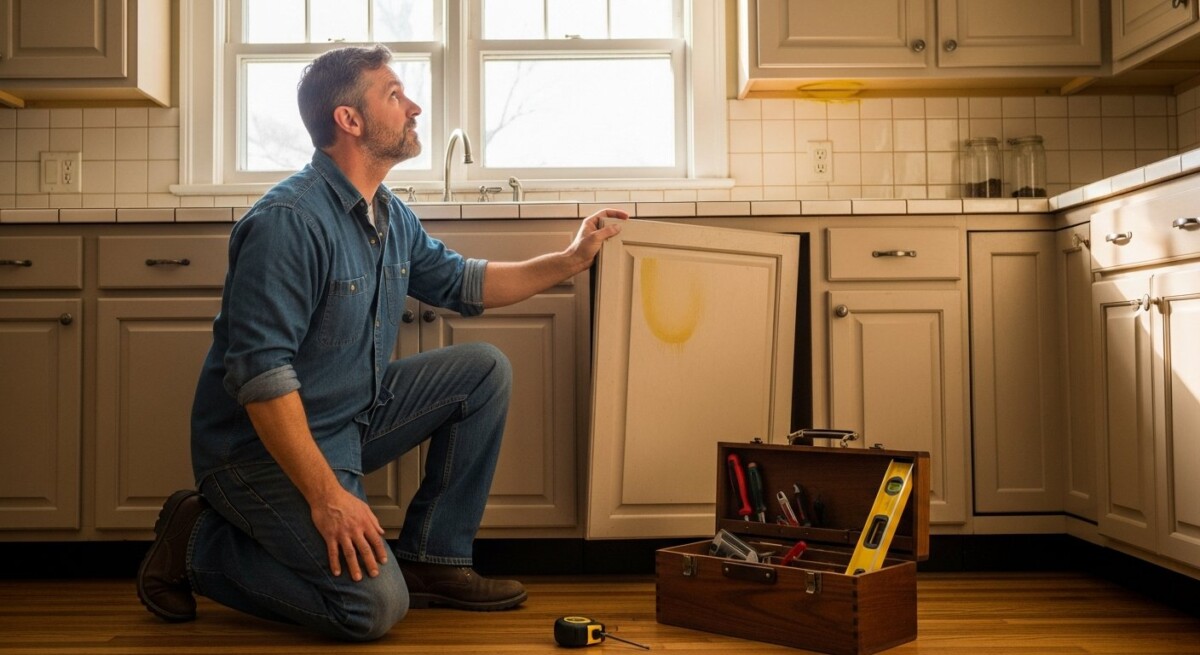
You walk into your kitchen and notice the cabinet door is hanging by one hinge. Or maybe you finally admitted the outdated bathroom tile has to go. Perhaps you simply feel your home no longer works for your family’s daily life. These small frustrations often lead to a big question: where do you even start? Without a clear plan, a renovation can quickly spiral into budget overruns, delayed timelines, and unnecessary stress. That is why learning how to plan home renovation is the single most important step you can take before picking up a hammer or calling a contractor.
Understanding How to Plan Home Renovation
Planning a home renovation means mapping out every phase of your project before any work begins. It involves defining your goals, setting a realistic budget, choosing materials, hiring the right professionals, and creating a timeline. Without this roadmap, even a simple room refresh can become chaotic and costly.
Many homeowners skip proper planning because they feel overwhelmed or just want to get started quickly. Unfortunately, this often leads to mid-project changes, unexpected expenses, and disappointing results. Homes of all ages and styles benefit from a structured plan, but older homes especially require careful assessment of existing systems like plumbing, electrical, and structural elements.
Why This Matters for Your Home
A well-planned renovation protects your most valuable asset,your home. Poor planning can lead to water damage from improperly installed fixtures, electrical hazards from overloaded circuits, or wasted square footage from a layout that doesn’t function. These issues not only cost more to fix later but can also reduce your home’s resale value.
Safety is another critical concern. A renovation that ignores load-bearing walls or outdated wiring puts your family at risk. Comfort also suffers when a plan overlooks insulation, ventilation, or traffic flow. By investing time upfront in planning, you avoid paying for mistakes twice.
If you notice signs of this issue in your home, it may help to speak with a qualified contractor. Request a free quote or call to explore your repair or remodeling options.
Common Problems Homeowners Experience
Most homeowners run into the same predictable problems when they skip proper planning. Budgets blow out because they didn’t account for material price increases or hidden structural issues. Timelines stretch for months because permits were forgotten or materials were back-ordered. Design choices made in a rush often lead to regret once the dust settles.
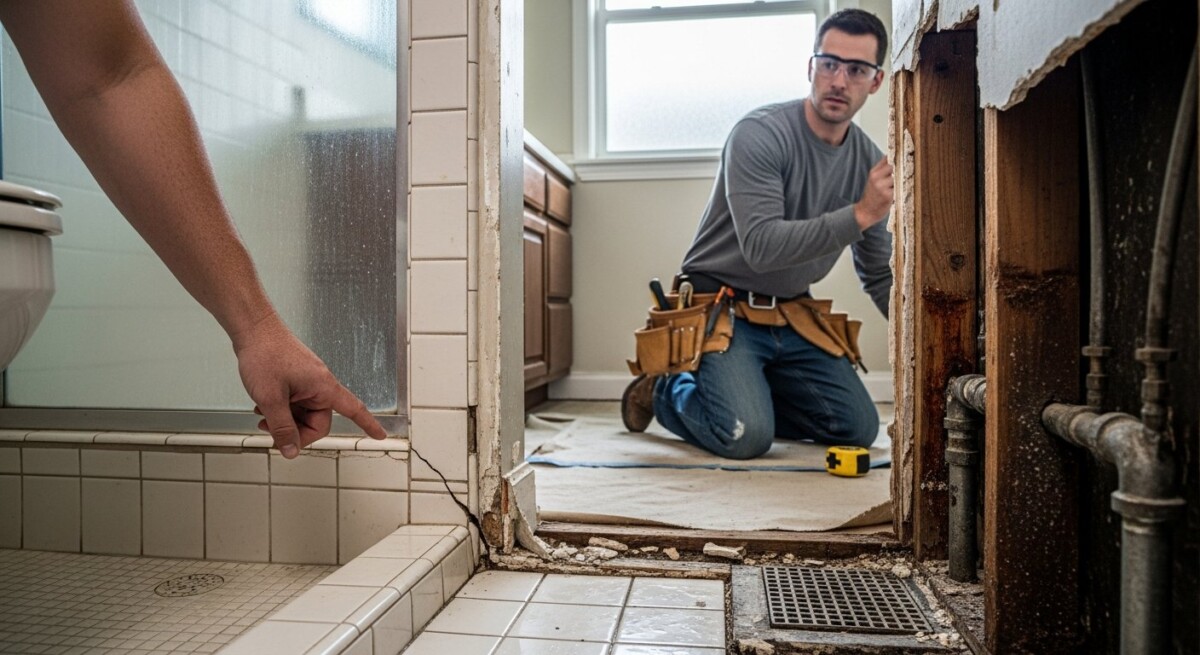
These problems show up in real homes every day. A homeowner might start a bathroom renovation without checking for mold behind the shower tiles, only to discover extensive water damage mid-project. Another might order custom cabinets before measuring doorways, then realize they won’t fit through the hall.
- Running out of budget before the project is half finished
- Delays from unapproved permits or missed inspections
- Disagreements with contractors over scope of work
- Living in a construction zone for months longer than expected
- Ending up with a layout that doesn’t match your daily needs
- Discovering hidden damage like rot, pests, or faulty wiring during demolition
How Professionals Solve the Problem
Experienced contractors bring order to chaos. They start with a thorough assessment of your home’s current condition, identify potential issues before demolition begins, and create a detailed scope of work. Their expertise helps you avoid costly surprises and keeps the project on track.
Professional renovation follows a proven process that protects both your home and your investment. Here is how a typical project unfolds:
- Initial consultation and needs assessment , The contractor listens to your goals, inspects the space, and identifies any red flags.
- Detailed estimate and project plan , You receive a written proposal with costs, materials, timeline, and payment schedule.
- Permit procurement , The contractor handles all required permits and ensures work meets local building codes.
- Demolition and preparation , The space is cleared, protected, and prepped for new construction.
- Installation and construction , Work proceeds in the correct order, from rough-in work to finishes.
- Final inspection and walk-through , Every detail is checked, and you receive guidance on maintenance and warranties.
DIY renovations often lack this structured approach. Without professional experience, homeowners miss critical steps, use improper techniques, or create safety hazards. Professional work is safer, more reliable, and typically comes with warranties that protect you long after the job is done.
A professional inspection can reveal hidden issues before they become expensive repairs. Compare contractor quotes here or call to discuss your project.
Warning Signs You Should Not Ignore
Your home often gives clear signals that a renovation is needed. Recognizing these early warning signs allows you to plan ahead rather than react to an emergency. Catching issues early saves money and reduces disruption to your daily life.
For example, a small water stain on the ceiling might seem minor, but it could indicate a roof leak that will worsen over time. Cracks in drywall near door frames may signal foundation movement. Outdated electrical panels or frequent breaker trips suggest your home’s system is overloaded and unsafe.
- Peeling paint or wallpaper, especially in bathrooms or kitchens
- Floors that sag, squeak, or feel uneven
- Doors or windows that stick or don’t close properly
- Musty odors or visible mold growth
- Drafts or rooms that are difficult to heat and cool
- Cracks in walls, ceilings, or foundation
What Affects the Cost of Repairs or Installation
Renovation costs vary widely based on your specific project. The size of the space matters most,a full kitchen remodel costs more than a powder room update. Material choices also drive price; custom cabinetry and natural stone are far more expensive than stock options and laminate.
Labor costs depend on the complexity of the work and your location. Projects that require structural changes, plumbing relocation, or electrical rewiring demand skilled tradespeople and higher rates. Accessibility also plays a role,a second-floor bathroom is harder to work on than a ground-floor one. Older homes often have hidden challenges like outdated wiring or non-standard pipe sizes that increase costs.
Costs can vary depending on the condition of your home. The best way to know the price is to get a personalized estimate. Request free quotes from contractors or call today.
How to Choose the Right Contractor
Selecting the right contractor is just as important as the renovation plan itself. A good contractor communicates clearly, shows up on time, and delivers quality work within budget. A poor choice can turn your dream renovation into a nightmare of delays, disputes, and shoddy craftsmanship.
Start by asking for recommendations from friends, neighbors, or local hardware stores. Then verify each contractor’s credentials and reputation before signing anything. Taking these steps helps you find a partner who will treat your home with care.
- Verify state licenses and liability insurance
- Read recent online reviews and check the Better Business Bureau rating
- Ask for detailed written estimates from at least three contractors
- Compare quotes line by line, not just the bottom line
- Confirm they have direct experience with projects similar to yours
Long-Term Benefits of Professional Work
Investing in professional renovation pays dividends for years to come. Quality workmanship means your new kitchen, bathroom, or addition will stand up to daily use without premature wear. Properly installed insulation and windows lower your energy bills every month. Updated electrical and plumbing systems reduce the risk of costly emergencies.
Your home’s resale value also benefits. Buyers pay a premium for modern, well-maintained spaces with professional finishes. Even if you aren’t selling soon, a thoughtful renovation makes your home more enjoyable to live in. You gain peace of mind knowing the work was done right, with permits, inspections, and warranties protecting your investment.
Reduced maintenance is another hidden advantage. Professional contractors use quality materials and correct installation techniques that prevent common problems like leaks, cracks, and warping. You spend less time fixing issues and more time enjoying your home.
What is the first step in planning a home renovation?
The first step is defining your goals. Write down what you want to achieve,more space, better function, updated style,and list your must-haves versus nice-to-haves. This clarity helps you communicate your vision to contractors and make decisions when trade-offs arise.
How much should I budget for a home renovation?
A common guideline is to set aside 10-20% of your home’s current value for major renovations. However, costs vary by project type and location. Always add a 10-15% contingency fund for unexpected issues that arise during demolition or construction.
Do I need permits for my renovation?
Most structural, electrical, plumbing, and HVAC work requires permits. Your contractor should handle this, but you are ultimately responsible. Skipping permits can lead to fines, difficulty selling your home, and safety hazards if work is not inspected.
How long does a typical home renovation take?
Timelines depend on the scope. A bathroom remodel might take 3-6 weeks, a kitchen 6-12 weeks, and a full home renovation 3-6 months or more. Delays from material availability, permit approvals, and unforeseen issues are common, so build buffer time into your schedule.
Should I live in my home during renovations?
It depends on the project’s scale. Small bathroom or bedroom renovations are manageable if you have a second bathroom and can tolerate noise and dust. Large projects like whole-home remodels often make living on-site impractical and stressful. Discuss this with your contractor early.
How do I save money on a home renovation?
Save money by planning thoroughly, keeping your existing layout when possible, choosing mid-range materials, and getting multiple quotes. Avoid moving walls or relocating plumbing unless essential. Doing your own demolition or painting can cut costs, but be realistic about your skill level.
What questions should I ask a contractor before hiring?
Ask about their experience with similar projects, how they handle change orders, their payment schedule, who will be on-site daily, and how they communicate progress. Request references and photos of completed work. A trustworthy contractor welcomes these questions.
Planning a home renovation doesn’t have to be overwhelming. By taking the time to define your goals, set a realistic budget, and choose a qualified contractor, you set your project up for success. The earlier you address issues and involve professionals, the smoother your renovation will go. Start by comparing contractor quotes to understand your options and find the right fit for your home.

About Alex Carter
"*" indicates required fields