Bathroom Remodel Pricing: What Homeowners Need to Know
"*" indicates required fields
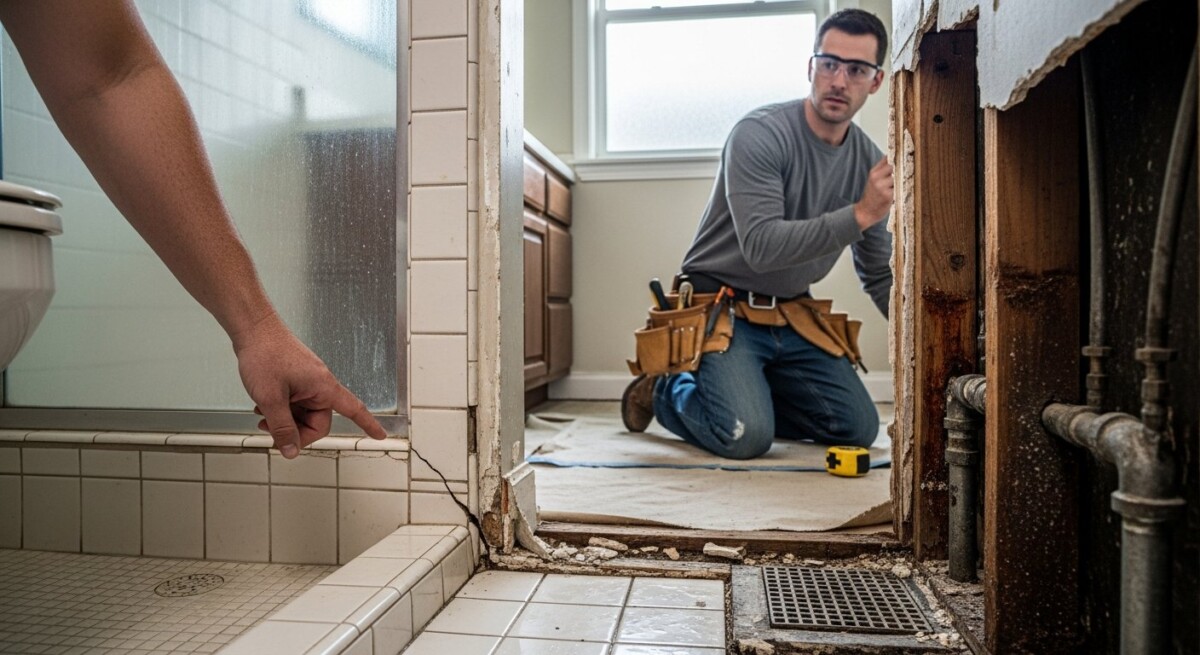
You walk into your bathroom one morning and notice a small crack in the tile, a slow drain, or outdated fixtures that just don’t feel right. Maybe the grout is discolored, or the vanity feels cramped. At first, it seems like a minor annoyance,something you can live with for a while longer. But as weeks pass, that small crack can lead to water damage, the slow drain can become a clog, and the outdated design can make your home feel older than it is. Understanding bathroom remodel pricing early can save you from costly surprises down the road.
Homeowners often discover these issues gradually, but ignoring them can lead to structural problems, mold growth, and higher repair bills. In our guide on bathroom remodel pricing, we break down what you can expect and how to plan for a successful project.
Understanding Bathroom Remodel Pricing
Bathroom remodel pricing refers to the total cost of updating or renovating a bathroom, including materials, labor, permits, and unexpected repairs. Prices vary widely based on the size of your bathroom, the quality of materials you choose, and the scope of work,whether it’s a simple refresh or a full gut renovation.
Most homeowners start looking into pricing when they realize their bathroom no longer meets their needs or shows signs of wear. Older homes, especially those built before 1990, often require more extensive work due to outdated plumbing, wiring, or water damage behind walls. Even newer homes can need updates if previous owners cut corners on installation.
How Costs Are Typically Structured
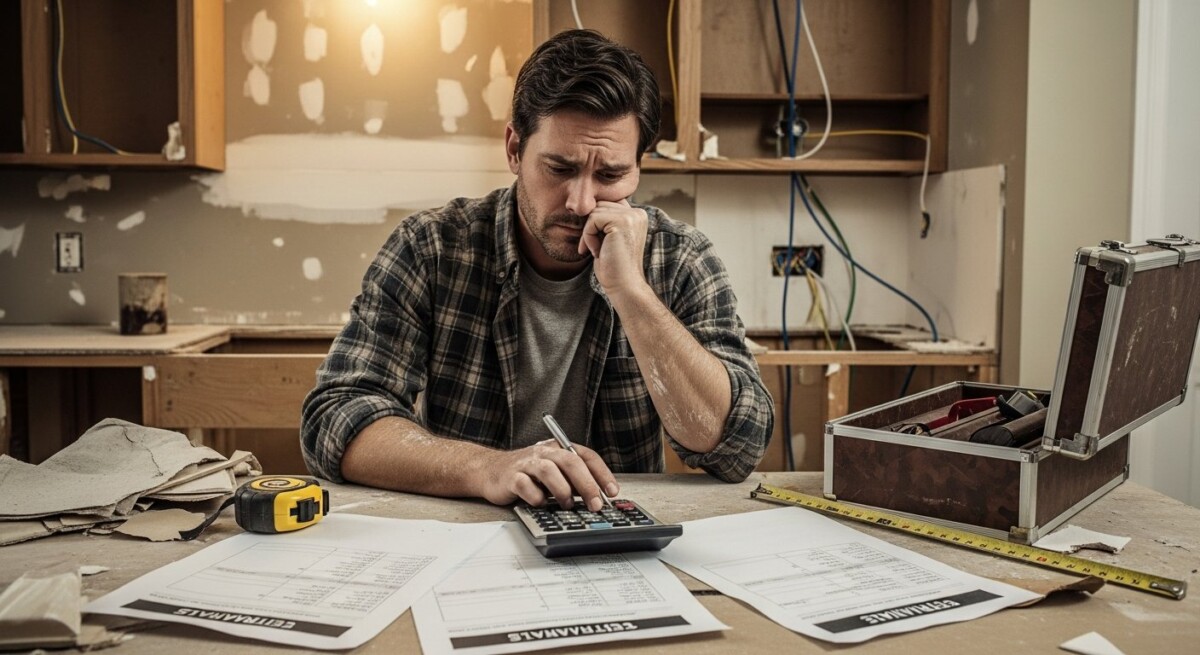
Contractors usually break down costs into three main categories: demolition and prep, materials and fixtures, and labor. A mid-range bathroom remodel in the U.S. typically falls between $6,000 and $15,000, while high-end renovations can exceed $30,000. Your final price depends on factors like whether you’re moving plumbing lines, upgrading to custom cabinetry, or installing luxury tile.
Why This Matters for Your Home
Your bathroom is one of the most-used rooms in your home, and it’s also one of the most vulnerable to moisture damage. Delaying a remodel can lead to rotting subfloors, mold inside walls, and even compromised structural integrity. What starts as a cosmetic issue can quickly become a health and safety hazard.
Beyond safety, an outdated or poorly functioning bathroom lowers your home’s resale value and makes daily life less comfortable. Buyers often judge a home by its bathrooms, and a dated design can hurt your sale price. Investing in a remodel now protects your property and improves your quality of life.
If you notice signs of this issue in your home, it may help to speak with a qualified contractor. Request a free quote or call to explore your repair or remodeling options.
Common Problems Homeowners Experience
Many homeowners put off a bathroom remodel because they don’t realize how many small issues are adding up. A leaking faucet, peeling paint, or a toilet that runs constantly might seem minor, but together they signal larger problems with plumbing or ventilation.
Over time, these problems worsen. Water seeps into drywall, causing stains and soft spots. Poor ventilation leads to peeling paint and mold growth on ceilings. Outdated fixtures waste water and increase utility bills. Homeowners often feel overwhelmed when they finally decide to remodel because the list of repairs has grown so long.
- Cracked or missing grout that lets water seep behind tiles
- Slow drains that indicate pipe buildup or damage
- Peeling paint or wallpaper from high humidity
- Mold or mildew spots on walls, ceilings, or caulk
- Wobbly toilet or sink that suggests subfloor damage
- Outdated fixtures that waste water and look worn
How Professionals Solve the Problem
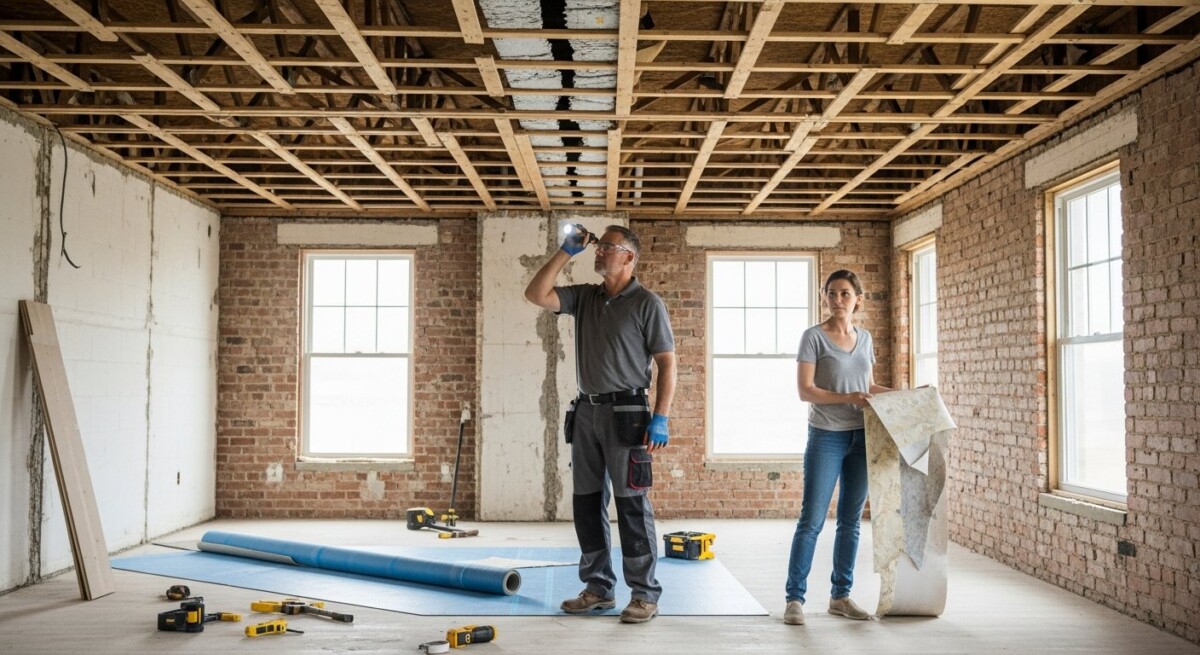
Experienced contractors approach a bathroom remodel systematically. They start with a thorough inspection to identify hidden issues,like water damage behind walls or outdated wiring,that you might not see. Then they create a plan that addresses both the visible problems and the underlying causes.
Professional work ensures that every step is done to code and built to last. Licensed contractors have the tools and knowledge to handle plumbing, electrical, and structural work safely. They also coordinate the timeline so that your project finishes on schedule and within budget.
- Inspection and demolition to expose hidden damage
- Plumbing and electrical updates to meet current codes
- Waterproofing and subfloor repair for long-term durability
- Installation of new fixtures, tile, and cabinetry
- Final inspection and finishing touches like caulk and paint
A professional inspection can reveal hidden issues before they become expensive repairs. Compare contractor quotes here or call to discuss your project.
Warning Signs You Should Not Ignore
Your bathroom often gives you warning signs before a major problem develops. Paying attention to these early cues can save you thousands of dollars and prevent disruption to your daily routine. Ignoring them usually leads to more extensive,and expensive,repairs.
For example, a small water stain on the ceiling below your bathroom might mean a slow leak in the shower pan. If caught early, the fix might be a simple sealant application. But if ignored, the leak can rot the subfloor and require a full replacement.
- Water stains on ceilings or walls near the bathroom
- Musty odors that suggest mold behind walls
- Soft or spongy spots on the floor around the toilet or shower
- Difficulty opening or closing doors due to swollen frames
- Sudden increase in water bills from hidden leaks
- Pests like silverfish or ants attracted to moisture
What Affects the Cost of Repairs or Installation
Several factors influence bathroom remodel pricing, and understanding them helps you budget realistically. The size of your bathroom is the most obvious factor,a powder room costs less than a master bath because it has less square footage and fewer fixtures.
Materials also drive costs. Basic ceramic tile and stock vanities keep prices low, while natural stone, custom cabinetry, and high-end faucets can double your budget. Labor costs vary by region and by the complexity of the work. Moving plumbing or electrical lines adds significantly to the price because it requires more time and permits.
The age and condition of your home matter too. Older homes often have outdated wiring, galvanized pipes, or asbestos tile that must be handled carefully. Accessibility also plays a role,a bathroom on the second floor costs more to remodel than one on the main level because materials and debris must be carried up and down stairs.
Costs can vary depending on the condition of your home. The best way to know the price is to get a personalized estimate. Request free quotes from contractors or call today.
How to Choose the Right Contractor
Choosing the right contractor is just as important as choosing the right materials. A skilled contractor will help you avoid common pitfalls like permit issues, substandard work, and unexpected delays. Start by asking for recommendations from friends or neighbors who have recently remodeled.
Once you have a few names, do your homework. Check online reviews on sites like Google, Yelp, and the Better Business Bureau. Look for contractors who specialize in bathroom remodeling, not just general handymen. A specialist will know the best products and techniques for wet areas.
- Verify the contractor’s license and insurance coverage
- Read recent customer reviews and ask for references
- Request a detailed written estimate that breaks down materials and labor
- Compare quotes from at least three contractors before deciding
- Confirm they have experience with bathrooms similar to yours
For more on the process, read our guide on bathroom remodeling steps to understand what to expect from start to finish.
Long-Term Benefits of Professional Work
Investing in a professional bathroom remodel pays off in multiple ways over time. First, a well-built bathroom is safer. Proper waterproofing and ventilation prevent mold growth, which can cause respiratory issues. Updated electrical work reduces the risk of shocks or fires.
Second, professional work lasts longer. A DIY job might look fine for a year or two, but poor installation often leads to leaks, cracks, and premature wear. Professional contractors use quality materials and proven techniques that stand up to daily use for decades.
Finally, a remodeled bathroom adds real value to your home. According to real estate experts, a mid-range bathroom remodel recovers about 60-70% of its cost at resale. It also makes your home more attractive to buyers, helping it sell faster. Plus, you get to enjoy a beautiful, functional space every day.
If you’re considering a DIY approach, check out our article on bathroom remodeling DIY to learn which tasks you can handle yourself and which are best left to professionals.
How much does a bathroom remodel cost on average?
The average cost of a bathroom remodel in the U.S. ranges from $6,000 to $15,000 for a mid-range renovation. A small powder room can cost as little as $3,000, while a large master bath with high-end finishes can exceed $30,000. Your final cost depends on the size, materials, and labor in your area.
What is the most expensive part of a bathroom remodel?
Labor is typically the most expensive part, accounting for 40-60% of the total cost. Within labor, plumbing and electrical work often cost the most because they require specialized skills and permits. Custom cabinetry, natural stone tile, and high-end fixtures also add significant expense.
How long does a bathroom remodel take?
A typical bathroom remodel takes between 2 and 4 weeks. Simple updates like replacing fixtures and painting can be done in a week, while full gut renovations with new plumbing and tile often require 3-4 weeks. Delays can occur if hidden damage is found during demolition.
Can I remodel my bathroom myself to save money?
DIY remodeling can save money on labor, but it carries risks. Mistakes with plumbing or electrical work can lead to costly repairs and safety hazards. If you have experience and the right tools, you can handle tasks like painting, tiling, or installing a vanity. However, it’s best to hire a professional for structural, plumbing, and electrical work.
How do I budget for a bathroom remodel?
Start by listing all the changes you want, from fixtures to finishes. Then research average costs for each item in your area. Add 10-20% to your total for unexpected repairs, like water damage or outdated wiring. Getting multiple quotes from contractors helps you set a realistic budget.
What permits do I need for a bathroom remodel?
Permits are usually required for structural changes, plumbing, and electrical work. Cosmetic updates like painting or replacing fixtures often don’t need permits. Your contractor should handle the permit process, but it’s wise to confirm with your local building department. Unpermitted work can cause issues when selling your home.
Will a bathroom remodel increase my home value?
Yes, a well-executed bathroom remodel can increase your home’s resale value. Real estate experts estimate a return on investment of 60-70% for a mid-range remodel. Updated bathrooms are a top priority for buyers, so a modern, clean bathroom can help your home sell faster and at a higher price.
How can I save money on a bathroom remodel?
To save money, keep the existing layout and avoid moving plumbing or walls. Choose mid-range materials instead of high-end options. Do some of the work yourself, like demolition or painting, but leave specialized tasks to professionals. Get multiple quotes to find competitive pricing, and plan your project during the off-season when contractors are less busy.
Understanding bathroom remodel pricing helps you plan a project that fits your budget and meets your needs. Whether you’re fixing a small leak or planning a full renovation, addressing issues early saves money and protects your home. The best way to start is by comparing quotes from qualified contractors. They can give you a clear picture of costs and help you make informed decisions.

About Alex Carter
"*" indicates required fields