Renovation Denver Colorado: A Homeowner’s Practical Guide
"*" indicates required fields
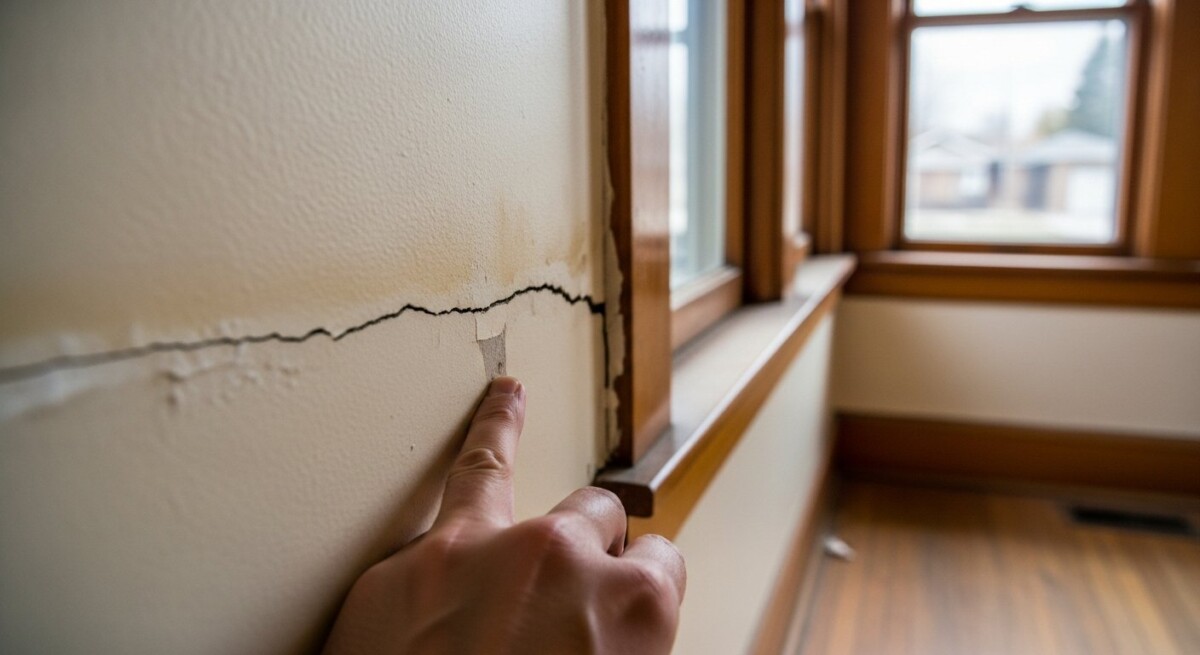
You walk into your Denver living room and notice a hairline crack snaking down the wall near the window. Or maybe the kitchen cabinets feel flimsy, the bathroom tile grout is crumbling, or the basement smells musty after a rainstorm. Small signs like these are easy to dismiss, but they often point to larger problems hidden behind walls or under floors. For many homeowners in Denver, these subtle clues are the first indication that a renovation is overdue. If left unchecked, what starts as a cosmetic annoyance can turn into a costly structural or safety issue. That’s why understanding renovation Denver Colorado is essential for protecting your home and your peace of mind.
Understanding Renovation Denver Colorado
Renovation in Denver covers everything from updating a single bathroom to fully remodeling an entire home. It includes replacing outdated finishes, improving energy efficiency, fixing worn-out systems, and adapting spaces to modern lifestyles. Because Denver homes range from historic bungalows built in the 1920s to newer suburban builds, renovation needs vary widely.
Why does renovation matter so much here? Denver’s climate swings from hot, dry summers to freezing winters with heavy snow. This weather stresses roofs, foundations, windows, and HVAC systems. Over time, materials expand and contract, seals break, and moisture finds its way inside. Homes in older neighborhoods like Capitol Hill or Washington Park often have original plumbing or electrical systems that need updating. Even newer homes may have builder-grade finishes that wear out after a decade. If you own a home in the Denver metro area, chances are you’ll face a renovation project eventually.
Why This Matters for Your Home
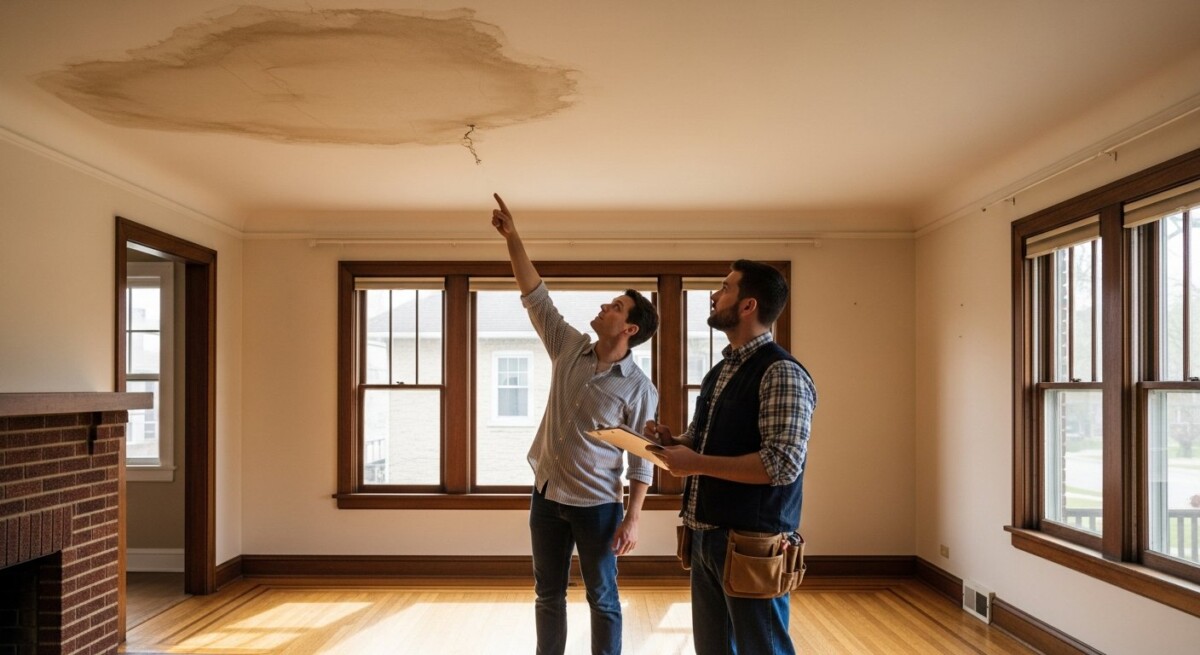
Putting off a needed renovation can quietly damage your home. A small roof leak might rot the decking and insulation, leading to mold inside your attic. Outdated wiring can become a fire hazard, especially in older Denver homes not built for modern electronics. Even something as simple as cracked caulk around a tub allows water to seep into the subfloor, causing wood rot and attracting pests.
Safety is another major concern. Worn steps, loose handrails, or an uneven basement floor can cause falls. Inefficient windows and insulation make your furnace work harder, raising your energy bills and reducing comfort. And when it comes time to sell, an outdated or poorly maintained home will fetch a lower price or sit on the market longer. Renovation isn’t just about aesthetics,it’s about protecting your investment and keeping your family safe.
If you notice signs of this issue in your home, it may help to speak with a qualified contractor. Request a free quote or call to explore your repair or remodeling options.
Common Problems Homeowners Experience
Denver homeowners encounter a distinct set of renovation challenges. Many discover problems during a routine cleaning or after a seasonal weather change. For example, you might notice that the second bedroom stays too cold in winter, or that the kitchen sink drains slowly no matter how much cleaner you pour down.
Other issues are more obvious. Cracks in foundation walls, peeling paint around windows, or doors that stick during humid months are clear signs that your home needs attention. The age and construction style of your home often determine which issues are most likely.
- Outdated electrical panels that can’t handle modern appliances or electronics
- Drafty windows and doors that drive up heating and cooling costs
- Worn or leaking plumbing in older homes with galvanized steel pipes
- Bathroom tile and grout failure that leads to water damage behind walls
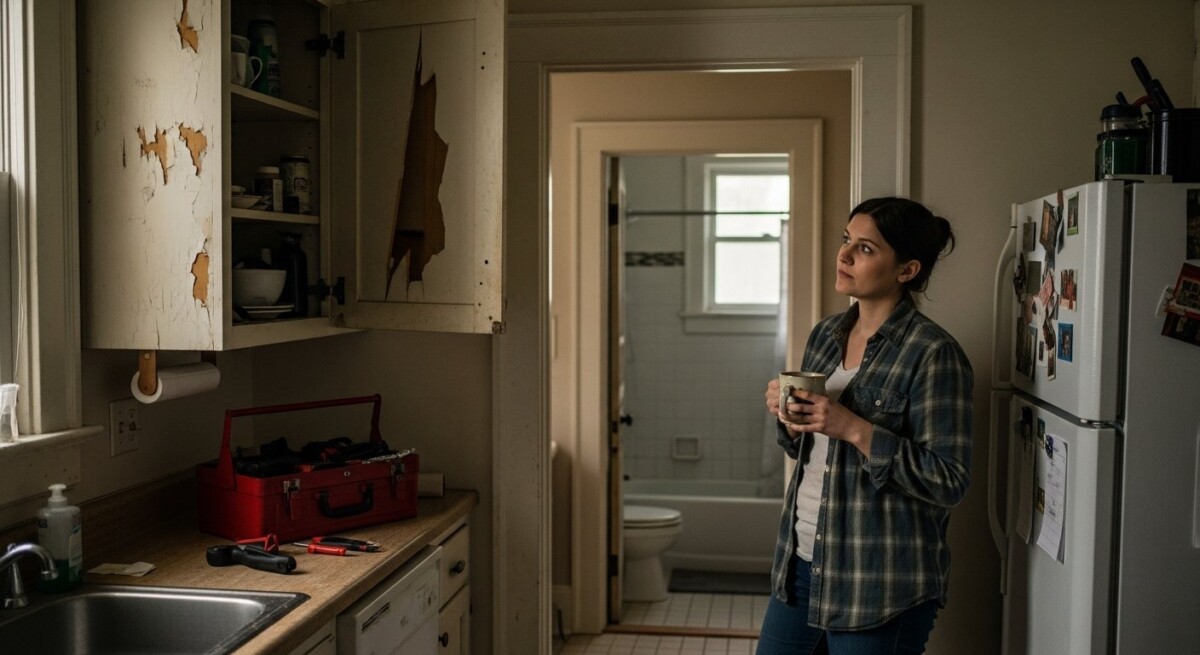
- Kitchen cabinets with broken hinges, delaminated surfaces, or sagging shelves
- Basement moisture problems from poor drainage or failing sump pumps
How Professionals Solve the Problem
Experienced contractors approach renovation with a systematic process. They start by inspecting your home to identify all issues, not just the obvious ones. This thorough assessment prevents surprises later. Then they create a plan that addresses structural concerns, code requirements, and your personal goals for the space.
Professional work is almost always safer and more reliable than DIY. Licensed contractors carry insurance, pull the necessary permits, and follow local building codes. They have the tools and training to handle complex tasks like rerouting gas lines, reinforcing load-bearing walls, or waterproofing a basement. A professional renovation is done right the first time, saving you from costly do-overs.
- Inspection and consultation , The contractor evaluates your home’s condition and discusses your needs and budget.
- Design and material selection , You choose finishes, fixtures, and layouts with expert guidance on durability and cost.
- Permitting and scheduling , The contractor secures permits and coordinates tradespeople like electricians, plumbers, and carpenters.
- Demolition and preparation , Old materials are removed safely, and the work area is protected.
- Installation and construction , New systems, structures, and finishes are installed according to the plan.
- Final inspection and cleanup , The work is inspected for quality and code compliance, and your home is left clean and ready to use.
A professional inspection can reveal hidden issues before they become expensive repairs. Compare contractor quotes here or call to discuss your project.
Warning Signs You Should Not Ignore
Your home often gives you clues that something needs attention. Paying attention to these early warnings can save you thousands of dollars and a lot of stress. The key is to act while the problem is still small and manageable.
Walk through your home with a critical eye at least twice a year,once in spring and once in fall. Look for changes since the previous season. If you notice any of the signs below, it’s time to get a professional opinion before the damage spreads.
- Water stains on ceilings or walls, especially after heavy rain or snowmelt
- Musty odors in basements, crawl spaces, or closets
- Cracks wider than 1/8 inch in foundation walls or above door frames
- Windows that are difficult to open or close, or that show condensation between panes
- Flickering lights or frequently tripped circuit breakers
- Soft or spongy spots on floors, particularly near showers, tubs, or toilets
What Affects the Cost of Repairs or Installation
Renovation costs in Denver vary widely depending on the scope of work, materials chosen, and the condition of your home. A simple bathroom refresh might cost a few thousand dollars, while a full kitchen remodel can run $30,000 or more. Understanding the factors that influence pricing helps you budget realistically.
The size of the project is the biggest driver. A whole-house renovation costs more than a single room. Material quality also matters: custom cabinetry, natural stone countertops, and premium flooring add to the price. Labor costs in Denver are higher than in many other parts of the country due to demand and the cost of living. If your home is older, unexpected issues like knob-and-tube wiring or asbestos in old tiles can add to the bill.
Costs can vary depending on the condition of your home. The best way to know the price is to get a personalized estimate. Request free quotes from contractors or call today.
How to Choose the Right Contractor
Finding a trustworthy contractor is one of the most important steps in any renovation. A good contractor will communicate clearly, show up on time, and deliver quality work. A bad one can turn your dream project into a nightmare. Take your time and do your homework before signing a contract.
Start by asking friends, neighbors, or your local hardware store for recommendations. Then research each candidate online. Look for contractors who specialize in the type of renovation you need,for example, a company that focuses on bathroom remodeling will know the ins and outs of waterproofing and plumbing codes better than a general handyman.
- Verify that the contractor is licensed with the City of Denver and carries general liability and workers’ compensation insurance.
- Read recent reviews on Google, Yelp, and the Better Business Bureau. Pay attention to how the contractor handles complaints.
- Ask for at least three detailed written estimates. Compare not just the total price, but also the scope of work and materials listed.
- Request references from recent projects similar to yours. Call a few references and ask about their experience.
- Confirm the contractor has experience with Denver-specific issues like clay soils, freeze-thaw cycles, and older home construction.
Long-Term Benefits of Professional Work
Investing in a professional renovation pays off for years to come. First, your home becomes safer. Updated electrical systems reduce fire risk, modern plumbing prevents leaks and water damage, and sturdy railings and flooring prevent falls. Second, professional work lasts. Quality materials and proper installation mean you won’t need to repair or replace things again anytime soon.
Energy efficiency is another big benefit. New windows, insulation, and HVAC systems lower your utility bills and keep your home comfortable year-round. In Denver’s climate, that can mean significant savings each winter and summer. Finally, a well-executed renovation increases your home’s resale value. When you eventually sell, buyers will pay a premium for a home that’s updated, well-maintained, and move-in ready.
How long does a typical home renovation take in Denver?
Timelines vary by project size. A bathroom remodel usually takes 3,6 weeks, while a full kitchen renovation can take 6,12 weeks. Whole-house renovations may last 3,6 months or longer, depending on complexity and permit processing times.
Do I need a permit for my Denver renovation?
Most structural, electrical, plumbing, and mechanical work requires a permit from the City of Denver. Cosmetic updates like painting or replacing countertops typically do not. Your contractor should handle permit applications as part of the project.
What is the most common renovation in Denver homes?
Bathroom and kitchen remodels are the most common projects. Many Denver homeowners also update basements, replace windows, or add energy-efficient features like solar panels or new insulation.
How much does a bathroom remodel cost in Denver?
Average costs range from $8,000 to $20,000 for a mid-range bathroom remodel, depending on size, materials, and whether you move plumbing fixtures. High-end remodels with custom tile and luxury fixtures can exceed $30,000.
Can I live in my home during a renovation?
Yes, for most single-room renovations. For whole-house remodels or projects that affect the kitchen, bathroom, or HVAC, you may want to arrange temporary housing. Discuss this with your contractor before work begins.
What should I look for in a renovation contract?
A good contract includes a detailed scope of work, material specifications, payment schedule, start and completion dates, and a process for change orders. Never sign a contract that requires full payment upfront.
How do I prepare my home for a renovation?
Clear the work area of furniture, valuables, and personal items. Cover remaining items with plastic sheeting to protect from dust. Set up a temporary kitchen or bathroom if needed, and discuss access and parking with your contractor.
Will a renovation increase my property taxes in Denver?
Major renovations that add square footage or significantly increase your home’s assessed value can lead to higher property taxes. Minor cosmetic updates usually do not. Check with the Denver County Assessor’s office for specific guidance.
Taking care of your home through timely renovation protects your investment, improves your daily comfort, and keeps your family safe. Whether you’re fixing a small problem or planning a major remodel, the smartest first step is to get expert advice. Start by comparing quotes from qualified contractors who understand Denver’s unique building challenges. That way, you’ll have the information you need to make the best decision for your home and your budget.

About Alex Carter
"*" indicates required fields