How to Increase Home Value With Remodeling: Smart Homeowner Tips
"*" indicates required fields
You walk into your kitchen and notice the countertops are chipped, the cabinets feel outdated, and the flooring has seen better days. Maybe the bathroom tile is cracked, or the living room just feels cramped and dark. These are the moments when many homeowners start wondering: can remodeling actually increase my home’s value? The short answer is yes,but only when you choose the right projects and hire the right help. Ignoring these problem areas not only makes your home less enjoyable but can also lead to costly repairs down the road. In this guide, we’ll walk you through how to increase home value with remodeling in clear, practical steps that protect your investment and improve your daily life.
Understanding How to Increase Home Value With Remodeling
Remodeling is more than just making your home look pretty. It’s about upgrading key areas to boost functionality, energy efficiency, and overall appeal. When done thoughtfully, remodeling can increase home value by addressing issues that buyers or appraisers notice immediately,like worn-out kitchens, drafty windows, or outdated bathrooms.
Homes that are 20 years or older often benefit most from strategic remodeling. Older plumbing, single-pane windows, and inefficient heating systems drag down both comfort and resale value. Even newer homes may need updates if the original finishes were builder-grade or if the layout doesn’t match modern living preferences.
What Counts as Value-Adding Remodeling?
Not every project pays off equally. Kitchens and bathrooms typically offer the highest return on investment, followed by energy-efficient upgrades like new windows or insulation. Curb appeal projects,such as a new front door or fresh siding,also make a strong impression. The key is focusing on improvements that solve real problems and appeal to future buyers.
Why This Matters for Your Home
Ignoring needed remodeling doesn’t just leave you with an outdated home. Small problems,like a leaking faucet or a cracked window seal,can grow into expensive repairs. Water damage, mold, and structural issues often start small and become major headaches over time. Your home’s safety and comfort are at stake.
Property value also takes a hit when homes show visible wear. Appraisers and home inspectors note dated systems and cosmetic flaws, which can lower your home’s market price. On the flip side, a well-maintained home with modern upgrades sells faster and for more money. Remodeling protects your biggest investment.
Beyond dollars and cents, remodeling improves how you live. A renovated kitchen makes cooking easier. A new bathroom feels like a personal spa. Energy-efficient windows keep your home quieter and lower your utility bills. These daily benefits matter just as much as resale value.
If you notice signs of this issue in your home, it may help to speak with a qualified contractor. Request a free quote or call (602) 123-4567 to explore your repair or remodeling options.
Common Problems Homeowners Experience
Every home develops issues over time, and many homeowners don’t realize how much these problems affect their home’s value. Outdated kitchens and bathrooms are the most common pain points, but other areas matter too. Let’s look at the typical problems that signal it’s time to remodel.
These issues aren’t just cosmetic. They can affect your home’s energy efficiency, safety, and structural integrity. Addressing them early through remodeling can prevent bigger expenses later and keep your home competitive in the market.
- Outdated kitchen cabinets, countertops, and appliances that look worn or function poorly
- Bathrooms with cracked tiles, old fixtures, or poor ventilation that leads to mold
- Drafty windows and doors that cause high energy bills and uncomfortable rooms
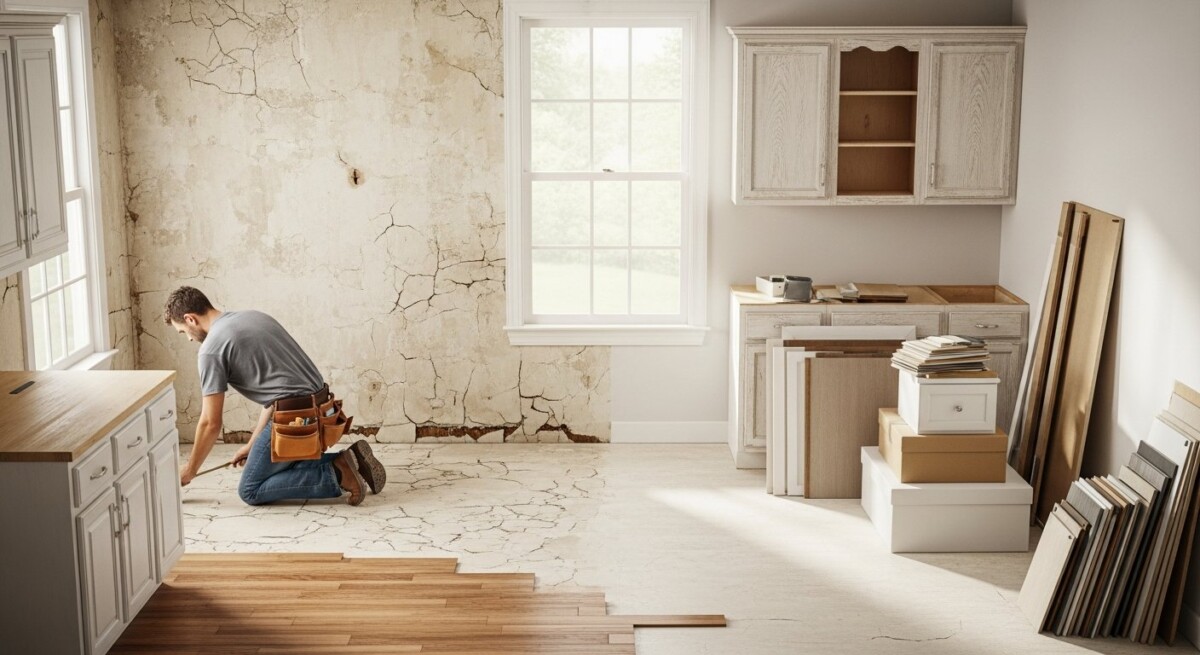
- Worn flooring, including scratched hardwood, stained carpet, or peeling vinyl
- Inefficient HVAC systems that struggle to heat or cool your home evenly
- Lack of curb appeal due to faded paint, damaged siding, or an old front door
How Professionals Solve the Problem
Experienced contractors bring more than tools to a remodeling project. They offer expertise in design, materials, and local building codes. A professional can spot hidden problems,like water damage behind a wall or outdated wiring,that a DIY remodel might miss. This saves you money and stress in the long run.
Professionals also complete work faster and with fewer mistakes. They have access to trade pricing on materials, which can lower your overall costs. And because they carry insurance and warranties, you’re protected if something goes wrong. Here’s a typical process for a value-boosting remodel:
- Inspection and assessment: The contractor evaluates the space, identifies issues, and discusses your goals.
- Design and material selection: You choose finishes, fixtures, and layouts that fit your budget and style.
- Permits and planning: The contractor handles necessary permits and schedules the work.
- Demo and preparation: Old materials are removed safely, and the area is prepped for new installations.
- Installation and construction: New elements are installed according to code and best practices.
- Final inspection and cleanup: The contractor ensures everything meets standards and leaves your home clean.
A professional inspection can reveal hidden issues before they become expensive repairs. Compare contractor quotes here or call (602) 123-4567 to discuss your project.
Warning Signs You Should Not Ignore
Your home often gives clues that remodeling is overdue. Paying attention to these signs can help you act early, before small problems turn into major expenses. Some warning signs are obvious, while others are subtle but just as important.
If you notice any of these issues, it’s wise to get a professional opinion. A contractor can tell you whether a repair or full remodel is needed, and give you an estimate of costs. Early action usually means lower costs and less disruption to your life.
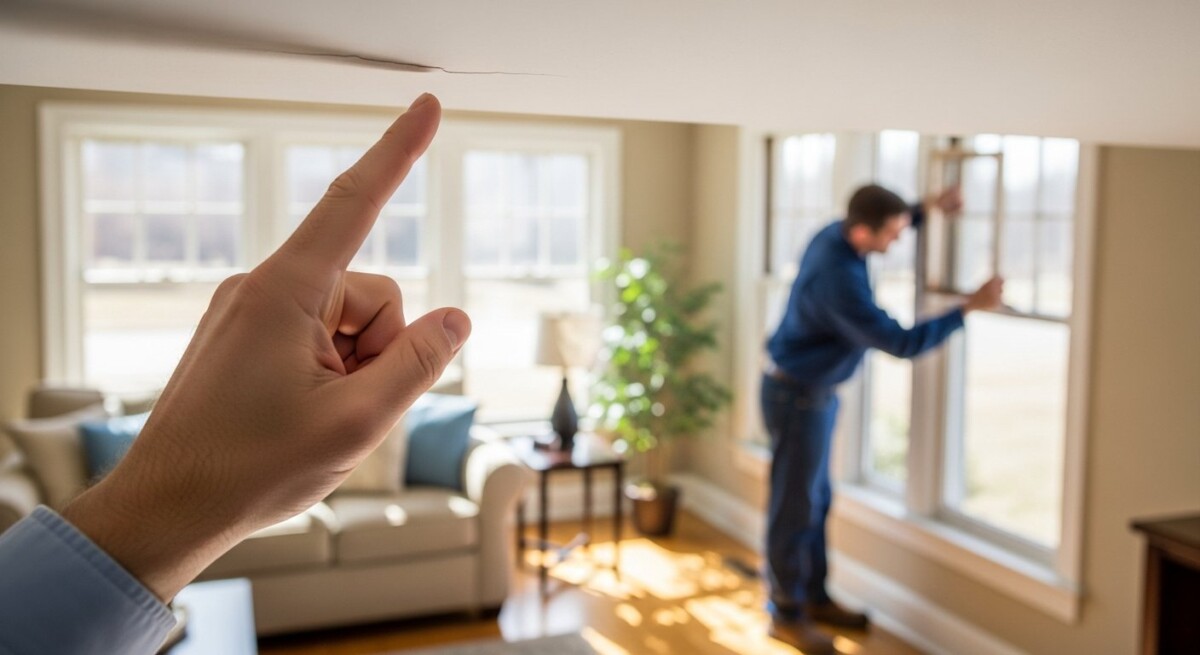
- Water stains on ceilings or walls, which indicate leaks that can damage structure and promote mold
- Peeling paint or wallpaper, often a sign of moisture problems or poor ventilation
- Drafts around windows and doors, signaling poor insulation and energy loss
- Musty odors or visible mold, which can harm indoor air quality and your health
- Difficulty opening or closing windows and doors, suggesting foundation shifts or warped frames
- Outdated electrical panels or frequent breaker trips, which pose a fire risk
What Affects the Cost of Repairs or Installation
Remodeling costs vary widely depending on your home’s condition and the scope of work. The size of the project is the biggest factor,a full kitchen remodel costs more than replacing countertops alone. Material choices also matter; quartz countertops cost more than laminate, but they last longer and add more value.
Labor costs depend on your location and the complexity of the job. Older homes may require extra work to bring wiring, plumbing, or insulation up to current codes. Accessibility matters too,a second-story bathroom remodel is more expensive than a ground-floor one because of material transport and safety requirements.
Your home’s age plays a role as well. Homes built before 1980 may have lead paint, asbestos, or outdated systems that require special handling. These factors increase costs but are necessary for safety and compliance. Getting multiple quotes helps you understand the true range of pricing for your specific project.
Costs can vary depending on the condition of your home. The best way to know the price is to get a personalized estimate. Request free quotes from contractors or call (602) 123-4567 today.
How to Choose the Right Contractor
Finding a trustworthy contractor is just as important as choosing the right remodel. A good contractor delivers quality work, stays on budget, and communicates clearly. The wrong one can turn a simple project into a nightmare. Take your time and do your research.
Start by asking for recommendations from neighbors or friends who have remodeled recently. Read online reviews on platforms like Google and Yelp, but look for patterns rather than individual complaints. Always verify that the contractor is licensed and insured for your state and type of work.
- Check that the contractor holds a valid license and general liability insurance
- Read customer reviews and ask for references from recent projects
- Request detailed, written estimates from at least three contractors
- Compare quotes to understand what’s included and what’s not
- Confirm experience with the specific type of remodeling you need
Long-Term Benefits of Professional Work
When you hire a professional, you’re investing in more than just a new kitchen or bathroom. You’re buying peace of mind, better safety, and a home that works efficiently for years to come. Professional remodels are built to last, with materials and techniques that stand up to daily use.
Energy-efficient upgrades like new windows, insulation, and HVAC systems lower your monthly bills and reduce your carbon footprint. Improved safety,from updated wiring to slip-resistant flooring,protects your family. And a well-executed remodel can increase your home’s resale value by thousands of dollars.
Professional work also reduces future maintenance. Cheap DIY fixes often fail quickly, costing you more in the long run. Contractors use quality materials and proper installation methods, so you won’t have to redo the work in a few years. This long-term value is one of the best reasons to invest in professional remodeling.
What is a good return on investment for remodeling?
A good return on investment (ROI) for remodeling is generally 60% to 80% of the project cost recouped in home value. Kitchen and bathroom remodels often achieve the highest ROI, especially when you focus on midrange finishes rather than luxury upgrades. Energy-efficient improvements like new windows and insulation can also deliver strong returns through lower utility bills.
How much does a kitchen remodel add to home value?
A midrange kitchen remodel typically adds between $15,000 and $30,000 to a home’s value, depending on your market and the quality of finishes. Minor kitchen updates,like replacing countertops, painting cabinets, and installing new hardware,can add value without the cost of a full renovation. Major remodels with custom cabinetry and high-end appliances may add more value but also cost significantly more.
Should I remodel before selling my home?
Remodeling before selling can be a smart strategy if you focus on high-impact, cost-effective projects. Kitchens, bathrooms, and curb appeal improvements often help homes sell faster and for higher prices. However, it’s important not to over-improve for your neighborhood. A real estate agent can help you decide which projects will offer the best return in your local market.
What is the most cost-effective remodeling project?
Painting is consistently the most cost-effective remodeling project. A fresh coat of paint on walls, trim, and cabinets can transform a room for a few hundred dollars. Other low-cost, high-value projects include updating light fixtures, replacing cabinet hardware, and adding new door handles. These small changes make a big visual impact without breaking the bank.
How long does a typical home remodel take?
A minor remodel like a bathroom refresh can take 2 to 4 weeks, while a full kitchen renovation often takes 6 to 10 weeks. Larger projects like whole-home remodels or additions can take several months. Timelines depend on the scope of work, material availability, and contractor scheduling. Always ask for a timeline in writing before starting a project.
Do I need permits for remodeling?
Most remodeling projects require permits, especially when they involve structural changes, electrical work, plumbing, or HVAC modifications. Permits ensure the work meets safety codes and can affect your home insurance and resale value. A reputable contractor will handle the permitting process for you. Skipping permits can lead to fines and problems when you sell your home.
How can I finance a home remodel?
Common ways to finance a remodel include home equity loans, home equity lines of credit (HELOCs), personal loans, and cash savings. Some contractors offer financing options or partner with lending companies. Government programs like FHA 203(k) loans allow you to finance both the purchase and renovation of a home. Compare interest rates and terms to find the best option for your budget.
What should I look for in a remodeling contract?
A good remodeling contract should include a detailed scope of work, material specifications, payment schedule, start and completion dates, and warranty information. It should also outline how change orders will be handled and what happens if delays occur. Never sign a contract that is vague or missing key details. A clear contract protects both you and the contractor.
Remodeling your home is one of the best ways to increase its value, improve your daily life, and protect your investment. The key is choosing the right projects and working with professionals who deliver quality results. Don’t wait until small problems become expensive emergencies. Compare contractor quotes today to find the best team for your remodeling project and start turning your house into the home you’ve always wanted.

About Alex Carter
"*" indicates required fields