Home Addition Pricing Guide: What Homeowners Need to Know
"*" indicates required fields
You’ve been thinking about it for months,maybe years. The family is growing, you need a home office, or you simply want more space without moving. A home addition seems like the perfect solution, but then the question hits: How much will this actually cost? Many homeowners start researching home addition pricing guide options only to feel overwhelmed by conflicting numbers and vague estimates. The truth is, without a clear understanding of pricing factors, you risk either overpaying or underestimating your budget entirely. Ignoring the complexity of pricing can lead to stalled projects, unfinished rooms, or costly change orders mid-construction. This guide breaks down the real costs, common pitfalls, and how to move forward with confidence.
Understanding Home Addition Pricing Guide
A home addition pricing guide is simply a breakdown of the costs involved in adding new square footage to your house. It includes everything from materials and labor to permits and design fees. Think of it as a roadmap that helps you anticipate expenses before you break ground.
Pricing varies widely because no two additions are alike. Factors like your home’s foundation, local building codes, and the complexity of the design all play a role. Homes with older electrical or plumbing systems, for example, often require upgrades that add to the total cost. That’s why a one-size-fits-all number rarely works.
Most homeowners are surprised to learn that the location of the addition matters just as much as the size. A second-story addition costs more per square foot than a ground-floor bump-out due to structural reinforcements. Understanding these nuances early helps you set realistic expectations and avoid sticker shock.
Why This Matters for Your Home
Getting a handle on pricing isn’t just about your bank account,it directly affects your home’s safety, comfort, and long-term value. An addition that’s poorly planned or underfunded can lead to structural issues, water damage, or energy inefficiency. These problems don’t just cost more to fix later; they can also make your home harder to sell.
Safety is another major concern. Additions that bypass proper permits or use substandard materials risk electrical fires, roof collapses, or foundation cracks. Your family’s well-being depends on the work being done right the first time.
Delaying a needed addition because of cost confusion often leads to even higher expenses down the road. For example, waiting until next year could mean facing material price increases or new building code requirements. Acting now,with a clear pricing guide,protects both your home and your wallet.
If you notice signs of this issue in your home, it may help to speak with a qualified contractor. Request a free quote or call (602) 123-4567 to explore your repair or remodeling options.
Common Problems Homeowners Experience
One of the biggest frustrations homeowners face is receiving wildly different estimates from contractors. Without a solid pricing guide, it’s hard to know which quote is realistic and which one hides hidden fees. This confusion often leads to decision paralysis or choosing the cheapest option,only to discover later that it didn’t include essential work.
Another common issue is underestimating the “soft costs” like architectural drawings, engineering reports, and permit fees. These add up quickly and can catch homeowners off guard. Many people also forget to budget for temporary living expenses if the addition makes part of the house unusable during construction.
Here are typical problems you might face without a proper pricing guide:
- Unexpected foundation repairs discovered after demolition begins
- Cost overruns from last-minute design changes
- Delays caused by unpermitted work that needs to be redone
- Higher-than-expected material costs for custom finishes
- Incomplete quotes that exclude electrical, plumbing, or HVAC work
- Difficulty securing financing because the total project cost isn’t clear
How Professionals Solve the Problem
Experienced contractors use a structured approach to home additions that minimizes surprises. They start with a thorough site evaluation to identify potential issues like outdated wiring or weak load-bearing walls. This upfront analysis creates a reliable budget that covers all necessary work.
The typical professional process follows these steps:
- Initial consultation and needs assessment , The contractor discusses your goals, measures the space, and checks local zoning rules.
- Detailed design and material selection , You choose finishes, fixtures, and layouts while the team creates blueprints.
- Permit submission and approval , The contractor handles all paperwork to ensure the addition meets building codes.
- Site preparation and demolition , The area is cleared, and any necessary structural work begins.
- Construction and rough-ins , Framing, roofing, electrical, plumbing, and HVAC are installed and inspected.
- Finishing and interior work , Drywall, flooring, cabinets, and paint complete the space.
- Final inspection and walk-through , You review the finished addition and receive warranty information.
Professional work is safer and more reliable than DIY because it guarantees compliance with building codes. In our guide on realistic remodel timelines, we explain how proper scheduling prevents costly delays. Contractors also carry insurance, so you’re protected if something goes wrong during construction.
A professional inspection can reveal hidden issues before they become expensive repairs. Compare contractor quotes here or call (602) 123-4567 to discuss your project.
Warning Signs You Should Not Ignore
Your home often gives clues that an addition may be more complex,and expensive,than expected. Pay attention to small issues that could escalate into major problems during construction. Catching these early keeps your project on track and on budget.
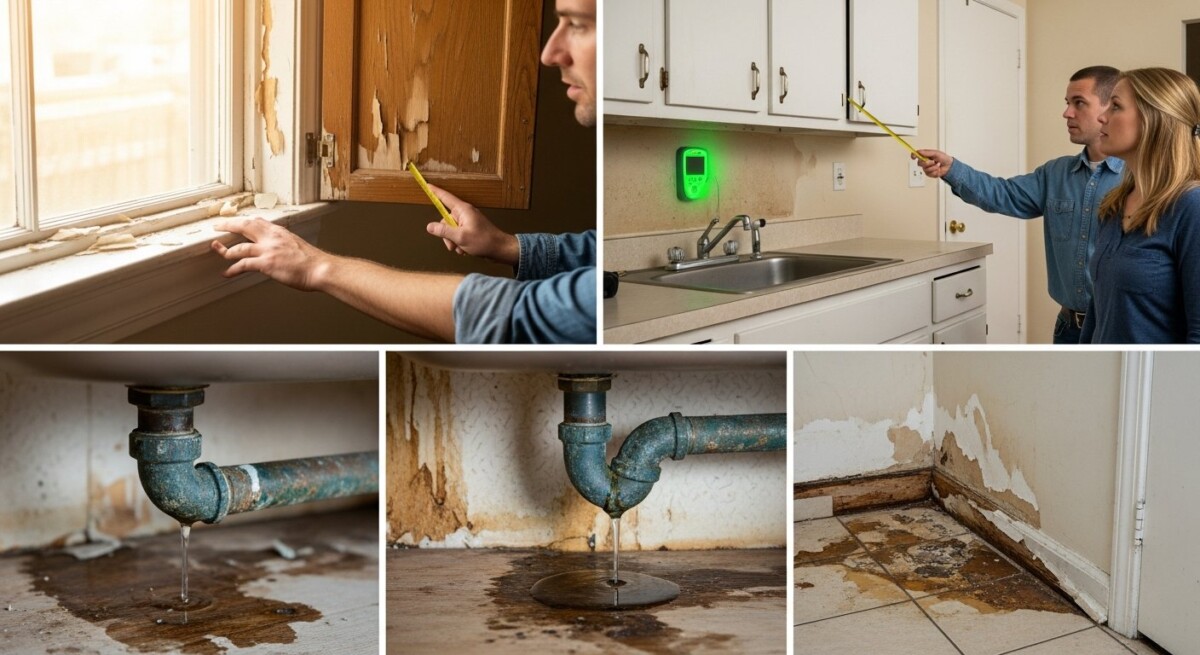
For example, if you notice cracks in your foundation or walls that stick when opening doors, your home may have structural settling. Similarly, an older electrical panel that trips frequently likely can’t handle the extra load of a new room. Ignoring these signs now means paying for emergency repairs later.
Here are warning signs that suggest you need professional guidance before planning an addition:
- Visible cracks in the foundation, walls, or ceiling
- Doors or windows that stick or don’t close properly
- Frequent circuit breaker trips or flickering lights
- Musty odors or water stains, indicating leaks or poor drainage
- Sagging rooflines or uneven floors
- Outdated plumbing that shows rust or low water pressure
What Affects the Cost of Repairs or Installation
Several key factors determine the final price of your home addition. Understanding these helps you make informed decisions and prioritize where to spend your money. Size is the most obvious factor, but it’s not the only one.
Material quality plays a huge role. Standard vinyl windows and laminate flooring cost far less than custom wood windows and hardwood. Similarly, the complexity of the design,like adding a bathroom with plumbing versus a simple bonus room,drives up labor and material costs. Accessibility also matters: if the work area is hard to reach, contractors need more time and equipment.
Your home’s age adds another layer. Older homes often require bringing electrical, plumbing, and insulation up to current code, which adds thousands to the total. Our home improvement guide covers how to budget for these upgrades.
Costs can vary depending on the condition of your home. The best way to know the price is to get a personalized estimate. Request free quotes from contractors or call (602) 123-4567 today.
How to Choose the Right Contractor
Selecting the right contractor is just as important as setting the right budget. A skilled professional ensures your addition is built safely, on time, and within your price range. Start by gathering recommendations from neighbors or online review sites, then narrow down your list.
Once you have a few candidates, ask for detailed written estimates that break down materials, labor, permits, and timelines. Compare these side by side to spot any gaps or unusually low bids. A quote that’s significantly cheaper than others often means something important is missing.
Here are practical tips for choosing a contractor you can trust:
- Verify their license and insurance with your state’s licensing board
- Read recent customer reviews on Google, Yelp, or the Better Business Bureau
- Ask for at least three references from similar home addition projects
- Get a written contract that includes payment schedule, timeline, and materials
- Confirm they have experience with your specific type of addition (e.g., second story, sunroom, garage conversion)
Long-Term Benefits of Professional Work
Investing in a professionally built addition pays off for years to come. Quality construction improves your home’s energy efficiency, which lowers utility bills and reduces your carbon footprint. Proper insulation, windows, and HVAC integration keep the new space comfortable in every season.
Durability is another major advantage. Professional contractors use materials and techniques that withstand wear and tear, so you won’t need costly repairs in the near future. This longevity also boosts your home’s resale value,buyers pay a premium for well-built, permitted additions.
Finally, professional work gives you peace of mind. You know the addition meets building codes, passes inspections, and is covered by warranties. That confidence is something a DIY project or a low-bid contractor can rarely provide.
How much does a typical home addition cost per square foot?
Most home additions range from $80 to $200 per square foot, depending on your location, materials, and complexity. A simple ground-floor room with basic finishes costs less, while a second-story addition with a bathroom can exceed $250 per square foot. Always get multiple quotes for your specific project.
Do I need a permit for a home addition?
Yes, almost all home additions require permits from your local building department. Permits ensure the work meets safety codes and zoning laws. Skipping permits can lead to fines, forced removal of the addition, or problems when you sell your home.
How long does a home addition take to complete?
Most additions take between 3 and 6 months from start to finish. The timeline depends on the size, complexity, weather, and permit approval speed. A simple sunroom may take 8 weeks, while a full master suite with plumbing can take 5 months or more.
What’s the cheapest type of home addition?
A bump-out addition,extending an existing room by a few feet,is often the most affordable option. Sunrooms and attached patio covers also cost less than full room additions. Keep in mind that any addition requiring new foundation work or plumbing will be more expensive.
Can I finance a home addition?
Yes, many homeowners use home equity loans, HELOCs, or personal loans to fund additions. Some contractors also offer financing programs through third-party lenders. Compare interest rates and terms before committing to ensure the monthly payments fit your budget.
How do I avoid cost overruns on my addition?
Start with a detailed contract that includes a contingency fund of 10,20% of the total budget. Choose your finishes and materials before construction begins to avoid change orders. Work with a contractor who provides regular progress updates and transparent billing.
Should I hire an architect for my home addition?
For large or complex additions, an architect can be valuable for design, structural planning, and permit drawings. For simple bump-outs or room extensions, many design-build contractors offer in-house design services. Ask your contractor if they include architectural services in their quote.
Will a home addition increase my property taxes?
Yes, adding livable square footage typically increases your home’s assessed value, which may raise property taxes. The exact amount varies by location and tax rate. Check with your local assessor’s office for an estimate before starting the project.
A home addition is a big decision, but with the right pricing guide and professional help, it doesn’t have to be overwhelming. Start by understanding the costs, watching for warning signs, and comparing quotes from multiple contractors. Taking these steps early ensures your addition adds value, comfort, and joy to your home,without draining your savings. Compare contractor quotes here or call (602) 123-4567 to take the first step today.

About Alex Carter
"*" indicates required fields