Can You Remodel in Phases? A Smart Guide for Homeowners
"*" indicates required fields
You walk into your kitchen and see the cracked tile, the worn-out cabinets, and the outdated countertops. You know the room needs a complete overhaul. But when you think about the cost and disruption, you wonder: can you remodel in phases instead of doing everything at once? You are not alone. Many homeowners face this exact dilemma. They want to improve their home but cannot afford the time or money for a full-scale renovation. The good news is that phasing a remodel is not only possible,it is often the smartest way to upgrade your home without breaking the bank or living in a construction zone for months. In our guide on can you remodel in phases, we explain exactly how to make this approach work for you.
Understanding Can You Remodel in Phases
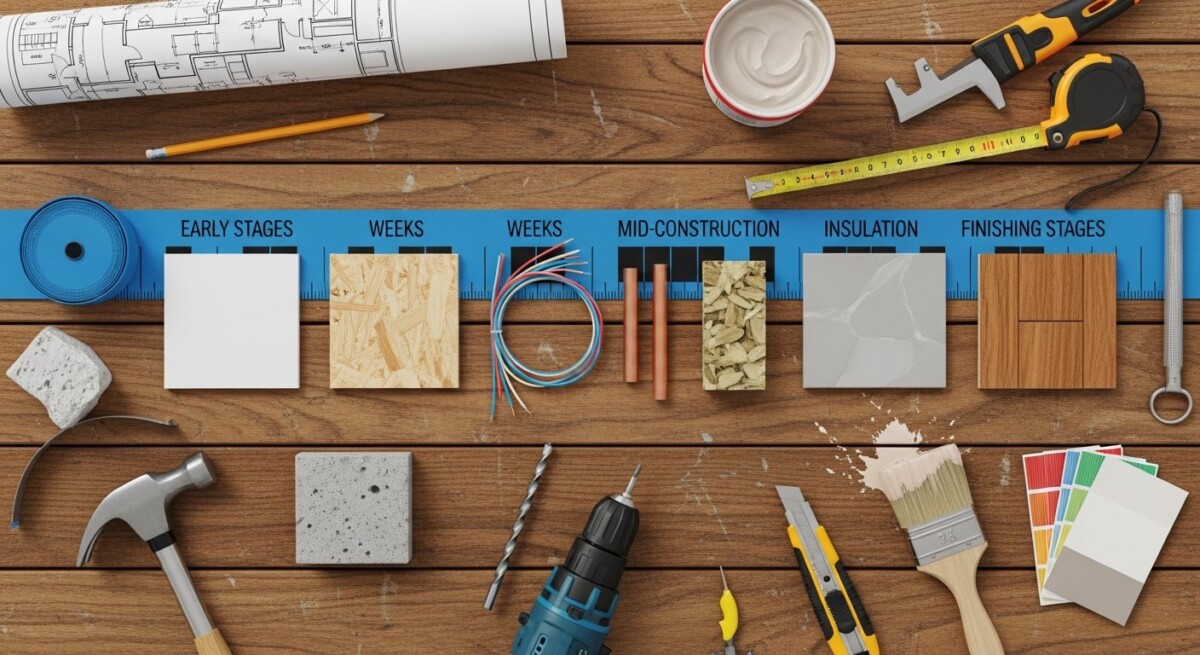
Remodeling in phases simply means breaking a large project into smaller, more manageable parts. Instead of gutting your entire kitchen at once, you might replace the flooring this year, update the cabinets next year, and install new countertops the year after. This approach works because it spreads the financial burden over time and allows you to live in your home during the process.
Phasing is common in many home improvement projects. Homeowners often phase bathroom remodels, basement finishes, and whole-home renovations. The key is to plan each phase carefully so that earlier work does not interfere with later work. For example, if you plan to replace your kitchen flooring now but want to install new cabinets later, you need to choose flooring that can be easily worked around or removed later without damage.
Homes most suited for phased remodeling are those where the homeowner is willing to live with some inconvenience. Older homes with multiple outdated systems often benefit from phasing because you can address the most urgent issues,like a leaking roof or faulty wiring,first, then tackle cosmetic upgrades later. This approach helps you prioritize safety and function while still working toward your dream home.
Why This Matters for Your Home
Ignoring needed renovations can lead to serious consequences. Small problems like a dripping faucet or a cracked window seal can escalate into major repairs if left unaddressed. Water damage, mold growth, and structural issues often start small but grow expensive and dangerous over time. By phasing your remodel, you can address the most critical problems first and prevent them from causing further damage to your home.
Safety is another major concern. Outdated electrical systems, faulty plumbing, or compromised roofing can put your family at risk. Phasing allows you to fix these hazards before they cause an accident. Additionally, a well-planned phased remodel can increase your home’s value. When you sell, buyers appreciate a home that has been updated systematically, even if not every room is finished. Each completed phase adds equity to your home.
Comfort also improves with each phase. Replacing old windows, adding insulation, or upgrading your HVAC system can make your home more energy-efficient and comfortable year-round. You do not have to wait until everything is done to enjoy the benefits of your remodel. Each phase brings tangible improvements that make your home more livable.
If you notice signs of this issue in your home, it may help to speak with a qualified contractor. Request a free quote or call to explore your repair or remodeling options.
Common Problems Homeowners Experience
Homeowners who attempt to remodel in phases without proper planning often run into problems. One common issue is mismatched materials. If you replace your bathroom vanity now but plan to install new tile next year, you might find that the vanity color or style no longer matches the tile you selected later. This can lead to a disjointed look that hurts your home’s resale value.
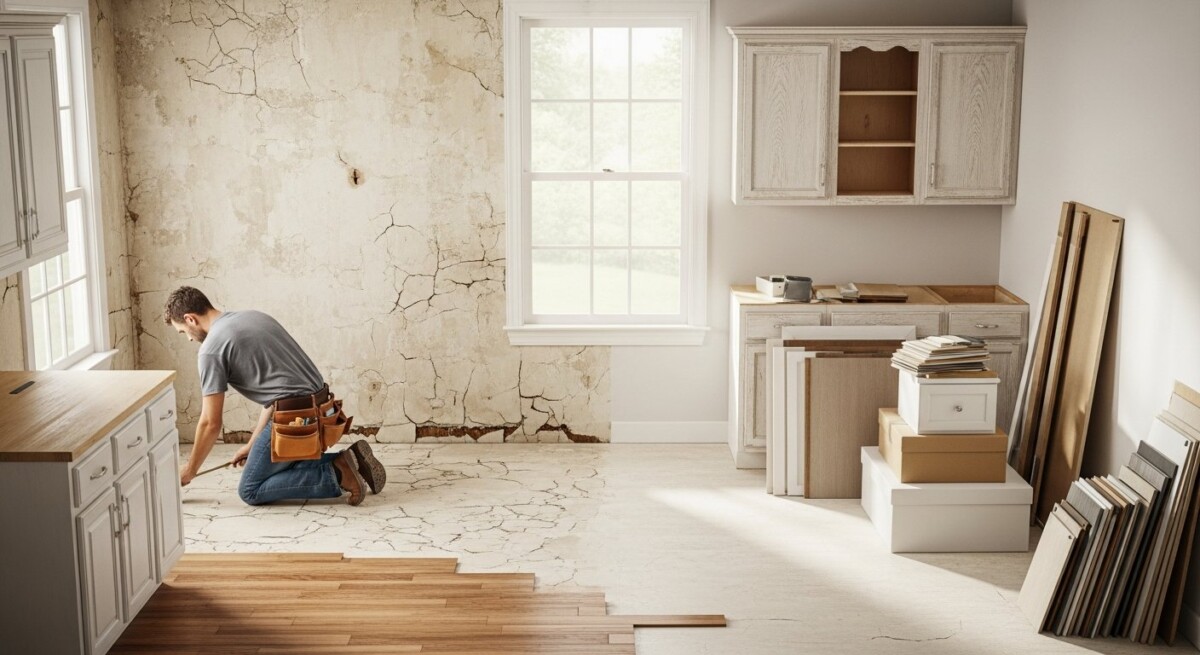
Another frequent problem is project overlap. For example, if you replace your kitchen flooring before installing new cabinets, you may damage the new flooring when removing old cabinets later. Similarly, upgrading electrical wiring in one phase but adding new light fixtures in another can cause confusion if the wiring plan is not documented. Poor sequencing can also lead to code violations if earlier work is not up to current standards.
- Visible damage like cracked tiles, peeling paint, or warped flooring that worsens over time
- Performance problems such as drafty rooms, inconsistent water temperature, or noisy plumbing
- Structural concerns like sagging ceilings, uneven floors, or doors that stick
- Aging materials that no longer meet modern energy efficiency or safety standards
- Incomplete projects that leave rooms unusable for extended periods
- Budget overruns caused by unexpected repairs or material price increases between phases
How Professionals Solve the Problem
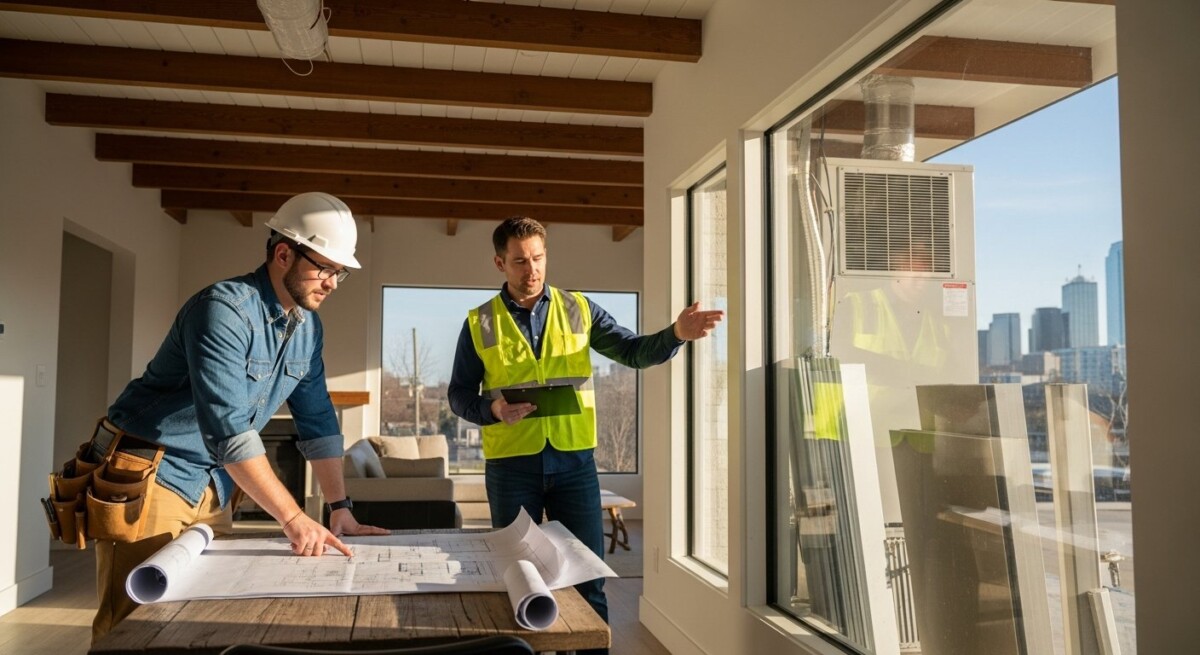
Experienced contractors bring order to phased remodeling. They begin by assessing your home’s current condition and understanding your long-term goals. A professional will create a master plan that outlines each phase, the sequence of work, and how each phase connects to the next. This ensures that earlier work does not complicate later work and that materials and finishes remain consistent.
Contractors also handle permits and inspections, which is critical for phased projects. If you replace your roof in phase one and install solar panels in phase two, a licensed contractor ensures both phases meet local building codes. Professionals also have relationships with suppliers, which can help secure materials at consistent prices and avoid supply chain delays between phases.
- Initial consultation and inspection , The contractor evaluates your home, identifies priority areas, and discusses your budget and timeline.
- Master plan creation , A detailed plan is developed, including blueprints, material selections, and a phased timeline.
- Phase one execution , The most critical work is completed, from structural repairs to system upgrades.
- Quality check and documentation , The contractor documents completed work, takes photos, and ensures everything meets code before moving to the next phase.
- Subsequent phases , Each phase follows the master plan, with adjustments made as needed based on your evolving needs or budget.
- Final walkthrough and finishing touches , The final phase includes painting, trim work, and any cosmetic details that tie the whole project together.
Professional work is safer and more reliable than DIY efforts. Licensed contractors carry insurance, so if something goes wrong, you are protected. They also have the tools and expertise to handle unexpected issues, such as finding mold behind drywall or outdated wiring that must be replaced. A professional can save you money in the long run by preventing costly mistakes.
A professional inspection can reveal hidden issues before they become expensive repairs. Compare contractor quotes here or call to discuss your project.
Warning Signs You Should Not Ignore
Your home often gives you signs that it needs attention. Early detection can save you thousands of dollars and prevent safety hazards. Pay attention to changes in how your home feels, sounds, or looks. If you notice any of the following signs, it is time to start planning your phased remodel.
Ignoring these signs can lead to bigger problems. For example, a small roof leak left unattended can cause rot in your attic, mold in your walls, and damage to your ceiling. What could have been a simple roof repair in phase one becomes a much larger and more expensive project. Early action is always the most cost-effective approach.
- Water stains on ceilings or walls, indicating a leak in the roof or plumbing
- Musty odors or visible mold, suggesting moisture problems that need immediate attention
- Cracks in foundation walls, brickwork, or drywall that widen over time
- Drafts around windows or doors, signaling insulation or seal failures
- Flickering lights or frequently tripped breakers, pointing to electrical issues
- Squeaky floors or sagging areas that indicate structural weakness
- High energy bills that suggest your home is losing heat or cool air
What Affects the Cost of Repairs or Installation
The cost of a phased remodel depends on several factors. The size and scope of your project are the biggest drivers. A full kitchen remodel costs more than a bathroom update, and a whole-home renovation is naturally more expensive than a single room. However, phasing helps you manage these costs by spreading them out over months or years.
Materials play a significant role in pricing. High-end finishes like marble countertops or custom cabinetry cost more than budget-friendly alternatives like laminate or stock cabinets. Labor costs also vary by region and the complexity of the work. For example, electrical and plumbing work typically cost more than painting or flooring. The accessibility of your work area matters too,if contractors have to work around existing furniture or navigate tight spaces, expect higher labor costs.
The age of your home can also affect pricing. Older homes may contain hazardous materials like lead paint or asbestos, which require special handling and increase costs. Additionally, older homes often have outdated systems that must be brought up to code before new finishes can be installed. A professional contractor can give you a clear picture of what each phase will cost and help you prioritize.
Costs can vary depending on the condition of your home. The best way to know the price is to get a personalized estimate. Request free quotes from contractors or call today.
How to Choose the Right Contractor
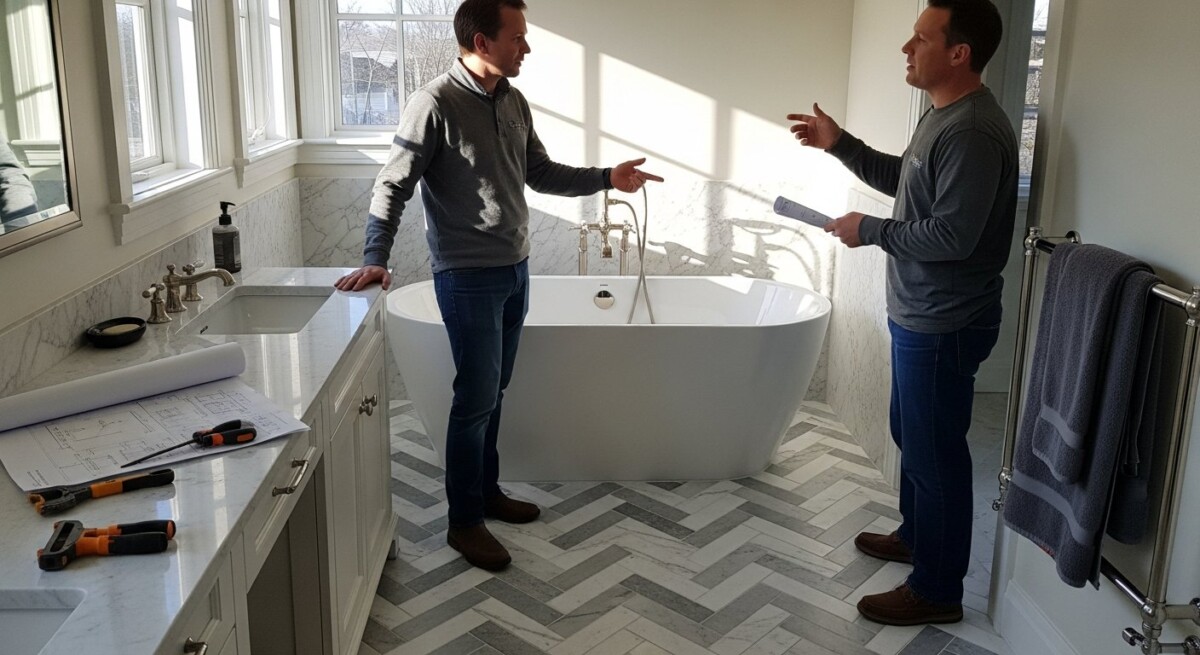
Selecting the right contractor is essential for a successful phased remodel. You want someone who understands your vision, communicates clearly, and has experience with phased projects. Start by asking for recommendations from friends, family, or neighbors who have completed similar projects. Online reviews and ratings on platforms like Google, Yelp, or the Better Business Bureau can also provide valuable insights.
When you meet with potential contractors, ask questions about their experience with phased remodels. A good contractor will be able to show you examples of past projects and explain how they handled sequencing, material storage, and communication with the homeowner. They should also be willing to provide references you can call. Do not rush this process,taking the time to find the right professional will save you headaches down the road.
- Verify licenses and insurance , Ensure the contractor is licensed in your state and carries general liability and workers’ compensation insurance.
- Read customer reviews , Look for patterns in reviews, especially regarding communication, timeliness, and quality of work.
- Ask for detailed estimates , A good estimate breaks down costs by materials, labor, permits, and any other fees.
- Compare multiple quotes , Get at least three quotes to understand the market rate and avoid overpaying.
- Confirm experience with similar projects , Ask if they have completed phased remodels before and how they handled the logistics.
Long-Term Benefits of Professional Work
Investing in professional remodeling pays off in many ways. Safety is the most important benefit. Licensed contractors follow building codes and safety standards, reducing the risk of fire, electrical shock, or structural failure. You can sleep better knowing your home is safe for your family.
Durability is another advantage. Professional work lasts longer because contractors use quality materials and proper installation techniques. A professionally installed roof, for example, can last 20,30 years, while a DIY job might need repairs in just a few years. Energy efficiency also improves with professional upgrades. New windows, insulation, and HVAC systems lower your utility bills and make your home more comfortable.
Finally, professional remodeling increases your home’s value. When it comes time to sell, buyers are willing to pay more for a home that has been updated by licensed professionals. Even if you only complete a few phases, each one adds equity. A well-planned phased remodel is an investment in your home’s future and your family’s quality of life.
Can I remodel my kitchen in phases?
Yes, remodeling your kitchen in phases is a common and practical approach. You might start with new countertops and appliances, then tackle cabinets and flooring in later phases. Just be sure to plan ahead so that finishes and layouts remain consistent.
How long does a phased remodel take?
The timeline depends on the number of phases and the scope of each. A simple two-phase project might take a few months, while a multi-year plan for a whole-home renovation could take several years. A contractor can help you create a realistic schedule.
Is it cheaper to remodel in phases or all at once?
Remodeling all at once is often cheaper in terms of total labor and material costs because you avoid price increases and multiple mobilization fees. However, phasing is easier on your cash flow and allows you to live in your home during the process.
Do I need a permit for each phase of a remodel?
In most cases, yes. Each phase that involves structural changes, electrical work, plumbing, or major alterations typically requires a separate permit. Your contractor can handle the permit process for each phase to ensure everything is up to code.
What if I change my mind between phases?
Changing your mind is common, but it can affect your budget and timeline. A good contractor will build flexibility into your master plan and discuss any changes before work begins. Always get changes in writing to avoid misunderstandings.
Can I live in my home during a phased remodel?
Yes, that is one of the main benefits of phasing. You can continue living in your home while work is done one room at a time. Just be prepared for some dust, noise, and temporary inconvenience. Your contractor can help minimize disruptions.
How do I finance a phased remodel?
Many homeowners use savings, home equity loans, or personal loans to fund each phase. Some contractors offer financing options. It is wise to plan your budget for each phase in advance and have a funding source ready before starting.
What happens if I run out of money between phases?
If you run out of money, you can pause your remodel until you save more funds. This is a key advantage of phasing. Just make sure any unfinished work is safely capped (e.g., capped pipes, sealed electrical boxes) to avoid hazards.
Remodeling your home in phases is a smart, practical way to achieve your dream space without overwhelming your budget or your life. By planning carefully, addressing the most critical issues first, and working with experienced professionals, you can transform your home one step at a time. The key is to start the conversation early. Request a few quotes from local contractors, compare their approaches, and choose a partner who understands your vision. Your home will thank you, and so will your wallet.

About Alex Carter
"*" indicates required fields