
How to Finance Home Renovation: A Practical Guide for Homeowners
"*" indicates required fields
You stand in your kitchen, staring at the worn-out countertops and outdated cabinets. The faucet drips, the floor tile is cracked, and you know the whole room needs an overhaul. But every time you think about the cost, you push the idea aside. You are not alone. Many homeowners dream of remodeling but feel stuck because they do not know how to finance home renovation projects without draining their savings. The truth is, delaying a necessary renovation can lead to bigger problems,like water damage from that dripping faucet or safety hazards from old wiring. Understanding your financing options early can protect your home and your wallet.
Understanding How to Finance Home Renovation
Financing a home renovation simply means finding the money to pay for improvements, repairs, or upgrades to your house. It is not about having all the cash on hand. Instead, it is about choosing the right tool,a loan, a line of credit, or a payment plan,that fits your budget and your project’s timeline.
Homeowners usually start thinking about financing when they face a major repair, like a leaking roof or a failing HVAC system, or when they want to increase their home’s value before selling. Older homes, especially those built before the year 2000, often need more frequent updates to plumbing, electrical systems, and insulation. However, any home can benefit from a well-planned renovation financed through smart borrowing.
Common Financing Routes Explained
Most homeowners choose between home equity loans, home equity lines of credit (HELOCs), personal loans, or government-backed renovation loans like FHA 203(k) or Fannie Mae HomeStyle. Each option has different interest rates, repayment terms, and qualification requirements. A home equity loan gives you a lump sum with a fixed rate, while a HELOC works more like a credit card. Personal loans are unsecured, meaning you do not need equity, but they often have higher rates.
Why This Matters for Your Home
Putting off a renovation because you cannot figure out the financing can cost you more in the long run. A small leak behind a wall can turn into mold and structural rot. An outdated electrical panel can become a fire hazard. When you understand how to finance home renovation properly, you can address these issues before they escalate.
Beyond safety, renovations improve your daily comfort and your home’s energy efficiency. Replacing old windows or adding insulation can lower your monthly utility bills. Updating a bathroom or kitchen can make your home more enjoyable and increase its resale value. Waiting too long often means higher repair costs and more stress.
If you notice signs of this issue in your home, it may help to speak with a qualified contractor. Request a free quote or call +1 (888) 813-1777 to explore your repair or remodeling options.
Common Problems Homeowners Experience
Homeowners often discover they need financing when a major system fails. The water heater bursts, the roof starts leaking, or the furnace stops working in the middle of winter. These emergencies leave little time to save up cash, so having a financing plan ready is essential.
Other times, the problem is less urgent but still pressing. Maybe your bathroom tile is crumbling, your kitchen cabinets are falling apart, or your home’s layout feels cramped. These cosmetic and functional issues can lower your quality of life and make your home harder to sell. Here are some common problems that lead homeowners to seek renovation financing:
- Old or failing roof that needs replacement
- Outdated electrical systems that trip breakers frequently
- Inefficient windows that cause drafts and high energy bills
- Bathroom fixtures that leak or show signs of mold
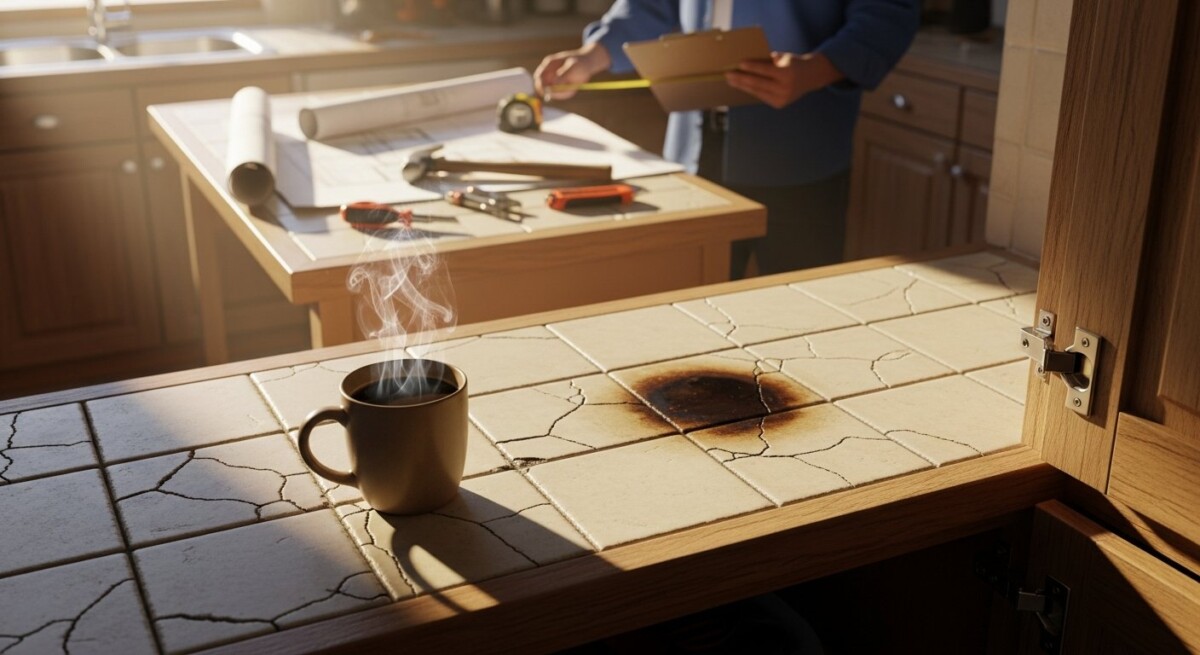
- Kitchen cabinets and countertops that are worn beyond repair
- Foundation cracks or settling that require structural work
How Professionals Solve the Problem
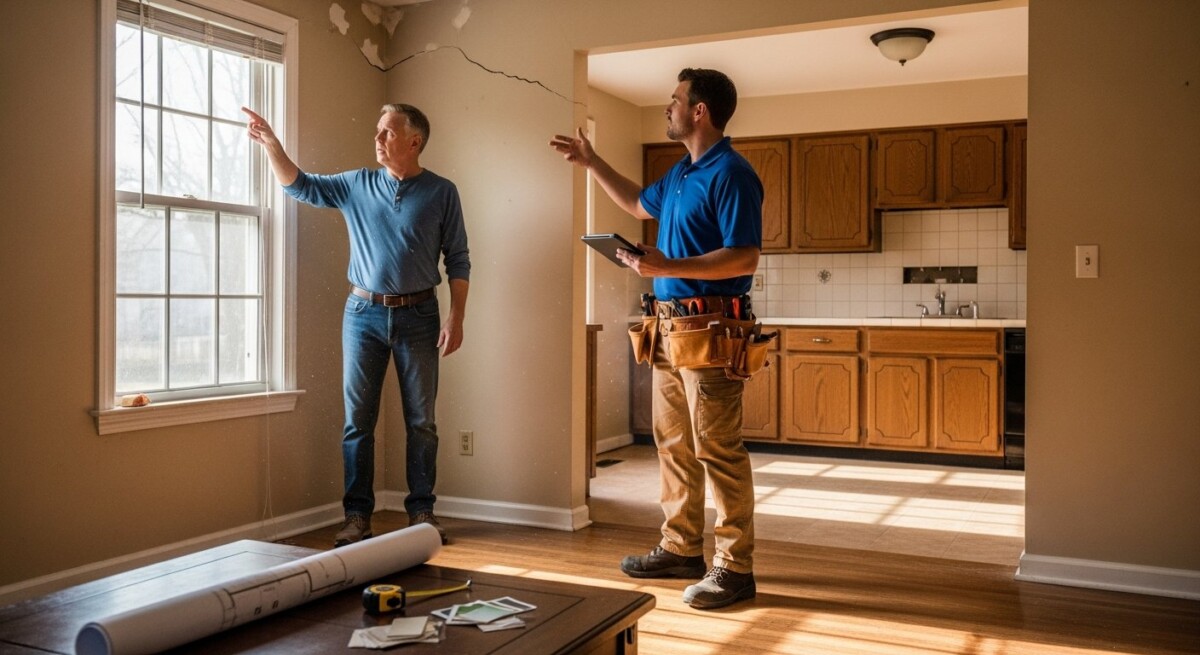
Experienced contractors do more than just swing hammers. They help you understand the full scope of your project, provide accurate cost estimates, and often work with you to recommend reliable financing partners. When you hire a professional, you get a clear plan from start to finish.
A typical renovation process follows these steps:
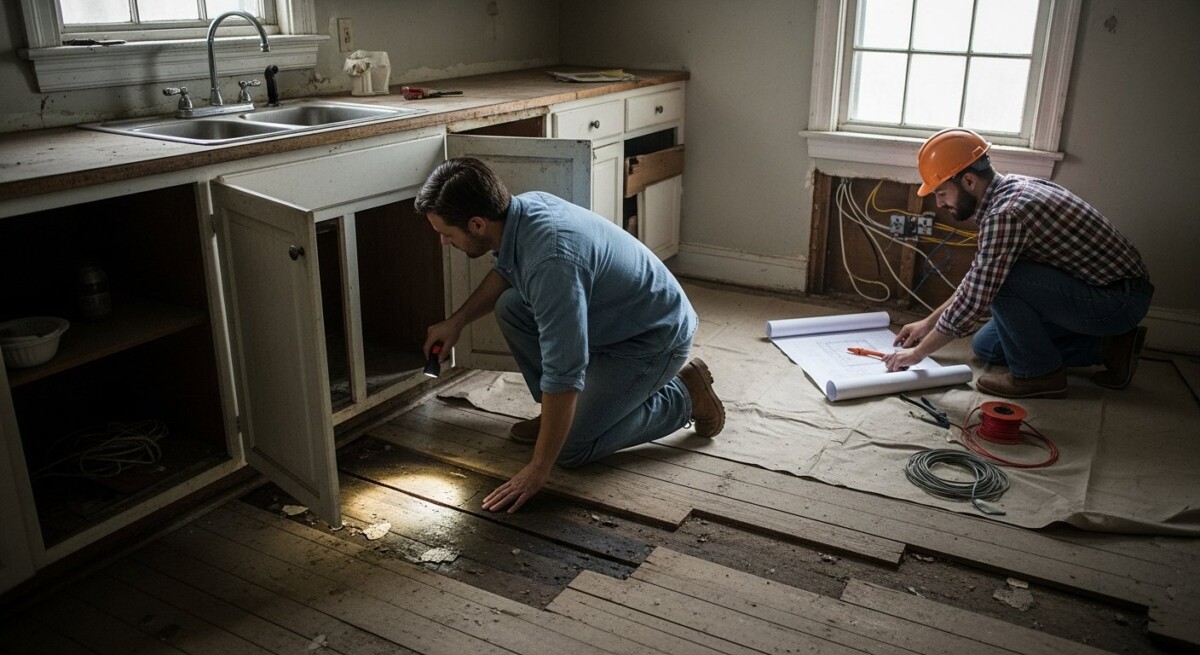
- Inspection and assessment: The contractor evaluates your home’s condition and identifies hidden issues.
- Project scoping and estimate: You receive a detailed quote outlining materials, labor, and timeline.
- Financing review: The contractor or their partner explains your payment options and helps you apply if needed.
- Permitting and planning: The team secures necessary permits and orders materials.
- Construction and quality checks: Work begins, with regular inspections to ensure everything meets code.
- Final walkthrough and cleanup: You approve the finished work and receive warranty information.
Professional work is safer and more reliable than DIY fixes because contractors carry insurance, follow building codes, and have the experience to handle unexpected surprises. A mistake made during a DIY project can end up costing far more than hiring a pro from the start.
A professional inspection can reveal hidden issues before they become expensive repairs. Compare contractor quotes here or call +1 (888) 813-1777 to discuss your project.
Warning Signs You Should Not Ignore
Your home often gives you clues that a renovation is needed. Paying attention to these warning signs can help you act early and avoid emergency repairs. If you notice any of the following, start exploring your financing options right away:
- Water stains on ceilings or walls, which indicate a leak
- Musty odors or visible mold growth in bathrooms or basements
- Frequent circuit breaker trips or flickering lights
- Drafts around windows and doors or uneven room temperatures
- Cracks in drywall, brick, or foundation that grow over time
- Flooring that feels soft, spongy, or visibly warped
Ignoring these signs can lead to more extensive damage. A small roof leak can rot the plywood decking and ruin your attic insulation. An electrical issue can cause a fire. Early action is almost always cheaper than waiting for a full-blown crisis.
What Affects the Cost of Repairs or Installation
The cost of your renovation depends on several factors. The size of the project is the most obvious,a full kitchen remodel costs more than a bathroom refresh. Materials also play a big role; custom cabinetry and natural stone countertops are significantly more expensive than stock options and laminate.
Labor costs vary by region and the complexity of the work. A simple paint job costs less than a structural wall removal. Accessibility matters too: a roof on a steep slope or a bathroom on the second floor may require extra safety equipment and labor. Older homes often contain surprises like asbestos, lead paint, or outdated wiring that add to the cost. Getting multiple quotes helps you understand the range and choose the best value.
Costs can vary depending on the condition of your home. The best way to know the price is to get a personalized estimate. Request free quotes from contractors or call +1 (888) 813-1777 today.
How to Choose the Right Contractor
Selecting the right contractor is just as important as choosing the right financing. A good contractor delivers quality work on time and within budget. Here are some tips for finding a reliable professional:
- Check licenses and insurance to ensure they are legally allowed to work in your area
- Read online reviews on sites like Google, Yelp, and the Better Business Bureau
- Ask for detailed written estimates that break down materials, labor, and timeline
- Compare quotes from at least three contractors before making a decision
- Confirm they have experience with projects similar to yours, whether it is a bathroom remodel or a roofing replacement
Taking the time to vet contractors saves you from headaches later. A trustworthy contractor will also be transparent about how to finance home renovation and may offer referrals to lenders they have worked with before. For more guidance on hiring, check out our article on home renovation contractors in the USA.
Long-Term Benefits of Professional Work
Investing in professional renovation work pays off in multiple ways. First, your home becomes safer. Updated electrical systems, secure railings, and proper ventilation reduce the risk of accidents and health problems. Second, professional work lasts longer. A contractor-grade roof or a properly installed HVAC system can serve you for decades with minimal maintenance.
Energy efficiency is another major benefit. New windows, insulation, and energy-efficient appliances lower your monthly bills and reduce your carbon footprint. Finally, a well-executed renovation increases your home’s resale value. Buyers are willing to pay more for a move-in-ready home with modern finishes and reliable systems. Choosing the right time to start can also save you money; read our guide on the best time for home renovation to plan your project wisely.
Is a renovation loan right for me?
A renovation loan is a good fit if you do not have enough cash on hand but have good credit and enough equity in your home. It allows you to borrow a lump sum or access a line of credit specifically for home improvements. Compare interest rates and terms from multiple lenders to find the best deal.
Can I finance a renovation without equity?
Yes, you can use a personal loan or a credit card with a 0% introductory APR offer. Personal loans are unsecured, so you do not need home equity, but they typically have higher interest rates than secured loans. Government-backed FHA 203(k) loans also do not require a large amount of equity.
How much can I borrow for a home renovation?
The amount depends on your credit score, income, and the value of your home. With a home equity loan, you can usually borrow up to 80,85% of your home’s value minus what you owe. Personal loans often max out around $50,000 to $100,000 for borrowers with excellent credit.
What is the difference between a home equity loan and a HELOC?
A home equity loan gives you a one-time lump sum with a fixed interest rate and fixed monthly payments. A HELOC works like a credit card: you have a credit limit and can draw money as needed, paying interest only on the amount you use. HELOCs usually have variable rates.
How long does it take to get renovation financing?
Personal loans can fund in as little as one to three business days. Home equity loans and HELOCs typically take two to six weeks because they require an appraisal and underwriting. Government-backed loans like FHA 203(k) can take longer, often 30 to 60 days.
Do I need a contractor before applying for financing?
Some lenders require a detailed contractor estimate before approving a loan, especially for renovation-specific loans like the FHA 203(k). Even if it is not required, having a contractor’s quote helps you borrow the right amount and gives the lender confidence in your project plan.
What happens if my renovation costs more than the loan?
You will need to cover the overage out of pocket or apply for additional financing. To avoid this, work with your contractor to create a detailed budget that includes a 10,20% contingency fund for unexpected issues. Getting multiple contractor quotes also helps you budget accurately.
Can I use a credit card for a large renovation?
You can, but it is usually not recommended unless you have a card with a 0% APR promotional period and can pay off the balance before the rate jumps. High interest rates on credit cards can make a large renovation much more expensive. A loan or HELOC is generally a cheaper option.
Your home is one of your biggest investments, and knowing how to finance home renovation gives you the power to protect it. Whether you need a small repair or a full remodel, acting early saves money and stress. Start by identifying the work you need, then compare contractor quotes and financing options side by side. With the right plan and a trusted professional, you can turn your renovation dreams into reality without breaking the bank. Home renovation Denver Colorado homeowners, for example, have access to local contractors who understand regional building codes and climate needs. Take the first step today.

About Alex Carter
"*" indicates required fields