Kitchen Renovation Cost Breakdown: A Homeowner’s Guide
"*" indicates required fields
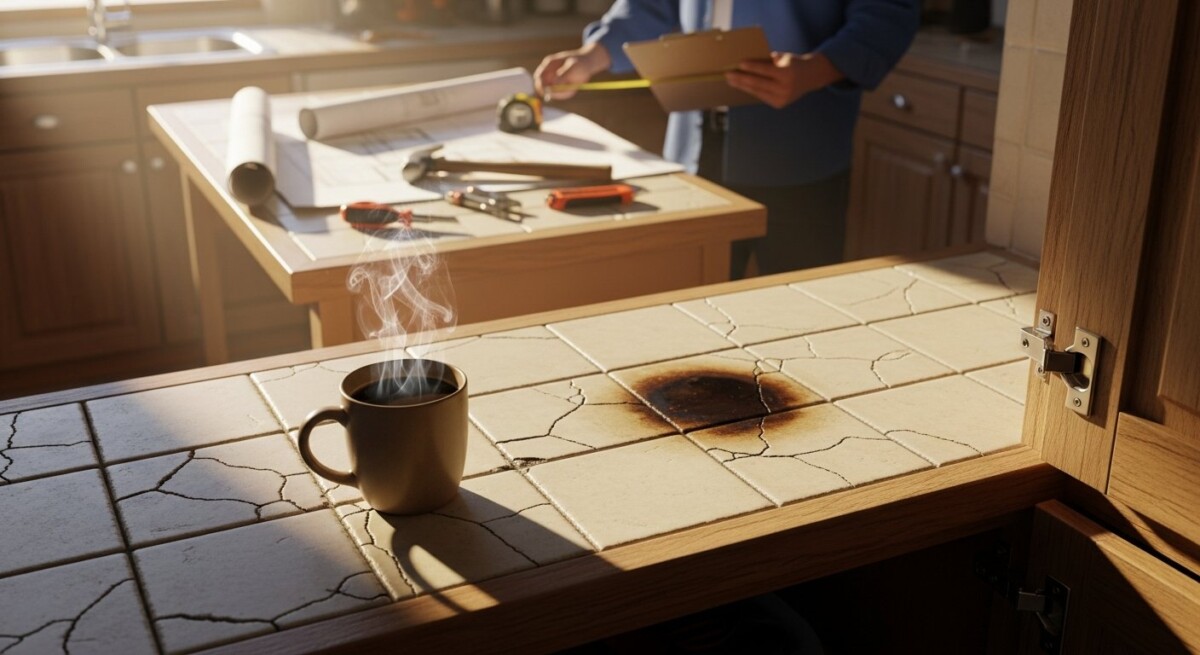
You stand in your kitchen, coffee in hand, and notice the cracked tile, the cabinet door that won’t close, and the countertop stain that won’t come out. The space that should be the heart of your home feels tired and outdated. You start wondering about a kitchen renovation cost breakdown, but the thought of unexpected expenses makes you hesitate. Many homeowners feel this same mix of hope and worry. The truth is that kitchen remodeling costs vary widely, and without a clear plan, you can easily overspend or overlook hidden problems. Understanding where your money goes,from cabinets to labor,helps you make smart decisions and avoid costly surprises down the road.
Understanding Kitchen Renovation Cost Breakdown
A kitchen renovation cost breakdown simply means knowing how much each part of your remodel will cost. Instead of looking at one big number, you split it into categories like cabinets, countertops, appliances, labor, and permits. This approach helps you see where your budget is going and where you might save money or need to spend more.
Cost breakdowns vary by home size, material choices, and the scope of work. A minor refresh,painting cabinets and replacing hardware,might cost a few thousand dollars. A full gut renovation with custom cabinetry and high-end appliances can run $50,000 or more. Older homes often require extra work behind the walls, such as electrical upgrades or plumbing repairs, which adds to the total. In our guide on smart kitchen renovation budget planning, we explain how to set realistic expectations based on your home’s age and condition.
Why a Detailed Breakdown Matters
Without a clear breakdown, homeowners often underestimate costs. You might budget $20,000 for a new kitchen, only to discover that demolition, electrical work, and flooring eat up half of that before you even choose a countertop. A detailed estimate from a contractor gives you a realistic picture and helps you prioritize what matters most.
Why This Matters for Your Home
Your kitchen is one of the most-used rooms in your home. A poorly planned or incomplete renovation can lead to ongoing frustration, safety hazards, and even damage to your home’s structure. Water leaks from old plumbing, outdated wiring, and mold behind cabinets are common issues that go unnoticed until walls are opened.
Delaying a necessary kitchen remodel can also reduce your home’s resale value. Buyers often look for an updated kitchen, and an outdated or poorly renovated space can make your home sit longer on the market. In contrast, a well-done kitchen remodel typically recovers 60 to 80 percent of its cost when you sell. Protecting your investment starts with understanding the full cost breakdown upfront.
If you notice signs of this issue in your home, it may help to speak with a qualified contractor. Request a free quote or call to explore your repair or remodeling options.
Common Problems Homeowners Experience
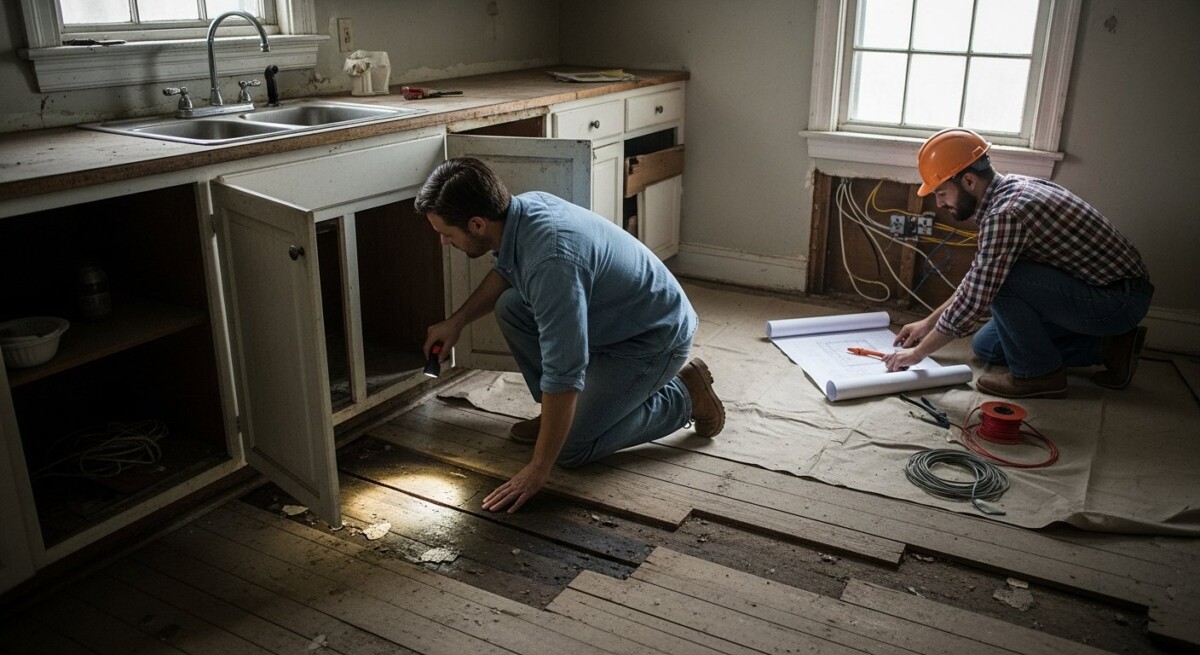
During a kitchen renovation, homeowners often run into unexpected problems that blow their budget. The most common issues include discovering water damage behind old cabinets, finding that electrical wiring doesn’t meet current codes, or realizing that walls are not load-bearing as assumed. These surprises can add thousands to your total cost.
Other problems are more visible. Countertops may arrive with defects, cabinet doors might not align, or flooring installation reveals an uneven subfloor. These issues not only delay your project but also create stress and frustration. Knowing the typical cost breakdown helps you set aside a contingency fund,usually 10 to 20 percent of your budget,for these unforeseen expenses.
- Water damage behind sinks and dishwashers that requires mold remediation
- Outdated or unsafe electrical wiring that needs full replacement
- Cracked or uneven flooring that must be leveled before new tile or hardwood
- Old plumbing that leaks or doesn’t meet current building codes
- Cabinet measurements that are off, leading to costly custom adjustments
- Permit delays or requirements that add time and fees
How Professionals Solve the Problem
Experienced contractors approach a kitchen renovation cost breakdown methodically. They start with a thorough inspection of your space, identifying hidden problems before demolition begins. This upfront assessment helps avoid surprises and gives you a more accurate estimate. Professionals also handle permits, inspections, and code compliance, which protects you from legal issues and safety risks down the line.
The typical process follows a clear sequence: demolition, rough-in work for plumbing and electrical, installation of drywall and flooring, then cabinetry and countertops, and finally appliances and finishing touches. Each phase has a clear cost, and a good contractor will walk you through the breakdown so you understand where your money is going.
- Initial consultation and site inspection to assess the space and identify potential issues
- Detailed written estimate with a line-item cost breakdown for each phase
- Demolition and disposal of old materials, including safe removal of any hazardous substances
- Rough-in work: electrical, plumbing, and HVAC updates to meet current codes
- Structural work: framing, drywall, and flooring installation
- Finish work: cabinetry, countertops, backsplash, lighting, and appliances
- Final inspection and cleanup
A professional inspection can reveal hidden issues before they become expensive repairs. Compare contractor quotes here or call to discuss your project.
Warning Signs You Should Not Ignore
Some signs that your kitchen needs a renovation are obvious,a leaky faucet or a broken cabinet door. Others are subtle but equally important. If you notice a musty smell near the sink or dishwasher, there may be hidden mold behind the walls. Cracks in the grout or tile can indicate water damage or a shifting foundation. Outdated electrical outlets that don’t have ground fault circuit interrupters (GFCIs) near water sources are a serious safety hazard.
Acting early when you see these warning signs can save you thousands of dollars. A small leak fixed today might cost a few hundred dollars. If ignored for months, that same leak can rot the subfloor, damage cabinets, and create mold that requires professional remediation,costing thousands. In our article on kitchen renovation steps, we outline how addressing issues early keeps your project on track and within budget.
- Water stains or soft spots on the floor near the sink or dishwasher
- Musty odors or visible mold around plumbing fixtures
- Outlets that spark, feel warm, or are two-pronged (ungrounded)
- Cabinets that stick, sag, or show signs of water damage
- Countertops that are cracked, stained, or pulling away from the wall
- Loose or missing tiles, or grout that crumbles easily
What Affects the Cost of Repairs or Installation
Several factors influence your kitchen renovation cost breakdown. The size of your kitchen is the most obvious,a larger space requires more materials and labor. But the condition of your home matters even more. Older homes often have outdated wiring, cast-iron plumbing, or walls that need structural reinforcement, all of which add to the cost. The quality of materials you choose also plays a major role; solid wood cabinets and quartz countertops cost significantly more than laminate and butcher block.
Labor costs vary by region and the complexity of the work. A simple cabinet refacing might take a few days, while a full gut renovation can take several weeks. Accessibility also affects pricing,if your kitchen is on the second floor or in a tight space, moving materials and debris takes more time. Understanding these factors helps you avoid sticker shock and plan a realistic budget.
Costs can vary depending on the condition of your home. The best way to know the price is to get a personalized estimate. Request free quotes from contractors or call today.
How to Choose the Right Contractor
Choosing the right contractor is just as important as choosing your countertops. A good contractor will provide a clear, detailed kitchen renovation cost breakdown, communicate openly, and stick to the timeline and budget. Start by asking for recommendations from friends or neighbors who have had work done recently. Then, interview at least three contractors and compare their estimates side by side.
Pay attention to how they answer your questions. A contractor who takes the time to explain the cost breakdown and address your concerns is more likely to do quality work. Also, check that they are licensed, insured, and have positive reviews from past clients. For more guidance, read our post on kitchen renovation duration, which explains how timelines affect costs and contractor scheduling.
- Verify license and insurance,ask for proof and check with your state’s licensing board
- Read online reviews on Google, Yelp, and the Better Business Bureau
- Ask for a detailed written estimate with a line-item cost breakdown
- Get at least three quotes to compare pricing and scope of work
- Confirm experience with kitchen remodels similar to yours in size and style
Long-Term Benefits of Professional Work
Investing in a professional kitchen renovation pays off for years to come. A well-designed and properly installed kitchen is safer, more functional, and more enjoyable to use every day. Professional work also lasts longer,cabinets stay aligned, countertops remain level, and plumbing and electrical systems run reliably without issues.
Energy efficiency is another long-term benefit. Newer appliances, LED lighting, and better insulation can lower your utility bills. A modern kitchen also adds to your home’s resale value, making it more attractive to future buyers. When you work with a professional contractor, you get a kitchen that not only looks great but also performs well for decades.
What is the average cost of a kitchen renovation?
On average, a mid-range kitchen renovation costs between $25,000 and $50,000, while a high-end remodel can exceed $75,000. The final price depends on kitchen size, material choices, and the extent of structural changes. A detailed cost breakdown from a contractor helps you see exactly where your budget will go.
How much does labor cost in a kitchen renovation?
Labor typically accounts for 20 to 35 percent of your total kitchen renovation cost. This includes demolition, electrical work, plumbing, drywall, flooring, and cabinet installation. Labor rates vary by region and the complexity of the job, so it’s smart to compare quotes from multiple contractors.
What is the most expensive part of a kitchen remodel?
Cabinetry and hardware are usually the largest expense, making up about 25 to 30 percent of the total budget. Custom cabinets cost significantly more than stock or semi-custom options. Countertops and appliances are the next biggest costs, especially if you choose premium materials like quartz or stainless steel.
How can I save money on a kitchen renovation?
You can save money by refacing existing cabinets instead of replacing them, choosing laminate or butcher block countertops, and keeping the same kitchen layout to avoid moving plumbing and electrical. Painting walls and installing new hardware yourself can also reduce labor costs. Always get a detailed cost breakdown before starting to identify areas where you can cut back.
Do I need a permit for a kitchen renovation?
Most major kitchen renovations require permits, especially if you are moving walls, changing plumbing or electrical systems, or altering the structure. Permits ensure the work meets safety codes and protects you from liability. A professional contractor will handle the permit process and include the fees in your cost breakdown.
How long does a kitchen renovation take?
A typical kitchen renovation takes 4 to 8 weeks, depending on the scope of work and material availability. A simple refresh might take 2 to 3 weeks, while a full gut remodel with custom cabinets can take 10 to 12 weeks. Delays in ordering materials or unexpected structural issues can extend the timeline.
What is a contingency fund and why do I need one?
A contingency fund is extra money set aside for unexpected costs that arise during a renovation. Most contractors recommend adding 10 to 20 percent to your total budget for surprises like water damage, faulty wiring, or material shortages. This fund keeps your project on track without financial stress.
Should I renovate my kitchen before selling my house?
A renovated kitchen can significantly increase your home’s resale value and help it sell faster. However, you should focus on mid-range upgrades that appeal to most buyers, like new countertops, fresh paint, and modern appliances. Over-improving for the neighborhood may not give you a full return on your investment. A contractor can help you choose cost-effective upgrades that add value.
Understanding your kitchen renovation cost breakdown is the first step toward a successful remodel. By knowing where your money goes, you can make informed decisions, avoid costly surprises, and create a kitchen you love. Don’t wait until small problems become big expenses. Compare contractor quotes, ask for detailed estimates, and start your project with confidence.

About Alex Carter
"*" indicates required fields