Home Remodeling Cost Guide: What Homeowners Need to Know
"*" indicates required fields
You finally saved up to remodel your outdated kitchen, or maybe that drafty window has been bothering you all winter. You start daydreaming about new cabinets or energy-efficient glass, but then the worry creeps in: How much is this actually going to cost? You search online, read conflicting numbers, and feel more confused than before. Every home is different, and prices vary wildly based on size, materials, and labor. Without a clear home remodeling cost guide, you risk either overpaying or underestimating the budget,both of which can leave you stuck with an unfinished project or unexpected debt.
Understanding the Home Remodeling Cost Guide
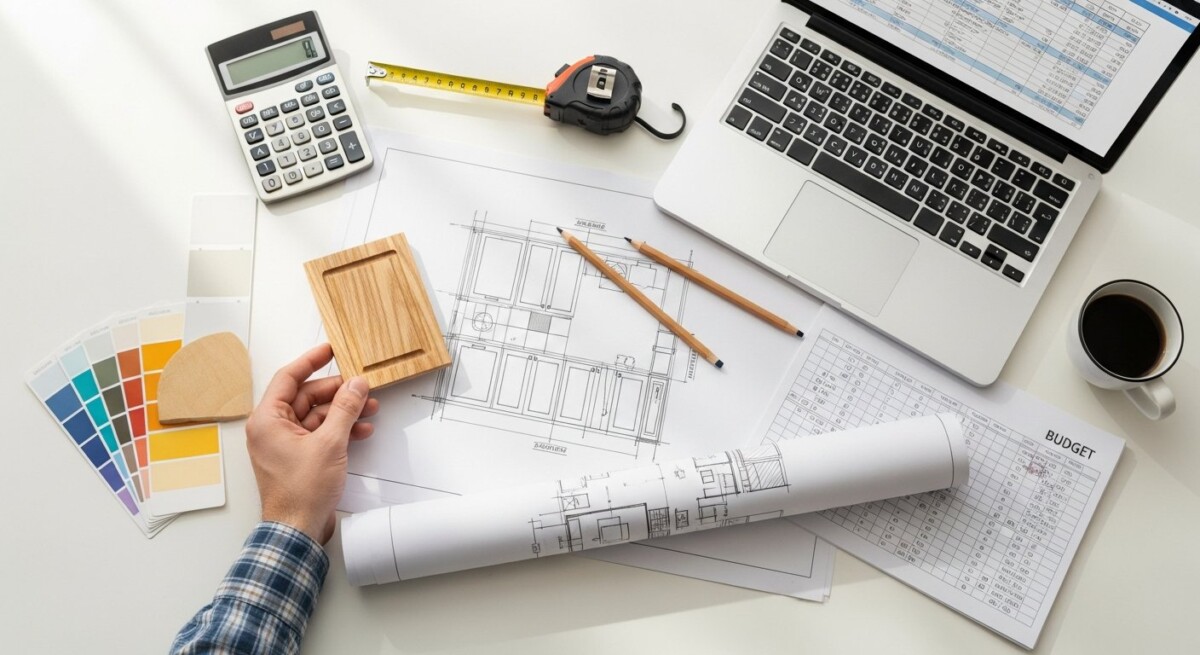
A home remodeling cost guide is simply a resource that breaks down the typical expenses for renovation projects. It helps you understand where your money goes,materials, labor, permits, and unexpected surprises. Most guides provide average ranges so you can set realistic expectations before you start tearing down walls.
Costs vary because every house is unique. Older homes may need structural upgrades, while newer builds might just need cosmetic updates. Even the same project can cost more in one region than another due to local labor rates and material availability. A reliable guide accounts for these variables and helps you prepare for the real numbers.
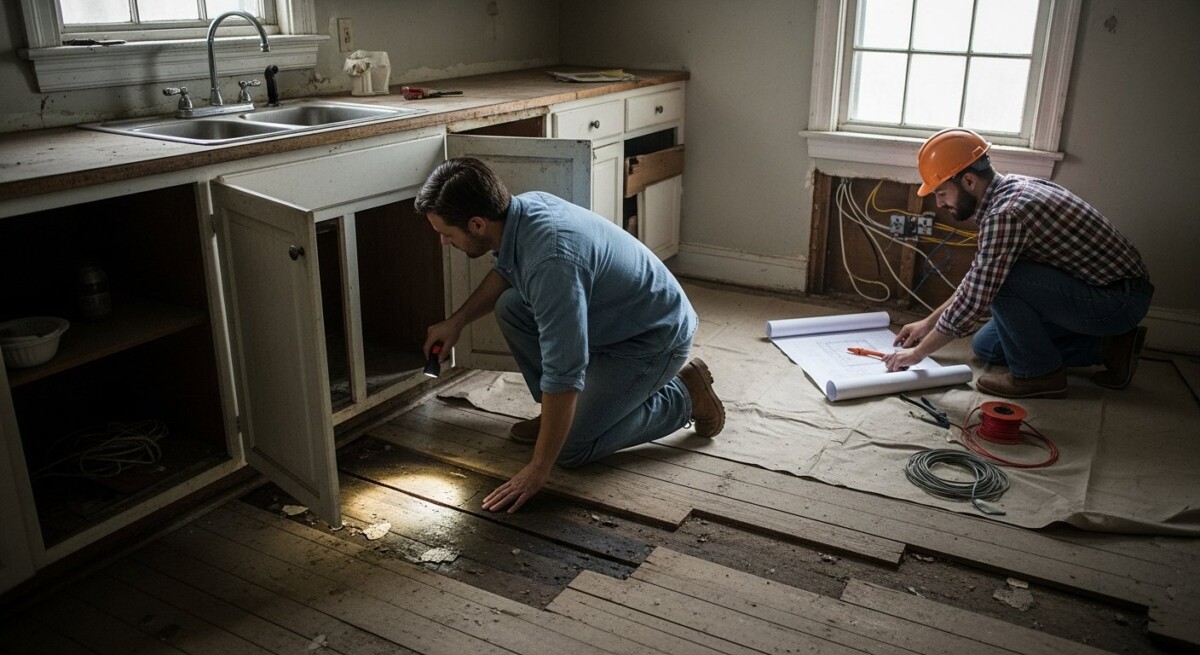
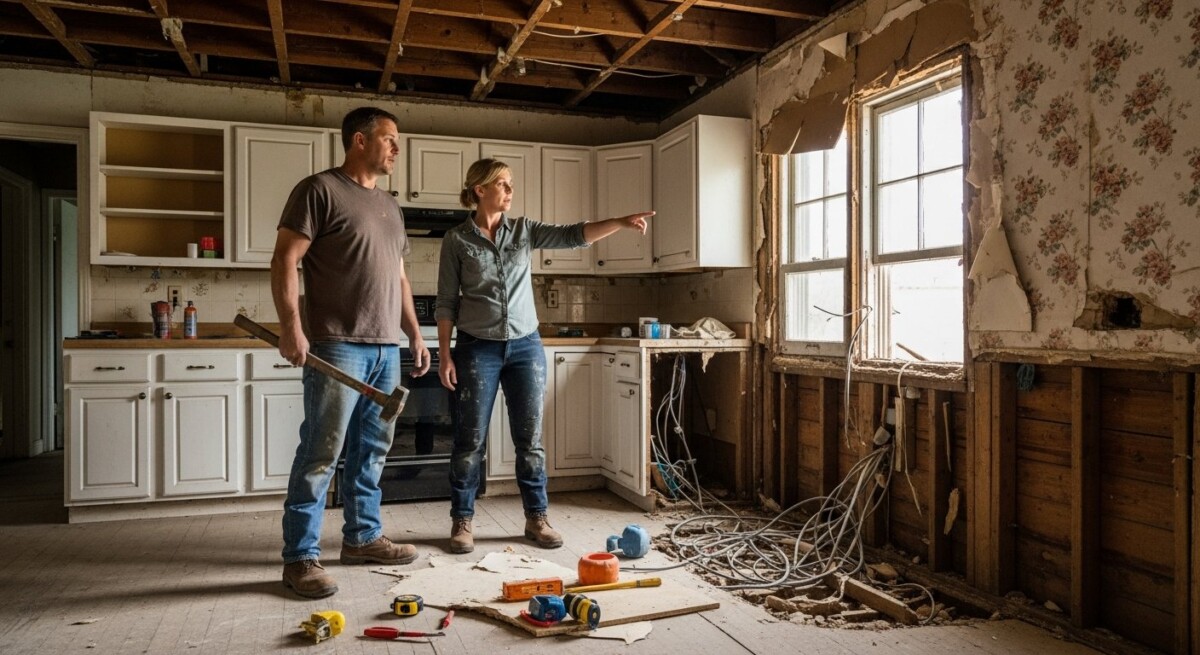
Homes most affected by cost surprises are those with deferred maintenance. If you have not updated anything in 20 years, you may face hidden issues like outdated electrical wiring or water damage behind walls. A good cost guide helps you anticipate these hidden expenses rather than discovering them mid-project.
Why This Matters for Your Home
Ignoring accurate cost planning can lead to serious problems. If you start a remodel without a realistic budget, you might run out of money before the work is complete. This leaves you with a half-finished room, wasted materials, and a contractor who walks away.
Poor planning also affects safety and comfort. Cutting corners to save money can mean using cheap materials that fail quickly or skipping necessary permits. These shortcuts may lead to structural issues, electrical hazards, or mold growth,problems that cost far more to fix later than doing it right the first time.
On the flip side, understanding costs helps you protect your property value. A well-planned remodel with quality materials can increase your home’s resale value significantly. When you know what to expect, you can make informed decisions that pay off both now and in the future.
If you notice signs of this issue in your home, it may help to speak with a qualified contractor. Request a free quote or call (555) 123-4567 to explore your repair or remodeling options.
Common Problems Homeowners Experience
Many homeowners dive into remodeling without a clear cost picture and run into the same frustrating issues. Understanding these common problems can save you time, money, and stress.
The biggest issue is budget overruns. You plan for new countertops and a fresh coat of paint, but then the contractor discovers rotting subfloor or outdated plumbing. Suddenly, your modest renovation turns into a major repair job that costs thousands more than expected.
- Unexpected structural damage hidden behind walls or under flooring
- Outdated electrical systems that need upgrading to meet current codes
- Plumbing leaks or corroded pipes discovered during demolition
- Permit fees and inspection costs that were not factored into the initial estimate
- Material price fluctuations that make your chosen tile or cabinets suddenly more expensive
- Scope creep where you add “just one more thing” and blow past your budget
How Professionals Solve the Problem
Experienced contractors bring more than just tools,they bring knowledge. They know how to spot hidden issues early, estimate accurately, and keep your project on track. Hiring a professional often saves you money in the long run because they prevent costly mistakes.
A typical professional remodeling process follows a structured path to avoid surprises. Here is how most contractors handle a project from start to finish:
- Initial consultation and inspection: The contractor visits your home, measures spaces, and looks for potential issues like water damage or old wiring.
- Detailed written estimate: You receive a line-item breakdown of material costs, labor, permits, and a timeline so there are no hidden fees.
- Permitting and planning: The contractor pulls necessary permits and coordinates with inspectors, ensuring everything meets local building codes.
- Demolition and preparation: Professionals remove old materials safely, disposing of debris properly and protecting your home from dust and damage.
- Installation and construction: Skilled tradespeople complete the work efficiently, from framing and drywall to flooring and fixtures.
- Final walkthrough and cleanup: The contractor reviews the finished project with you, addresses any concerns, and leaves your home clean and ready to use.
A professional inspection can reveal hidden issues before they become expensive repairs. Compare contractor quotes here or call (555) 123-4567 to discuss your project.
Warning Signs You Should Not Ignore
Your home often gives you clues that a remodel is overdue or that hidden problems are lurking. Paying attention to these signs early can save you from emergency repairs and much higher costs down the road.
For example, if you notice cracks in your walls or ceilings, it could indicate foundation movement or water damage. Peeling paint or wallpaper might mean moisture is trapped behind the surface. Even small issues like a door that sticks can signal shifting structures that need attention.
- Water stains on ceilings or walls, which often point to roof leaks or plumbing issues
- Musty odors or visible mold, indicating poor ventilation or hidden moisture
- Drafty windows or doors that make your home uncomfortable and raise energy bills
- Outdated electrical panels or frequent breaker trips, a fire hazard that needs immediate attention
- Squeaky or uneven floors, which may signal subfloor damage or pest problems
- High utility bills with no clear cause, often due to poor insulation or old windows
What Affects the Cost of Repairs or Installation
Several factors determine how much your remodeling project will cost. Understanding these can help you budget more accurately and avoid sticker shock when you receive estimates.
The size of the project is the biggest cost driver. A full kitchen remodel costs far more than a bathroom refresh because it involves more square footage, more materials, and more labor hours. Similarly, the quality of materials you choose,laminate versus hardwood, standard fixtures versus designer brands,directly impacts the final price.
Accessibility also matters. If your project is on the second floor or requires special equipment to reach, expect higher labor costs. Older homes often have outdated systems that need upgrading to meet current codes, adding to the expense. Finally, local labor rates vary, so getting multiple quotes helps you understand the fair market price in your area.
Costs can vary depending on the condition of your home. The best way to know the price is to get a personalized estimate. Request free quotes from contractors or call (555) 123-4567 today.
How to Choose the Right Contractor
Choosing the right contractor is just as important as setting the right budget. A skilled, trustworthy professional can make your remodel smooth and stress-free, while a bad one can turn your dream project into a nightmare.
Start by asking friends and neighbors for recommendations. Online reviews on platforms like Google and Houzz can also give you insight into a contractor’s reputation. Always verify that the contractor is licensed and insured,this protects you in case of accidents or damage during the project.
- Check licenses and insurance: Ask for proof and verify with your local licensing board.
- Read customer reviews: Look for patterns in feedback about communication, timeliness, and quality.
- Ask for detailed estimates: A good contractor provides a written breakdown of all costs, not just a lump sum.
- Compare multiple quotes: Get at least three estimates to ensure you are getting a fair price.
- Confirm experience with similar projects: Ask to see photos or visit past work that matches your remodel type.
Long-Term Benefits of Professional Work
Investing in professional remodeling pays off in many ways beyond just a beautiful home. Quality work done by experienced contractors lasts longer, performs better, and adds real value to your property.
Safety is a primary benefit. Professionals know building codes and safety standards, so your new kitchen, bathroom, or addition is structurally sound and free of hazards like faulty wiring or improper ventilation. This peace of mind is priceless, especially if you have a family.
Energy efficiency is another major advantage. Proper insulation, high-quality windows, and modern HVAC systems reduce your utility bills year after year. Over time, these savings can offset the initial cost of the remodel. Plus, when you decide to sell, a well-done renovation can increase your home’s resale value significantly, giving you a strong return on your investment.
How long does a typical home remodel take?
Timeline depends on the scope of work. A small bathroom remodel might take two to three weeks, while a full kitchen or basement renovation can take six to twelve weeks. Delays can happen due to material availability or unexpected structural issues, so a good contractor will give you a realistic schedule with some buffer time.
What is the average cost of a kitchen remodel?
Nationally, a mid-range kitchen remodel costs between $25,000 and $50,000. High-end remodels with custom cabinetry, premium appliances, and stone countertops can exceed $75,000. Your specific costs depend on kitchen size, material choices, and local labor rates.
Should I remodel my bathroom before selling my home?
Yes, a updated bathroom often provides a strong return on investment. Buyers prioritize modern, clean bathrooms, and a remodel can increase your home’s value by 60,70% of the project cost. Focus on neutral finishes and functional updates rather than luxury features.
How can I save money on my remodeling project?
Save money by keeping the same layout to avoid moving plumbing or walls, choosing mid-range materials instead of high-end, and doing some demolition or painting yourself. Getting multiple quotes also helps you find competitive pricing without sacrificing quality.
What permits do I need for home remodeling?
Most structural, electrical, plumbing, and HVAC work requires permits. Your contractor should handle the permitting process. Skipping permits can lead to fines, difficulty selling your home, and safety risks.
How do I know if a contractor is reliable?
Check for a valid license, liability insurance, and workers’ compensation coverage. Read recent online reviews, ask for references, and verify their physical business address. A reliable contractor communicates clearly, provides a written contract, and does not demand full payment upfront.
What is the best way to compare remodeling quotes?
Compare quotes line by line, not just total price. Look at material quality, labor costs, permit fees, and the scope of work each contractor includes. A lower quote might exclude important items like disposal or cleanup, so ask questions before deciding.
Can I live in my home during a major remodel?
It depends on the project. Small bathroom or kitchen remodels can be inconvenient but manageable with careful planning. Major renovations that involve multiple rooms or structural work may require you to stay elsewhere for safety and comfort. Discuss logistics with your contractor beforehand.
Remodeling your home is a big decision, but it does not have to be overwhelming. When you understand the costs, recognize warning signs early, and work with a qualified professional, you can complete your project on budget and with confidence. Start by getting multiple quotes from trusted contractors so you can compare options and choose the best fit for your home and your wallet. Taking that first step today can save you from bigger headaches tomorrow.

About Alex Carter
"*" indicates required fields