How to Budget Home Renovation: A Smart Homeowner’s Guide
"*" indicates required fields
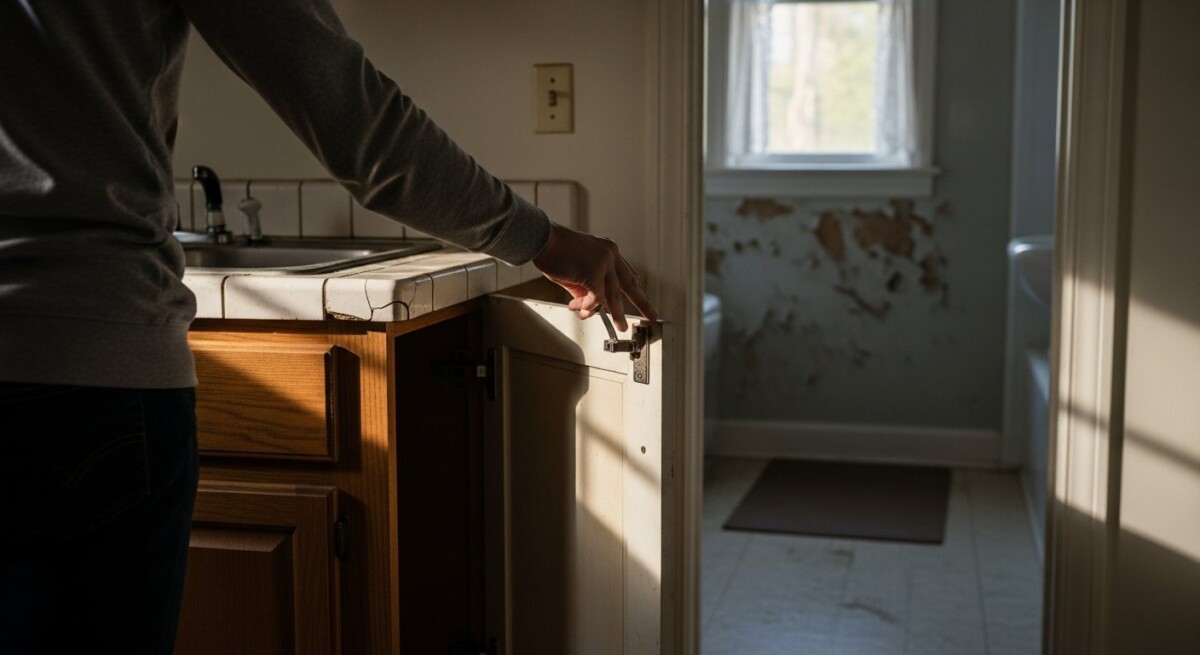
You walk into your kitchen one morning and notice the faucet is dripping a little faster than usual. Or maybe you finally decide to tackle that bathroom tile that’s been cracked for months. Suddenly, you realize you have no idea what this project will actually cost,or how to pay for it without draining your savings. This is the moment when most homeowners start wondering how to budget home renovation without going broke or making costly mistakes. Ignoring the planning stage can lead to overspending, unfinished work, and serious stress. But with the right approach, you can take control of your project from the start.
Understanding How to Budget Home Renovation
Budgeting for a home renovation simply means creating a realistic financial plan before you begin any work. It’s not just about guessing a number,it’s about understanding what your project truly requires, from materials and labor to permits and unexpected surprises. A solid budget acts as your roadmap, helping you decide where to spend and where to save.
Most homes need renovations because of normal wear and tear, outdated designs, or unexpected damage like leaks or rot. Older homes, especially those built before the 1990s, often require more extensive updates to meet modern codes and efficiency standards. But even newer homes can benefit from thoughtful remodeling that improves comfort and value.
Why Most Homeowners Struggle with Renovation Budgets
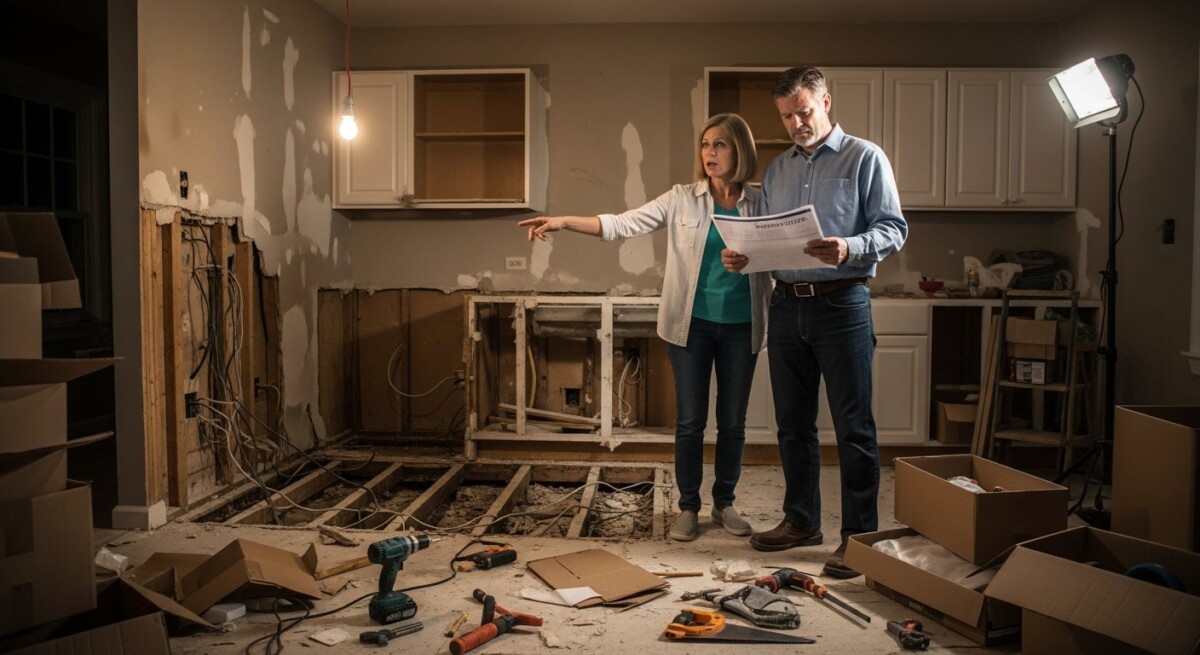
The biggest mistake homeowners make is underestimating costs. They focus on visible expenses like countertops or flooring but forget about hidden items like electrical upgrades, disposal fees, or structural repairs. Without a detailed breakdown, the budget quickly falls apart. The key is to plan for the unexpected from day one.
Why This Matters for Your Home
Your home is likely your largest investment. When you ignore proper budgeting, you risk not only running out of money mid-project but also leaving your home in an unsafe or incomplete condition. Water damage from a delayed bathroom remodel can spread to subfloors and walls, turning a $5,000 job into a $15,000 nightmare.
Safety is another major concern. Outdated wiring or plumbing can create fire hazards or mold growth. Comfort also suffers when renovations drag on because funds ran dry. And every month you wait to address problems, the cost of materials and labor tends to go up. Taking the time to budget properly protects your peace of mind and your property.
If you notice signs of this issue in your home, it may help to speak with a qualified contractor. Request a free quote or call to explore your repair or remodeling options.
Common Problems Homeowners Experience
When you don’t budget correctly, several predictable problems arise. You might find yourself halfway through a kitchen remodel with no money left for appliances. Or you might choose cheaper materials that fail within a year, forcing you to redo the work. These issues happen to homeowners every day, often because they didn’t ask the right questions upfront.
Another common issue is scope creep,adding more work as the project goes along without adjusting the budget. What starts as a simple paint job can turn into a full room renovation if you aren’t careful. The following list highlights the most frequent budgeting pitfalls:
- Underestimating material costs, especially for specialty items like custom cabinetry or imported tile
- Forgetting to include permit fees, dumpster rentals, or temporary storage costs
- Choosing the lowest bid without checking contractor credentials or references
- Not setting aside a contingency fund for hidden damage like mold or termites
- Financing renovations with high-interest credit cards instead of a structured loan or savings
- Starting the project without a written contract or detailed scope of work
How Professionals Solve the Problem
Experienced contractors bring more than tools to your project,they bring a systematic approach that keeps costs under control. They know where hidden problems typically appear and how to address them before they become emergencies. A professional will also help you prioritize tasks so you can phase the work if your budget is tight.
The typical process for a professional renovation follows these steps:
- Inspection and assessment: The contractor evaluates the space, identifies potential issues, and measures everything accurately.
- Detailed estimate: You receive a line-item breakdown of materials, labor, permits, and timeline.
- Material selection: Professionals guide you toward cost-effective options that match your vision without exceeding your budget.
- Permit handling: They manage all required permits and inspections so you don’t face fines or delays.
- Project management: The team coordinates tradespeople, orders materials, and keeps the schedule on track.
- Final walkthrough: You review the completed work and address any punch-list items before final payment.
Professional work is almost always safer and more reliable than a DIY approach, especially when dealing with electrical, plumbing, or structural changes. Mistakes in these areas can lead to fires, leaks, or collapsed walls,repairs that cost far more than hiring a pro in the first place. For more guidance on planning your timeline, read our article on the best time for home renovation.
A professional inspection can reveal hidden issues before they become expensive repairs. Compare contractor quotes here or call to discuss your project.
Warning Signs You Should Not Ignore
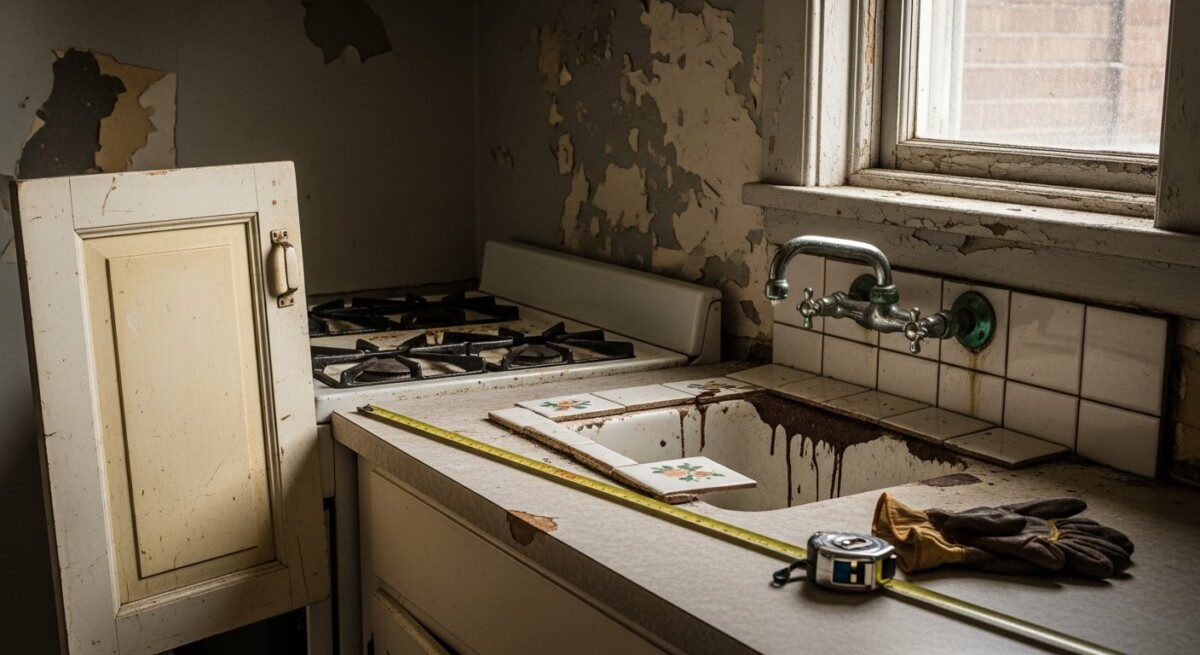
Many homeowners wait too long to start planning their renovation budget. They see small problems but assume they can wait. Unfortunately, small problems rarely stay small. A crack in the foundation, a slow plumbing leak, or peeling paint near a window can all signal bigger issues that will cost more to fix later.
If you notice any of these warning signs, it’s time to start budgeting for a renovation or repair:
- Water stains on ceilings or walls, which may indicate a roof leak or plumbing issue
- Musty odors or visible mold, especially in basements or bathrooms
- Drafts around windows or doors, suggesting poor insulation or seal failure
- Cracks in drywall or foundation that grow over time
- Outdated electrical systems that trip breakers frequently
- Flooring that feels soft or spongy, indicating water damage or rot
Addressing these issues early can save you thousands of dollars. A small roof repair today might cost $500, but ignoring it could lead to a full replacement worth $10,000. Budgeting now is an investment in your home’s future.
What Affects the Cost of Repairs or Installation
Renovation costs vary widely depending on several factors. The size of the project is the most obvious,remodeling a half-bath costs less than a master suite. But material choices also play a huge role. Solid hardwood flooring is more expensive than laminate, and custom cabinetry costs more than stock options.
Labor rates depend on your location and the complexity of the work. A kitchen with load-bearing walls requires structural engineering, which adds cost. Accessibility matters too: a second-story bathroom is harder to work on than a ground-floor powder room. And older homes often contain surprises like asbestos, lead paint, or outdated wiring that must be handled by specialists.
Before you start any project, it’s wise to explore budget home renovation ideas that can help you stretch your dollars further. Small changes like refacing cabinets instead of replacing them can make a big difference.
Costs can vary depending on the condition of your home. The best way to know the price is to get a personalized estimate. Request free quotes from contractors or call today.
How to Choose the Right Contractor
Finding the right contractor is just as important as setting your budget. A trustworthy professional will help you stay on track financially and avoid common pitfalls. Start by asking for recommendations from neighbors or friends who have recently completed similar projects. Online reviews and local trade associations are also good resources.
Once you have a few candidates, follow these tips to make an informed decision:
- Verify that the contractor is licensed, bonded, and insured for your state and type of work
- Read customer reviews on independent platforms like Google, Yelp, or the Better Business Bureau
- Ask for at least three detailed written estimates that include materials, labor, permits, and timelines
- Compare quotes not just on price, but on the scope of work,cheapest isn’t always best
- Confirm the contractor has experience with projects similar to yours, especially if you have an older home
Taking these steps reduces your risk of hiring someone who cuts corners or disappears mid-project. A good contractor will be transparent about costs and happy to answer your questions. If you’re worried about going over budget, read our guide on what happens if a remodel goes over budget and how to handle it.
Long-Term Benefits of Professional Work
Investing in professional renovation work pays off in many ways over time. First, quality workmanship lasts longer. A properly installed roof, bathroom, or kitchen will function well for decades with minimal maintenance. This saves you money on repairs and replacements down the road.
Energy efficiency is another major benefit. Modern windows, insulation, and HVAC systems can lower your utility bills significantly. A professional contractor ensures these systems are installed correctly to maximize performance. Your home also becomes more comfortable, with fewer drafts and more consistent temperatures.
Finally, professional renovations increase your home’s resale value. Buyers are willing to pay more for a home with updated kitchens, bathrooms, and energy-efficient features. Even if you aren’t planning to sell soon, knowing your home is in good condition gives you peace of mind. You’ll enjoy your space more and worry less about unexpected failures.
Frequently Asked Questions
How much should I budget for a home renovation?
A good rule of thumb is to set aside 10,20% of your home’s current value for major renovations. For smaller projects, create a detailed list of materials and labor costs, then add 15,20% as a contingency fund for unexpected issues.
What is the best way to save money on a renovation?
Focus on cosmetic updates instead of structural changes when possible. Repainting cabinets, updating hardware, and refinishing floors can transform a space without the cost of full demolition. Also, compare multiple contractor quotes to find competitive pricing.
Should I renovate my home myself or hire a professional?
DIY can work for simple projects like painting or installing shelving. However, any work involving plumbing, electrical, or load-bearing walls should be handled by a licensed professional. Mistakes in these areas can be dangerous and expensive to fix.
How do I create a renovation budget that actually works?
Start by listing every item you need, from permits to finishes. Research average costs in your area using online tools or by getting quotes. Add a 15,20% buffer for surprises, and prioritize your must-haves versus nice-to-haves.
What hidden costs should I expect in a home renovation?
Common hidden costs include permit fees, dumpster rentals, temporary housing during construction, and repairs to underlying issues like rot, mold, or outdated wiring. Always ask contractors what is and isn’t included in their estimate.
How long does a typical home renovation take?
Timelines vary widely. A bathroom remodel might take 2,4 weeks, while a full kitchen renovation can take 6,12 weeks. Larger projects like whole-home remodels may take several months. Delays often occur due to material shortages or unexpected structural issues.
Is it better to pay cash or finance a home renovation?
Paying cash avoids interest and debt, but financing can make larger projects possible sooner. Options include home equity loans, personal loans, or contractor financing. Compare interest rates and terms to find the best fit for your situation.
How do I know if a contractor’s estimate is fair?
Get at least three estimates from licensed contractors. Look for detailed line items, not just a single number. A fair estimate includes materials, labor, permits, and a clear timeline. Be wary of estimates that are significantly lower than others,they may cut corners.
Budgeting for a home renovation doesn’t have to be overwhelming. When you take the time to plan, research, and compare your options, you set yourself up for a successful project that stays on track and on budget. The earlier you address issues and gather professional input, the more control you have over your home’s future. Start by requesting quotes from trusted contractors who can help you turn your vision into reality without financial surprises.

About Alex Carter
"*" indicates required fields