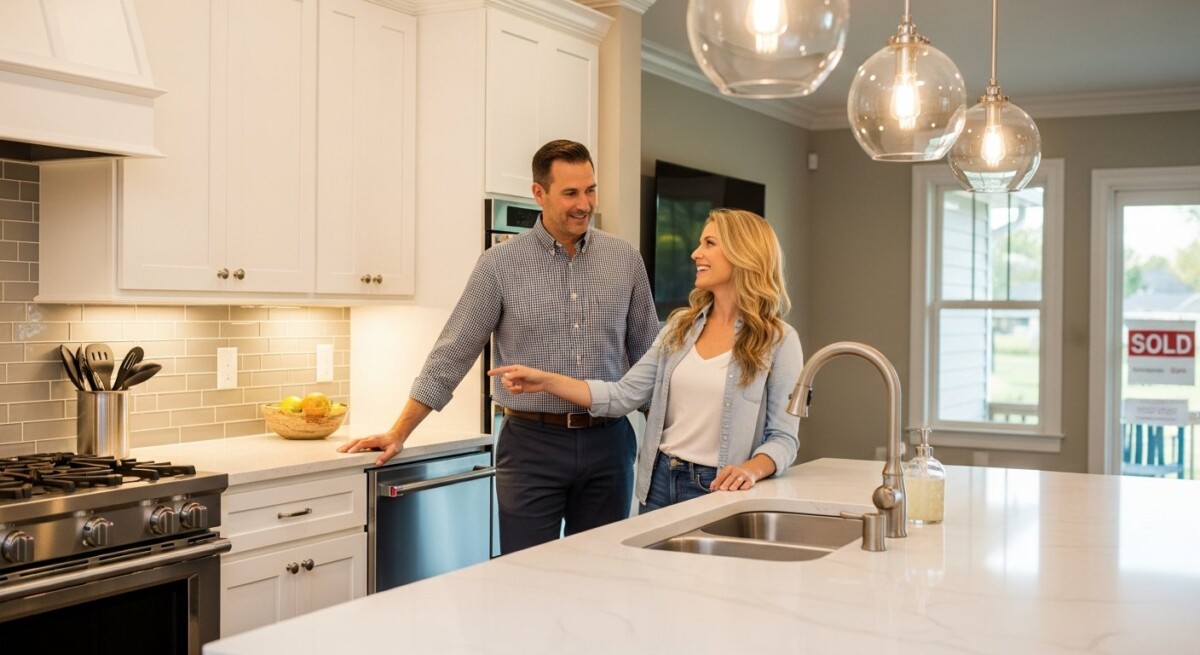
Can Remodeling Improve Resale Value? Expert Insights
"*" indicates required fields
Every homeowner reaches a point where they look around and wonder: will this renovation pay off? Whether you are updating a tired kitchen, refinishing a basement, or replacing old windows, the question “can remodeling improve resale value” is almost always on your mind. The short answer is yes, but not all projects are created equal. Some upgrades return nearly every dollar at sale, while others leave you in the red. Understanding which renovations offer the best return on investment (ROI) can mean the difference between a profitable sale and a costly mistake. This guide breaks down the numbers, the projects, and the strategies that actually work.
Understanding Remodeling ROI: The Big Picture
Remodeling ROI is the percentage of a project’s cost that you recoup when you sell your home. For example, if you spend $20,000 on a kitchen update and it adds $16,000 to your home’s value, you have an 80% ROI. The national average for most major remodels hovers between 60% and 85%, but local market conditions, the quality of the work, and the specific project type all influence the final number.
It is crucial to separate emotional upgrades from value-driven ones. A luxurious soaking tub might appeal to you personally, but a mid-range bathroom renovation typically delivers a stronger return. When you ask “can remodeling improve resale value,” the real question is: which remodeling projects improve resale value the most? The answer lies in focusing on curb appeal, essential systems, and universally appealing finishes.
According to the latest cost vs. value reports, the projects with the highest ROI are often the least glamorous. Garage door replacements, manufactured stone veneer, and minor kitchen remodels consistently top the list. These improvements signal to buyers that the home has been maintained and updated without requiring them to tackle major work immediately.
The Top 5 Remodeling Projects That Boost Resale Value
Not every renovation is worth the investment. Below are five projects that consistently deliver strong returns when executed properly. Each project is ranked by average ROI based on national data, but your local real estate market may shift these numbers.
1. Minor Kitchen Remodel
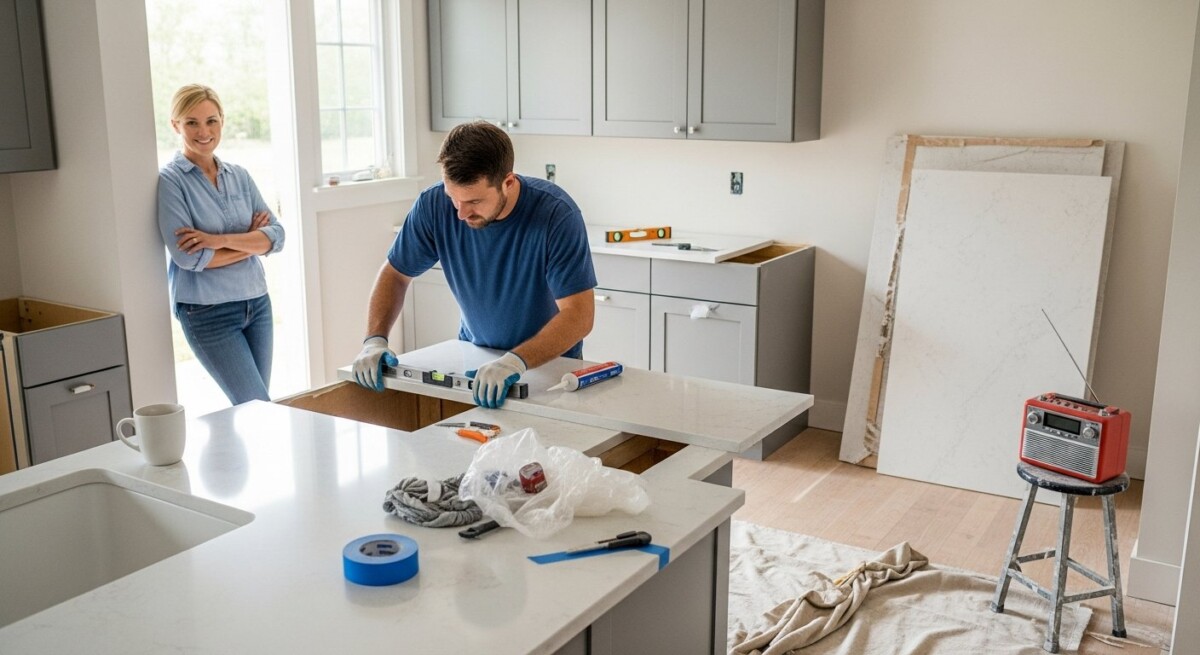
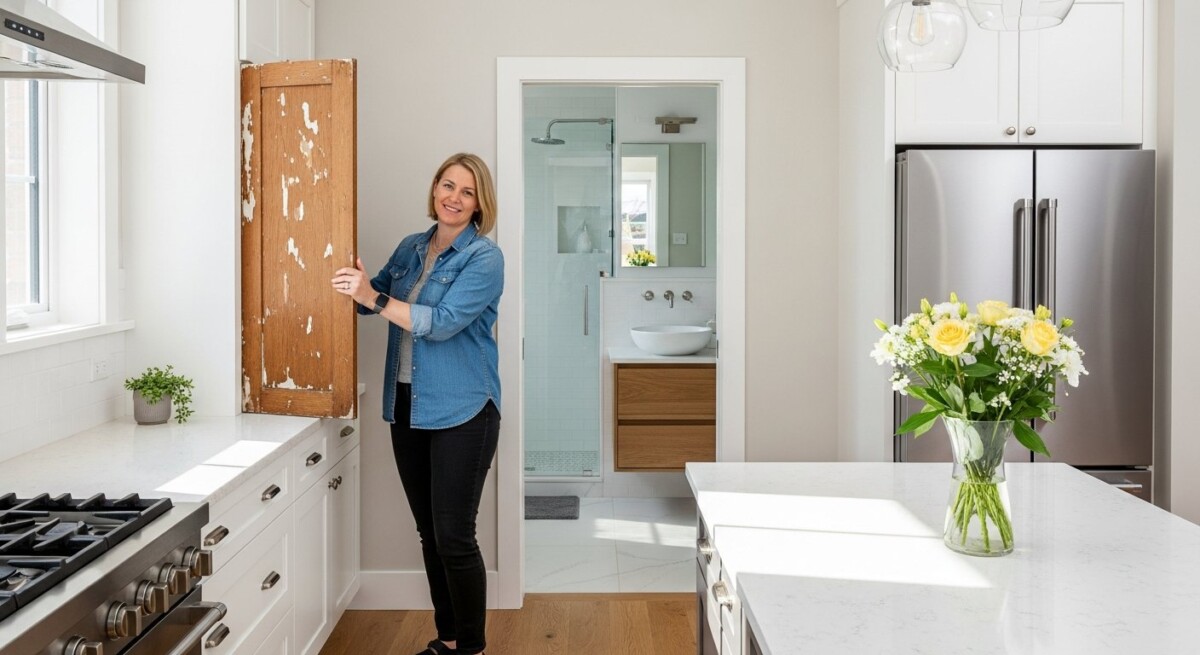
A full kitchen gut job can cost $60,000 or more and often recovers only 50-60% of that cost. A minor kitchen remodel, however, focuses on cosmetic updates that make the space feel fresh without moving walls or replacing cabinets entirely. Think new cabinet fronts, updated hardware, a modern backsplash, and energy-efficient appliances. This project typically recovers 75-85% of its cost and is one of the most reliable ways to answer “can remodeling improve resale value” with a definitive yes.
Buyers expect a functional, attractive kitchen. By keeping the layout intact and upgrading surfaces and fixtures, you create a modern look without the high price tag of a full renovation. At 180 Remodel, we recommend working with a contractor who specializes in kitchen updates to ensure the project stays within budget and on timeline.
2. Bathroom Renovation
A mid-range bathroom renovation offers a strong return, often around 65-75% ROI. Focus on replacing the vanity, updating lighting, installing a new toilet, and refreshing the tile surround. If your budget allows, adding a second bathroom or converting a half-bath to a full bath can yield even higher returns, sometimes exceeding 80%.
Bathrooms are a major selling point. A clean, modern bathroom signals to buyers that the home has been cared for. Simple upgrades like a frameless glass shower door or a dual-flush toilet can make a big impression without breaking the bank. For more details on specific upgrades, check out our bathroom remodeling FAQ to see what options fit your home and budget.
3. Window Replacement
Replacing old, drafty windows with energy-efficient models is a smart investment. Homeowners typically recoup 70-80% of the cost at resale, and the added benefit of lower utility bills makes the home more attractive to buyers. Vinyl-frame windows are the most cost-effective option, while fiberglass or wood-clad windows appeal to high-end buyers.
Energy efficiency is a growing priority for homebuyers. New windows reduce noise, improve comfort, and boost curb appeal. If your windows are more than 15 years old, this is one of the best projects to consider when evaluating “can remodeling improve resale value.” Our team can help you select the right windows for your climate and style preferences.
4. Roof Replacement
A new roof is not glamorous, but it is one of the most important investments you can make. A roof replacement recovers about 60-70% of its cost at sale, and it eliminates a major negotiating point for buyers. Many buyers are unwilling to purchase a home that needs a new roof within five years, so having a recently replaced roof can speed up your sale and increase your final offer.
Asphalt shingles are the most common and affordable choice, while metal roofing offers longevity and energy efficiency. If you are wondering “can remodeling improve resale value” through structural upgrades, a roof replacement is a strong candidate. We have written extensively on this topic in our article about roofing and energy efficiency to help you make an informed decision.
5. Garage Door Replacement
This is the highest ROI project you can do, often returning 95-100% of the cost. A new garage door instantly improves curb appeal and enhances security. Choose a steel door with a modern design and insulation for the best return. This is a relatively low-cost project that can make a significant difference in how buyers perceive your home.
Curb appeal is the first impression a buyer gets. If your garage door is dented, faded, or outdated, it can drag down the entire exterior aesthetic. Replacing it is a quick, affordable way to boost your home’s marketability.
Projects That Usually Don’t Pay Off at Sale
It is just as important to know which projects to avoid if your primary goal is resale value. High-end luxury upgrades, such as a professional-grade chef’s kitchen or a home theater with custom seating, rarely recoup their full cost. These projects appeal to a narrow buyer pool and often feel like personal indulgences rather than necessary improvements.
Similarly, adding a swimming pool can be a gamble. In warm climates, a pool may add value, but in cooler regions, it can actually hurt resale by narrowing your buyer pool and adding maintenance concerns. In-ground pools typically recover only 40-50% of their cost and can make a home harder to sell.
Over-personalization is another common mistake. Brightly colored walls, themed bedrooms, or overly unique tile patterns can turn off buyers who want a blank canvas. Stick to neutral tones and classic designs that appeal to the broadest audience. If you are still unsure, ask yourself: does this project make the home more functional or more visually appealing to the average buyer? If the answer is no, it may not improve resale value.
How to Maximize Your Remodeling ROI
Maximizing ROI requires more than just picking the right project. Execution matters. Here are key factors that influence whether a remodel will pay off:
- Quality of workmanship: Poorly installed fixtures or sloppy paint jobs can actually decrease value. Always hire licensed, insured contractors who can provide references.
- Material selection: Choose mid-range materials that offer durability and style. Avoid the cheapest options, but also avoid overbuilding for the neighborhood.
- Market alignment: Research what similar homes in your area are selling for. Do not over-improve beyond what the local market supports.
- Permits and codes: Unpermitted work can create headaches during a sale. Always pull the necessary permits and ensure work meets local building codes.
- Energy efficiency: Buyers are increasingly drawn to homes with lower utility costs. Energy Star appliances, LED lighting, and improved insulation add tangible value.
Following these guidelines helps ensure that your remodeling dollars are well spent. When you work with a professional contractor like 180 Remodel, you benefit from years of experience in selecting materials, managing budgets, and completing projects that align with buyer expectations. If you are focused on the question “can remodeling improve resale value,” partnering with the right team is one of the smartest moves you can make.
Another critical step is to keep thorough records of your renovations. Save receipts, contracts, and before-and-after photos. When you sell, provide these documents to your real estate agent to share with potential buyers. Documented upgrades build trust and justify a higher asking price.
Timing and Market Conditions Matter
The real estate market plays a huge role in determining whether a remodel pays off. In a seller’s market where inventory is low and demand is high, even minor upgrades can yield outsized returns because buyers are competing for any available home. In a buyer’s market, you may need to invest more heavily to make your home stand out.
Seasonality also matters. Kitchens and bathrooms are best tackled in late winter or early spring so they are ready for the peak spring selling season. Exterior projects like roofing and windows should be scheduled during mild weather to avoid delays. Planning your remodel timeline around the selling season can help you capture maximum value.
If you are planning to sell within two years, focus on projects with the highest ROI and avoid major structural changes. If you plan to stay in the home for five or more years, you have more flexibility to undertake larger projects that you can enjoy while still building equity over time.
Financing Your Remodel for Maximum Gain
How you pay for a remodel can also affect your net profit. Cash is always the simplest option, but many homeowners use home equity loans, HELOCs, or renovation loans. The key is to ensure that the projected increase in home value exceeds the total cost of the project, including financing costs.
For smaller projects like a garage door replacement or minor kitchen update, paying with savings or a credit card with a 0% introductory APR can work well. For larger projects like a roof replacement or window installation, a home equity loan may offer lower interest rates and tax-deductible interest in some cases.
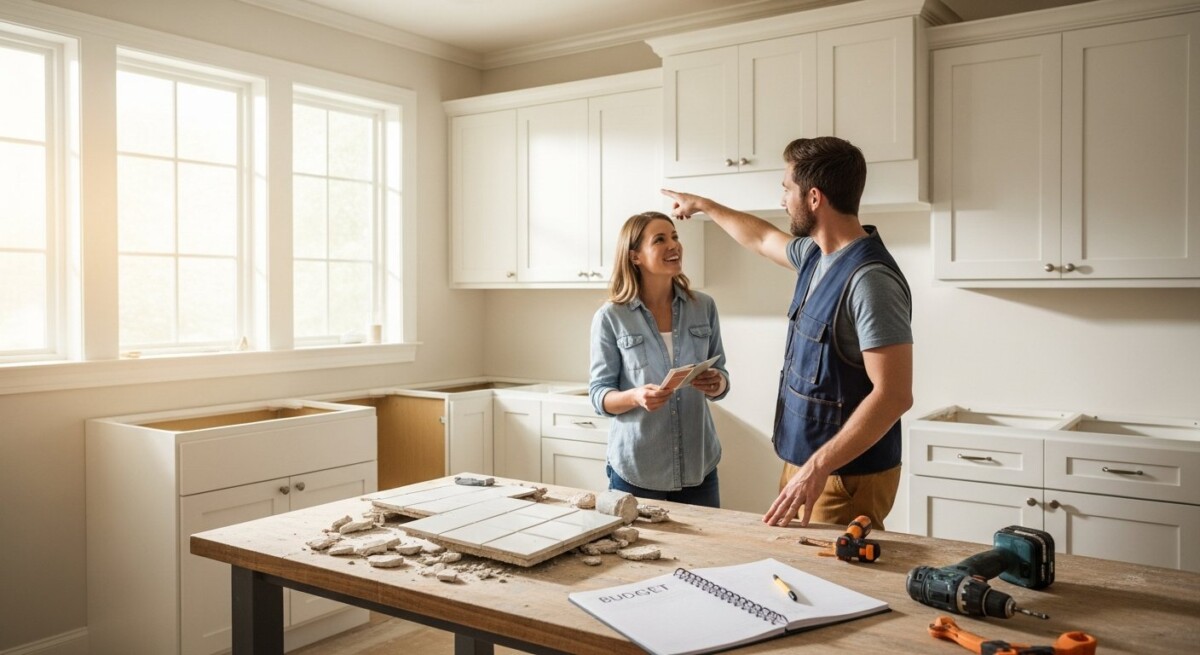
Before committing to any project, get multiple quotes from reputable contractors. Compare not just the price but the scope of work, materials included, and warranty offered. A slightly higher quote from a contractor with a strong reputation is often worth the peace of mind. At 180 Remodel, we provide transparent, competitive quotes and help you understand exactly what each project involves so you can make an informed decision.
Final Thoughts on Resale Value and Remodeling
So, can remodeling improve resale value? Absolutely, but only when you choose the right projects, execute them well, and align them with your local market. Focus on minor kitchen remodels, bathroom updates, window replacements, roof repairs, and garage door upgrades for the best returns. Avoid over-personalizing or over-improving for your neighborhood. And always work with experienced professionals who understand both construction and market trends.
Every home is different, and the best remodeling plan depends on your specific property, budget, and timeline. By taking a strategic approach and prioritizing projects that offer the highest ROI, you can increase your home’s value, attract more buyers, and walk away from the closing table with more money in your pocket. If you are ready to start planning your next remodel, reach out to the team at 180 Remodel for expert guidance and reliable service.

About Alex Carter
"*" indicates required fields