Energy Efficient Remodeling: Slash Bills and Boost Comfort
"*" indicates required fields
Most homeowners feel the sting of rising utility costs every month. They turn up the thermostat in winter and pray the AC keeps up in summer. But what if your home itself could do more of the work? Energy efficient remodeling transforms a house into a high-performance machine that uses less power, stays more comfortable, and saves you money every single month. This is not about a single upgrade. It is a strategic approach to your entire property. From the roof over your head to the foundation beneath your feet, every component can work together to reduce energy waste. The result is a home that feels better, costs less to operate, and increases in value. Let us walk through the most impactful changes you can make.
Why Energy Efficient Remodeling Matters Now More Than Ever
Energy prices have climbed steadily over the past decade. At the same time, climate patterns have become more extreme, pushing heating and cooling systems to their limits. An inefficient home does not just cost you money. It also puts unnecessary strain on the environment. By investing in energy efficient remodeling, you address both problems at once. You lower your monthly bills and reduce your carbon footprint. The federal government and many states offer tax credits and rebates for specific upgrades, which makes the financial case even stronger. According to the U.S. Department of Energy, the average household can save up to 30 percent on energy costs through targeted improvements. That is real money that stays in your pocket.
Beyond the financial and environmental benefits, there is a comfort factor. A properly insulated and sealed home has fewer drafts and more consistent temperatures from room to room. You eliminate those cold spots near windows and the stuffy upstairs bedrooms in summer. Energy efficient remodeling also improves indoor air quality by reducing moisture problems and the infiltration of outdoor pollutants. For homeowners planning to sell, these upgrades are a major selling point. Buyers increasingly look for homes with lower operating costs and modern, efficient systems.
Start With the Building Envelope: Insulation and Air Sealing
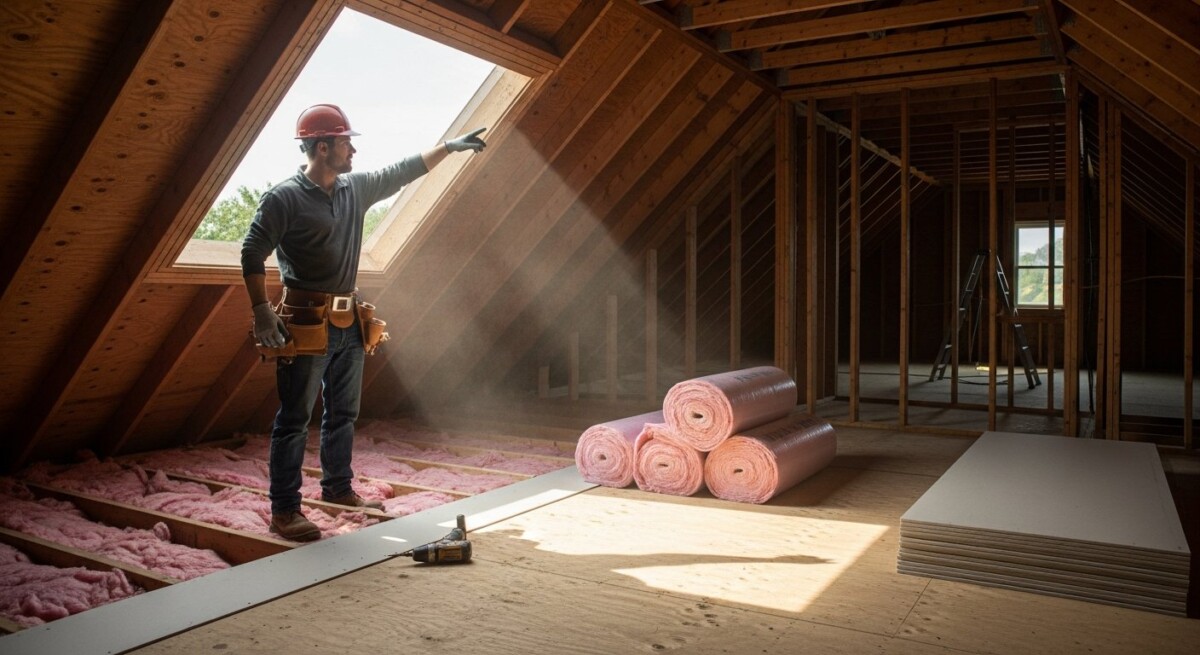
The building envelope is the physical barrier between your indoor living space and the outdoors. It includes the walls, roof, foundation, windows, and doors. If this envelope is leaky, all the energy you spend on heating and cooling literally goes out the window. The first step in any energy efficient remodeling project should be a thorough inspection of your attic, basement, and exterior walls. Many older homes have insufficient insulation, especially in the attic. Adding insulation is one of the most cost-effective improvements you can make. It pays for itself in energy savings within a few years.
Air sealing goes hand in hand with insulation. Gaps around pipes, ducts, electrical outlets, and light fixtures allow conditioned air to escape. A simple caulk or weatherstripping project can seal these leaks. For a more comprehensive approach, consider a blower door test performed by a professional. This test identifies all the hidden leaks in your home. Once sealed, your HVAC system does not have to work as hard to maintain a comfortable temperature. The combination of proper insulation and air sealing can reduce your heating and cooling costs by 10 to 20 percent annually.
Upgrade Your Windows and Doors
Windows and doors are often the weakest points in a home’s thermal barrier. Old single-pane windows or poorly sealed doors let heat escape in winter and enter in summer. Replacing them with energy-efficient models is a core component of energy efficient remodeling. Look for windows with double or triple panes, low-emissivity (low-E) glass coatings, and gas fills like argon or krypton between the panes. These features dramatically reduce heat transfer. The National Fenestration Rating Council (NFRC) provides ratings for U-value and solar heat gain coefficient. Aim for a U-value of 0.30 or lower for maximum efficiency in colder climates.
Doors also deserve attention. Steel or fiberglass doors with a polyurethane foam core offer excellent insulation. Check the weatherstripping around all exterior doors and replace it if it is cracked or compressed. Even a small gap can leak as much air as a wide-open window. When you combine window and door upgrades with your insulation work, the improvement in comfort is immediate. Your home will feel quieter too, because modern windows also block outside noise. For more information on how these upgrades fit into a larger strategy, read our guide on energy efficient remodeling.
Modernize Your HVAC System
Heating and cooling account for nearly half of a typical home’s energy use. An outdated furnace or air conditioner operates at much lower efficiency than modern equipment. If your system is more than 15 years old, replacement is a smart investment. Today’s high-efficiency furnaces achieve annual fuel utilization efficiency (AFUE) ratings of 90 percent or higher. That means 90 cents of every dollar you spend on fuel goes directly to heating your home. Older systems often operate at 60 to 70 percent efficiency. The same principle applies to air conditioners, which are rated by seasonal energy efficiency ratio (SEER). A modern unit with a SEER of 16 or higher uses significantly less electricity than one rated at SEER 10.
Beyond replacing the main equipment, consider a programmable or smart thermostat. These devices learn your schedule and adjust temperatures automatically. You can set the thermostat to lower the heat when you are asleep or away and warm things up just before you return. This simple change can save up to 10 percent on heating and cooling costs. Duct sealing is another critical step. Leaky ducts can lose 20 to 30 percent of conditioned air before it reaches your rooms. A professional can seal and insulate ducts in unconditioned spaces like attics and crawlspaces. Learn more about upgrading your heating and cooling in our article on energy efficient HVAC.
Invest in Energy-Efficient Roofing
Your roof does more than keep rain out. It plays a major role in your home’s overall energy performance. Dark asphalt shingles absorb sunlight and transfer heat into your attic, making your air conditioner work harder. Energy efficient remodeling includes choosing roofing materials that reflect more sunlight and emit heat more efficiently. Cool roofing options include metal roofs with reflective coatings, clay tiles, and specially formulated asphalt shingles with reflective granules. These products can lower your attic temperature by up to 30 degrees Fahrenheit on a hot day. That reduction directly translates to lower cooling costs.
Proper attic ventilation is equally important. Even the best roofing material cannot perform well if hot air is trapped in the attic. Ridge vents, soffit vents, and powered attic ventilators create airflow that pushes hot air out and pulls cooler air in. This reduces the load on your HVAC system and extends the life of your roof. When you combine cool roofing with adequate insulation and ventilation, you create a system that works efficiently year-round. For a deeper dive into this topic, check out our post on energy-efficient roofing systems.
Choose High-Efficiency Appliances and Lighting
Appliances and lighting account for a significant portion of household energy use. When you undertake energy efficient remodeling, it is the perfect time to replace old appliances with Energy Star certified models. Energy Star refrigerators, dishwashers, washing machines, and dryers use 10 to 50 percent less energy than standard models. The savings add up quickly, especially for appliances that run daily. For example, an Energy Star refrigerator saves about $300 in electricity over its lifetime compared to a non-certified model. Similarly, an Energy Star clothes washer uses about 25 percent less energy and 33 percent less water than a conventional washer.
Lighting is one of the easiest upgrades. Replace incandescent bulbs with LED bulbs. LEDs use up to 80 percent less energy and last 25 times longer. They also produce less heat, which helps reduce cooling loads in summer. Consider installing dimmer switches and motion sensors to further reduce waste. In kitchens and bathrooms, under-cabinet LED strips provide task lighting without the heat of halogen bulbs. These small changes compound over time, lowering your electricity bill and reducing the frequency of bulb replacements.
Harness Solar Energy
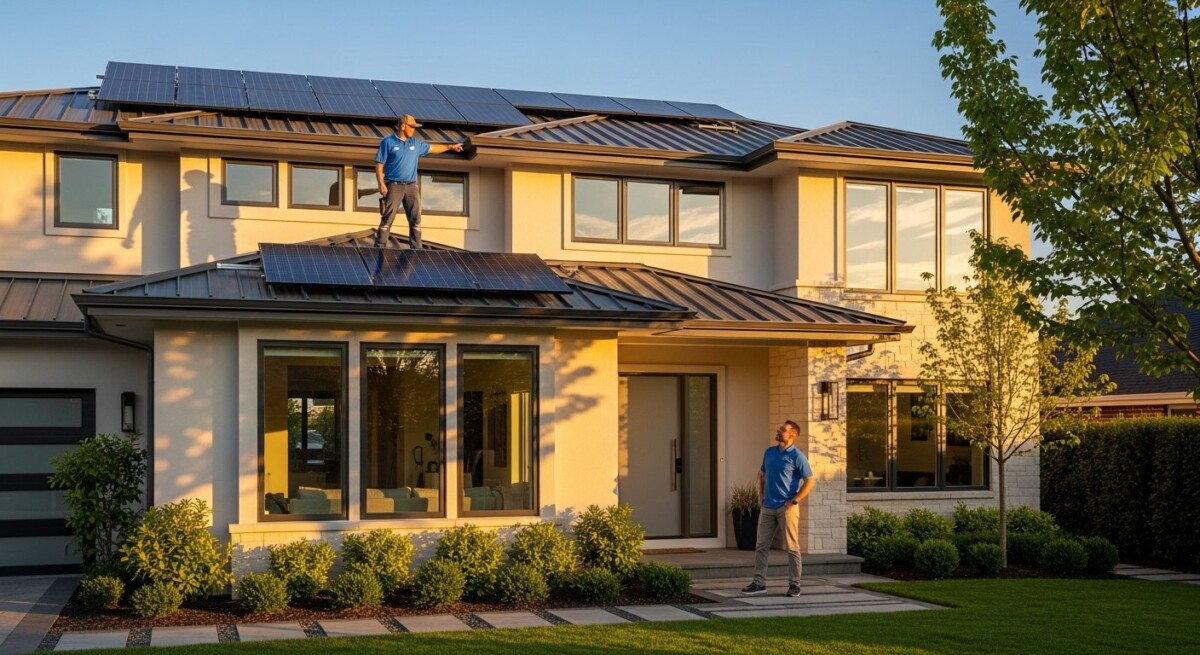
Solar panels represent the pinnacle of energy efficient remodeling for homeowners who want to generate their own electricity. While the upfront cost can be significant, federal tax credits and net metering policies make solar more accessible than ever. A typical residential solar system can cover 50 to 100 percent of a home’s electricity needs, depending on system size and local sun exposure. Over 20 to 25 years, the savings on electricity bills often exceed the initial installation cost. Many homeowners also see an increase in property value. A study by Zillow found that homes with solar panels sell for 4.1 percent more on average than comparable homes without them.
Solar water heaters are another option. They use the sun’s energy to preheat water before it enters your conventional water heater, reducing gas or electric usage by up to 50 percent. For homes with good sun exposure, a solar water heater pays for itself in 5 to 10 years. If a full solar installation is not in your budget right now, consider a smaller step like solar attic fans. These fans use photovoltaic panels to power ventilation, keeping your attic cooler without using grid electricity.
Water Conservation as Part of Energy Efficiency
Energy and water are closely linked. It takes energy to pump, treat, and heat water. Reducing water usage therefore saves energy too. Low-flow fixtures are a simple and effective part of energy efficient remodeling. Install faucet aerators, low-flow showerheads, and dual-flush toilets. These fixtures reduce water flow without sacrificing performance. A low-flow showerhead can cut water usage by 40 percent, which also reduces the energy needed to heat that water. Tankless water heaters are another excellent upgrade. They heat water on demand instead of maintaining a tank of hot water 24/7. This eliminates standby heat loss and can save 10 to 20 percent on water heating costs.
Consider a smart irrigation controller for your lawn and garden. These devices adjust watering schedules based on weather data and soil moisture levels. They prevent overwatering, which wastes both water and the energy used to pump it. Rain barrels and graywater systems capture rainwater or reuse water from sinks and showers for landscaping. These systems reduce demand on municipal water supplies and lower your utility bills.
Create a Phased Plan for Your Remodel
Energy efficient remodeling does not have to happen all at once. A phased approach allows you to spread costs over time and prioritize the improvements that offer the fastest payback. Start with an energy audit to identify the biggest weaknesses in your home. Many utility companies offer free or discounted audits. The audit will give you a prioritized list of improvements with estimated savings. Begin with air sealing and attic insulation. These are typically the most cost-effective upgrades. Next, address windows and doors. Then move to HVAC and appliances. Finally, consider solar or other renewable energy systems.
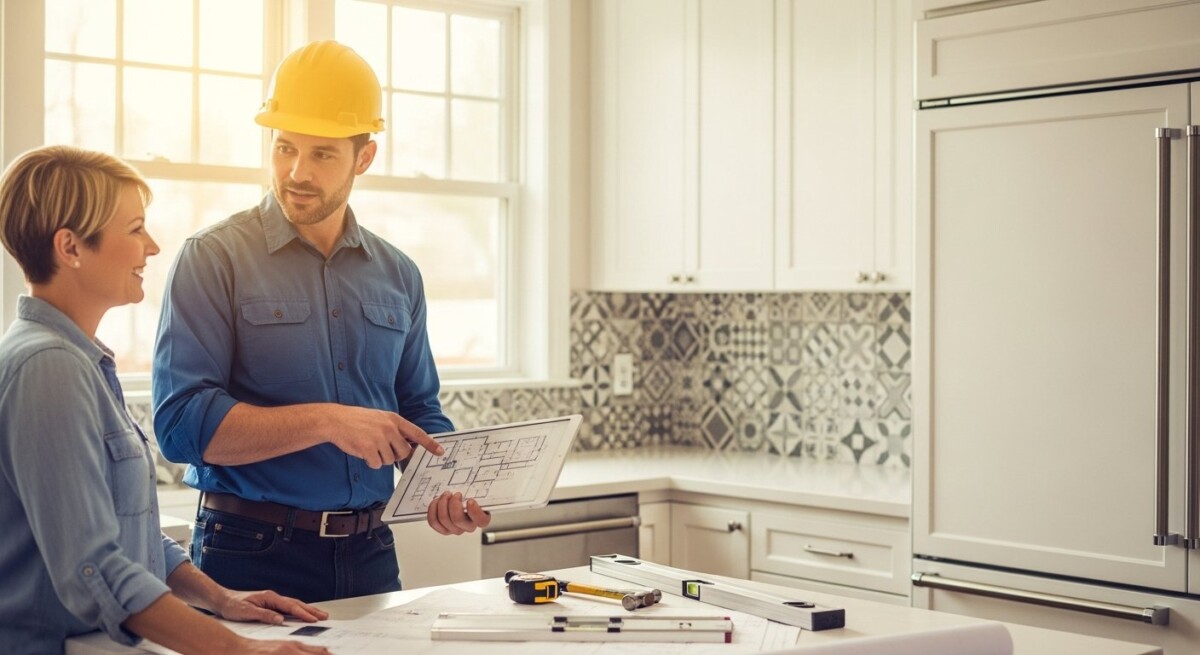
Keep in mind that some improvements qualify for tax credits or utility rebates. The Inflation Reduction Act expanded many of these incentives. For example, you can claim a credit of up to 30 percent for solar installations and up to $1,200 per year for certain home efficiency improvements. Check with a tax professional to ensure you capture all available benefits. Working with a qualified contractor can also help you navigate these incentives and ensure your upgrades meet program requirements.
Energy efficient remodeling is one of the smartest investments you can make in your home. It lowers your monthly bills, increases comfort, improves indoor air quality, and boosts property value. Whether you tackle one project at a time or go all in at once, every improvement moves you closer to a home that works with you, not against you. Start with an audit, set a budget, and begin transforming your home into a high-efficiency haven.

About Alex Carter
"*" indicates required fields