
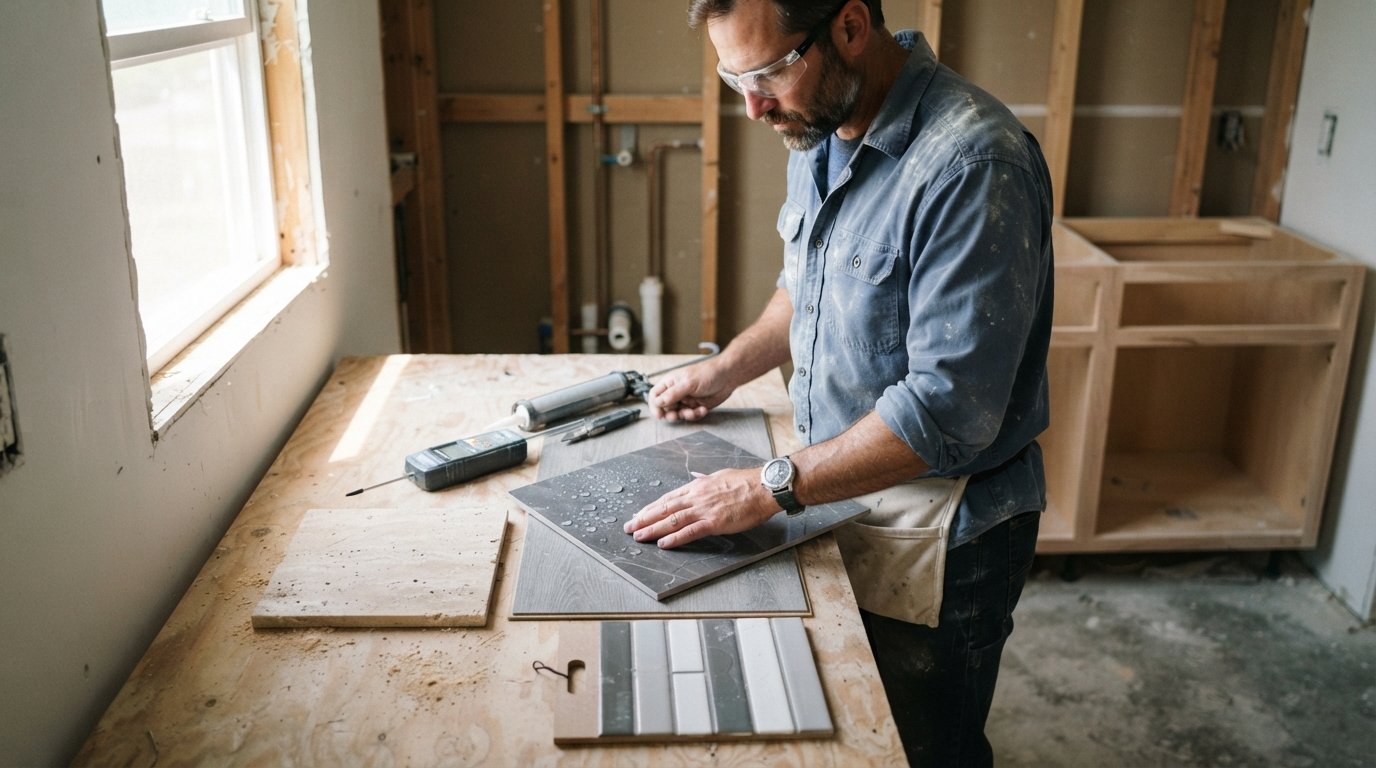
Bathroom Remodel Materials Durability Guide for 2026
Make your bathroom last with our durability guide. Call 8333658755 for vetted pros who install materials built to handle moisture and heavy daily use.

By Margaret Lowe
Learn more about Bathroom Remodel for guides, costs, and what to expect.
Compare Bathroom Remodel Pros Near You

Enter your ZIP code to compare top-rated local professionals and request free quotes.
A bathroom remodel is one of the most rewarding investments a homeowner can make, but the difference between a bathroom that looks stunning for two years and one that performs beautifully for twenty often comes down to one decision: material durability. Moisture, humidity, temperature swings, heavy foot traffic, and constant cleaning take a toll on every surface in the room. Choosing materials based on color and price alone is a recipe for cracked grout, peeling paint, warped vanities, and costly repairs down the road. This durability guide walks you through how to evaluate bathroom remodel materials by performance first, so your renovation holds up to real life, not just the showroom lighting.
Durability in a bathroom is not a single property. It is a combination of water resistance, scratch and stain resistance, structural stability, and ease of maintenance. A material can be tough but porous, or waterproof but prone to scratching. The goal is to match each material to the specific demands of its location: floors face standing water and traffic, shower walls face constant spray, and vanities face daily spills and cosmetics. Once you understand those demands, comparing materials becomes far more logical. If you are also thinking about the overall look and feel of your renovation, our guide on spa style bathroom remodeling for a relaxing retreat pairs well with this durability framework.
Why Durability Should Drive Your Material Choices
Bathrooms are the harshest interior environment in most homes. Relative humidity regularly climbs above 70 percent during showers, water splashes onto floors and walls, and cleaning products introduce acids, abrasives, and bleach. Materials that tolerate these conditions without swelling, staining, or degrading are the ones that protect your investment. When durability guides your choices, you spend less on replacements, fewer weekends on repairs, and more time enjoying a bathroom that still looks new years later.
Durability also protects resale value. Buyers and home inspectors notice failing caulk lines, cracked tiles, and swollen cabinet boxes. A bathroom built with moisture-rated materials signals quality construction and reduces the risk of expensive surprises during a sale. Perhaps most importantly, durable materials lower your long-term cost of ownership. A slightly higher upfront price for porcelain tile or a quartz countertop is often cheaper over ten years than replacing vinyl flooring twice or refinishing a water-damaged vanity.
There is also a safety dimension. Slippery, curling, or delaminating floors create trip and fall hazards, especially for older adults. Durable, properly rated materials maintain their surface integrity and grip, which matters in a room where water and hard surfaces coexist.
How to Evaluate Any Bathroom Material for Durability
Before you fall in love with a finish, run it through a consistent evaluation framework. This keeps comparisons fair and prevents emotional decisions from overriding practical ones. Ask the same questions of every candidate material, and score each one against the demands of its specific location in the bathroom.
- Water and moisture resistance: Is the material inherently waterproof, water-resistant, or porous? Does it need sealing, and how often?
- Wear and impact resistance: How well does it handle scratches, chips, heavy foot traffic, or dropped objects?
- Cleaning and chemical tolerance: Can it withstand routine bathroom cleaners without etching, fading, or discoloring?
- Stability and lifespan: Will it expand, warp, crack, or delaminate over time under heat and humidity?
- Maintenance burden: What ongoing care does it require, and what does that cost in time and money?
Apply this framework location by location. A material that scores well on a shower wall may fail on a floor because slip resistance and impact tolerance matter more underfoot. Similarly, a beautiful natural stone that performs fine on a low-splash vanity backsplash may be a poor choice inside a steam-heavy shower. Matching material strengths to location demands is the single most effective durability strategy in bathroom remodeling.
Flooring Materials: Where Durability Matters Most
Floors endure the most abuse of any bathroom surface. They absorb splashes, support traffic, and often sit above wood framing that hates moisture. Porcelain tile remains the gold standard for durability. It is dense, nearly non-porous, resistant to scratches and stains, and unaffected by water when properly installed over a waterproof membrane. Through-body porcelain, where the color runs through the entire tile rather than sitting on the surface, hides chips especially well.
Natural stone such as marble and travertine offers timeless beauty but demands more care. These materials are porous, require regular sealing, and can etch from acidic cleaners or cosmetics. They work well in low-traffic powder rooms but demand commitment in a busy family bathroom. Luxury vinyl plank and tile have improved dramatically and now offer excellent water resistance, comfort underfoot, and easy installation, though they can dent under heavy point loads and may not last as long as tile in a wet environment.
For safety, look for tiles with a wet coefficient of friction rating suitable for bathrooms, or choose smaller tiles with more grout lines for better grip. Heated floors add comfort and help surfaces dry faster, which reduces slip risk and moisture lingering in grout. Whatever you choose, the substrate and waterproofing beneath the floor matter as much as the visible surface, so insist on a proper membrane system.
Shower and Tub Surround Materials
Shower walls face direct, repeated water exposure, making waterproofing non-negotiable. Large-format porcelain slabs minimize grout lines, which are the most common failure point in tiled showers. Fewer joints mean less opportunity for mold, mildew, and leakage. Ceramic tile is a budget-friendly alternative with good water resistance, though it is softer than porcelain and more prone to chipping on impact.
Solid surface and acrylic surrounds offer seamless, non-porous surfaces that resist mold and are easy to clean. They are excellent choices for households that want low maintenance, though they can scratch and may look less premium than tile. Cultured marble falls into a similar category: affordable, water-resistant, and simple to maintain, but susceptible to scratching and yellowing over time with heavy use.
Natural stone in showers requires diligent sealing and ventilation to prevent staining and mineral buildup. If you love the stone look but want less maintenance, porcelain tile that mimics stone delivers similar visuals with far greater durability. Regardless of surface material, the waterproofing layer behind the walls (cement board, foam board, or a bonded membrane) determines whether the assembly survives decades of steam and spray.
Vanity Tops and Cabinetry
Vanity tops take a beating from toothpaste, cosmetics, hair tools, and hot styling irons. Quartz engineered stone is one of the most durable options: non-porous, scratch-resistant, and requiring no sealing. It handles stains and moisture extremely well, making it a reliable long-term choice. Granite is tough and heat-resistant but porous, so it needs periodic sealing. Porcelain slab countertops offer excellent stain and scratch resistance at a competitive price point.
Laminate countertops are budget-friendly and have improved, but they can delaminate at seams and edges if water penetrates. Solid surface materials like acrylic blends are repairable and non-porous but can scorch under high heat. For cabinetry, the critical factor is moisture resistance. Plywood boxes with moisture-resistant adhesives outperform particleboard, which swells irreversibly when wet. Thermofoil and laminate finishes resist humidity well, while painted wood requires careful sealing around sinks and edges.
Hardware and hinges also affect longevity. Corrosion-resistant finishes such as brushed nickel, chrome, and stainless steel hold up better in humid rooms than lower-quality plated finishes that flake over time. Soft-close hinges reduce wear and noise, adding years of smooth operation.
The Hidden Durability Factors Most Homeowners Miss
Visible materials get all the attention, but what is behind and beneath them often determines how long your remodel lasts. Waterproofing membranes, proper substrate preparation, ventilation, and quality installation are invisible and yet essential. A premium tile installed over a failed membrane will still leak. A beautiful vanity placed against a wall with no moisture barrier may still rot.
Ventilation is a durability multiplier. A properly sized exhaust fan that runs during and after showers pulls humid air out of the room, protecting paint, cabinetry, grout, and drywall. Timers or humidity-sensing switches make consistent ventilation effortless. Similarly, sealing all penetrations around shower valves, showerheads, and supply lines prevents slow leaks that quietly destroy framing.
Installation quality deserves equal weight to material selection. Even the best materials fail when installed with inadequate thinset coverage, missing fasteners, or rushed waterproofing. Hiring experienced, vetted professionals is one of the smartest durability decisions you can make. A platform like USremodel connects homeowners with independent contractors across the country for remodeling, renovation, and repair projects, which simplifies the process of finding qualified tradespeople for bathroom work.
Balancing Durability, Budget, and Style
Durability does not require unlimited spending. The smartest approach is to allocate your budget where performance matters most. Spend on waterproofing, plumbing rough-in, ventilation, and flooring. Save on decorative accents, towel bars, and secondary surfaces that do not face heavy water exposure. This strategy delivers a bathroom that performs like a high-end renovation without the premium price tag on every square inch.
Consider lifespan cost rather than sticker price. A material that lasts 25 years at a moderate price often beats a cheaper option that needs replacement in 8 years. Use this simple comparison when weighing options:
- Estimate the installed cost of each material option.
- Estimate its realistic lifespan in a bathroom environment with your household's usage.
- Divide cost by expected years of service to get an annual cost.
- Add maintenance costs such as sealing, refinishing, or replacement.
- Choose the option with the best combination of low annual cost and acceptable style.
Style still matters, and durable materials now come in nearly every aesthetic. Porcelain can mimic marble, quartz comes in dozens of patterns, and luxury vinyl offers realistic wood looks with water resistance. You rarely have to sacrifice design for performance anymore, which makes durability-first decision making even easier to justify.
Building a Material Plan You Will Not Regret
A durable bathroom starts with a written plan. List each surface (floor, shower walls, shower floor, vanity top, cabinetry, walls, ceiling) and assign a primary material plus a backup option. Note the waterproofing method, the maintenance schedule, and the expected lifespan for each. This document keeps contractors accountable and helps you compare bids fairly, since every quote should specify materials and installation methods.
Then vet your installer with the same rigor you applied to materials. Ask about waterproofing systems, experience with your chosen products, warranty terms, and references from similar bathrooms. Confirm that permits and inspections are handled properly, because code compliance protects both safety and durability. A well-built bathroom is a system, and every layer supports the next.
Finally, plan for maintenance from day one. Schedule grout sealing, caulk inspection, and ventilation checks. Small upkeep tasks prevent the large failures that shorten the life of even the best materials. When you treat durability as an ongoing practice rather than a one-time purchase, your bathroom remodel rewards you with years of reliable performance, lower repair bills, and a space that still feels fresh long after the last tile is set.