
Window Installation: What Homeowners Must Know
Discover the essential steps, costs, and contractor tips for a successful window installation that boosts energy efficiency and home value.

By Margaret Lowe
Learn more about Window Installation for guides, costs, and what to expect.
Compare Window Installation Pros Near You

Enter your ZIP code to compare top-rated local professionals and request free quotes.
Replacing your windows is one of the most impactful upgrades you can make to your home. It can transform the look of your property, reduce your energy bills, and significantly increase your comfort. However, the success of your project hinges on one critical factor: the quality of the window installation itself. Even the most expensive, energy-efficient window will fail to perform if it is not installed correctly. This guide will walk you through everything you need to know before you hire a contractor, ensuring you make informed decisions and achieve the best possible outcome for your investment.
Why Professional Window Installation Matters
You might be tempted to save money by installing windows yourself. While some aspects of home improvement are DIY-friendly, window installation is rarely one of them. A professional installation ensures that your new windows are properly sealed, leveled, and anchored. This prevents air and water leaks, which can lead to drafts, high energy bills, and even structural damage like wood rot and mold.
A professional contractor also has the expertise to handle unexpected issues that often arise during installation. For example, they might discover that the rough opening is not square, or that there is hidden water damage around the old frame. An experienced installer knows how to address these problems on the spot, avoiding costly delays and ensuring a flawless finish. Moreover, most window manufacturers require professional installation to validate their warranty. Attempting a DIY installation can void your warranty, leaving you unprotected if a defect appears later.
Steps in a Typical Window Installation Process
Understanding the installation process helps you know what to expect and allows you to ask your contractor the right questions. While specific steps can vary based on the window type and your home's construction, a standard replacement follows this general sequence:
- Measurement and Ordering: The contractor measures your existing window openings to order the correct size and style. Accurate measurements are crucial for a proper fit.
- Removal of Old Window: The old window sash and frame are carefully removed. The contractor will take care to protect your interior and exterior from debris.
- Preparation of the Opening: The rough opening is cleaned, inspected for damage, and repaired if necessary. This may involve replacing rotted wood or adding new flashing.
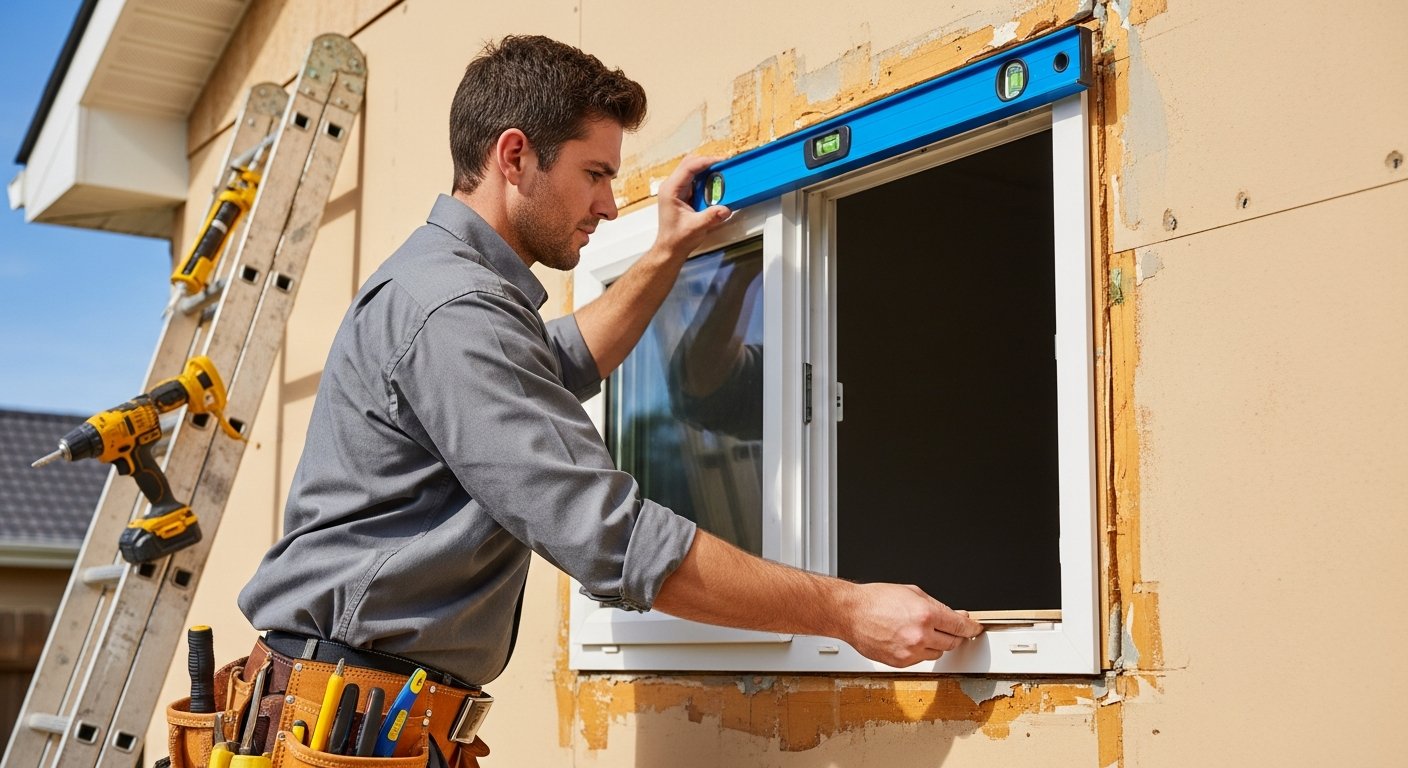
- Installation of the New Window: The new window is placed into the opening, leveled, and shimmed to ensure it is perfectly square. It is then secured with screws or nails through the frame.
- Insulation and Sealing: The gap between the window frame and the wall is filled with low-expansion foam insulation. This provides a tight seal and prevents air and moisture infiltration. The exterior is then sealed with caulk or flashing tape.
- Finishing Touches: The interior trim is reinstalled or replaced, and the exterior is finished to match your home's siding. The contractor will clean up the work area and dispose of the old window.
After the installation, you should inspect the work. Look for gaps, check that the window opens and closes smoothly, and ensure the caulk lines are clean. A reputable contractor will do a final walkthrough with you to ensure you are completely satisfied.
Signs Your Windows Need Replacement
Not every window issue requires a full replacement, but certain signs indicate it is time to start planning a project. Recognizing these signs early can save you money on energy bills and prevent more extensive damage to your home.
Here are the most common indicators that your windows are no longer performing as they should:
- Drafts and Cold Spots: If you feel a draft near a closed window, or if the area around it is noticeably colder in winter, the seal is likely compromised.
- Condensation Between Panes: Fog or moisture trapped between the glass panes indicates a broken seal. This reduces your window's insulating ability and can lead to mold.
- Difficulty Operating: Windows that stick, are hard to open, or won't stay open are a safety hazard and a sign of frame or hardware problems.
- Rising Energy Bills: If your heating and cooling costs are climbing without a change in usage, your windows may be letting conditioned air escape.
- Visible Damage: Cracked glass, rotting wood frames, or peeling paint on the exterior are obvious signs of deterioration.
If you notice any of these signs, it is wise to have a professional assess your windows. They can tell you whether a simple repair will suffice or if a full replacement is the more cost-effective long-term solution. Ignoring the problem often leads to more expensive repairs, such as fixing water damage to your walls or replacing an entire window frame.
Choosing the Right Windows for Your Home
Before the installation begins, you must choose the windows themselves. This decision involves more than just aesthetics; it affects your home's energy efficiency, maintenance requirements, and overall value. The two most important factors are the frame material and the glass type.
Frame Materials
Each frame material offers a different balance of cost, durability, and insulation. Consider your climate, budget, and maintenance preferences when making your choice.
- Vinyl: This is the most popular choice for its affordability, low maintenance, and good energy efficiency. It does not rot or warp and comes in a variety of colors, though they can fade over time.
- Wood: Wood frames offer a classic, timeless look and excellent insulation. However, they require regular painting or staining to protect them from moisture and insects.
- Aluminum: These frames are strong, lightweight, and very durable. They are a good choice for large windows, but they conduct heat and cold, making them less energy-efficient unless they have a thermal break.
- Fiberglass: This material is extremely durable, stable, and can be painted. It offers excellent energy efficiency and requires very little maintenance, but it is more expensive than vinyl.
Your contractor can help you weigh the pros and cons of each material in the context of your specific home and local climate. They can also show you samples to help you visualize the final look.
Glass Options
The glass is often called the heart of a window. Modern glazing technologies can dramatically improve your home's comfort and energy efficiency. Key options include:
- Double or Triple Pane: These windows use multiple layers of glass with an insulating gas (usually argon or krypton) in between. They significantly reduce heat transfer compared to single-pane windows.
- Low-E Coating: This microscopic, transparent coating reflects heat back into your home in winter and keeps it out in summer. It also blocks harmful UV rays that can fade your furniture and flooring.
- Impact-Resistant Glass: This is a wise choice for homeowners in hurricane-prone areas or regions with severe weather. It is laminated to resist shattering, providing both security and protection from flying debris.
It is important to discuss your lifestyle and needs with your contractor. For example, if you live on a busy street, you might want to consider acoustic glass to reduce noise. If you have large south-facing windows, a low-E coating is essential to manage solar heat gain.
How to Hire a Window Installation Contractor
Choosing the right contractor is just as important as choosing the right window. A skilled installer ensures your investment performs as expected and lasts for decades. Here is a step-by-step approach to vetting potential contractors:
- Get Multiple Quotes: Obtain at least three detailed quotes from different contractors. Compare not just the total price, but also the scope of work, the brands of windows offered, and the timeline.
- Verify Credentials: Ensure the contractor is licensed, bonded, and insured. This protects you from liability in case of accidents and guarantees a certain level of professionalism.
- Ask for References: A reputable contractor will gladly provide references from recent jobs. Contact these homeowners and ask about their experience, the quality of the installation, and whether the project stayed on budget.
- Check Reviews: Look for reviews on platforms like Google and the Better Business Bureau. Pay attention to recurring themes, both positive and negative, in the feedback.
- Understand the Warranty: Ask about the warranty on both the windows and the installation labor. A strong warranty gives you peace of mind and demonstrates the contractor's confidence in their work.
During the consultation, a good contractor will ask about your goals, budget, and concerns. They should be able to explain the different window options in plain language and help you find the best solution for your needs. Be wary of contractors who pressure you to make a quick decision or who offer a significantly lower price than others, as this can be a red flag for subpar materials or workmanship.
The Cost of Window Installation
Understanding the cost factors helps you budget effectively and avoid surprises. The total price of a window replacement project depends on several variables. The number of windows, the material, the glass type, and the complexity of the installation all play a role.
On average, homeowners can expect to pay between $400 and $1,200 per window for a full replacement, including installation. This range is broad, but it gives you a starting point. High-end windows with custom features or complex installations can cost even more. The labor cost is typically a significant portion of the total, often accounting for 20% to 30% of the price.
To get an accurate estimate, you should have a professional measure your windows and assess the condition of your home's framing. They will also factor in the cost of removing and disposing of your old windows. Ask for a detailed breakdown of the quote, including the cost of materials, labor, and any additional fees. This transparency helps you compare bids fairly and understand exactly what you are paying for. Remember that investing in a quality installation can save you money in the long run through lower energy bills and fewer repairs.
Energy Efficiency and Your New Windows
One of the most compelling reasons to replace old windows is the potential for significant energy savings. Old, single-pane windows are notorious for letting heat escape in the winter and enter in the summer. New energy-efficient windows can reduce your HVAC load, leading to a more comfortable home and lower utility bills.
Look for the ENERGY STAR label when choosing your new windows. This certification means the windows meet strict energy performance guidelines set by the U.S. Environmental Protection Agency. The label will show you the U-factor, which measures how well the window prevents heat from escaping, and the Solar Heat Gain Coefficient (SHGC), which measures how well it blocks heat from the sun. A lower U-factor is better for colder climates, while a lower SHGC is better for warmer climates.
Proper installation is essential to achieving these energy savings. A window that is not sealed correctly will have air leaks, defeating the purpose of the energy-efficient glass. Your contractor should use low-expansion foam and high-quality caulk to create an airtight and watertight seal. They should also ensure the window is properly flashed on the exterior to direct water away from your home's structure. When done right, a new window installation can reduce your energy consumption and make your home more comfortable year-round.
Preparing Your Home for Installation Day
Once you have selected your windows and hired your contractor, there are a few steps you can take to prepare for a smooth installation. Clear the area around your windows, both inside and outside. Move furniture away from the windows and remove window treatments like curtains, blinds, or shades. This gives the installers easy access and protects your belongings from dust and debris.
Outside, move vehicles, patio furniture, and plants away from the work area. This provides the crew with a clear path and prevents damage from falling debris. You should also ensure that the installer has access to a power source and a place to dispose of the old windows. Discuss the logistics with your contractor in advance, so there are no surprises on the day of the job.
Finally, let your installer know about any special considerations, such as the location of electrical wires or plumbing in the walls. A professional team will take all necessary precautions, but clear communication ensures the project is completed safely and efficiently.
Your Next Step
Investing in new windows is a significant decision that can enhance your home's beauty, comfort, and value. By understanding the installation process, choosing the right materials, and hiring a qualified professional, you can ensure a successful project that you will enjoy for many years. If you are ready to explore your options, 180 Remodel can connect you with experienced, vetted contractors in your area. Get a quick, customized quote today and take the first step toward a more comfortable and efficient home.
Learn more about Window Installation for guides, costs, and what to expect.
Compare Window Installation Pros Near You
Enter your ZIP code to compare top-rated local professionals and request free quotes.