
Roof Installation: 7 Steps to a Leak-Free Home
Learn the 7 essential steps to a successful roof installation, from choosing materials to selecting a contractor.

By Rachel Green
Learn more about Roof Installation or Replacement for guides, costs, and what to expect.
Compare Roof Installation or Replacement Pros Near You

Enter your ZIP code to compare top-rated local professionals and request free quotes.
Your roof is your home's first line of defense against the elements, yet it is often the most neglected part of the house. A new roof installation is a major investment, one that can protect your family, improve energy efficiency, and boost curb appeal. However, the process can seem daunting, with countless decisions about materials, contractors, and budgets. This guide breaks down the entire roof installation journey into clear, manageable steps, giving you the knowledge to navigate the project with confidence and avoid costly mistakes.
Assessing Your Roofing Needs
Before you even think about calling a contractor, you need to understand the condition of your current roof. A thorough inspection will reveal whether you need a full replacement or if a repair will suffice. Look for signs like missing or cracked shingles, granules in your gutters, daylight coming through the attic, or water stains on your ceilings. These are all indicators that your roof's lifespan is nearing its end.
Consider the age of your roof. Most asphalt shingle roofs last between 20 and 30 years, while metal and tile roofs can last 50 years or more. If your roof is approaching this age and showing multiple warning signs, a full roof installation is likely the more cost-effective long-term solution than repeated repairs. A professional inspection can provide a definitive answer, but your own observation is the first step in the process.
Choosing the Right Roofing Material
The material you choose for your roof installation will significantly impact your home's aesthetics, durability, and energy efficiency. Asphalt shingles are the most popular and affordable option, available in a range of colors and styles. Architectural shingles offer a more dimensional look and greater durability than standard 3-tab shingles.
For those seeking longevity and minimal maintenance, metal roofing is an excellent choice. It is fire-resistant, reflects heat to reduce cooling costs, and can withstand harsh weather conditions. Our guide on expert metal roof installation explains why this material is gaining popularity. Other options include clay or concrete tiles for a Mediterranean look, and slate for a premium, natural appearance. Each material has its own cost, lifespan, and installation requirements, so research carefully to align with your budget and style.
Selecting a Qualified Roofing Contractor
The success of your roof installation hinges on the skill of the crew, not just the quality of the materials. A poorly installed roof can fail prematurely, leading to leaks and expensive interior damage. Therefore, selecting a qualified contractor is arguably the most critical decision you will make. Start by asking for recommendations from friends, family, and neighbors, and then research local companies online.
When vetting contractors, always verify their licensing and insurance. A reputable contractor will carry workers' compensation and liability insurance to protect you from any accidents on your property. Ask for references and check them. A trustworthy contractor will gladly provide a list of past clients who can vouch for their workmanship. You should also get multiple written estimates to compare pricing and scope. Be wary of bids that are significantly higher or lower than the average, as they may indicate hidden costs or inferior materials.
To simplify this process, consider using a service that connects you with pre-screened professionals. Platforms like 180 Remodel can match you with vetted roofing contractors in your area, ensuring they meet quality and insurance standards. This saves you the time and effort of researching each company individually. You can get free, no-obligation quotes from multiple qualified pros and compare them side by side, making the decision process transparent and stress-free.
Understanding the Roof Installation Process
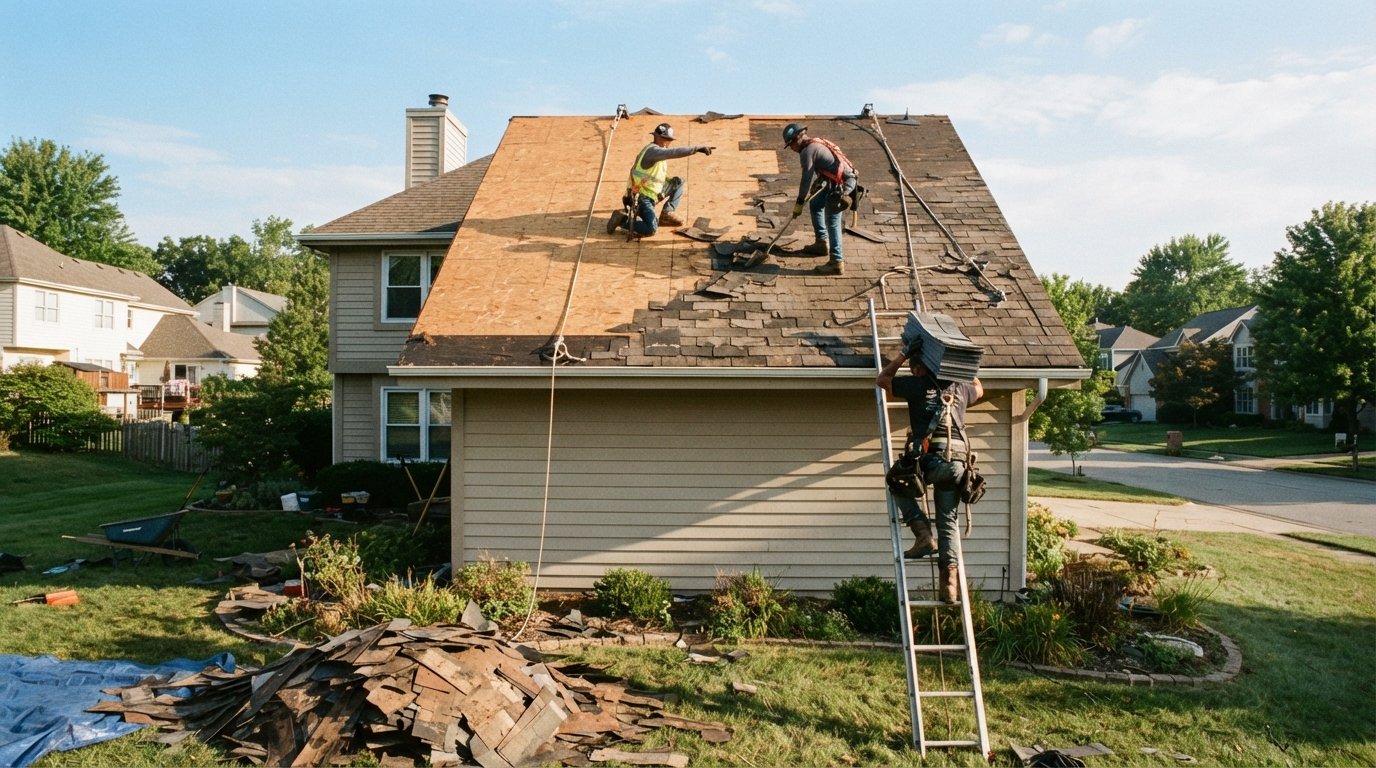
A complete roof installation is more than just nailing down new shingles. It is a multi-step process that ensures your home is properly protected. Here is what you can expect during the installation:
- Removal of the old roofing, including shingles, underlayment, and flashing.
- Inspection of the roof deck for rot or damage, with any necessary repairs made to ensure a solid base.
- Installation of new underlayment, an important moisture barrier that sits between the deck and the shingles.
- Installation of new flashing around chimneys, vents, and valleys to direct water away from these vulnerable areas.
- Laying of the new roofing material, starting from the bottom edge and working upward.
- Final cleanup of the job site, including magnetically sweeping for stray nails.
Throughout this process, a good contractor will keep you informed of progress and any unexpected issues. They will also take care to protect your landscaping and property. The entire project can take anywhere from one to three days, depending on the size and complexity of your roof. A detailed estimate should outline the timeline and procedures, so you know what to expect.
Budgeting for Your New Roof
The cost of a roof installation varies widely based on material, roof size, pitch, and labor rates in your region. Asphalt shingles are the most budget-friendly, while metal, tile, and slate are increasingly more expensive. On average, homeowners can expect to spend anywhere from $5,000 to $30,000 or more for a complete replacement. It is essential to get detailed, itemized quotes from multiple contractors to understand what is included in the price.
When budgeting, consider not just the installation cost but also potential additional expenses. If your roof deck has rot, it will need to be repaired, which adds to the total. Proper attic ventilation is also vital for extending your roof's lifespan and may require upgrades. These are common findings during installation, so set aside a contingency fund of 10 to 15 percent of the project cost to cover unexpected issues. Also, check with your insurance company about potential discounts for impact-resistant materials, which can offset the initial investment.
Roof Installation and Home Value
Beyond protecting your home, a new roof is a significant selling point. It is one of the top factors buyers consider when evaluating a property. A fresh, well-installed roof signals that the home has been well maintained, which can increase its market value and help you sell faster. Real estate experts often cite the return on investment for a new roof as one of the highest among home improvements.
If you are planning to sell in the near future, a roof installation can give you a competitive edge. Buyers are often willing to pay a premium for a home with a new roof, as it saves them from the immediate expense and hassle of a replacement. Even if you are staying put, a new roof enhances your home's curb appeal, making it a source of pride.
Post-Installation: Maintenance and Care
Once your new roof is in place, proper maintenance is key to maximizing its lifespan. Regular inspections, especially after severe storms, can help you catch small issues before they become major problems. Keep your gutters clean to prevent water backup, and trim overhanging branches to minimize debris and damage from falling limbs.
Most roofing materials come with a manufacturer's warranty, but you should also check that your contractor offers a workmanship warranty. This protects you against installation errors. Keep all paperwork in a safe place and follow any maintenance guidelines provided by the manufacturer. With proper care, your new roof can provide decades of reliable performance.
Ready to start your roofing project? A successful roof installation begins with finding the right professional. Explore flawless roof installation for your dream home through a service that connects you with vetted contractors in your area. With the right team, your new roof will be a sound investment that delivers peace of mind for years to come.
Learn more about Roof Installation or Replacement for guides, costs, and what to expect.
Compare Roof Installation or Replacement Pros Near You
Enter your ZIP code to compare top-rated local professionals and request free quotes.