
Cost Per Square Foot Remodeling: What Homeowners Need to Know
"*" indicates required fields
Imagine you are finally ready to update your outdated kitchen or finish that drafty basement. You start browsing online for ideas, and every article throws around the phrase “cost per square foot remodeling.” At first, it sounds like a simple math problem,just multiply the square footage by a number, and you have your budget. But when you start calling contractors, the prices you hear vary wildly. One quote says $150 per square foot, another says $300, and suddenly that simple number feels confusing and unreliable. If you do not understand what drives these costs, you risk either overpaying for a simple refresh or underestimating a major renovation that leaves your project half-finished. This article explains exactly what cost per square foot remodeling means, why it matters for your home, and how smart homeowners use this number to make confident decisions,without getting taken advantage of.
Understanding Cost Per Square Foot Remodeling
Cost per square foot remodeling is simply the total price of a renovation project divided by the total square footage of the area being remodeled. For example, if you spend $30,000 to remodel a 200-square-foot kitchen, your cost per square foot is $150. This metric gives you a rough benchmark to compare different projects or different contractor quotes, but it is not a fixed price tag. Many homeowners assume that if one contractor quotes $100 per square foot and another quotes $200, the first one is the better deal,but that is often a costly mistake.
The number varies dramatically based on what you are remodeling, the quality of materials you choose, the condition of your home, and your local labor market. A basic bathroom refresh with stock cabinets and laminate counters might run $100 per square foot, while a luxury master suite with custom tile work, high-end fixtures, and structural changes can exceed $400 per square foot. Older homes often have hidden issues like outdated wiring or asbestos that add unexpected costs. In our guide on cost per square foot remodeling, we explain how to distinguish between a realistic estimate and a bait-and-switch quote.
Which Homes Are Most Affected?
Homes built before 1980 frequently have higher per-square-foot costs because of aging infrastructure. Lead paint, galvanized pipes, or knob-and-tube wiring must be addressed before any cosmetic work begins. Similarly, homes with unique layouts, vaulted ceilings, or difficult access points (like a basement with no exterior entrance) will cost more per square foot because labor and materials are harder to bring in. The most predictable projects are typically standard, mid-century homes with straightforward floor plans,but even those can surprise you once walls are opened.
Why This Matters for Your Home
Ignoring the true cost per square foot remodeling can lead to serious consequences. If you budget based on a low national average without considering your specific home, you may run out of money mid-project. That means half-finished walls, no plumbing in a bathroom, or a kitchen without cabinets for months. Worse, some homeowners cut corners by hiring unlicensed handymen who charge a low per-square-foot rate but create safety hazards or code violations that cost thousands to fix later.
Beyond financial risk, there are safety and comfort issues. A cheap remodel might hide moisture problems behind new drywall, leading to mold growth and respiratory issues. Poorly installed flooring can warp or buckle, creating tripping hazards. And if you plan to sell your home in the future, a renovation done on the cheap can actually lower your property value instead of increasing it. Professional work that respects realistic cost per square foot remodeling protects your investment and your family’s well-being.
If you notice signs of this issue in your home, it may help to speak with a qualified contractor. Request a free quote or call to explore your repair or remodeling options.
Common Problems Homeowners Experience
Most homeowners first encounter cost per square foot remodeling when they try to compare online calculators with real-world quotes. They plug in their room size and get a number like $20,000, but then a contractor tells them the actual price is $35,000. This gap causes frustration and distrust. Often, the online calculator does not account for demolition, permit fees, or structural repairs that become obvious only after work begins.
Another common problem is “scope creep.” A homeowner plans a simple $150-per-square-foot kitchen refresh, but once the old cabinets are removed, they discover water-damaged subflooring or mold behind the walls. Suddenly, the per-square-foot cost jumps because the project now includes plumbing repairs and new subflooring. Without understanding that these surprises are normal, homeowners feel blindsided and may abandon the project entirely.
- Unexpected structural issues like rotting joists or termite damage found after demolition begins
- Inconsistent quotes that range by 50% or more, making it impossible to know which is fair
- Hidden costs for permits, dumpster rentals, or temporary housing during the remodel
- Low-quality materials that look good initially but fail within a few years
- Contractors who quote a low per-square-foot rate but add exclusions for essential work
- Delays caused by supply chain shortages that increase material costs mid-project
How Professionals Solve the Problem
Experienced contractors do not just give you a single per-square-foot number and hope it works out. They perform a detailed site inspection to identify potential issues before they become surprises. They also break down the estimate into line items,demolition, rough-in work, finishes, labor, and permits,so you can see exactly where your money goes. This transparency helps you make informed decisions about where to splurge and where to save.
Professional remodelers also know how to manage the unexpected. They build a contingency (usually 10,20% of the total budget) into their estimate so that when they find old knob-and-tube wiring or a hidden crack in the foundation, the project does not stop. They have relationships with suppliers to get better material pricing and reliable delivery timelines. Their process typically follows a proven sequence that minimizes disruptions to your daily life.
- Initial consultation and measurement , Contractor visits your home, takes precise measurements, and discusses your goals and budget.
- Detailed written estimate , You receive a line-item breakdown showing labor, materials, permits, and contingency.
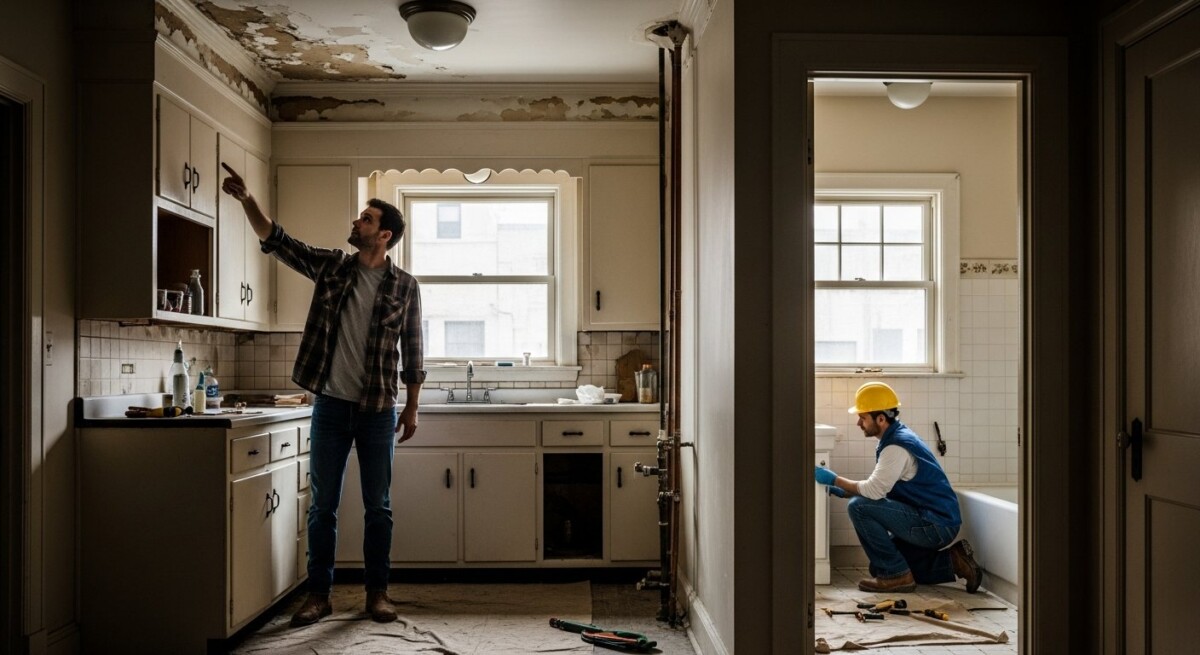
- Pre-construction walkthrough , Contractor identifies any visible issues (water stains, cracks, old wiring) and adjusts the plan.
- Demolition and rough-in , Old materials are removed, and structural, electrical, and plumbing work is completed.
- Inspections and corrections , Required city inspections ensure everything is up to code before walls are closed.
- Finishes and final walkthrough , Cabinets, flooring, paint, and fixtures are installed, and you inspect the completed work.
Professional work is safer and more reliable than DIY because licensed contractors carry insurance, follow building codes, and stand behind their work with warranties. If something goes wrong, you have recourse,unlike a friend-of-a-friend who disappeared after the check cleared.
A professional inspection can reveal hidden issues before they become expensive repairs. Compare contractor quotes here or call to discuss your project.
Warning Signs You Should Not Ignore
You do not need to be a construction expert to spot red flags that your remodel may cost more per square foot than expected. Pay attention during your initial walkthrough with contractors. If they rush through the inspection, skip measuring walls, or give you a quote over the phone without seeing the space, that is a warning sign. Accurate cost per square foot remodeling requires a physical visit because every home is different.
Also watch for contractors who refuse to put their estimate in writing or who pressure you to sign a contract immediately. A trustworthy professional will encourage you to take your time, compare multiple quotes, and ask questions. If a contractor says “just trust me, it’ll be fine,” get a second opinion. Early action,getting a detailed inspection before you commit,can prevent you from being stuck with a half-finished renovation or a bill that is double your budget.
- Cracks in walls or ceilings that suggest foundation movement or structural settling
- Water stains, musty odors, or soft spots on floors indicating hidden leaks or mold
- Outdated electrical panels or exposed wiring that may not support modern appliances
- Doors that stick or windows that are hard to open, signaling framing shifts
- Peeling paint or wallpaper that hints at moisture behind walls
- High energy bills that suggest poor insulation or drafty windows needing replacement
What Affects the Cost of Repairs or Installation
Several factors directly influence your cost per square foot remodeling. The size of the project is obvious,a 50-square-foot powder room costs less overall than a 300-square-foot master bath, but the per-square-foot rate may actually be higher for the small room because fixed costs like permits and mobilization are spread over fewer feet. Materials are another major driver: solid quartz countertops and custom cabinetry cost significantly more than laminate and stock cabinets.
Labor rates vary by region and by trade. In cities with high costs of living, you will pay more per square foot for skilled carpenters, plumbers, and electricians. Accessibility also matters,a basement remodel with no exterior door requires carrying materials through the house, which adds labor time and cost. Finally, the age of your home plays a huge role. A 1970s ranch may have asbestos tile or aluminum wiring that must be professionally abated, adding thousands to the total.
Costs can vary depending on the condition of your home. The best way to know the price is to get a personalized estimate. Request free quotes from contractors or call today.
How to Choose the Right Contractor
Selecting the right contractor is the single most important step in keeping your cost per square foot remodeling realistic and fair. Start by asking for recommendations from neighbors, friends, or local hardware stores. Then, interview at least three contractors and request itemized written estimates. Do not automatically choose the lowest bid,ask each contractor to explain why their number is different. Sometimes a higher bid includes better materials or a longer warranty.
Check that the contractor is licensed, insured, and bonded for your state and local area. A legitimate contractor will provide proof of insurance and references from recent projects. Call those references and ask about the contractor’s communication, timeline, and whether they stayed on budget. A good contractor is proud to share this information.
- Verify license and insurance with your state’s contractor licensing board
- Read online reviews on Google, Yelp, and the Better Business Bureau
- Ask for a detailed written estimate that lists materials, labor, permits, and timeline
- Compare at least three quotes to understand the market range for your project
- Confirm the contractor has experience with projects similar in size and complexity to yours
Long-Term Benefits of Professional Work
Investing in professional cost per square foot remodeling pays off for years. A properly executed renovation increases your home’s resale value,often by more than what you spent. Kitchens and bathrooms consistently return 60,80% of their cost at sale, and if you live in the home for several years, you enjoy the benefit of a space that functions perfectly for your family. Professional work also improves energy efficiency, lowering your monthly utility bills.
Safety is another long-term benefit. Licensed contractors ensure that wiring, plumbing, and structural changes meet modern building codes, reducing the risk of fires, floods, or collapses. And because professional work is durable, you will spend less on maintenance and repairs over time. A cheap DIY fix might last a year or two; a professional remodel can last 15,20 years with minimal upkeep. When you factor in the avoided headache and stress, the true value of professional work becomes clear.
What is a reasonable cost per square foot for a kitchen remodel?
For a standard mid-range kitchen remodel, most homeowners pay between $100 and $250 per square foot. This range covers new cabinets, countertops, flooring, and appliances, but excludes major structural changes. Luxury kitchens with custom cabinetry, stone countertops, and high-end appliances can exceed $400 per square foot. The best way to know your number is to get three itemized quotes from licensed contractors.
Does cost per square foot include materials and labor?
Yes, a true cost per square foot remodeling estimate includes all labor, materials, permits, and cleanup. However, some contractors quote a “base” rate that excludes demolition, disposal, or specialty items like custom tile. Always ask for a written breakdown so you know exactly what is included. A low base rate often means you will pay extra for essential work later.
Why do contractor quotes vary so much for the same project?
Quotes vary because contractors use different quality tiers for materials, different labor rates, and different assumptions about hidden issues. One contractor may include premium hardwood flooring while another budgets for laminate. Some contractors also add a higher contingency for older homes. The key is to compare apples to apples,ask each contractor to quote the same materials and scope of work.
Can I save money by doing some work myself?
You can save on labor by handling demolition, painting, or cleanup yourself, but be careful. Mistakes in structural, electrical, or plumbing work can be dangerous and expensive to fix. Many contractors will not warranty work that touches a homeowner’s DIY project. If you plan to DIY, discuss it with your contractor first so they can adjust their scope and liability accordingly.
How do I know if a quote is too high or too low?
Compare three quotes from licensed contractors. If one quote is 30% lower than the others, ask for a detailed explanation. It may omit important work or use cheap materials. If a quote is 30% higher, it may include premium materials or a longer warranty. Trust your gut,if a contractor seems evasive or unwilling to explain their numbers, move on to the next candidate.
Should I remodel before selling my home?
It depends on your local market and the condition of your home. Minor updates like fresh paint, new flooring, and updated fixtures often yield a high return on investment. Major remodels (like a full kitchen or bathroom) can be worthwhile if your home is otherwise outdated. Talk to a local real estate agent to see what buyers in your area expect and what they will pay extra for.
How long does a typical remodel take?
A small bathroom remodel usually takes 2,4 weeks. A full kitchen remodel averages 6,8 weeks. Larger projects like a basement finish or whole-home renovation can take 3,6 months. Delays happen due to material shortages, weather, or unexpected structural issues. A good contractor will give you a realistic timeline and communicate any changes promptly.
Do I need permits for my remodel?
Most structural, electrical, plumbing, and HVAC work requires permits from your local building department. Even cosmetic changes may need permits if you are moving walls or changing the footprint of a room. A licensed contractor will handle permits for you and schedule inspections. Skipping permits can lead to fines, forced removal of work, and problems when you sell your home.
Understanding cost per square foot remodeling gives you the power to budget wisely, avoid surprises, and choose the right contractor for your project. The number is just a starting point,what really matters is getting detailed, written estimates from qualified professionals who inspect your home and explain their pricing. Do not let confusion or fear of high costs keep you from improving your home. Start by comparing contractor quotes today, and take the first step toward a successful renovation that adds comfort, safety, and value to your home.

About Alex Carter
"*" indicates required fields