Partial Remodel vs Full Renovation: A Homeowner’s Guide
"*" indicates required fields
You love your home, but the kitchen cabinets are falling apart, and the bathroom feels like a time capsule from the 90s. You know you need a change, but the big question looms: should you update just the problem areas or take on the entire space? This dilemma between a partial remodel and a full renovation is one of the most common,and costly,decisions homeowners face. Choosing the wrong path can lead to budget blowouts, mismatched styles, and even bigger problems down the road. Understanding the key differences is the first step to protecting your investment and creating the home you truly want.
Understanding Partial Remodel vs Full Renovation
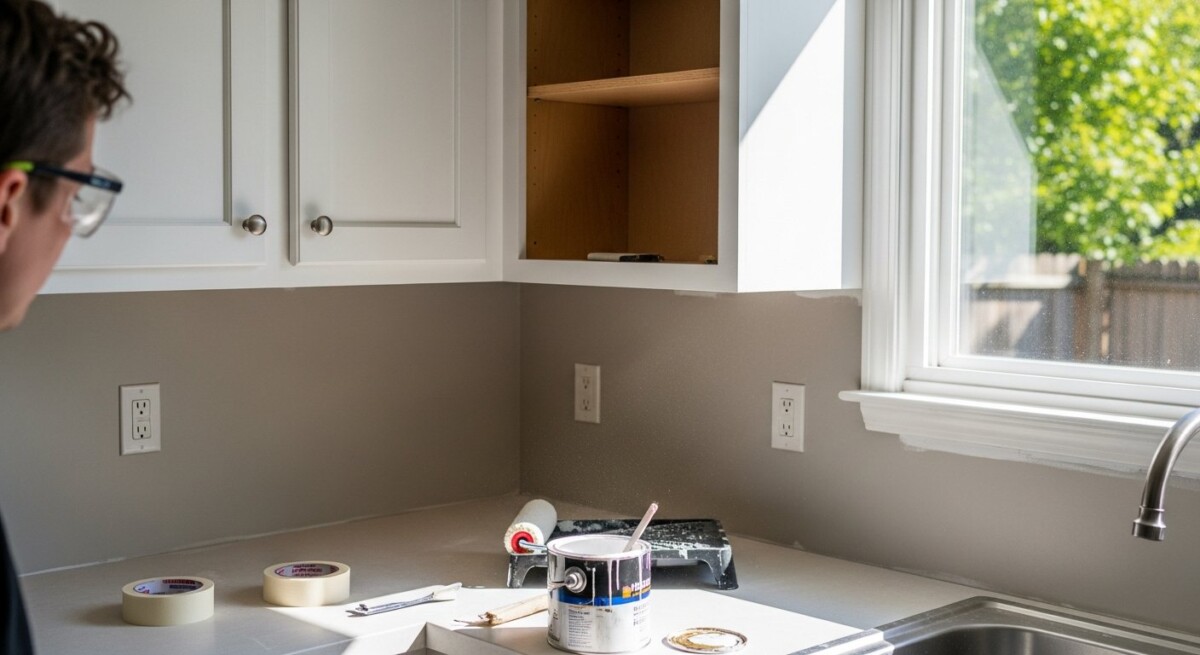
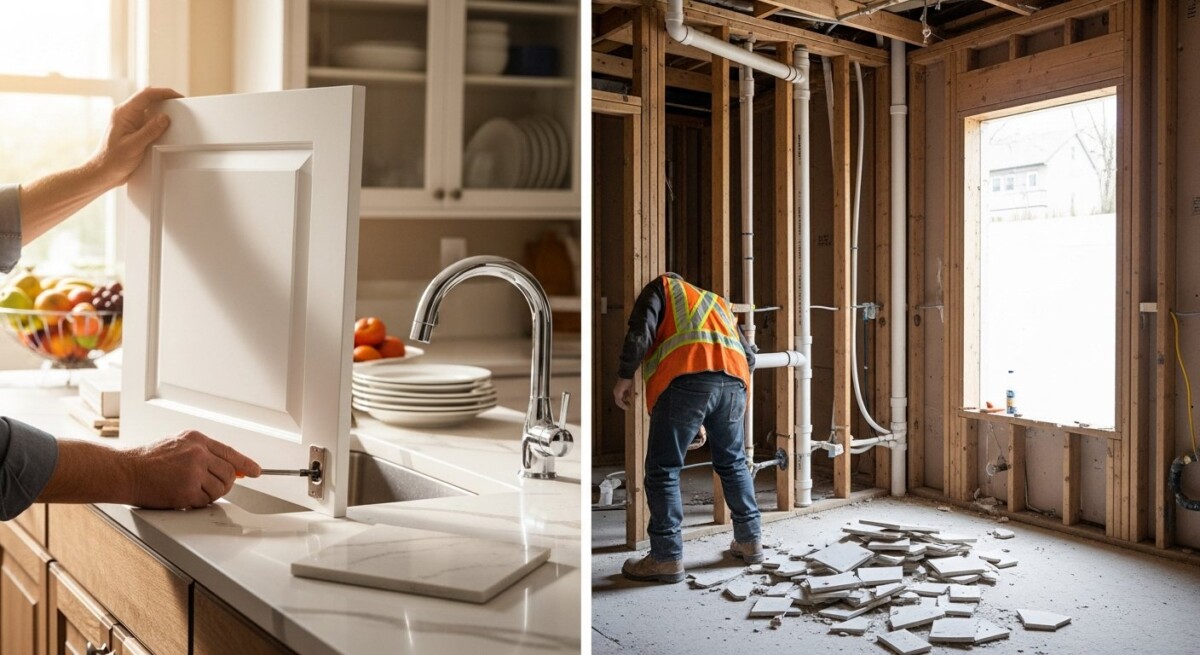
Let’s break down these two approaches in simple terms. A partial remodel focuses on updating specific, contained areas of your home without changing its fundamental layout or systems. Think of it as a targeted refresh. A full renovation, however, is a more comprehensive transformation that often involves altering the structure, moving walls, and updating major systems like electrical and plumbing.
The core difference lies in scope and depth. A remodel might replace surfaces and fixtures, while a renovation reimagines the space itself. This isn’t just about aesthetics; it’s about what lies behind your walls and under your floors. The right choice for your home depends on your goals, your home’s condition, and your long-term plans.
Which Approach Is Right for Your Situation?
Homes most affected by this decision are often older properties with outdated layouts or a mix of newer and older rooms. If your home has good “bones”,a solid structure and functional layout,a partial remodel might be perfect. But if you’re dealing with persistent issues, an awkward floor plan, or aging infrastructure, a full renovation could be the smarter, long-term solution.
Why This Matters for Your Home
Getting this decision wrong isn’t just about wasting money on a style you’ll tire of. It can directly impact your home’s safety, functionality, and market value. A poorly planned partial remodel might cover up serious issues like faulty wiring or water damage, allowing them to worsen unseen. Conversely, a full renovation when only a refresh is needed can be a massive financial overreach.
Ignoring the underlying needs of your home can lead to escalating costs. What starts as a simple cabinet replacement can uncover rotted subfloors from an old leak, suddenly turning a cosmetic project into a structural one. Professional contractors are trained to spot these red flags early, helping you make an informed choice that protects your property and your wallet.
If you notice signs of this issue in your home, it may help to speak with a qualified contractor. Request a free quote or call to explore your repair or remodeling options.
Common Problems Homeowners Experience
Many homeowners start with a partial remodel only to find themselves in a domino effect of unexpected projects. You update the bathroom vanity, but then the old flooring looks shabby next to it. You install beautiful new kitchen counters, but the outdated appliances now stick out like a sore thumb. This is known as the “remodeling ripple effect,” and it’s a primary driver of budget overruns.
These problems often appear because homes age as a system. When one major component is decades old, it’s likely others nearby are too. A professional can help you see the full picture, preventing you from making expensive, piecemeal updates that don’t solve the core problem. Common issues that complicate the partial vs. full decision include:
- Mismatched aesthetics: New finishes clash with old, untouched areas, creating a disjointed feel.
- Hidden structural damage: Opening up a wall for a simple update reveals rot, mold, or outdated framing.
- Outdated infrastructure: Old plumbing or electrical systems can’t support new fixtures or layouts, requiring full replacement.
- Inefficient layouts: A partial update does nothing to improve a poorly designed kitchen workflow or a bathroom lacking storage.
- Failing to meet code: Any significant change may require bringing the entire room or system up to current building codes.
- Decreased return on investment (ROI): A high-end partial remodel in a home with other obvious flaws may not increase value as expected.
How Professionals Solve the Problem
An experienced contractor doesn’t just execute your chosen plan; they help you form the right plan from the start. They bring a critical eye to your home’s overall condition, assessing what’s visible and what likely lies beneath the surface. Their expertise turns the overwhelming choice between partial and full into a clear, data-driven decision based on your home’s actual needs.
Professionals follow a process that minimizes surprises and maximizes value. This systematic approach is why their work is more reliable and durable than DIY attempts, which often address symptoms rather than root causes. A typical professional assessment and planning process includes:
- Comprehensive Inspection: Evaluating the area’s structure, systems (electrical, plumbing, HVAC), and moisture levels.
- Need vs. Want Analysis: Distinguishing between cosmetic desires and essential repairs for safety and longevity.
- Layout and Flow Assessment: Determining if the existing space’s footprint supports your functional goals.
- Code and Permit Review: Identifying what work legally requires permits and must meet current standards.
- Phasing Recommendation: Advising on whether to do everything at once or in logical, affordable stages.
A professional inspection can reveal hidden issues before they become expensive repairs. Compare contractor quotes here or call to discuss your project.
Warning Signs You Should Not Ignore
Your home often gives you clues about whether a simple update will suffice or if a deeper intervention is needed. Paying attention to these signs can save you from pouring money into a partial remodel that’s destined to fail because it doesn’t address core problems. Early action is always less disruptive and more affordable than emergency repairs later.
Some signs suggest that underlying issues are present, making a full renovation a more prudent choice. If you notice multiple warning signs in one area, it’s a strong indicator that a surface-level fix won’t be enough. Key warning signs include:
- Multiple layers of flooring or wall coverings, suggesting past quick fixes.
- Persistent moisture issues, musty smells, or visible water stains.
- Frequent electrical problems like tripping breakers or outlets that don’t work.
- Significant cracks in walls, floors, or ceilings, especially near doorways.
- Doors or windows that stick or won’t close properly, indicating shifting.
- A general feeling that the space no longer functions for your modern lifestyle.
What Affects the Cost of Repairs or Installation
The cost difference between a partial remodel and a full renovation is significant, but it’s not just about square footage. Several factors influence the final price, and understanding them helps you budget realistically. A partial remodel might seem cheaper upfront, but if it’s the wrong solution, it can lead to higher costs when you inevitably need to redo the work.
Key cost drivers include the age of your home, the accessibility of the work area, and the quality of materials you select. Labor often constitutes a large portion of a renovation budget, especially when skilled trades like plumbers and electricians are involved for system overhauls. Getting detailed estimates that break down these factors is crucial for an accurate comparison.
Costs can vary depending on the condition of your home. The best way to know the price is to get a personalized estimate. Request free quotes from contractors or call today.
How to Choose the Right Contractor
Selecting the right professional is perhaps the most important step in your remodeling journey. A trustworthy contractor will be your guide, helping you navigate the partial vs. full decision with honesty and expertise. They should listen to your goals and budget, not just push for the most expensive option.
Look for a contractor who communicates clearly, provides detailed written estimates, and has a proven track record with projects similar to what you’re considering. Don’t hesitate to ask for references and to see examples of both partial remodels and full renovations they’ve completed. Practical tips for your selection process include:
- Verify they are licensed, insured, and bonded for your protection.
- Read recent customer reviews and ask for references you can call.
- Request a detailed, written estimate that outlines scope, materials, labor, and timeline.
- Compare at least three quotes to understand market rates and approaches.
- Ensure their experience aligns with your project type, whether it’s a cosmetic refresh or a gut renovation.
Long-Term Benefits of Professional Work
Investing in the right solution, executed by a professional, pays dividends for years to come. Beyond the immediate beauty of your new space, you gain peace of mind knowing the work was done safely and to code. This protects your family and your largest financial asset,your home.
Quality workmanship improves your daily life through better functionality and energy efficiency. It also builds lasting value, ensuring that your investment enhances your home’s market appeal should you ever decide to sell. The durability of professional-grade materials and installation means you’ll enjoy your updated space for longer with fewer maintenance headaches.
How do I know if I need a partial remodel or a full renovation?
Start by defining your goals and budget. If you’re happy with the layout and the core systems (plumbing, electrical) are sound, a partial remodel may suffice. If you need to change the flow, fix persistent problems, or update aging infrastructure, a full renovation is likely necessary. A contractor’s assessment is the best way to know for sure.
Is a partial remodel cheaper than a full renovation?
Initially, yes, a partial remodel is almost always less expensive because it involves less labor, fewer materials, and minimal changes to systems. However, if a partial remodel is a temporary fix for a space that needs a full overhaul, you may spend more in the long run by doing the work twice.
Can I do a partial remodel now and a full renovation later?
This is possible with careful planning, known as phasing. Discuss this strategy with your contractor upfront. They can help you choose materials and make design decisions now that won’t need to be torn out later, saving you money and waste in the future.
Will a partial remodel increase my home’s value?
It can, especially in key areas like kitchens and bathrooms. However, the return on investment is highest when the update aligns with the overall quality and style of the rest of the home. An overly fancy partial remodel in an otherwise dated house may not yield the full value.
What permits are required for each type of project?
Permit requirements vary by location, but generally, full renovations that involve structural changes, electrical, or plumbing work require permits. Many partial remodels (like painting, flooring, or cabinet replacement) do not. Your contractor should handle all permitting to ensure the work is legal and inspected.
How long does a full renovation take compared to a partial remodel?
A partial remodel of a single room, like a bathroom, may take 2-4 weeks. A full renovation of the same space, involving layout changes and system updates, can take 6-10 weeks or more. Timelines depend on complexity, material availability, and unforeseen conditions discovered during demolition.
Can I live in my home during a full renovation?
It depends on the scale. For a single-room renovation (like a kitchen), you can often stay with careful planning, though you’ll face major disruptions. For whole-house renovations, temporary relocation is often recommended for safety, sanity, and to allow the contractors to work efficiently.
The choice between a partial remodel and a full renovation is a significant one that affects your home’s comfort, safety, and value. By understanding the differences, recognizing the warning signs, and seeking professional guidance, you can make a confident decision that aligns with your needs and budget. Don’t let uncertainty lead to costly mistakes,taking the first step to explore your options with a qualified contractor is the smartest move you can make for your home’s future.

About Alex Carter
"*" indicates required fields