How Long Home Renovation Takes: A Realistic Timeline for Homeowners
"*" indicates required fields
You’ve finally decided to update your kitchen, finish the basement, or give the whole house a fresh look. But then the question hits: how long home renovation takes? Maybe you need the project done before the holidays, or you’re already frustrated with delays. You start searching online, hoping to find a clear answer,only to get lost in conflicting advice. The truth is, renovation timelines vary widely, and guessing wrong can leave your family living in a construction zone for months longer than expected. That’s why understanding realistic schedules upfront helps you plan better, reduce stress, and avoid costly surprises.
Understanding How Long Home Renovation Takes
Home renovation timelines depend on the scope of work, the condition of your home, and the availability of materials and labor. A small bathroom remodel might take 3 to 6 weeks, while a full kitchen renovation can stretch 8 to 12 weeks. Whole-house renovations often take 4 to 6 months,or longer if structural changes are involved.
Permits, inspections, and supply chain delays can add weeks to any project. Homes built before 1980 may require extra time for addressing outdated wiring, plumbing, or asbestos. Even a straightforward project can slow down if unexpected issues surface once walls are opened.
What Really Drives the Timeline
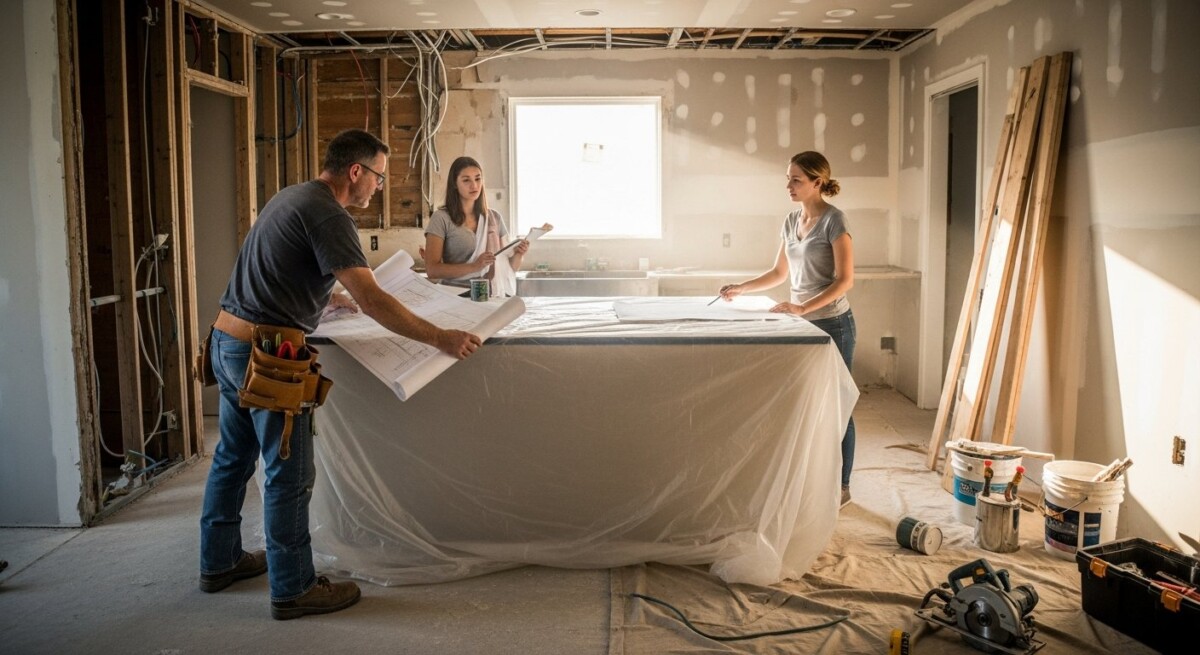
Planning and design typically take 2 to 4 weeks before construction begins. Demolition, rough-in work (electrical, plumbing, HVAC), and finishing each have their own schedules. The more custom features you choose,like imported tile or custom cabinetry,the longer lead times you’ll face. In our guide on what luxury home renovation involves, we explain how high-end materials often require extra planning.
Why This Matters for Your Home
An unrealistic timeline can strain your budget and your patience. If you move back in too soon, unfinished work may cause safety hazards or damage to new materials. Delaying repairs during a renovation,like ignoring a small leak,can lead to mold, rot, or structural issues that double your costs.
Many homeowners underestimate how long permits take. Some cities require 4 to 8 weeks just for approval. Starting work without permits can result in fines, forced removal of completed work, and problems when you sell your home. A realistic schedule protects your investment and keeps your family safe.
If you notice signs of this issue in your home, it may help to speak with a qualified contractor. Request a free quote or call to explore your repair or remodeling options.
Common Problems Homeowners Experience
One of the biggest frustrations is discovering that the actual timeline is much longer than expected. Homeowners often hear “4 weeks” and end up waiting 10 weeks because of material backorders or contractor scheduling conflicts. Without a detailed timeline, you can’t hold anyone accountable.
Another common issue is scope creep,adding extra tasks mid-project without adjusting the schedule. Suddenly, replacing a light fixture turns into rewiring the whole room. Each change adds days or weeks. Understanding home renovation Denver Colorado timelines can help you see how location and local labor availability affect schedules.
- Unexpected structural problems behind walls (rot, termites, outdated wiring)
- Delays in permit approvals or inspections
- Backordered materials (cabinets, windows, flooring)
- Contractor availability gaps (especially during peak season)
- Change orders that expand the original scope
- Weather delays for exterior work
How Professionals Solve the Problem
Experienced contractors build realistic timelines by factoring in permits, material lead times, and buffer periods for surprises. They start with a detailed scope of work and a written schedule that includes milestones. This transparency helps you plan your life around the renovation.
- Initial consultation and assessment: The contractor inspects the space, discusses your goals, and identifies potential issues.
- Detailed quote and timeline: You receive a written estimate with a start date, key milestones, and estimated completion.
- Permitting and ordering: The contractor handles permit applications and orders long-lead materials before demolition begins.
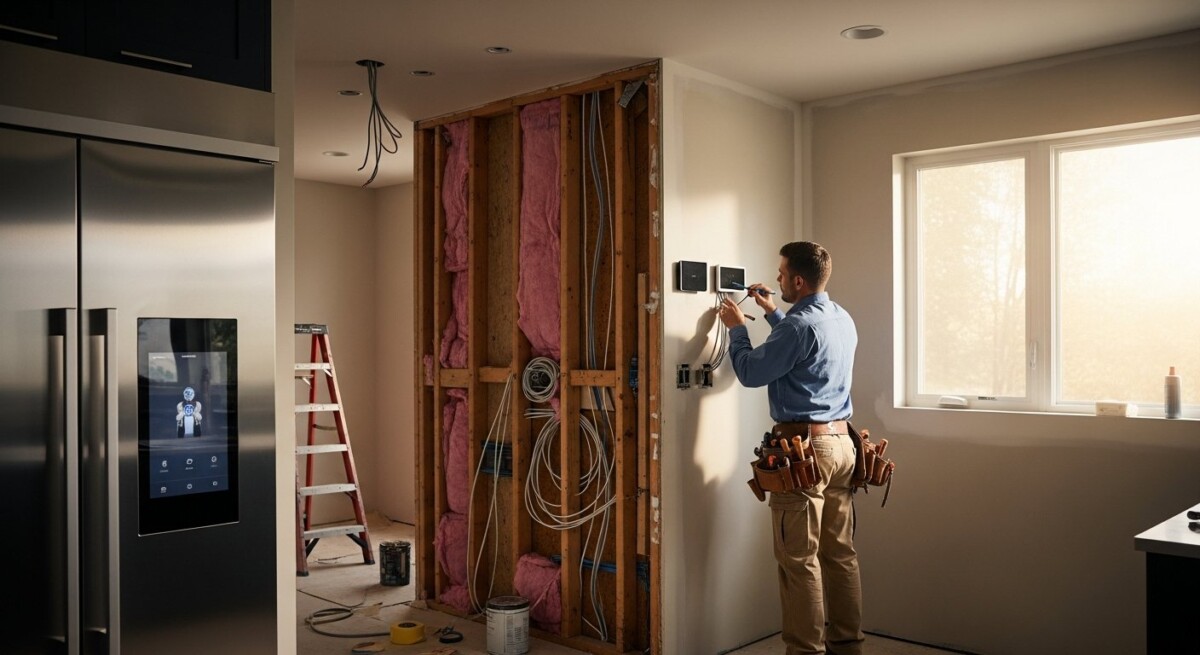
- Demolition and rough-in: Old materials are removed, and structural, electrical, and plumbing work is completed.
- Finishing and inspections: Drywall, trim, paint, and fixtures are installed, followed by final inspections.
- Final walkthrough and punch list: Any small issues are corrected, and you sign off on the completed work.
Professional work is safer and more reliable than DIY because contractors carry insurance, know local building codes, and have established relationships with suppliers. They can often get materials faster than a homeowner can. A professional inspection can reveal hidden issues before they become expensive repairs. Compare contractor quotes here or call to discuss your project.
Warning Signs You Should Not Ignore
Your home may be telling you that a renovation will take longer than expected. Pay attention to these early clues. Addressing them before you start can save weeks of delays.
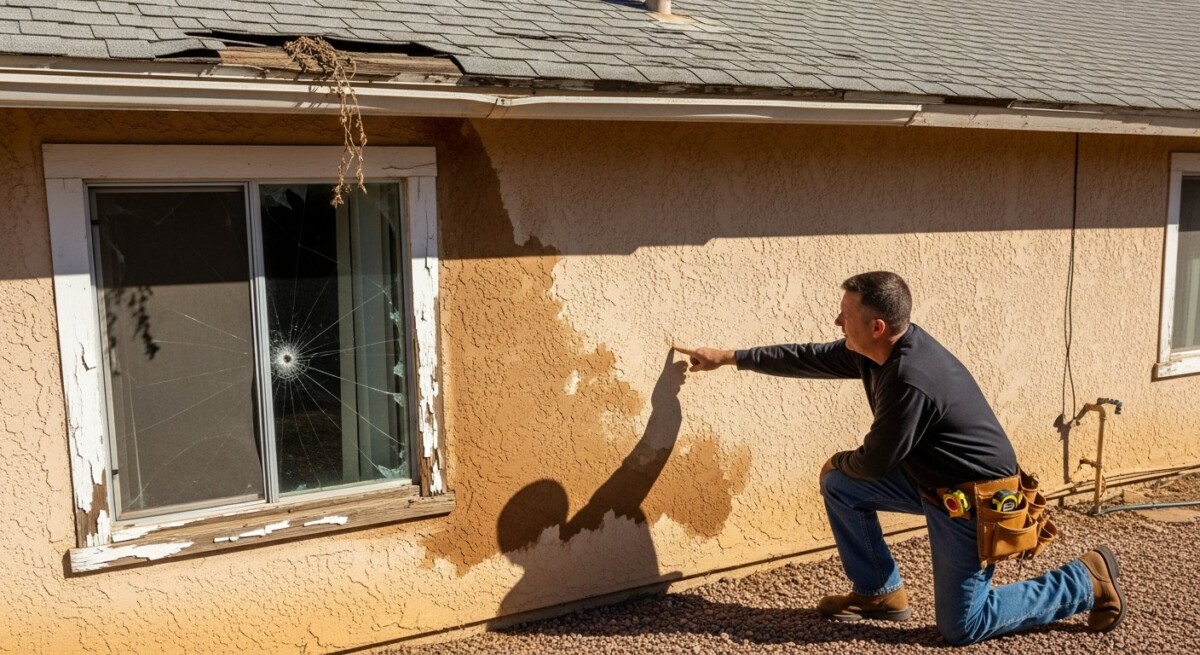
- Water stains or musty odors near walls or ceilings,suggesting hidden leaks
- Cracks in foundation walls or uneven floors,indicating structural movement
- Frequent circuit breaker trips,pointing to outdated electrical systems
- Windows that stick or won’t open,signs of foundation settling or frame rot
- Peeling paint or wallpaper,often from moisture issues behind walls
- Doors that don’t close properly,possible framing or foundation problems
If you spot any of these, a thorough inspection before demolition can uncover hidden problems. Fixing them early keeps your timeline on track and prevents costly mid-project surprises.
What Affects the Cost of Repairs or Installation
Timeline and cost go hand in hand. Longer projects usually cost more because of labor, materials, and temporary living expenses. The size of your project is the biggest factor: a powder room update costs less and finishes faster than a master suite addition.
Materials also play a major role. Custom cabinets may take 8 weeks to arrive, while stock cabinets are available immediately. Labor rates vary by location and season,hiring during peak summer can cost 10,20% more. Accessibility matters too: a second-floor bathroom renovation takes longer because of material hauling and cleanup.
Costs can vary depending on the condition of your home. The best way to know the price is to get a personalized estimate. Request free quotes from contractors or call today.
How to Choose the Right Contractor
Selecting a contractor who communicates clearly about timelines is essential. Ask potential contractors how they handle delays and whether they provide written schedules. A good contractor will be upfront about what could go wrong and how they’ll manage it.
- Verify licenses and insurance,ask for proof and check with your state’s licensing board.
- Read online reviews on Google, Yelp, and the Better Business Bureau.
- Ask for at least three references from recent similar projects.
- Get detailed written estimates that break down labor, materials, permits, and timeline.
- Compare at least three quotes to understand pricing and schedule differences.
Don’t automatically choose the lowest bid. Sometimes a slightly higher quote includes better project management that keeps your renovation on schedule. The best time for home renovation is when you have a reliable contractor lined up and materials ready to go.
Long-Term Benefits of Professional Work
Investing in a well-planned renovation with a professional contractor pays off for years. Your home is safer because all work meets current building codes. Quality materials and proper installation mean fewer repairs down the road.
Energy efficiency upgrades,like new windows, insulation, or HVAC,lower your utility bills every month. And a finished renovation increases your home’s resale value. According to industry data, homeowners recoup 60,80% of renovation costs when they sell.
Perhaps the biggest benefit is peace of mind. Knowing the project will finish on a realistic timeline,and that a professional is handling the unexpected,lets you enjoy the process rather than dread it.
How long does a kitchen renovation usually take?
A typical kitchen renovation takes 8 to 12 weeks from start to finish. This includes design, demolition, rough-in work, cabinetry installation, countertops, and finishing touches. Delays can happen if custom cabinets are ordered or if structural issues are found.
Can I live in my home during a full renovation?
You can live in your home during most renovations, but it depends on the scope. For a whole-house renovation, you may need to stay elsewhere for 2,4 weeks during demolition and rough-in phases. Your contractor can help you plan which areas will remain usable.
Why do contractors give longer timelines than I expect?
Contractors build in buffer time for permit delays, material backorders, and unexpected structural issues. A realistic timeline prevents disappointment and allows for quality work without rushing. Short timelines often lead to cutting corners.
How long does a bathroom remodel take?
A standard bathroom remodel takes 3 to 6 weeks. A simple update with new fixtures and paint can be done in 3 weeks, while a full gut renovation with new tile, vanity, and plumbing may take 6 weeks or more.
What is the biggest delay in home renovations?
Material availability is the most common delay. Custom items like windows, cabinets, and specialty tiles can take 6,12 weeks to arrive. Permits and inspections are the second biggest cause of delays.
How can I speed up my renovation timeline?
Order materials early, finalize your design before work starts, and avoid making changes mid-project. Hiring a general contractor who manages all subcontractors can also keep the schedule on track.
Do I need permits for a renovation?
Most structural, electrical, plumbing, and major remodeling projects require permits. Your contractor should handle permit applications. Skipping permits can lead to fines, forced removal of work, and problems when selling your home.
How long does it take to renovate a whole house?
A whole-house renovation typically takes 4 to 6 months. Larger homes or projects involving structural changes can take 8,12 months. Planning and material lead times add 4,8 weeks before construction starts.
Renovating your home is an exciting opportunity to create a space that fits your life. But going in with unrealistic expectations about how long home renovation takes can turn that excitement into stress. By understanding the process, spotting warning signs early, and working with a qualified contractor, you can keep your project on track and within budget. Start by comparing quotes from trusted professionals so you can make an informed decision and enjoy your new space as soon as possible.

About Alex Carter
"*" indicates required fields