Home Renovation Services: A Guide for Smart Homeowners
"*" indicates required fields
You walk into your kitchen and the outdated cabinets and worn countertops finally feel like too much. Or maybe you’ve noticed a persistent draft from your windows, or your family has simply outgrown your current bathroom. These moments are common for every homeowner. They signal a need for change, but the path forward can feel overwhelming. Ignoring these needs doesn’t make them disappear; it often allows small issues to become larger, more expensive problems that can affect your home’s safety, comfort, and value. Understanding your options with professional home renovation services is the first step toward a solution that protects your investment and improves your daily life.
Understanding Home Renovation Services
Home renovation services encompass a wide range of professional work aimed at updating, repairing, or transforming your living space. This isn’t just about a fresh coat of paint. It involves skilled tradespeople,like carpenters, plumbers, and electricians,who address both the aesthetics and the underlying systems of your home.
These services can be triggered by many factors. Your home’s materials naturally age and wear out. Your family’s needs evolve, requiring more space or different layouts. Sometimes, the goal is purely to increase comfort, efficiency, or your home’s market value. Whether your home is a historic property needing careful updates or a newer build ready for personalization, professional renovation can address its unique challenges.
Why This Matters for Your Home
Your home is likely your largest financial asset and your family’s sanctuary. How you maintain and improve it has direct consequences. A well-executed renovation protects that investment by fixing problems before they cause structural damage, which can be extraordinarily costly to repair.
Beyond money, your home’s condition impacts your safety and well-being. Faulty wiring, poor ventilation, or weakened structures pose real risks. Renovations also solve comfort issues, like a kitchen that doesn’t function for your family or a bathroom that feels cramped and inefficient. Proactively managing these areas ensures your home remains a safe, enjoyable, and valuable place for years to come.
If you notice signs of this issue in your home, it may help to speak with a qualified contractor. Request a free quote or call to explore your repair or remodeling options.
Common Problems Homeowners Experience
Homeowners typically encounter a mix of functional failures and lifestyle frustrations. You might love your neighborhood but feel cramped in your current floor plan. Or, you may be dealing with the consequences of decades-old construction that no longer meets modern standards for energy use or safety.
These problems often appear gradually, making them easy to dismiss. A slightly sticky cabinet door becomes a broken hinge. A small water stain on the ceiling grows after every heavy rain. Recognizing these as symptoms of a larger need is key. Common issues that prompt homeowners to seek professional help include:
- Outdated and Inefficient Layouts: Rooms that don’t flow or function for your modern life.
- Failing Major Systems: Aging plumbing, electrical wiring, or HVAC that is unreliable or unsafe.
- Moisture and Water Damage: In bathrooms, basements, or around windows, leading to mold or rot.
- Worn-Out Surfaces and Fixtures: Cracked tiles, peeling countertops, and cabinetry falling apart.
- Poor Energy Efficiency: Drafty windows, insufficient insulation, and outdated appliances driving up utility bills.
- Lack of Accessibility: Homes not designed for aging in place or accommodating mobility needs.
How Professionals Solve the Problem
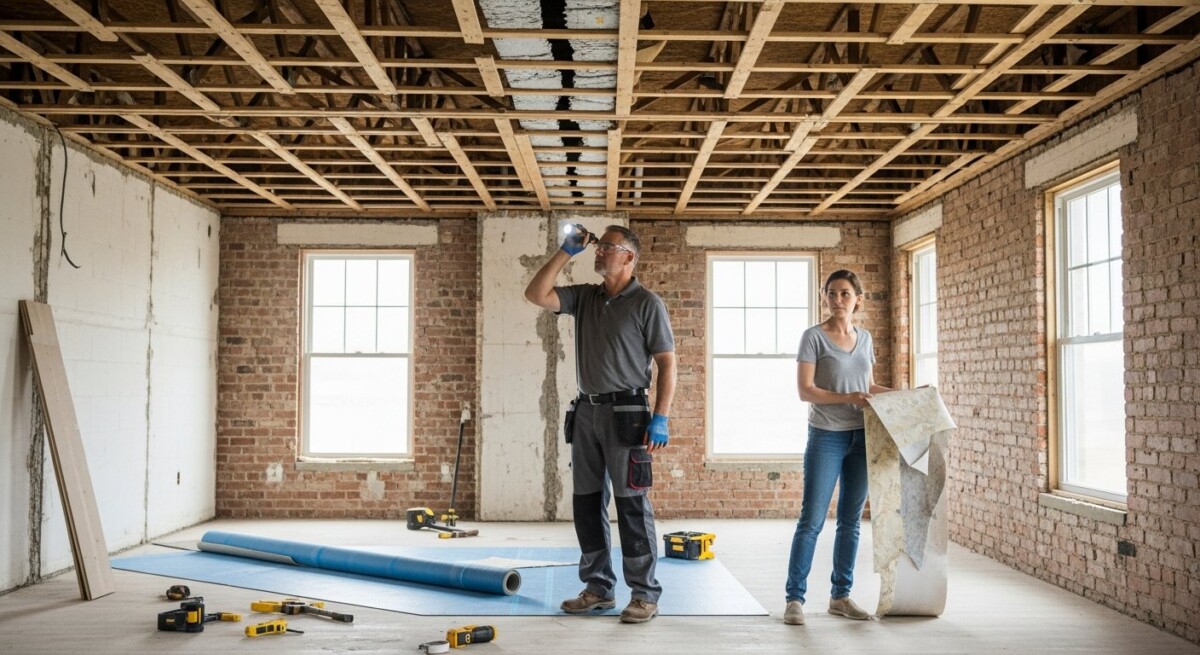
Professional contractors bring a systematic, knowledgeable approach to what can be a chaotic process. They start by understanding your goals and then diagnosing the visible and hidden conditions of your home. This holistic view is crucial; fixing a leaky faucet is simple, but a pro will check for corroded pipes behind the wall that could cause a major leak later.
Their process turns a daunting project into manageable steps. They handle the complex coordination of permits, inspections, material ordering, and skilled labor, which is a full-time job in itself. For a deeper look at what contractors do, our resource on home renovation contractors in the USA explains their roles in detail. A typical professional renovation follows a clear path:
- Consultation and Planning: Discussing your vision, budget, and timeline to create a realistic project scope.
- Detailed Assessment and Design: Evaluating the existing space, identifying structural or system needs, and creating a plan.
- Permitting and Material Procurement: Securing necessary approvals and ordering quality materials.
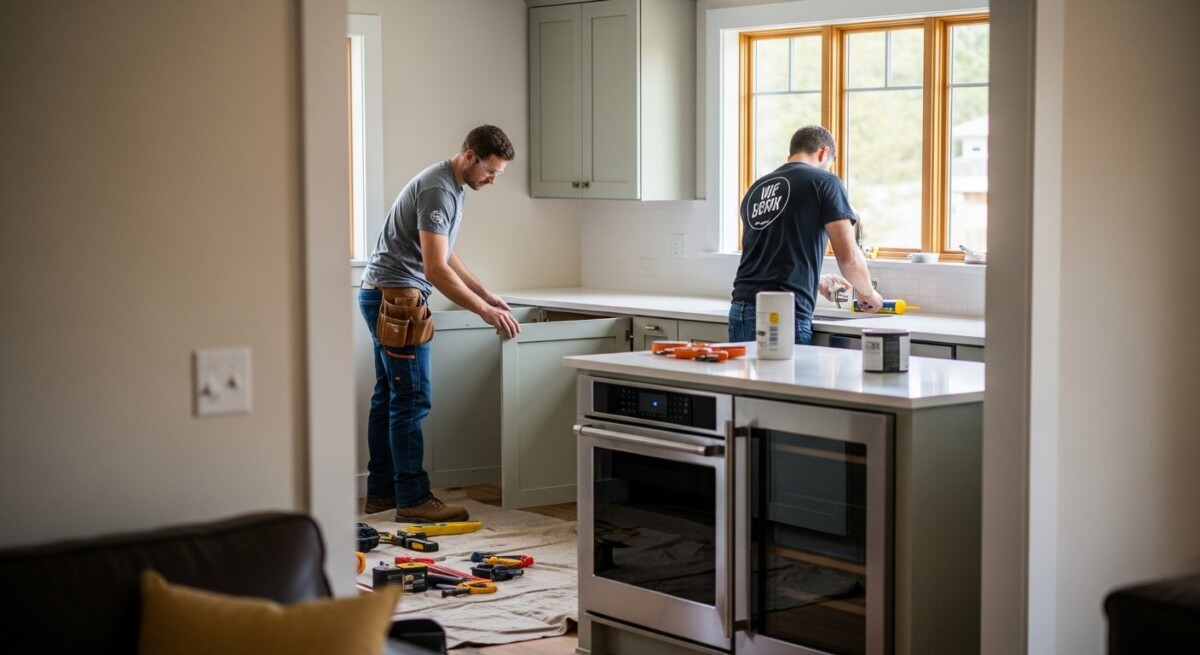
- Expert Execution: Skilled tradespeople perform the work in a logical sequence, from demolition to rough-in work to finishing.
- Final Inspection and Cleanup: Ensuring everything meets code, functions perfectly, and your home is left clean and ready.
A professional inspection can reveal hidden issues before they become expensive repairs. Compare contractor quotes here or call to discuss your project.
Warning Signs You Should Not Ignore
Your home often gives you clear signals that it needs attention. While some are obvious, like a cracked bathroom vanity, others are subtler but just as important. Paying attention to these warnings allows you to address problems when they are smaller and more affordable to fix.
Delaying action usually makes the situation worse. A small leak can ruin subflooring, a flickering light could indicate faulty wiring, and a drafty room wastes money every month on energy bills. Early intervention preserves your home’s integrity and your wallet. Be alert for these key signs:
- Persistent Drafts or High Energy Bills: Indicating poor insulation or failing windows and doors.
- Water Stains or Peeling Paint: On ceilings or walls, signaling potential roof leaks or plumbing issues.
- Cracks in Walls or Foundations: Especially new or widening cracks, which can point to settling or structural concerns.
- Difficulty Opening Windows/Doors: Often a sign of foundation shift or warped frames.
- Outdated Electrical Systems: Frequent breaker trips, buzzing outlets, or a lack of sufficient outlets for modern needs.
- A General Feeling of “Wear and Tear”: When your home no longer feels fresh, clean, or aligned with how you live.
What Affects the Cost of Repairs or Installation
The cost of a renovation project isn’t a mystery; it’s determined by a set of clear factors. Understanding these helps you set a realistic budget and interpret quotes from contractors. The single biggest factor is the project’s scope,a full kitchen remodel will cost significantly more than refacing the existing cabinets.
Materials also play a huge role. Choices between standard and premium countertops, flooring, or fixtures have a direct impact. Labor costs are influenced by the project’s complexity and your local market rates. Furthermore, the age and condition of your home can introduce unexpected costs, like the need to update wiring to meet current code during a simple wall removal. For inspiration on where to allocate your budget, explore some of the trendiest home renovation ideas that balance style with function.
Costs can vary depending on the condition of your home. The best way to know the price is to get a personalized estimate. Request free quotes from contractors or call today.
How to Choose the Right Contractor
Selecting the right professional is the most important decision in your renovation journey. A good contractor becomes your partner, guiding you through challenges and ensuring a quality outcome. This choice deserves careful time and research.
Start by seeking recommendations from friends or trusted online sources, then vet each candidate thoroughly. A reputable contractor will be transparent, communicative, and happy to provide proof of their qualifications. Follow these practical tips to make a confident choice:
- Verify Licenses and Insurance: Ensure they are properly licensed for your area and carry both liability and workers’ compensation insurance.
- Check References and Reviews: Read recent online reviews and ask to speak to past clients about their experience.
- Review Detailed, Written Estimates: Quotes should break down costs for materials, labor, and permits, not just provide one lump sum.
- Compare Multiple Quotes: Get at least three detailed estimates to understand the market rate and different approaches to your project.
- Assess Communication and Professionalism: Choose someone who listens, answers questions clearly, and provides a solid contract outlining timeline, payment schedule, and project specifics.
Long-Term Benefits of Professional Work
Investing in professional renovation services pays dividends long after the project is complete. Quality workmanship and materials translate directly to durability, meaning your new space will look good and function well for many years with minimal need for repairs. This reliability provides peace of mind.
The benefits extend to your finances and daily life. Modern, efficient updates can significantly lower your monthly utility costs. A well-designed renovation also boosts your home’s resale value and appeal to future buyers, often yielding a strong return on investment. Most importantly, it enhances your quality of life,whether that’s through a more functional kitchen for family meals, a serene bathroom for relaxation, or a comfortable, safe living environment for everyone. For a focused example, see how these principles apply in our guide to upgrading your home with bedroom renovation services.
What is the difference between remodeling and renovating?
Renovation typically means restoring or updating an existing space without changing its layout, like replacing fixtures or refinishing floors. Remodeling involves changing the structure, layout, or purpose of a space, such as knocking down a wall to create an open-concept kitchen. Professionals often handle both, but it’s helpful to know which term fits your project.
How long does a typical home renovation take?
The timeline varies dramatically by project scope. A small bathroom update might take 2-3 weeks, while a full kitchen remodel or addition could take 2-4 months or more. Your contractor should provide a detailed schedule that includes time for planning, material delivery, construction, and final inspections.
Do I need a permit for my renovation?
Most structural, electrical, and plumbing work requires a permit from your local building department. A key benefit of hiring a professional contractor is that they handle the permit process, ensuring the work is done to code and passes inspection, which is crucial for safety and future home sales.
How can I prepare my home for a renovation?
Good preparation minimizes stress. Create a clear zone for the contractors to work, protect your belongings from dust, and set up a temporary alternative for spaces like your kitchen or bathroom. Discuss daily cleanup expectations and access with your contractor before work begins.
What should I look for in a renovation contract?
A solid contract should include a detailed project description, a payment schedule tied to project milestones, a start and completion date, a list of all materials and products, and procedures for handling change orders or unexpected issues. Never start work without a signed, written contract.
Can I live in my home during a renovation?
In many cases, yes, but it depends on the project’s scale and disruption. For major kitchen or bathroom remodels, you may need to plan for alternative cooking or bathing arrangements. Discuss the daily impact with your contractor to decide if staying is feasible for your family.
Taking on a home renovation is a significant step, but it’s one of the most effective ways to care for your property and enhance your lifestyle. By understanding the process, recognizing the signs that your home needs help, and choosing the right professional partners, you can navigate this journey with confidence. Addressing issues early and investing in quality work protects your home’s value and your family’s comfort for the long term. A great first step is to gather information and compare detailed quotes from reputable contractors to understand your options and make a plan that works for your home and budget.

About Alex Carter
"*" indicates required fields