Renovation Phoenix Arizona: Smart Upgrades for Homeowners
"*" indicates required fields
Phoenix homeowners know that the desert climate presents unique challenges and opportunities for home improvement. With scorching summers, mild winters, and a growing real estate market, a well-planned renovation Phoenix Arizona can dramatically boost comfort, curb appeal, and property value. Whether you are updating a mid-century ranch in Arcadia or modernizing a downtown condo, understanding local building practices, material choices, and contractor selection is essential. This guide walks you through the most impactful upgrades for Valley homes, from energy-efficient windows to cool-roof systems, and explains how to navigate permits, budgets, and timelines like a pro.
Why Phoenix Homes Need Specialized Renovation Approaches
The Sonoran Desert environment demands more from a house than almost any other region in the United States. Intense UV radiation, extreme temperature swings, and monsoon storms all take a toll on building materials. Standard construction practices used in cooler, wetter climates often fail here within a few years. That is why a renovation Phoenix Arizona project must prioritize durability, energy efficiency, and heat mitigation from the start.
For example, a typical asphalt shingle roof in the Midwest might last 20 years. In Phoenix, the same roof may need replacement after 10-12 years due to constant sun exposure. Similarly, standard single-pane windows can turn a home into a solar oven, driving cooling costs through the roof. By choosing materials and systems specifically rated for high-heat environments, homeowners can avoid premature failures and enjoy lower utility bills for decades.
Another factor is the region’s rapid population growth and strong housing demand. Renovations that add square footage, update kitchens and bathrooms, or improve outdoor living spaces often yield a high return on investment when selling. A focused renovation Phoenix Arizona strategy can make a home stand out in a competitive market while also making it more comfortable year-round.
Top Renovation Projects for Phoenix Homes
Not all upgrades deliver the same value in the desert. Below are the most effective projects for Phoenix homeowners, ranked by impact on comfort, efficiency, and resale value.
Cool Roofing and Solar Attic Fans
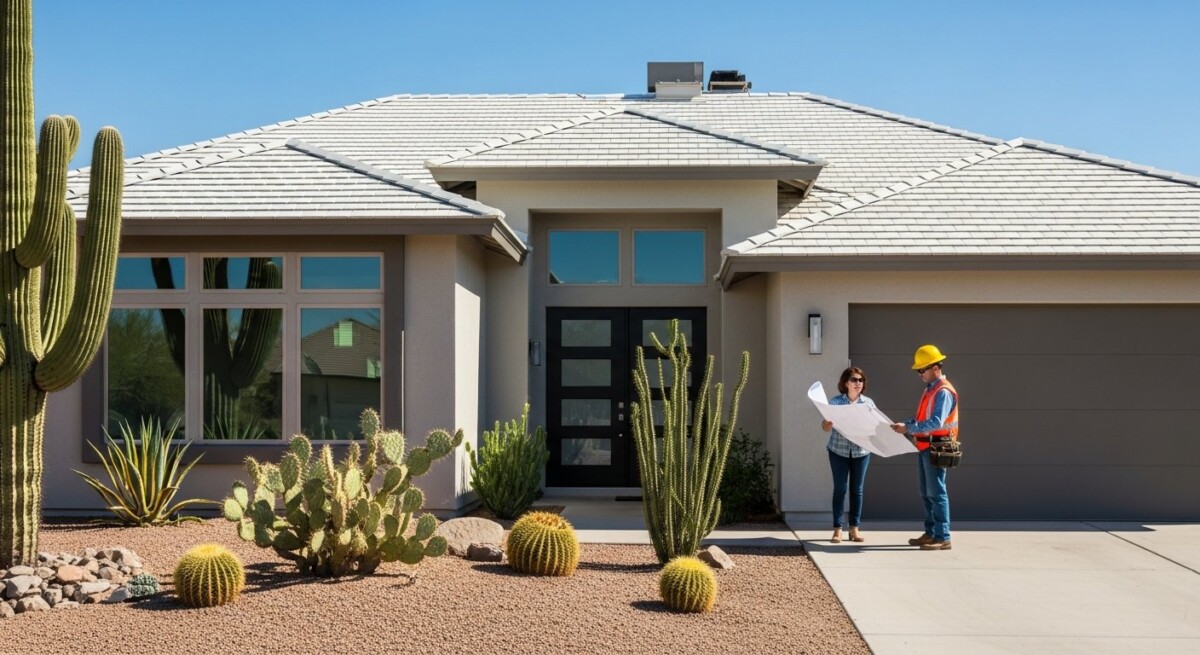
Your roof is your home’s first line of defense against the Arizona sun. Standard dark-colored shingles absorb heat, raising attic temperatures to 150 degrees or more. A cool roof uses reflective coatings or light-colored materials to bounce sunlight away, reducing attic heat by up to 30%. When combined with a solar-powered attic fan, you can dramatically lower cooling loads and extend the life of your HVAC system.
Many Phoenix homeowners also pair cool roofing with solar panel installations. The reflective surface improves panel efficiency by keeping the roof surface cooler. If you are planning a roof replacement, consider asking your contractor about integrated solar-ready mounting systems. This approach simplifies future solar installations and can qualify you for federal tax credits.
Energy-Efficient Windows and Doors
Windows are a major source of heat gain in Phoenix homes. Old single-pane or poorly sealed windows can account for 25-30% of your cooling energy use. Upgrading to dual-pane, low-E coated windows with argon gas fill can cut that heat gain by half or more. Look for windows with a Solar Heat Gain Coefficient (SHGC) of 0.25 or lower to maximize performance in hot climates.
For a deeper look at window options and installation best practices, check out our window FAQ guide which covers frame materials, glazing types, and warranty considerations. Proper installation is just as important as the product itself: gaps and poor sealing can negate the benefits of even the best windows.
Bathroom and Kitchen Remodels
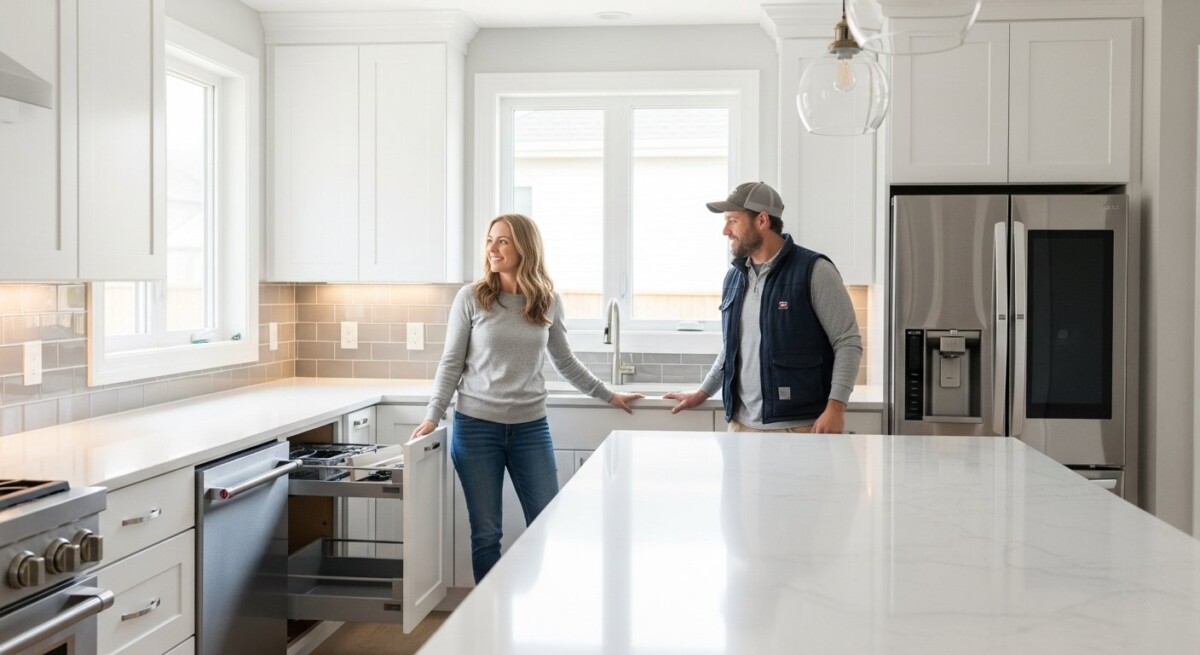
Kitchens and bathrooms consistently offer the highest return on investment for Phoenix renovations. In a bathroom remodel, focus on water-efficient fixtures (low-flow toilets, faucets, and showerheads) to reduce water bills in a drought-prone region. Large-format porcelain tiles, quartz countertops, and frameless glass shower enclosures are popular choices that hold up well in dry conditions.
For kitchens, consider adding a pot filler near the stove, soft-close cabinetry, and energy-efficient appliances. Open shelving can make a small kitchen feel larger, but be aware that dust accumulates quickly in the desert. If you prefer a low-maintenance option, stick with upper cabinets that reach the ceiling to eliminate dust-collecting gaps. A well-executed bathroom or kitchen renovation Phoenix Arizona project can recoup 70-80% of its cost at resale.
Outdoor Living Spaces
Phoenix residents love spending time outdoors, especially during the cooler months. Adding a covered patio, pergola, or ramada extends your living area and increases property value. Consider misting systems, ceiling fans, and shade screens to make the space usable even in late spring and early fall. Desert landscaping with native plants, decomposed granite, and strategic hardscaping reduces water usage while creating an inviting environment.
Outdoor kitchens with built-in grills, refrigerators, and sink stations are becoming increasingly popular. They allow homeowners to entertain without running back and forth into the house. Just be sure to use stainless steel or powder-coated materials that can withstand UV exposure and occasional dust storms.
Navigating Permits and Codes in Maricopa County
Phoenix and its surrounding cities have specific building codes designed for desert conditions. Most structural renovations, electrical work, plumbing changes, and HVAC replacements require permits. Skipping permits can lead to fines, forced removal of unpermitted work, and difficulties when selling the home.
The permitting process typically involves submitting plans, paying fees, and scheduling inspections at key stages. Your contractor should handle this on your behalf. Always verify that your contractor holds a valid Arizona ROC license and carries general liability insurance. For a step-by-step overview of what to expect during a remodeling project, our bathroom remodeling FAQ provides practical guidance on timelines, material selection, and working with licensed professionals.
One common mistake homeowners make is assuming that small repairs don’t need permits. In Phoenix, even replacing a water heater or upgrading an electrical panel typically requires a permit. When in doubt, ask your contractor or call the local building department.
Budgeting for Your Phoenix Renovation
Renovation costs in Phoenix vary widely based on project scope, materials, and labor rates. As of 2026, mid-range kitchen remodels in the Valley average $25,000 to $50,000, while bathroom remodels range from $12,000 to $25,000. Roof replacements cost between $8,000 and $15,000 for a typical 2,000-square-foot home with asphalt shingles, and more for tile or metal roofs.
To create a realistic budget, follow these steps:
- Define your scope clearly. List every room and system you want to renovate, and prioritize them. Avoid scope creep by finalizing decisions before work begins.
- Get multiple itemized quotes. Compare at least three bids from licensed contractors. Look for detailed breakdowns of materials, labor, permits, and cleanup. The lowest bid is not always the best value.
- Set aside a contingency fund. Phoenix homes built before 2000 may have outdated wiring, cast iron plumbing, or asbestos-containing materials. Allocate 15-20% of your total budget for unexpected issues.
- Consider financing options. Some homeowners use home equity lines of credit (HELOCs) or FHA 203(k) renovation loans. Others pay with cash or credit cards with promotional 0% APR periods. Choose the option that minimizes interest costs.
A well-planned budget helps you avoid the stress of mid-project surprises. If you are unsure about costs for a specific service like HVAC replacement or flooring, the HVAC FAQ can give you a clearer picture of typical expenses and efficiency considerations.
Choosing the Right Contractor in Phoenix
The success of your renovation Phoenix Arizona project hinges on the contractor you hire. Phoenix has thousands of licensed contractors, but quality varies widely. Start by asking for recommendations from neighbors, friends, or local hardware stores. Online review platforms like Google, Yelp, and the Better Business Bureau can also provide leads.
When interviewing candidates, ask these questions:
- How long have you been working in the Phoenix area? (Local experience matters for understanding codes and climate.)
- Can you provide proof of insurance and a current Arizona ROC license? (Verify the license number on the Arizona Registrar of Contractors website.)
- Will you pull all necessary permits? (A reputable contractor insists on permits.)
- Can I speak with three recent clients in Phoenix? (Call those references and ask about communication, timeliness, and problem-solving.)
- What is the payment schedule? (Avoid contractors who demand full payment upfront. Typical schedules include a small deposit, progress payments, and final payment upon completion.)
Once you select a contractor, get everything in writing. The contract should include a detailed scope of work, material specifications, start and completion dates, payment terms, and a process for change orders. A clear contract protects both parties and reduces the risk of disputes.
Seasonal Timing and Workflow Tips
Phoenix’s mild winter months (November through February) are the busiest season for renovations. Temperatures are comfortable for workers, and outdoor projects like roofing and painting can proceed without heat-related delays. However, this also means contractors are in high demand. Book your project 3-6 months in advance if you want a winter start date.
Summer months (June through September) see fewer renovation starts due to extreme heat. Some contractors offer discounts during this period, but outdoor work may be limited to early morning or evening hours. Interior projects like kitchen and bathroom remodels can proceed year-round as long as the home is air-conditioned.
Plan for temporary disruptions to your daily life. For a full kitchen remodel, set up a temporary kitchen in another room with a microwave, toaster oven, and mini-fridge. For bathroom remodels, arrange access to a second bathroom if possible. Communicate your needs clearly with your contractor so they can minimize downtime.
Finally, consider how your renovation will affect your home’s energy performance. Upgrading insulation, sealing ducts, and installing a programmable thermostat are low-cost additions that can pay for themselves within a few years. In Phoenix, where air conditioning runs 8-10 months per year, every efficiency improvement matters.
A successful renovation Phoenix Arizona project combines smart design, quality materials, and a reliable contractor. By focusing on heat-resistant upgrades, efficient systems, and durable finishes, you can create a home that stays comfortable, looks great, and holds its value in the desert market. Start planning early, ask the right questions, and enjoy the transformation of your home.

About Alex Carter
"*" indicates required fields