What Is Open Concept Remodeling? A Homeowner’s Guide
"*" indicates required fields
You walk into your living room and feel cramped, even though the square footage seems decent. The kitchen is closed off by a wall, the dining area feels like an afterthought, and natural light struggles to reach the hallway. You wonder if knocking down a few walls could make your home feel twice as large. That’s exactly where open concept remodeling comes into play,and it’s one of the most popular changes homeowners make today.
Open concept remodeling is the process of removing interior walls, doorways, and partitions to create one large, flowing space that combines the kitchen, living, and dining areas. It’s a structural and aesthetic transformation that prioritizes openness, light, and connection. But it’s not as simple as grabbing a sledgehammer. Understanding what is open concept remodeling means knowing the structural, electrical, and plumbing considerations that come with tearing down walls.
If you’ve been dreaming of a brighter, more social floor plan, this guide will walk you through the benefits, the risks of ignoring structural issues, and why professional help is essential for a safe, lasting result.
Understanding What Is Open Concept Remodeling
Open concept remodeling refers to the deliberate removal of load-bearing and non-load-bearing walls to merge separate rooms into a single, unified space. The goal is to improve traffic flow, increase natural light, and create a more modern, airy feel. In most cases, the kitchen, dining room, and living room become one large great room.
This style became popular in the mid-20th century and has remained a top request for homeowners who want to modernize older homes. Post-war houses, split-levels, and traditional floor plans with small, boxy rooms are the most common candidates. Even newer homes sometimes benefit from opening up a cramped layout.
However, what is open concept remodeling in practical terms depends on your home’s structure. Some walls are load-bearing and require steel beams or engineered headers to redistribute weight. Others hide electrical wiring, plumbing pipes, or HVAC ducts. A professional assessment is non-negotiable before any wall comes down.
Why This Matters for Your Home
Ignoring the structural implications of an open concept remodel can lead to sagging ceilings, cracked drywall, and even partial collapse. The risks go beyond aesthetics. Removing a load-bearing wall without proper support compromises the entire frame of your home. That’s not just expensive to fix,it’s dangerous.
On the flip side, a well-executed open concept remodel improves daily life. You can cook while keeping an eye on kids in the living room. Entertaining becomes seamless because guests aren’t trapped in separate rooms. Natural light floods deeper into the home, reducing the need for artificial lighting and making the space feel larger than its actual square footage.
Property value also gets a boost. Real estate agents consistently report that open floor plans sell faster and for higher prices than compartmentalized layouts. If you’re planning to sell in the next few years, this remodel can offer a strong return on investment.
If you notice signs of this issue in your home, it may help to speak with a qualified contractor. Request a free quote or call 480-685-2623 to explore your repair or remodeling options.
Common Problems Homeowners Experience
Homeowners often discover that their current floor plan doesn’t match their lifestyle. A narrow kitchen with a wall blocking the dining room makes family meals feel disconnected. Low ceilings and small windows make rooms feel dark and claustrophobic. These aren’t just annoyances,they affect how you use and enjoy your home every day.
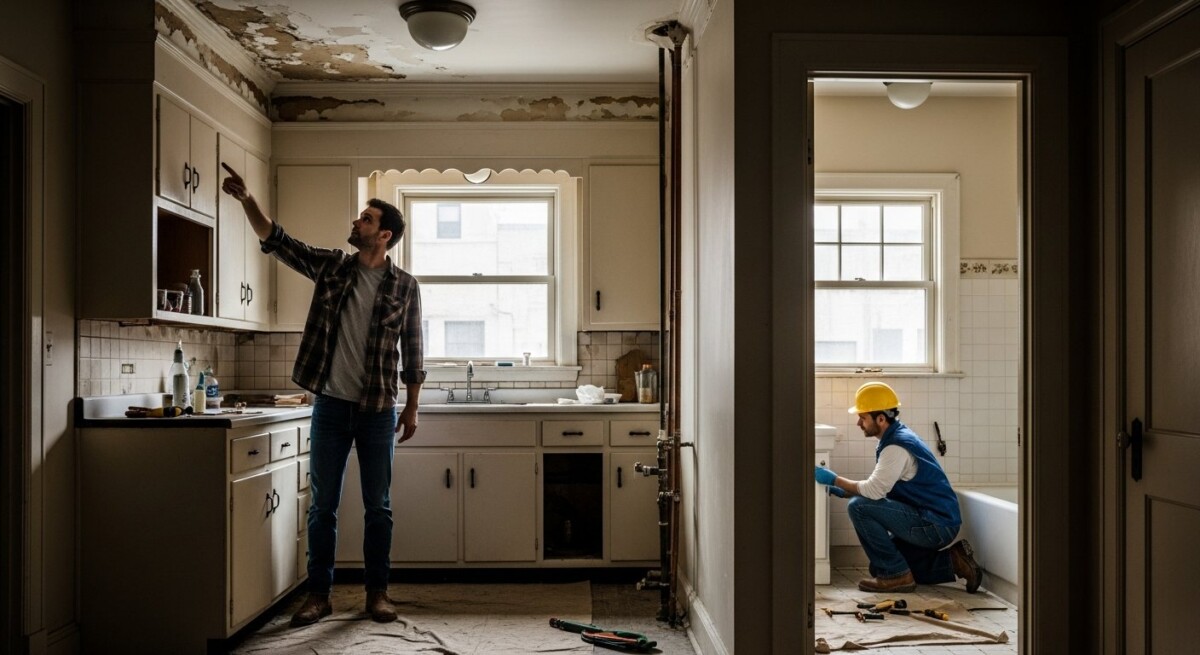
Another frequent issue is the presence of hidden problems once walls are opened. Outdated wiring, uninsulated cavities, or termite damage can turn a simple remodel into a major project. That’s why it’s critical to plan for surprises and work with a contractor who knows how to handle them.
- Dark, narrow rooms that don’t get enough natural light
- Poor traffic flow that makes entertaining difficult
- Outdated layouts that don’t match modern living needs
- Hidden structural issues like rotted beams or old wiring
- Lack of usable counter or storage space in the kitchen
- Difficulty supervising children while cooking or working
How Professionals Solve the Problem
Experienced contractors begin with a thorough structural evaluation. They identify load-bearing walls, map out electrical and plumbing lines, and check for asbestos or lead paint in older homes. This assessment forms the blueprint for a safe, code-compliant remodel.
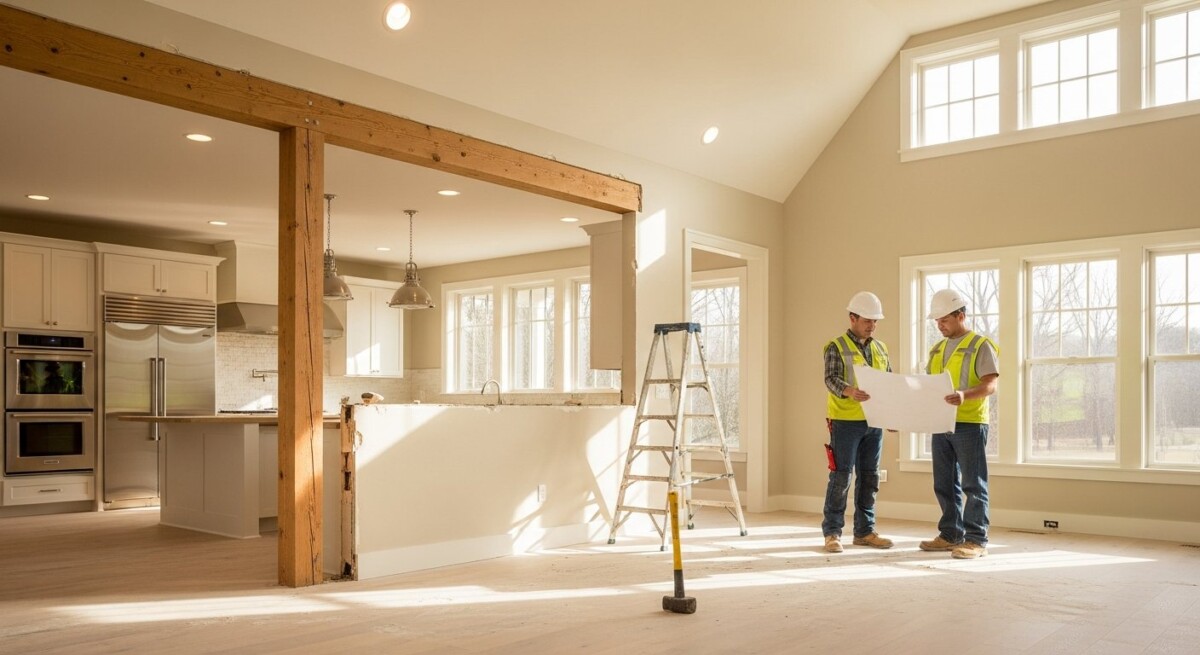
Once the plan is set, the team obtains necessary permits, installs temporary supports, and carefully removes walls. They then install steel beams or laminated veneer lumber (LVL) headers to carry the load. After the structure is secure, they reroute wiring, move plumbing if needed, and patch floors and ceilings. The final steps include drywall, painting, and trim work to create a seamless transition between old and new spaces.
Professional work is safer and more reliable than DIY because it ensures the home’s structure remains intact. Contractors also handle permits and inspections, which protects you from liability and ensures the work meets local building codes. In our guide on open floor plan remodeling ideas, we explain how to maximize your new layout.
A professional inspection can reveal hidden issues before they become expensive repairs. Compare contractor quotes here or call 480-685-2623 to discuss your project.
Warning Signs You Should Not Ignore
Your home often gives clues that a wall is load-bearing or that the current layout is working against you. A sagging ceiling above a doorway, cracks in drywall near corners, or doors that stick for no reason can all indicate structural stress. If you notice these signs, delaying action can turn a manageable remodel into a structural emergency.
Other warning signs are more about lifestyle. If you find yourself avoiding the kitchen because it feels isolated, or if your family naturally gathers in the hallway instead of the living room, your floor plan is the problem. Recognizing these patterns early helps you plan a remodel that truly improves how you live.
- Sagging or uneven ceilings, especially near walls
- Cracks in drywall or plaster around door frames
- Doors that stick or won’t close properly
- Visible gaps between walls and floors
- Feeling cramped or disconnected from other family members
- Poor natural light that makes rooms feel dim all day
What Affects the Cost of Repairs or Installation
The size of the project is the biggest cost driver. Removing a single non-load-bearing wall in a small kitchen is far less expensive than taking down multiple walls and installing a steel beam to support the roof. Labor rates in your area also play a role, as does the complexity of rerouting electrical and plumbing.
Materials add up quickly. LVL beams, drywall, flooring patching, paint, and trim can cost thousands. If your home was built before 1980, you may need to budget for asbestos abatement or lead paint remediation. Accessibility also matters,if the work area is on a second floor or requires extensive dust containment, costs rise.
Costs can vary depending on the condition of your home. The best way to know the price is to get a personalized estimate. Request free quotes from contractors or call 480-685-2623 today.
How to Choose the Right Contractor
Selecting a contractor for an open concept remodel is one of the most important decisions you’ll make. Look for someone who specializes in structural renovations, not just cosmetic updates. They should be able to explain load paths, beam sizes, and permit requirements in plain language.
Start by asking for referrals from friends or neighbors who have done similar work. Then interview at least three contractors, asking about their experience with open concept projects. Always verify licenses and insurance before signing a contract.
- Verify state licensing and general liability insurance
- Read online reviews on Google, Yelp, and the Better Business Bureau
- Ask for a detailed written estimate that breaks down materials, labor, and permits
- Compare at least three quotes to understand the market rate
- Confirm they have completed at least three similar open concept projects
Long-Term Benefits of Professional Work
A professionally executed open concept remodel adds lasting value to your home. The improved flow and natural light make daily life more enjoyable, and the structural integrity ensures the space remains safe for decades. Properly installed beams and headers won’t sag or shift over time.
Energy efficiency often improves as well. Removing walls allows HVAC systems to condition larger, open spaces more evenly. You may also see lower lighting bills because natural light reaches deeper into the house. And when it’s time to sell, the open floor plan will be a major selling point that attracts more buyers.
Reduced maintenance is another hidden benefit. Professional finishes, quality drywall work, and proper sealing mean fewer cracks, fewer paint touch-ups, and fewer surprises down the road. You can also explore other layout ideas to complement your new space.
How long does an open concept remodel typically take?
Most projects take 4 to 8 weeks from start to finish, depending on the number of walls removed and the complexity of rerouting utilities. Permit delays can add another week or two.
Do I need a permit for open concept remodeling?
Yes, almost always. Removing any wall, especially a load-bearing one, requires a building permit to ensure the work meets safety codes. Your contractor should handle the permit application.
Can I remove a wall myself to save money?
It’s not recommended. Removing a load-bearing wall without proper support can cause serious structural damage or injury. Even non-load-bearing walls may hide wiring or plumbing that requires a professional.
How much does open concept remodeling cost on average?
Costs range from $5,000 for a simple non-load-bearing wall removal to $30,000 or more for multiple walls, beam installation, and full finishing. Get multiple quotes for an accurate picture.
Will open concept remodeling increase my home value?
In most markets, yes. Open floor plans are highly desirable to modern buyers and can increase resale value by 5% to 15%, depending on your area and the quality of the work.
What’s the difference between open concept and open floor plan?
The terms are often used interchangeably. Open concept remodeling typically involves structural changes to achieve an open floor plan, while “open floor plan” describes the resulting layout.
Can I keep some walls for privacy while opening up the main living area?
Absolutely. Many homeowners choose a semi-open layout that removes walls between the kitchen and living room but keeps bedrooms and bathrooms enclosed. A contractor can help you design a balanced plan.
How do I know if a wall is load-bearing?
Signs include walls that run perpendicular to floor joists, walls that support a wall or roof above, and walls with beams or columns. A professional inspection is the only reliable way to confirm.
Open concept remodeling can transform your home from cramped and dark to bright and connected. The key is to start with a professional assessment, plan for the unexpected, and work with a contractor who understands both the structural and aesthetic sides of the job. Don’t wait until a sagging ceiling or a stuck door forces your hand. Compare quotes from qualified contractors now to see what’s possible for your home.

About Alex Carter
"*" indicates required fields