
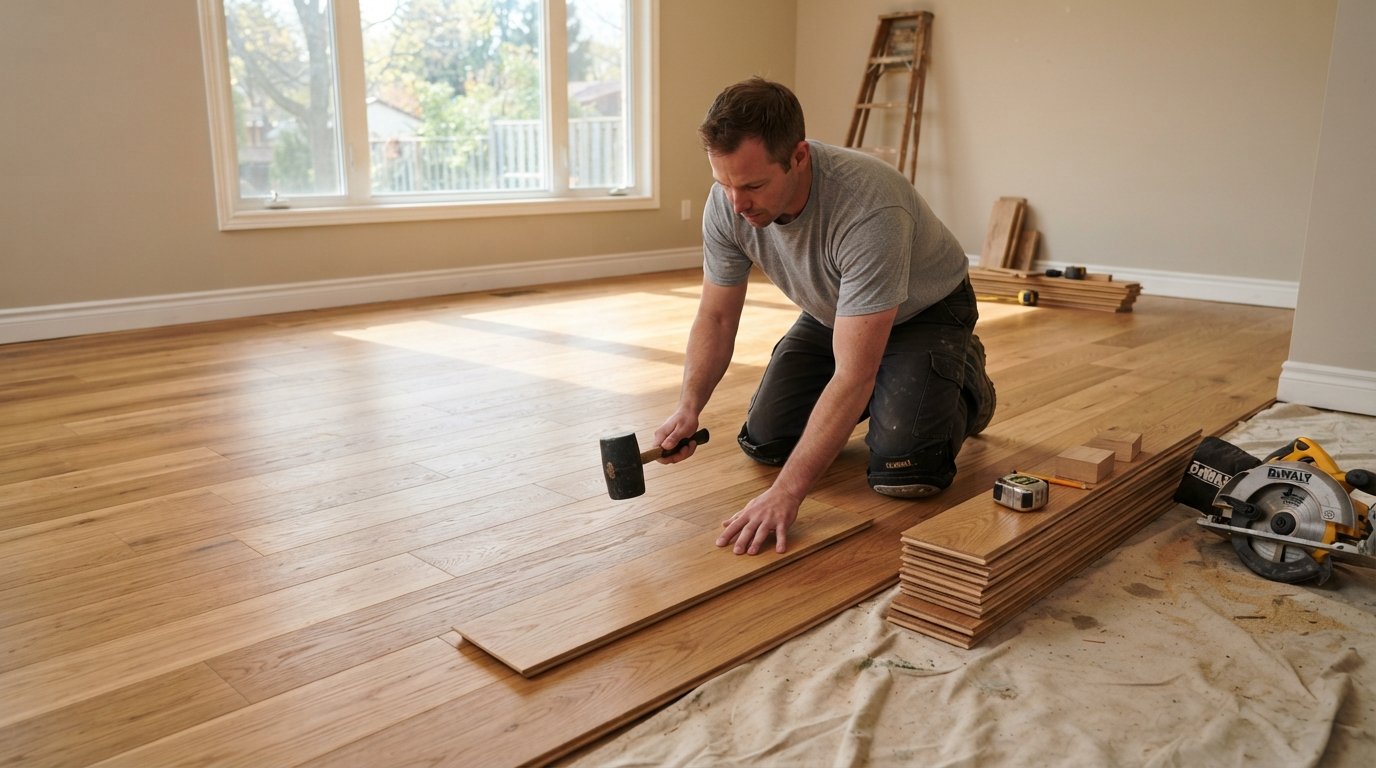
Hardwood Flooring: Cost, Installation, and Care Tips for 2026
Explore hardwood flooring costs, species, installation methods, and maintenance tips to choose the perfect floor for your home and budget.

By Justin Parker
Learn more about Floor Installation or Replacement for guides, costs, and what to expect.
Compare Floor Installation or Replacement Pros Near You

Enter your ZIP code to compare top-rated local professionals and request free quotes.
When you step into a room with genuine hardwood flooring, you feel it before you see it. The warmth underfoot, the natural grain patterns, and the quiet sense of permanence are hard to replicate with any other material. For many homeowners, hardwood is not just a surface; it is an investment in comfort and home value. Yet the path from decision to finished floor is full of questions about species, finishes, installation methods, and upkeep. This guide walks you through every critical choice, from budgeting for materials to maintaining your floors for decades, so you can move forward with confidence and avoid costly surprises.
Why Hardwood Flooring Remains a Top Choice for Homeowners
Hardwood flooring has held its status as a premium option for generations, and for good reason. Unlike carpet or vinyl, hardwood offers a timeless aesthetic that adapts to almost any interior style, from rustic farmhouse to sleek modern. It also performs exceptionally well in high-traffic areas when properly maintained. Solid wood can be sanded and refinished multiple times, which means minor scratches and wear can be erased over the years, effectively extending the life of your floor far beyond that of many alternatives.
Beyond appearance, hardwood contributes to healthier indoor air quality. It does not trap dust, pollen, pet dander, or other allergens the way soft fibrous flooring does. For families with allergies or respiratory sensitivities, this is a tangible benefit. Additionally, wood is a natural insulator, helping to keep rooms warmer in winter and cooler in summer, which can slightly reduce your energy bills. These practical advantages, combined with the undeniable charm of real wood, explain why so many remodeling projects prioritize this material.
From a financial perspective, hardwood flooring is one of the few home improvements that can deliver a strong return on investment. Real estate agents often note that homes with well-maintained hardwood floors sell faster and at higher prices than comparable homes with other flooring types. Buyers perceive hardwood as a premium feature, and they are willing to pay for it. If you are planning to sell in the future, installing or refinishing hardwood is a strategic move that can pay off handsomely.
Solid vs. Engineered Hardwood: Which One Fits Your Home?
One of the first decisions you will face is choosing between solid hardwood and engineered hardwood. Both offer the beauty of real wood, but they differ significantly in construction and performance. Solid hardwood is milled from a single piece of wood, typically 3/4 inch thick. It is durable and can be sanded and refinished many times, but it is sensitive to moisture and temperature changes. This makes it best suited for above-grade installations, such as main floors and upper levels, where humidity is relatively stable.
Engineered hardwood, on the other hand, consists of a top layer of real wood veneer bonded to multiple layers of plywood or high-density fiberboard. This construction makes it more dimensionally stable, meaning it resists warping and cupping better than solid wood in environments with fluctuating humidity. As a result, engineered hardwood can be installed in basements, over concrete slabs, and even in some areas with radiant heating systems. While the wear layer is thinner than solid wood, quality engineered products can still be refinished once or twice, depending on the veneer thickness.
To help you weigh your options, consider the following comparison:
- Solid hardwood: Longer lifespan due to multiple refinishing cycles; best for dry, climate-controlled spaces; adds significant resale value.
- Engineered hardwood: Greater moisture resistance; can be installed in basements and over concrete; often more affordable upfront; compatible with radiant heat.
- Acclimation time: Solid wood requires several days to adjust to your home's humidity; engineered wood typically needs less acclimation, speeding up installation.
- Cost range: Solid hardwood generally costs more per square foot; engineered hardwood offers a wider price range, making it accessible for budget-conscious projects.
Your choice should hinge on your specific conditions. If you are remodeling a basement or a room over a concrete slab, engineered hardwood is almost certainly the safer bet. For a classic second-story bedroom or living room in a climate with stable humidity, solid hardwood delivers unmatched longevity. Discuss your options with a qualified contractor who can assess your subfloor and environment before you commit to a purchase.
Popular Hardwood Species and Their Unique Characteristics
Once you decide between solid and engineered, the next exciting step is selecting the wood species. Each species offers a distinct color, grain pattern, hardness, and price point. The Janka hardness scale measures a wood's resistance to dents and wear, and it is a useful reference for high-traffic areas. For example, hickory and maple rank high on the scale, making them excellent for busy households with pets and children. Oak, both red and white, strikes a balance between durability and affordability, which is why it remains the most popular choice nationwide.
Walnut is prized for its rich, dark chocolate tones and elegant grain, but it is softer than oak, so it may show dents more easily. Cherry offers a warm reddish hue that deepens with age, though it also sits on the softer end of the spectrum. If you love the look of exotic species like Brazilian cherry or acacia, be prepared for a higher price tag and a harder surface that resists scratching. Domestic species like ash and birch provide lighter, contemporary aesthetics at a moderate cost.
When choosing a species, think about your lifestyle and design preferences. Do you want a light, airy space that hides dust, or a dramatic, dark floor that anchors the room? Are you willing to embrace the natural aging process, where some woods darken or shift in tone over time? Your answers will guide you toward a species that not only looks stunning on day one but also ages beautifully. A reputable flooring supplier or contractor can provide samples so you can see how each wood looks in your actual lighting conditions.
Installation Methods: Nail-Down, Glue-Down, and Floating Floors
The way your hardwood flooring is installed affects its stability, feel, and maintenance requirements. There are three primary methods, and the right one depends on your subfloor type and the product you choose. Nail-down installation is the traditional approach for solid hardwood over plywood subfloors. The planks are secured with nails or staples through the tongue, creating a very stable and permanent floor. This method allows for natural wood expansion and contraction, but it is not suitable for concrete slabs.
Glue-down installation involves adhering each plank directly to the subfloor with a strong adhesive. This method works well for engineered hardwood over concrete or plywood. It provides excellent sound insulation and stability, but it makes future removal labor-intensive. Floating floors, by contrast, are not attached to the subfloor at all. The planks lock together using a click-and-lock system, and the entire floor rests on a foam underlayment. Floating installation is the fastest and most DIY-friendly, and it is ideal for engineered hardwood over various subfloors, including existing tile or vinyl.
Each method has trade-offs. Nail-down floors feel the most solid underfoot, but they are difficult to replace. Glue-down floors are quiet and stable, but installation is messy and requires professional expertise. Floating floors are versatile and easy to swap out, but they can feel slightly hollow and may not be suitable for every room. Your contractor can recommend the best method based on your subfloor, the product you select, and your long-term plans for the space.
Hardwood Flooring Cost Breakdown: Materials, Labor, and Hidden Fees
Budgeting for hardwood flooring involves more than just the price per square foot of the wood itself. Labor costs, underlayment, fasteners, transitions, and removal of old flooring can add significantly to the total. On average, homeowners spend between $6 and $15 per square foot for materials, with exotic species and higher-grade products pushing the price upward. Professional installation typically adds $3 to $8 per square foot, depending on your location and the complexity of the job. For a 500-square-foot living area, you might expect a total cost between $4,500 and $11,500.
Beyond the basic costs, there are several hidden fees that can catch you off guard. If your subfloor is uneven or damaged, it may need leveling or repair before installation, which costs extra. Removing and disposing of old carpet, tile, or vinyl is another expense that many homeowners overlook. You may also need to purchase additional materials such as moisture barriers, vapor retarders, and quarter-round molding to finish the edges. Finally, if you choose a herringbone or diagonal pattern, labor costs will rise due to the extra cutting and layout time.
To avoid surprises, ask your contractor for a detailed written estimate that itemizes every component. Compare quotes from at least three reputable contractors, and verify that they are licensed and insured. While it may be tempting to save money by doing the installation yourself, consider the long-term value of professional work. A poorly installed floor can void the manufacturer's warranty and lead to costly repairs down the road. Investing in skilled labor now protects your investment and ensures a flawless result.
Maintenance and Care: Protecting Your Hardwood Floor for Decades
Once your hardwood flooring is installed, proper maintenance is the key to preserving its beauty. Daily care is simple: sweep or vacuum regularly to remove grit and dirt that can scratch the surface. Use a vacuum with a soft brush attachment or a broom with fine bristles, and avoid beater bars that can dent the wood. Place mats at entryways to trap moisture and debris, and use felt pads under furniture legs to prevent scuffs and indentations.
For deeper cleaning, use a damp mop with a cleaner specifically formulated for hardwood. Avoid soaking the floor with water, as excess moisture can cause warping and discoloration. Never use steam mops, harsh chemicals, or abrasive scrubbers, as these can strip the finish and damage the wood. Wipe up spills immediately, especially liquids like wine, coffee, or pet accidents, which can penetrate the finish if left unattended. Pet nails should be trimmed regularly to minimize scratches.
Over time, even well-maintained hardwood will show signs of wear. Depending on the traffic and finish quality, you may need to refinish your floors every 7 to 10 years. Refinishing involves sanding down the top layer and applying a fresh coat of stain and sealant. This process can restore your floor to like-new condition, but it is a significant project that requires professional equipment. If you prefer to avoid the hassle, consider using area rugs in high-traffic zones and following a strict cleaning schedule to extend the time between refinishing sessions.
Eco-Friendly and Sustainable Hardwood Options
For environmentally conscious homeowners, the source of your hardwood matters. Many manufacturers now offer products certified by the Forest Stewardship Council (FSC), which ensures the wood comes from responsibly managed forests. Bamboo, though technically a grass, is another sustainable option that mimics the look of hardwood and grows rapidly, making it highly renewable. Reclaimed wood, salvaged from old barns, factories, or wine barrels, adds character and history while reducing the demand for new timber.
If sustainability is a priority, ask your supplier about the origin of the wood and whether it meets recognized environmental standards. You might also consider using a low-VOC finish, which reduces the release of harmful chemicals into your home's air. This is particularly important for households with children, pets, or anyone with chemical sensitivities. Choosing a durable species that will last longer is also an eco-friendly decision, as it reduces the need for replacement and the associated resource consumption.
Our guide on sustainable hardwood flooring alternatives offers deeper insight into eco-conscious choices and how they compare to traditional options. By aligning your flooring decision with your values, you can enjoy the beauty of natural wood while minimizing your environmental footprint.
When to Hire a Professional vs. DIY Installation
The allure of saving money on installation costs can be strong, but hardwood flooring is not the most forgiving DIY project. Poorly fitted planks, gaps, uneven seams, and adhesives applied incorrectly can ruin an expensive product. If you have experience with precision woodworking and the right tools, a straightforward nail-down installation in a simple rectangular room might be achievable. However, most homeowners benefit from hiring a professional who can handle subfloor preparation, acclimation, and complex layouts with ease.
Professional installers also have access to specialized equipment, such as pneumatic nailers and floor sanders, which are costly to rent and dangerous to operate without training. They understand how to leave the proper expansion gap around the perimeter, a detail that is critical for preventing buckling. Furthermore, many manufacturers require professional installation to validate the warranty. If you choose to DIY, you risk voiding that protection, which could be a costly mistake if defects appear later.
If you decide to hire a contractor, look for someone who specializes in hardwood flooring and can provide references from recent projects. Ask about their experience with your chosen species and installation method, and request a written contract that outlines the timeline, costs, and cleanup responsibilities. A reputable contractor will also inspect your subfloor and address any issues before installation begins. Taking the time to find the right professional ensures a smooth process and a result that you will be proud of for years to come.
Final Thoughts on Your Hardwood Flooring Journey
Hardwood flooring is a significant investment, but it is one that rewards you daily with beauty, durability, and increased home value. Whether you choose solid or engineered, oak or walnut, nail-down or floating, the key is to make informed decisions based on your home's conditions and your lifestyle. Budget realistically, prioritize professional installation, and commit to a regular maintenance routine. By doing so, you will enjoy your floors for decades, and they will continue to be a highlight of your home.
As you move forward, remember that the right contractor can make all the difference. A skilled installer will ensure your floor is laid perfectly, minimizing future issues and maximizing your satisfaction. If you are ready to start your project, reach out to trusted professionals through 180 Remodel to get free, no-obligation quotes from qualified contractors. Your dream floor is within reach, and the planning you do today will pay off every time you walk across it.