
Water Heater Expansion Tank: Do I Need One?
Find out if your water heater needs an expansion tank and protect your plumbing from pressure damage. Call (833)-365-8755 for expert advice.

By Irene Walsh
Learn more about Water Heater Repair or Maintenance for guides, costs, and what to expect.
Compare Water Heater Repair or Maintenance Pros Near You

Enter your ZIP code to compare top-rated local professionals and request free quotes.
If you have ever noticed water dripping from your water heater's relief valve or heard a strange rumbling sound from the tank, you might be dealing with a hidden problem: thermal expansion. The question water heater expansion tank do i need one is one that many homeowners face, especially after installing a new water heater or when plumbing upgrades have turned their home into a closed system. The answer depends on your plumbing setup and local codes, and getting it wrong can lead to costly damage. This guide will walk you through the signs, the science, and the practical steps to decide whether an expansion tank is necessary for your home.
Understanding Thermal Expansion and Closed Plumbing Systems
When water heats up, it expands. In an open plumbing system, this expanded water simply pushes back into the municipal supply line, and any excess pressure dissipates. However, many modern homes have a closed system, typically due to a backflow preventer, a pressure-reducing valve, or a check valve installed at the main water line. These devices stop water from flowing backward, which is great for keeping your home's water supply isolated from potential contamination. But they also trap the expanding water inside your plumbing, causing pressure to spike.
The result is that the pressure inside your water heater and pipes can rise dramatically, sometimes exceeding 150 psi when the safe limit is usually around 80 psi. This excessive pressure stresses every component of your plumbing system, from the water heater tank itself to the supply lines and fixtures. Over time, it can cause leaks, premature failure of appliances, and even pipe bursts. An expansion tank is designed to absorb this extra pressure by providing a compressible air cushion that gives the expanding water somewhere to go.
So, how do you know if you have a closed system? Look for a backflow preventer near your water meter or a pressure-reducing valve on your main line. If you find either, your system is likely closed, and an expansion tank is probably necessary. If you are unsure, a licensed plumber can quickly assess your setup. Many local plumbing codes now require expansion tanks on new water heater installations in closed systems, so checking with your building department is also wise.
Signs You Might Need an Expansion Tank
Even without inspecting your main line, there are several telltale signs that your plumbing system is struggling with thermal expansion. The most common is water dripping or leaking from the temperature and pressure relief valve (T&P valve) on your water heater. This valve is a safety device that opens when pressure or temperature gets too high. If it is discharging water regularly, it is a clear indication that the system cannot handle the expansion.
Other symptoms include banging or knocking noises from the pipes when the water heater is running, fluctuating water pressure at faucets, and even a faint burnt smell near the water heater. You might also notice that your water heater's tank has developed leaks or bulges, though by then the damage may already be done. It is important to note that a dripping T&P valve is not just a minor annoyance; it is a sign that your plumbing is under stress and could fail catastrophically if ignored.
If you observe any of these signs, it is time to consult a professional. A simple inspection can confirm whether an expansion tank is needed and prevent more expensive repairs down the line. For expert help with water heater issues, you can also refer to our guide on reliable water heater repair to understand common problems and solutions.
When Is an Expansion Tank Required by Code?
Whether an expansion tank is mandatory depends on your local plumbing code and the specifics of your plumbing system. In many jurisdictions, the International Plumbing Code (IPC) and the Uniform Plumbing Code (UPC) require a means to control thermal expansion in closed systems. This typically means installing an expansion tank or another approved device. Some areas may also require them when a new water heater is installed, regardless of whether the system was previously open or closed.
It is essential to check with your local building authority before installing or replacing a water heater. A permit is often required, and the inspector will verify that your installation meets current codes, including expansion control. Failing to comply can result in failed inspections, fines, and potential safety hazards. Even if not strictly required, installing an expansion tank is a wise investment for any closed system because it protects your entire plumbing infrastructure.
If you are planning a water heater replacement or upgrade, consider hiring a licensed plumber who is familiar with local codes. They can advise you on the best solution for your home and ensure the job is done correctly. For homeowners in areas with hard water or high pressure, an expansion tank is especially beneficial. You can also consult resources like Homes.Contractors to find qualified professionals in your area who specialize in plumbing and water heater installations.
Sizing and Placement: Getting It Right
Once you have determined that an expansion tank is needed, the next step is to choose the correct size and install it properly. Expansion tanks come in various sizes, typically ranging from 2 gallons to 5 gallons or more for residential use. The right size depends on the volume of your water heater, the water pressure, and the temperature setting. A general rule of thumb is to match the tank size to the water heater's capacity, but a professional calculation is more accurate.
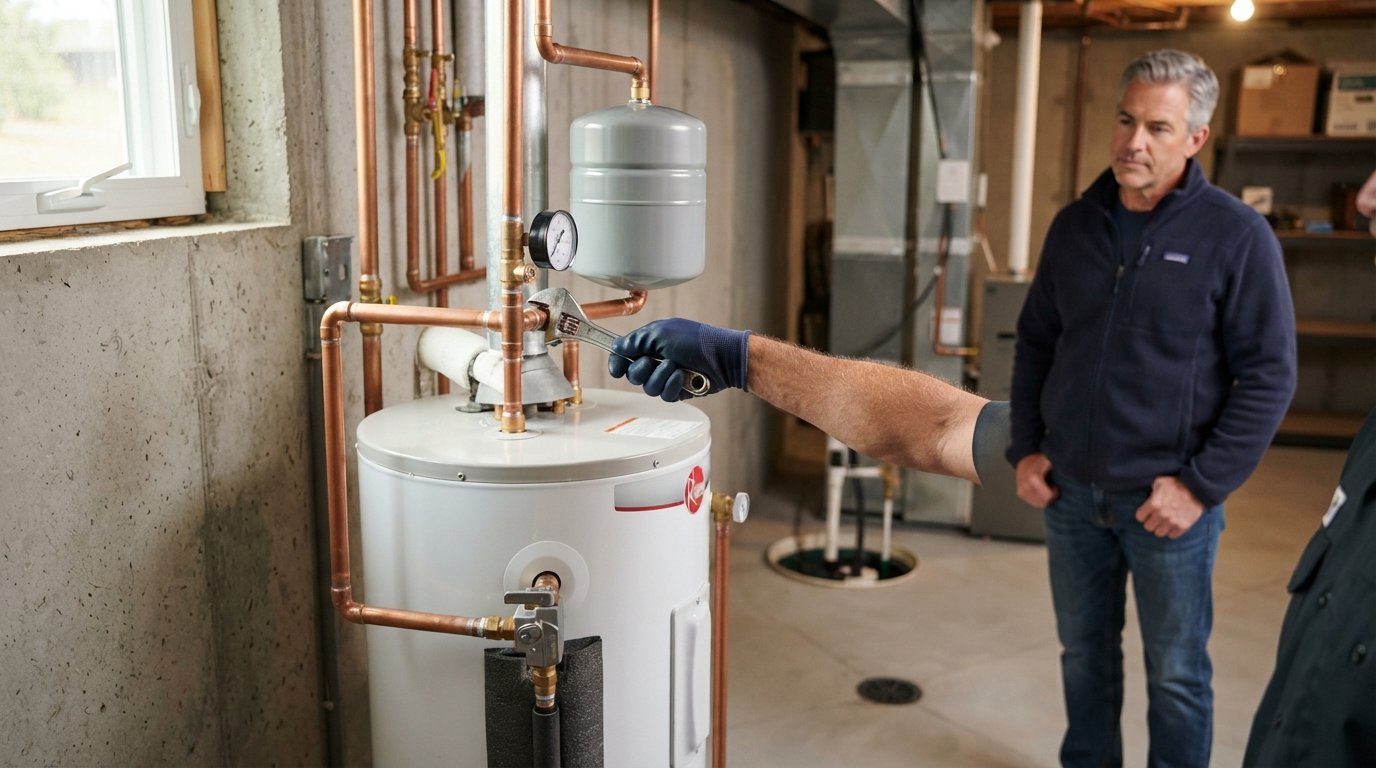
Placement is also critical. The expansion tank should be installed on the cold water inlet line between the water heater and the backflow preventer or pressure-reducing valve. It must be properly supported to avoid stress on the piping, and the air charge in the tank should be set to match your home's water pressure. Incorrect installation can render the tank ineffective or even cause damage. It is a job best left to a licensed plumber who can ensure proper sizing, placement, and connection.
In addition to sizing and placement, consider the type of expansion tank. There are two main types: diaphragm and bladder tanks. Diaphragm tanks have a fixed diaphragm that separates air from water, while bladder tanks use a replaceable bladder. Both are effective, but bladder tanks are often preferred for their durability and ease of maintenance. Your plumber can recommend the best option for your situation.
Consequences of Skipping an Expansion Tank
Ignoring the need for an expansion tank can lead to a cascade of problems that far outweigh the cost of installation. The most immediate risk is damage to your water heater. Excessive pressure can cause the tank to leak, crack, or even rupture, leading to water damage in your home. It can also shorten the lifespan of your water heater, forcing you to replace it prematurely.
Beyond the water heater, high pressure stresses your entire plumbing system. Pipes, fittings, faucets, and appliances like dishwashers and washing machines are all vulnerable. You might experience frequent leaks, reduced water flow, and noisy pipes. In severe cases, a pipe burst can cause thousands of dollars in water damage and mold remediation. Moreover, a dripping T&P valve is a sign that your system is unsafe; if it fails to open, the pressure could cause a catastrophic explosion, though such incidents are rare.
Investing in an expansion tank is a small price to pay for the protection it offers. It not only safeguards your plumbing but also gives you peace of mind. If you are unsure whether your system needs one, a professional inspection is the best way to find out. Many plumbing companies offer affordable inspections and can advise you on the right course of action. For more information on water heater maintenance and repair, explore our comprehensive water heater repair guide.
Frequently Asked Questions About Water Heater Expansion Tanks
Do I need an expansion tank if I have a tankless water heater?
Tankless water heaters heat water on demand, but they can still be part of a closed system. Thermal expansion occurs in any closed system, regardless of the water heater type. However, the expansion volume may be smaller, and some tankless units have built-in expansion control. It is best to consult the manufacturer's instructions and local codes.
Can I install an expansion tank myself?
While it is possible for a handy homeowner to install an expansion tank, it is not recommended unless you have plumbing experience. Proper sizing, placement, and connection are critical for safety and effectiveness. A licensed plumber will ensure the job is done correctly and up to code.
How long does an expansion tank last?
Most expansion tanks last 5 to 10 years, depending on water quality and maintenance. The bladder or diaphragm can degrade over time, and the air charge may need to be replenished. Regular inspections can help you catch issues early and replace the tank when needed.
What size expansion tank do I need?
The size depends on your water heater capacity, water pressure, and temperature setting. A common formula is to use a tank that is about 1/3 to 1/2 the size of your water heater's capacity, but a professional calculation is more accurate. Your plumber can determine the correct size for your home.
Will an expansion tank reduce energy efficiency?
No, an expansion tank does not affect the energy efficiency of your water heater. It simply provides a space for expanded water to go, helping maintain safe pressure levels. In fact, by reducing stress on the system, it can extend the life of your water heater and improve overall efficiency.
Making the Decision: Professional Inspection and Next Steps
If you are still asking yourself water heater expansion tank do i need one, the safest approach is to schedule a professional inspection. A licensed plumber can assess your plumbing system, check for a backflow preventer or pressure-reducing valve, and test your water pressure. They can also look for signs of thermal expansion and advise you on whether an expansion tank is necessary. Many plumbing companies offer free or low-cost inspections, so it is worth the call.
During the inspection, the plumber will also check the condition of your water heater and T&P valve, ensuring everything is in good working order. If an expansion tank is needed, they can provide a quote and install it the same day. This proactive step can save you from costly repairs and extend the life of your plumbing system.
Remember, an expansion tank is a small investment that offers significant protection. It is especially important in homes with closed plumbing systems, high water pressure, or a history of plumbing issues. Do not wait for a leak or a failed inspection to take action. Contact a trusted professional today to ensure your water heater and plumbing are operating safely and efficiently.
For homeowners seeking qualified contractors for plumbing and water heater services, Homes.Contractors is a valuable resource. Their directory connects you with pre-vetted professionals who can handle installations, repairs, and maintenance. Whether you need an expansion tank installed or a full water heater replacement, you can find reliable experts who will get the job done right.
Learn more about Water Heater Repair or Maintenance for guides, costs, and what to expect.
Compare Water Heater Repair or Maintenance Pros Near You
Enter your ZIP code to compare top-rated local professionals and request free quotes.