DIY Remodeling vs Contractor: What Homeowners Need to Know
"*" indicates required fields
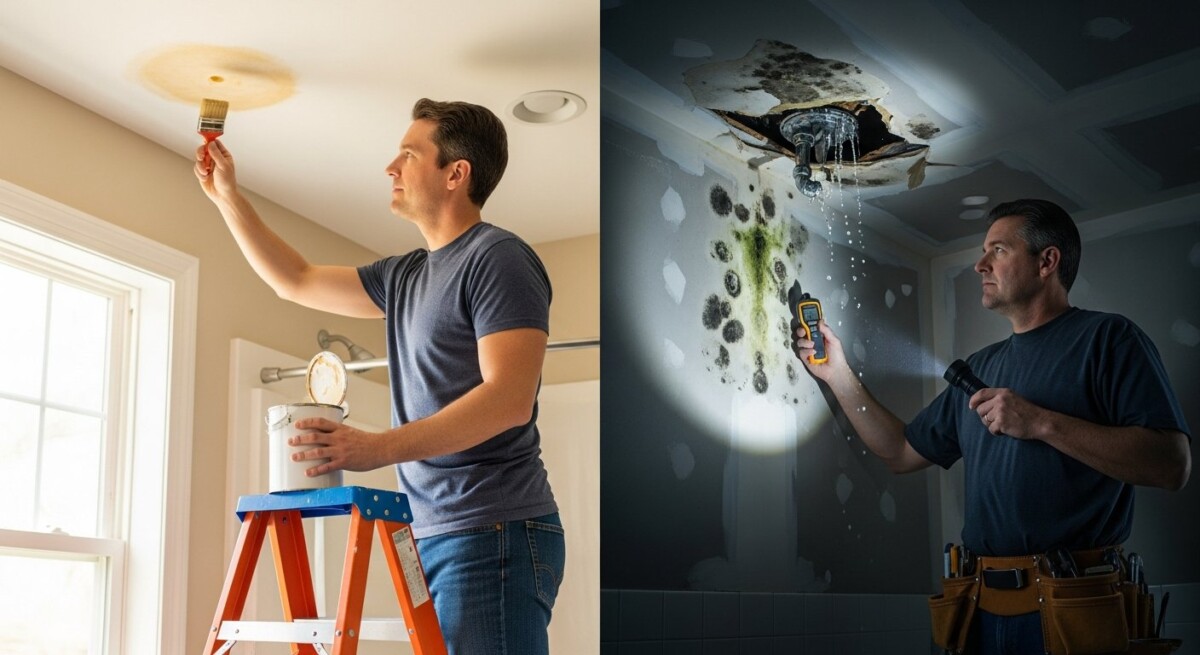
You walk into your bathroom one morning and notice a small water stain on the ceiling. It’s just a little discoloration, so you grab a paintbrush and cover it up. A few weeks later, the stain returns,bigger and darker. Now the drywall feels soft to the touch. You wonder: Should I fix this myself or call a professional? That moment of uncertainty is where every homeowner faces the choice between DIY remodeling vs contractor. What starts as a tiny problem can quickly spiral into mold, structural damage, and thousands of dollars in unexpected costs if you choose the wrong path.
Understanding DIY remodeling vs contractor
DIY remodeling means you take on the project yourself,buying materials, watching tutorial videos, and doing the physical labor. Hiring a contractor means you pay a professional team to handle everything from permits to cleanup. Each option has its place, but knowing which one fits your situation is critical.
Many homeowners lean toward DIY to save money or because they enjoy hands-on work. However, remodeling involves plumbing, electrical systems, load-bearing walls, and building codes. A mistake in any of these areas can turn a simple upgrade into a costly repair. Homes with older wiring, outdated plumbing, or custom layouts are especially vulnerable to DIY errors.
The choice often comes down to the scope of the project. Painting a single room or swapping cabinet hardware is usually safe for a capable DIYer. But anything involving water, gas, electricity, or structural changes typically requires a licensed contractor to ensure safety and compliance.
Why This Matters for Your Home
Your home is likely your biggest investment. Every decision you make about repairs or renovations affects its value, safety, and comfort. Choosing DIY when a contractor is needed can lead to shoddy work that lowers resale value or creates hazards. On the other hand, hiring a contractor for a simple task might waste money you could have saved.
The real risk comes from delaying necessary repairs. A small roof leak ignored for a season can rot the plywood sheathing, damage insulation, and invite mold into your attic. Fixing that leak yourself with a patch kit might stop the drip temporarily, but without addressing the underlying flashing or shingle damage, the problem will return,often worse than before.
Safety is another major concern. Electrical work done without proper knowledge can cause shocks or fires. Plumbing mistakes can lead to water damage that ruins floors and cabinets. Professional contractors carry insurance and follow code, protecting both you and your home from liability.
If you notice signs of this issue in your home, it may help to speak with a qualified contractor. Request a free quote or call (555) 123-4567 to explore your repair or remodeling options.
Common Problems Homeowners Experience
Many homeowners start a DIY project with enthusiasm, only to run into unexpected complications. Walls that hide electrical wires, unlevel floors, or pipes that don’t align with new fixtures can stop a project cold. Suddenly, a weekend job stretches into weeks, and the cost of fixing mistakes eats up any initial savings.
Another common issue is underestimating the time and skill required. Tiling a backsplash looks simple on video, but getting straight grout lines and proper waterproofing takes practice. When the result looks uneven or leaks develop behind the tile, homeowners often end up hiring a contractor to redo the work,paying twice for the same job.
Here are some typical problems homeowners face when choosing DIY over professional help:
- Water damage from improperly sealed showers or sinks
- Electrical shorts or fire hazards from incorrect wiring
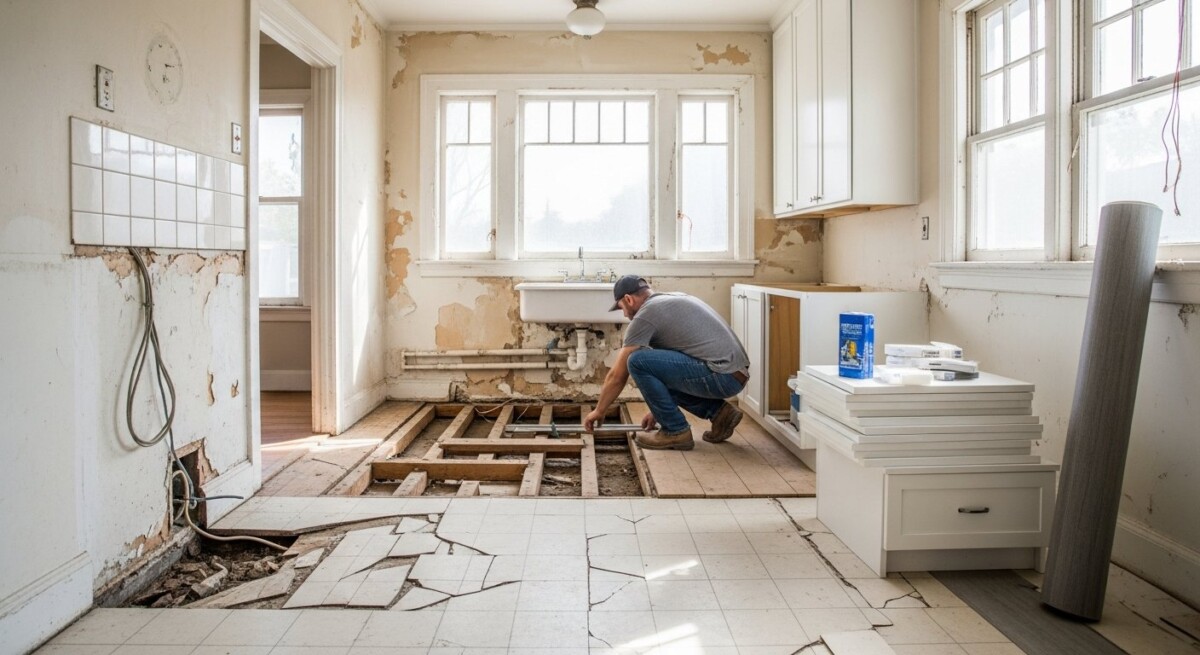
- Cracked or uneven flooring due to poor subfloor preparation
- Structural sagging from removing load-bearing walls without support
- Permit violations that complicate home sales or insurance claims
- Premature material failure from using the wrong adhesives or fasteners
How Professionals Solve the Problem
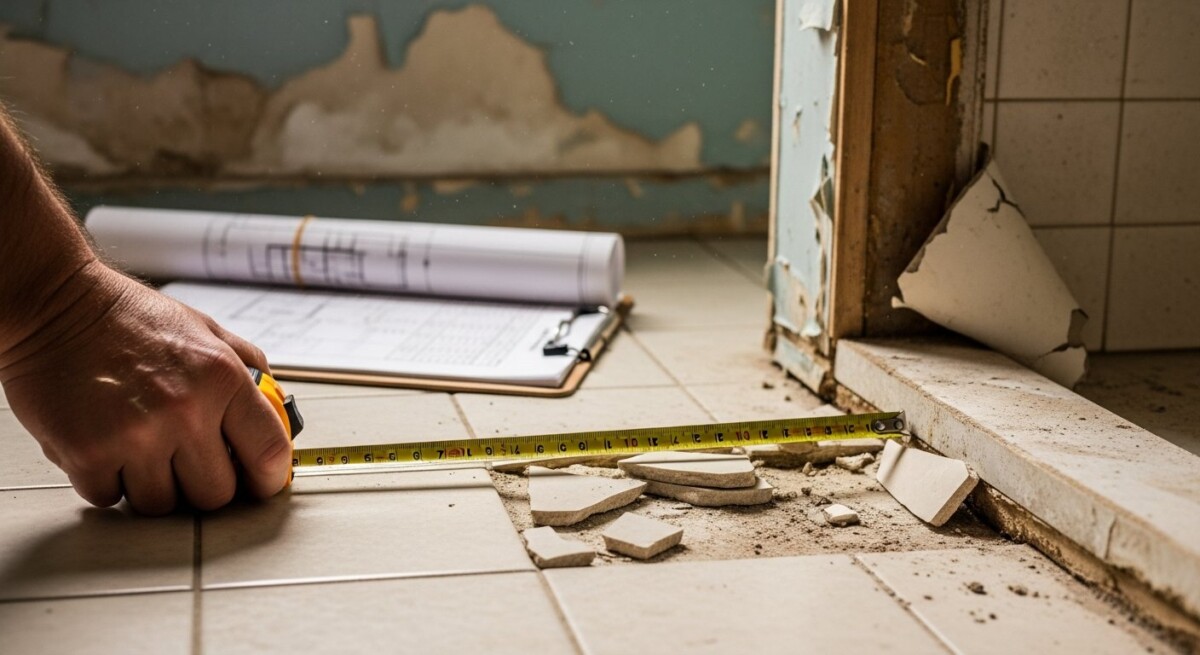
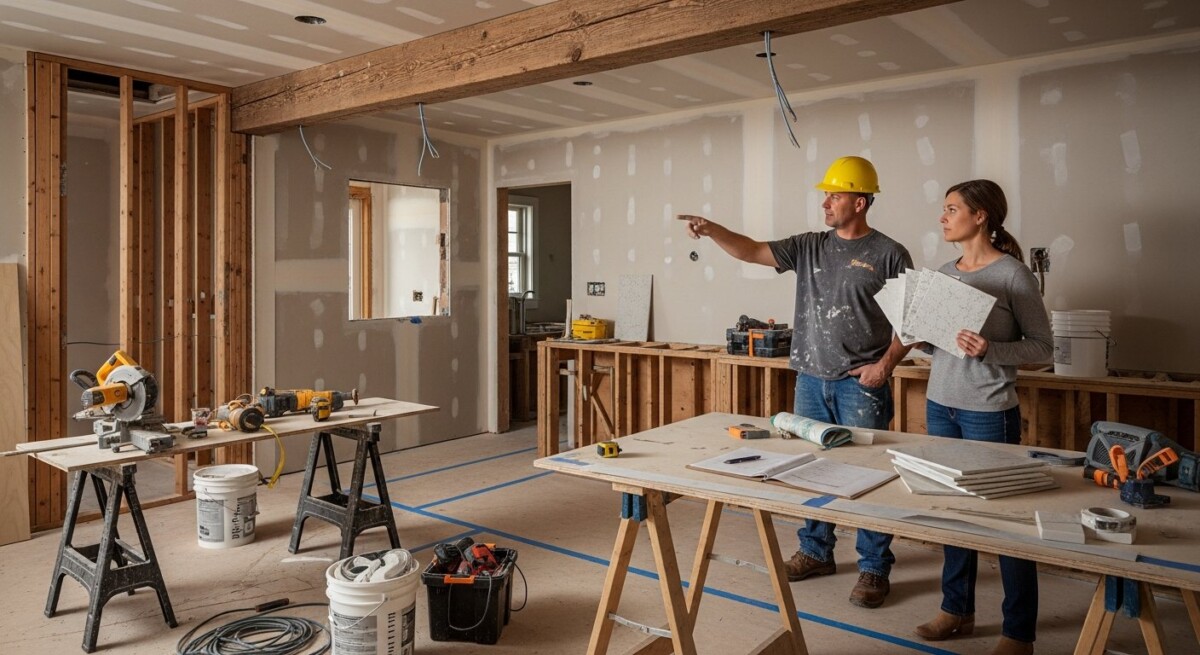
Experienced contractors approach remodeling with a systematic process that minimizes risk and ensures quality. They start with a thorough inspection to identify hidden issues,like old wiring or mold,that a DIYer might miss. Then they create a detailed plan that includes permits, material specs, and a realistic timeline.
Professional work typically follows these steps:
- Assessment and planning: The contractor evaluates the space, measures accurately, and checks for code requirements.
- Permitting and scheduling: They pull necessary permits and coordinate subcontractors like electricians or plumbers.
- Demolition and preparation: Old materials are removed safely, and the work area is protected.
- Installation and construction: New materials are installed according to manufacturer specs and building codes.
- Inspection and finishing: Work is inspected (often by a city official), and final touches like painting or trim are completed.
- Cleanup and walkthrough: The job site is cleaned, and the homeowner is shown how to maintain the new work.
Professional work is safer because contractors have liability insurance and workers’ compensation. If something goes wrong,a pipe bursts or a tile cracks,the contractor covers the fix. With DIY, that cost comes out of your pocket. For more on the importance of hiring insured pros, read our guide on why insured remodeling contractors are essential for homeowners.
A professional inspection can reveal hidden issues before they become expensive repairs. Compare contractor quotes here or call (555) 123-4567 to discuss your project.
Warning Signs You Should Not Ignore
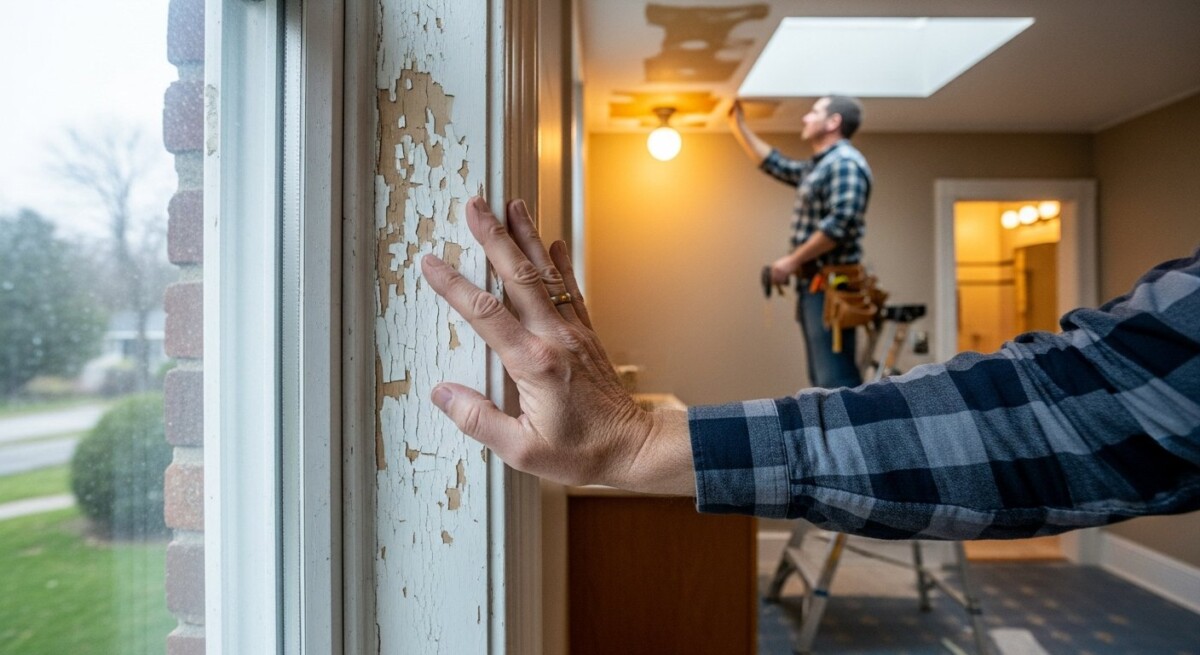
Some home problems start small but grow quickly. If you notice any of these warning signs, it’s time to stop the DIY approach and consult a professional. Early action can save you thousands of dollars and prevent safety hazards.
- Persistent musty odors or visible mold near walls, ceilings, or floors
- Water stains that reappear after painting or patching
- Cracks in drywall, brick, or foundation that widen over time
- Doors or windows that stick or won’t close properly
- Flickering lights or outlets that feel warm to the touch
- Flooring that feels spongy or dips when you walk on it
Ignoring these signs because you hope a quick DIY fix will work often leads to more damage. A professional can diagnose the root cause and provide a permanent solution.
What Affects the Cost of Repairs or Installation
Several factors influence how much a remodeling project will cost. Understanding these can help you decide whether DIY is truly cheaper or if hiring a contractor makes more financial sense.
The size of the project is the biggest factor. A small bathroom remodel might cost $5,000 to $15,000 with a contractor, while a full kitchen renovation can run $25,000 to $50,000 or more. Material choices also matter,custom cabinets and natural stone cost more than stock cabinets and laminate.
Labor costs vary by region and complexity. Work that requires specialized skills,like moving plumbing lines or upgrading an electrical panel,costs more. Accessibility also plays a role; a basement remodel with low ceilings or tight crawl spaces may require extra labor. Older homes often have hidden surprises like asbestos or knob-and-tube wiring that add to the cost.
Costs can vary depending on the condition of your home. The best way to know the price is to get a personalized estimate. Request free quotes from contractors or call (555) 123-4567 today.
How to Choose the Right Contractor
Finding a reliable contractor doesn’t have to be stressful. Start by asking friends or neighbors for recommendations, then do your own research. A good contractor will be transparent about their process, provide a written estimate, and communicate clearly.
Here are key tips for selecting the right professional:
- Check licenses and insurance: Verify that the contractor is licensed in your state and carries general liability and workers’ compensation insurance.
- Read customer reviews: Look for consistent positive feedback on sites like Google, Yelp, or the Better Business Bureau.
- Ask for detailed estimates: A thorough estimate should include materials, labor, permits, and a timeline.
- Compare multiple quotes: Get at least three estimates to understand the market rate and avoid overpaying.
- Confirm experience with similar projects: Ask for photos or references from past jobs that match your remodel.
Taking time to vet contractors pays off in quality work and peace of mind. For a step-by-step guide, see our article on how to hire a remodeling contractor.
Long-Term Benefits of Professional Work
Hiring a contractor isn’t just about fixing a problem today,it’s an investment in your home’s future. Professional work typically comes with warranties on both materials and labor. If something fails within the warranty period, the contractor returns to fix it at no extra cost.
Quality craftsmanship also improves energy efficiency. Properly installed windows, insulation, and HVAC systems reduce utility bills. A well-done remodel can increase your home’s resale value by a significant margin,often more than the cost of the project itself.
Finally, professional work reduces future maintenance. When a contractor builds a deck, installs a roof, or remodels a kitchen correctly, you won’t face recurring repairs. The time and money you save by avoiding callbacks and fixes makes professional help a smart long-term choice.
Is it cheaper to remodel myself or hire a contractor?
DIY can be cheaper upfront if you already own the tools and have the skills. However, mistakes, injuries, and rework often make DIY more expensive in the long run. Contractors get trade discounts on materials and complete work faster, which can offset their labor costs.
What projects are safe for DIY?
Painting, installing new light fixtures (if wiring is already in place), changing cabinet hardware, and laying laminate flooring are generally safe for experienced DIYers. Always research local codes and watch tutorials before starting.
How do I know if a contractor is trustworthy?
Check their license status with your state’s contractor board, ask for proof of insurance, read online reviews, and request references from recent clients. A trustworthy contractor provides a written contract and doesn’t demand full payment upfront.
Can I save money by doing demolition myself?
Sometimes, but be cautious. DIY demolition can damage existing structures, pipes, or wires, adding to the repair cost. Contractors often prefer to do demolition themselves because they know what to look for and can work efficiently.
Do I need a permit for my remodel?
Most structural, electrical, plumbing, and mechanical work requires a permit. Your contractor should handle permit applications. If you do the work yourself without a permit, you risk fines and trouble selling your home later.
How long does a typical remodel take with a contractor?
A small bathroom remodel usually takes 2,4 weeks. A kitchen remodel can take 6,12 weeks. DIY projects often take two to three times longer because you’re working evenings and weekends.
What should I look for in a contract?
The contract should include a detailed scope of work, material specifications, payment schedule, start and completion dates, warranty information, and a process for change orders. Never sign a blank or incomplete contract.
Is it worth hiring a contractor for a small job?
Many contractors have minimum charges, so very small jobs (under $500) might be better done yourself or bundled with other work. For jobs requiring permits or specialized skills, a contractor is still the safer choice.
Choosing between DIY remodeling and hiring a contractor comes down to honesty about your skills, time, and budget. Small cosmetic updates can be fun weekend projects. But when it comes to your home’s safety, structure, and long-term value, professional help is often the wisest route. Don’t wait until a small leak becomes a flood or a flickering light becomes a fire. Compare contractor quotes today and get the peace of mind that comes with work done right.

About Alex Carter
"*" indicates required fields